


One of the most exciting and healthful ways to use the abundance of your polytunnel and the rest of your garden is through fermentation. This ancient method of food preservation doesn’t just store food—it enhances it.
With the right knowledge and care, you can transform your harvest into flavourful, gut-friendly delights that bring depth and diversity to your meals year-round.
What Are Fermented Foods?
Fermentation is, in essence, controlled microbial growth. It’s a natural process by which microorganisms—most often bacteria, yeasts or moulds—break down food components like sugars and starches. The process produces acids, gases, or alcohol, depending on the type of fermentation, and transforms the original food into something quite new, often with a more intense flavour, better preservation qualities, and increased nutritional value.
Fermentation has been practised for thousands of years across cultures. From the Korean tradition of kimchi to European sauerkraut, Japanese miso, and Ethiopian injera, fermentation is a global culinary heritage that connects us to our ancestors and, if done mindfully, supports a sustainable future.
Health Benefits of Fermented Foods
The surge in popularity of fermented foods in recent years is no accident. While many of us might first be drawn to fermentation for its sustainability benefits—reducing food waste, extending the harvest, and avoiding plastic-laden supermarket products—the health benefits are equally compelling.
Fermented foods are known to support gut health by introducing beneficial probiotic bacteria. These microbes help maintain a healthy microbiome, which plays a crucial role in digestion, immunity, and even mental well-being. Fermentation can also increase the bioavailability of nutrients, making vitamins and minerals more easily absorbed by the body. For example, fermentation reduces phytic acid in grains, which can inhibit the absorption of iron and zinc.
Fermented foods are often easier to digest than their raw or cooked counterparts. Lactose-intolerant individuals, for instance, may find that fermented dairy like yoghurt or kefir is far gentler on their system.
Furthermore, research suggests a link between gut health and mental clarity, reduced anxiety, and even improved mood. A well-fed microbiome, nurtured by a diverse range of fermented foods, can be the silent partner in maintaining good overall health.
Safety and Side Effects
As with all forms of food preservation, safety is paramount. Fortunately, when fermentation is done properly, it’s quite safe. The key is to follow trusted methods and maintain hygiene. The good bacteria involved in fermentation tend to outcompete and suppress any harmful microbes, particularly in lacto-fermentation (which uses salt to create an acidic, anaerobic environment).
Nevertheless, some caution is warranted. People with compromised immune systems or those new to fermented foods should start slowly. Introducing a wide range of new microbes to your system too quickly can cause digestive upset. Listen to your body and add fermented foods gradually.
Always ensure jars, utensils, and hands are clean. Watch for signs of spoilage, such as mould growth, sliminess, or foul odours (bearing in mind that some fermented foods do have strong but characteristic smells).
What Are The Healthiest Fermented Foods?
“Healthiest” can be a relative term depending on dietary needs, but several fermented foods stand out for their high probiotic content, digestibility, and nutrient density:
- Sauerkraut – Fermented cabbage, rich in fibre and vitamin C, as well as live cultures.
- Kimchi – Similar to sauerkraut but with a more complex flavour profile; contains chilli, garlic, and often radishes or other veg.
- Kefir – A fermented milk or water drink teeming with probiotics.
- Kombucha – A fizzy, fermented tea that’s refreshing and full of beneficial acids.
- Tempeh, Natto, and Miso – Fermented soybeans offering plant-based protein and, in the case of natto, vitamin K2.
- Sourdough – Fermented grain bread that is often easier to digest and has a lower glycaemic index than standard bread.
Find out more about some of these – ones you might make from polytunnel/garden produce – below.
Fermenting With Polytunnel Produce
Polytunnels allow us to extend our growing season and experiment with a diverse array of fruits, vegetables, and herbs that might otherwise struggle in our UK climate. Whether it’s an early spring flush of radishes or an autumn glut of cabbage and courgettes, your polytunnel is perfectly suited to fuel a fermentation habit.
Below are some ideal fermentations you can create using homegrown produce:
1. Vinegars
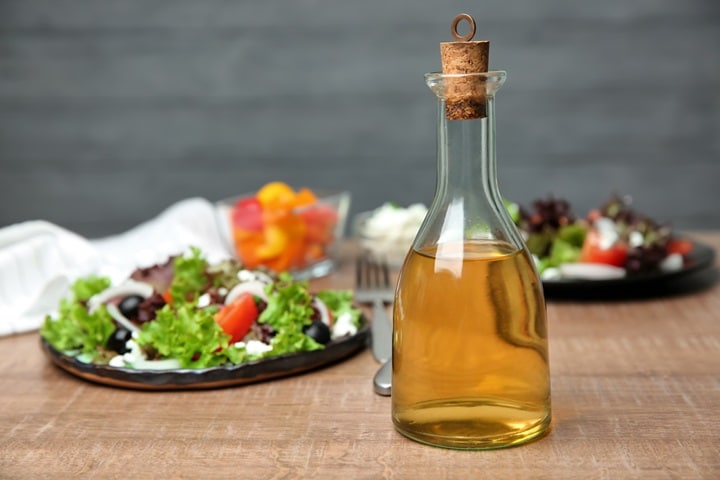
Home-brewed vinegar is a delightful way to use surplus fruit. Apple cider vinegar is perhaps the best-known and can be made simply with apple scraps (peels and cores). All that’s needed is time, a bit of sugar, and wild yeast from the air. Within weeks, the mix transforms from apple juice to hard cider and, eventually, to vinegar.
You can experiment with soft fruits—raspberries, blackberries, even plums—depending on what thrives in your tunnel. Not only do these vinegars add zest to salads and sauces, but they also contain acetic acid, which supports blood sugar regulation and has antimicrobial properties.
2. Pickles
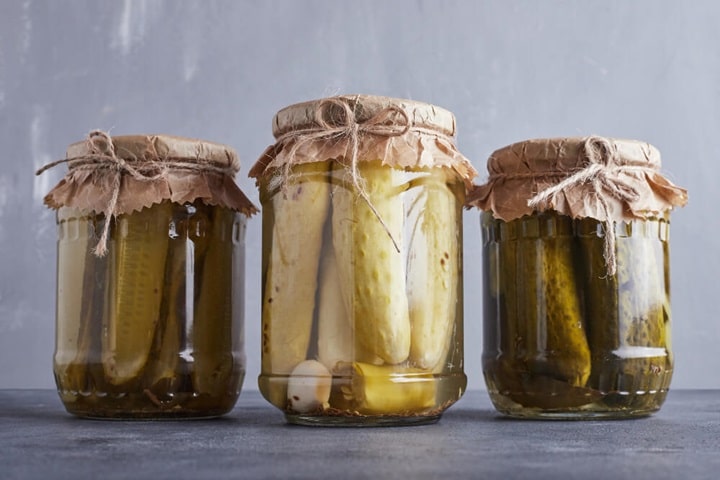
Lacto-fermented pickles, unlike their vinegar-soaked cousins, rely on salt and time. Cucumbers, courgettes, carrots, and even beans can all be submerged in a brine (usually around 2–3% salt by weight), spiced with herbs or garlic, and left to bubble away at room temperature.
The beauty of lacto-fermentation lies in its simplicity. No boiling, no canning, no specialist equipment—just good produce, clean jars, and patience. Try pickling gherkin cucumbers grown along your polytunnel trellises, or late-season runner beans for a unique twist.
3. Kimchi
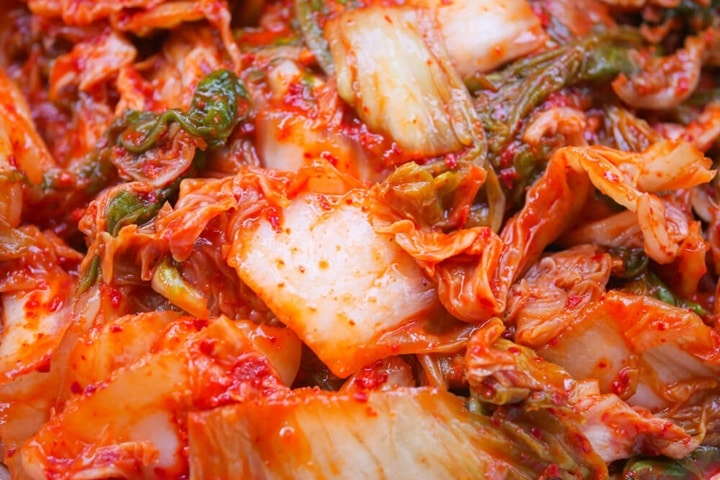
Kimchi is a spicy Korean ferment typically based on Napa cabbage, but UK growers can substitute Chinese cabbage or even regular white cabbage. Other essential ingredients—like garlic, ginger, chilli, and daikon radish—can be cultivated under cover in cooler months.
Kimchi is an excellent way to use gluts, as the recipe is flexible. Add in spring onions, kohlrabi, or even courgette matchsticks. The fermentation period is usually about 1–2 weeks, after which the result is tangy, pungent, and packed with probiotic goodness.
4. Sauerkraut
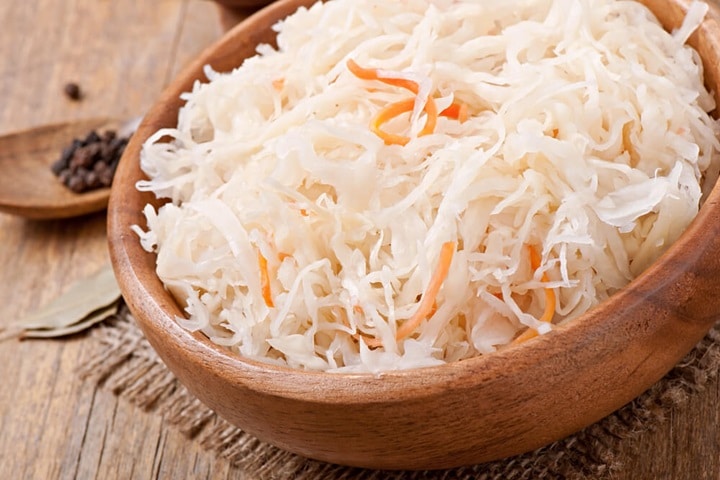
Sauerkraut is possibly the simplest ferment to begin with: just cabbage and salt. Massage the salt into shredded cabbage until it releases liquid, pack tightly into a jar or crock, and allow it to ferment for anywhere from 1 to 4 weeks depending on taste and temperature.
Polytunnels can offer ideal conditions to grow large, firm-headed cabbage varieties for sauerkraut. If you’ve overplanted your brassicas, sauerkraut is the answer—turn a glut into something truly long-lasting.
5. Kombucha

If you’re growing your own tea herbs—such as mint, lemon balm, or chamomile—you can incorporate these into your homemade kombucha blends for flavour. While traditional kombucha starts with black or green tea and sugar, secondary ferments can infuse all manner of garden-grown ingredients.
The ‘SCOBY’ (symbiotic colony of bacteria and yeast) does the magic of turning sweet tea into a tart, fizzy drink over a week or two. Kombucha is a lovely, low-alcohol alternative to beer or wine and is refreshing chilled in the summer months.
6. Fermented Soybeans (Miso/ Natto/ Tempeh…)
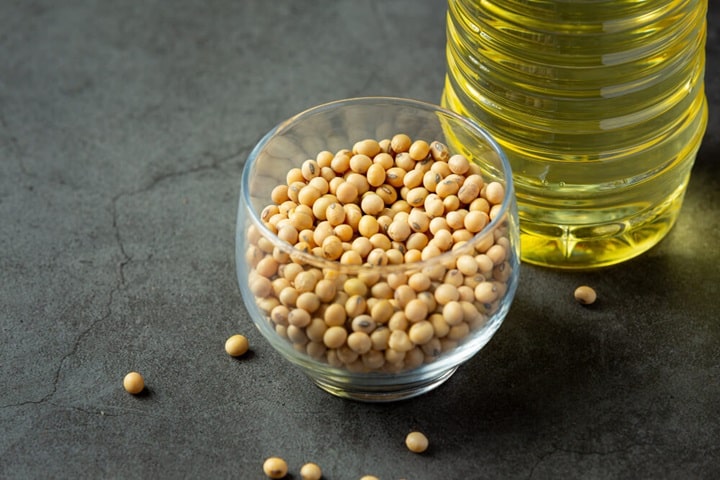
Fermented soy products are a bit more advanced but deeply rewarding. While soybeans aren’t typically the first crop to come to mind for UK growers, dwarf or bush varieties can do well in polytunnels.
Miso, a long-fermented soybean paste, requires koji—a moulded grain that acts as the fermentation starter. Natto and tempeh also need specific cultures, but they’re obtainable online. These foods are protein-rich, full of umami, and can become staples in soups, stews, or served simply with rice.
Even if you don’t grow soybeans, these methods can be adapted to local legumes such as broad beans or peas, creating a more regional spin on traditional recipes.
7. Fermenting Homegrown Grains for Sourdough
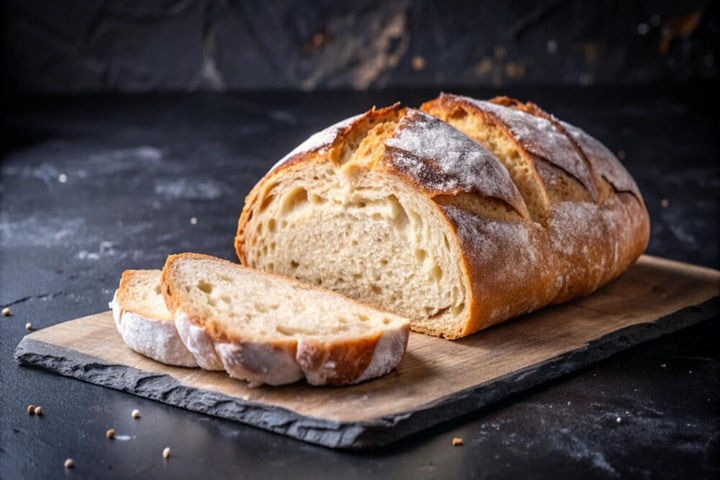
Finally, the joy of baking sourdough from your own grains is hard to beat. Growing grains in a small garden might seem ambitious, but spelt, rye, and wheat can be cultivated on a small scale, especially in polytunnel margins or as a late-season crop.
Once harvested, grains can be ground into flour and used to feed a sourdough starter. This living culture of wild yeasts and bacteria transforms simple flour and water into a bubbling leaven. With regular feeding and care, your starter can live for years—becoming a true part of your household.
The bread made from this process is more digestible and nutritionally robust than most commercial loaves. And when the entire cycle—seed to loaf—happens within your own homestead, the satisfaction is unparalleled.
Fermentation, at its heart, is an expression of patience, curiosity, and trust in nature. For polytunnel growers, it offers an elegant solution to seasonal gluts, a route to greater food independence, and a means of bringing deeper nourishment to the table.
Whether you’re bottling kombucha, packing kraut into jars, or kneading sourdough from homegrown grains, each ferment connects you to the soil, to the microbes that sustain life, and to a slower, more conscious way of eating. It’s a beautiful alchemy—one that transforms not only your food but your relationship with it.
So this season, as your polytunnel begins to burst with possibility, consider how you might not just harvest—but ferment—the bounty.
FAQs
Are all fermented foods probiotic?
Not all fermented foods are probiotic in the strictest sense. While many contain live bacteria at some stage in the process, only those that retain viable, beneficial microorganisms at the time of consumption are truly probiotic.
For example, raw sauerkraut or kimchi stored in the fridge may still contain live cultures, but heat-treated or pasteurised products (such as shelf-stable supermarket versions) often do not.
Similarly, some fermented foods, like sourdough bread or miso used in cooking, have gone through processes that destroy live bacteria—yet they can still offer nutritional and digestive benefits due to prebiotic content or enhanced nutrient availability.
Do you need special equipment to ferment food?
In most cases, no specialist equipment is necessary to get started with fermentation. A few basic kitchen items—clean glass jars, weights to keep produce submerged, and breathable covers—will suffice.
For beginners, a simple mason jar with a loose-fitting lid or cloth cover is perfect for small-batch projects like sauerkraut or pickles.
That said, purpose-made fermenting crocks, airlock lids, or fermentation kits can make the process more convenient and reduce the chance of contamination. These tools are optional but helpful as you delve deeper into the craft.
What are the best crops to grow in a polytunnel for fermentation?
A polytunnel allows for an extended growing season and more diverse crops—perfect for fermentation.
Leafy greens like cabbages and Chinese leaves are ideal for sauerkraut and kimchi. Root vegetables such as radishes, carrots, and turnips ferment beautifully, as do cucumbers and beans for pickles.
Fruits like apples and plums can be turned into vinegar, and herbs (e.g. mint, lemon balm) add lovely flavour to kombucha. Even legumes like soybeans or broad beans can be fermented into tempeh or miso with the right cultures.
Do I need to peel or cook polytunnel vegetables before fermenting?
In most cases, peeling or cooking isn’t required. Raw vegetables are ideal for lacto-fermentation, as their natural bacteria contribute to the process. Just wash thoroughly to remove soil and debris. The skins of organically grown vegetables often harbour beneficial microbes.
However, dense or bitter-skinned veg like aubergines may benefit from light cooking or peeling, depending on the recipe. Always follow specific fermentation guidelines for each ingredient to ensure safety and success.
Sources
Geall, L,. (2025) 6 easy ways to incorporate more fermented foods into your diet. Stylist. [online] Available at: https://www.stylist.co.uk/fitness-health/nutrition/how-to-eat-more-fermented-foods/960109






