

While sunflowers bring many benefits to their growing environment, caring for them comes with its unique set of challenges that many gardeners are unprepared for…
Are you growing sunflowers in a polytunnel? Sunflowers are a staple of British gardens, blooming and blossoming in the summer with their golden yellow leaves catching the sun day after day. Unfortunately, sunflowers are very susceptible to a number of pests and diseases that many gardeners end up underestimating and can lead to the swift decay of these beautiful flowers that require a lot of upkeep. In this article, we will discuss the pros and cons of growing sunflowers, and the various problems with sunflowers that you can expect when cultivating these plants.
Key Points:
- Identify common pests like sunflower beetles and moths and learn preventive measures.
- Recognise symptoms of diseases such as rust and verticillium wilt.
- Understand the conditions that could prevent sunflowers from blooming.
- Learn practical tips for better planting and care.
Pros of Growing Sunflowers
Growing sunflowers can be a truly rewarding experience, brightening up your garden with a splash of vibrant colours. But, what exactly are the benefits of inviting these sunny blossoms into your backyard? Here’s a breakdown of the pros of growing sunflowers:
1. Architectural and Aesthetic Benefits
Sunflowers are not just pretty faces in the garden; they’re structurally beneficial too. They can grow up to a height of 5-12 feet. They also offer vertical interest and create dappled shade that supports the growth of other sunflower companion plants which thrive under partial sunlight.
Moreover, a row of these majestic plants can serve as a natural screen, concealing less attractive areas like compost bins or plain walls. Are there rats in your compost bins? Learn how to prevent them now.
2. Natural Pollinators and Pest Control
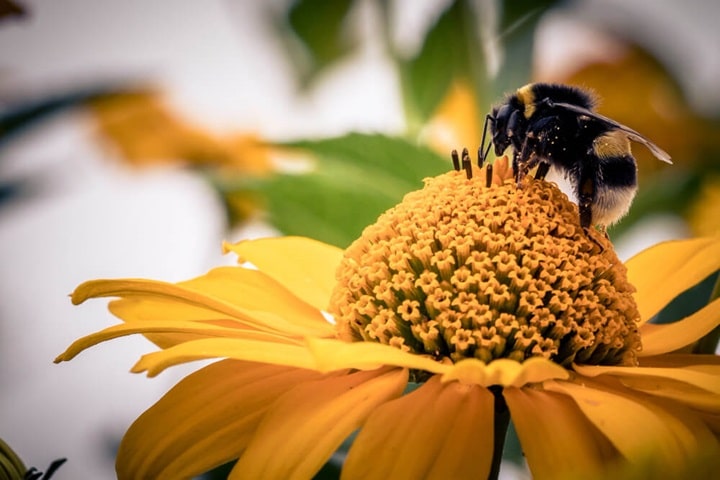
The vivid hues of sunflowers do more than just catch the eye; they naturally attract some of nature’s best pollinators, including bees (honeybees and bumblebees) and birds. Bees will not only enjoy the nectar from sunflowers but also help pollinate other plants in your garden.
Additionally, the presence of birds drawn to the seeds helps control insect populations naturally. Interestingly, sunflower seeds produce substances that discourage weed growth, adding to their value in managing garden ecosystems.
3. Environmental Impact
Sunflowers are eco-warriors in their own right. Their roots have the remarkable ability to detoxify soils by pulling out heavy metals such as lead and arsenic, making them invaluable in areas affected by soil contamination.
This phytoremediation capability is complemented by their allelopathic properties, where they release chemicals that suppress the growth of competing plants, thus naturally reducing weed populations.
4. Edible Properties
Furthermore, sunflowers aren’t just for show. They produce seeds that are both edible and nutritious, providing a healthy snack for you and local wildlife. Sunflower roots also can help in detoxing heavy metals found in the soil (arsenic, cadmium, chromium, copper, lead, manganese, and zinc).
The seeds’ high oil content also has various uses, from cooking to cosmetic products, hence why you will likely have a bottle of sunflower oil in the kitchen. However, is sunflower oil truly healthy?
Managing Pests in Sunflower Gardens

Preventing pests around your sunflowers (and other crops for that matter) is pivotal towards maintaining the health and welfare of them.
- Sunflower Beetles: These beetles prefer the foliage of younger plants, where they can cause significant damage to the first true leaves. While older sunflowers might tolerate minor beetle activity, young plants are particularly vulnerable.
- Cutworms: Cutworms target the leaves of young sunflowers, creating notches or holes that can lead to wilting. This pest is particularly destructive in large numbers, often requiring intervention to protect the plants.
- Sunflower Borers and Stem Maggots: These pests burrow into sunflower stems, disrupting the plant’s ability to transport nutrients and water, which can quickly lead to the death of parts or the entire plant.
- Sunflower Moths: Among the most harmful, these moths lay eggs in the flowers. The emerging larvae then feed inside the flower heads, potentially destroying the sunflower.
- Grasshoppers: They nibble on the foliage and, in large numbers, can defoliate sunflowers, although they are typically less of a threat compared to other pests.
Strategies for Prevention and Control
Effective pest management in sunflower plants involves preventative, active, and actionable measures.
For example, keeping the garden area clean of weeds and debris can significantly reduce pest populations.
Additionally, planting sunflowers later in the season (June or July) can help avoid peak pest periods.
For those preferring non-chemical solutions, organic insecticides, such as Bt (Bacillus thuringiensis), offer a safer alternative to broad-spectrum insecticides.
Sunflower Disease Problems
Sunflower growing problems aren’t limited to pests; diseases and blooming issues can also affect these vibrant plants. Sunflowers are, after all, relatively hardy plants but can easily fall victim to diseases like rust, verticillium wilt, and powdery mildew, which present as discolored spots or patches on leaves.
The most severe is Sclerotinia stem rot, or white mould, which causes sudden wilting, stem cankers, and potential death of the plant. Implementing crop rotation and managing irrigation properly can prevent these diseases from occurring.
Bloom Failures
A particularly disheartening issue is the failure of sunflowers to bloom, which can be caused by several factors:
- Insufficient Light: Sunflowers need full sun to thrive and produce flowers.
- Nutrient Imbalance: Excessive nitrogen can promote leaf growth at the expense of blooms, whereas insufficient phosphorus can hinder flower development.
- Pruning Mistakes: Incorrect pruning may accidentally remove flower buds, preventing your sunflowers from being able to bloom properly.
To encourage healthy blooming, ensure sunflowers receive plenty of sunlight by positioning them away from shade-casting structures. Use a phosphorus-rich fertiliser to support flower development and avoid high-nitrogen fertilisers that favour foliage growth.
Be sure to prune your sunflowers correctly as well — either after blooming or during dormancy—to avoid damaging new buds. Learn more in our guide on growing sunflowers.
Bud Drops
Bud drop is a common frustration among sunflower growers, often leaving them unaware as to what may have caused it. Here are a few reasons why this might occur:
- Inconsistent Watering: Both overwatering and underwatering can stress sunflowers, leading to bud drop. The key is to maintain a consistent watering schedule that keeps the soil moist but not waterlogged.
- Pests and Diseases: Aphids and other pests, along with diseases that target the buds, can weaken the plants and cause the buds to fall off prematurely.
To prevent bud drop in sunflowers, consider the following tips:
- Establish a Regular Watering Routine: Allow the top inch of soil to dry out before watering again to ensure optimal moisture levels.
- Pest Management: Regularly check for pests and manage them using safe methods like water sprays or insecticidal soaps.
- Integrated Pest and Disease Management: Combine cultural, biological, and chemical methods to protect your sunflowers effectively.
Flower Formations
Abnormal blooms can be impacted by a variety of factors, including genetic issues, environmental stress, and improper care. Here’s how to address these concerns:
- Opt for sunflower types that are known for their resilience to environmental stressors.
- Adjust water, light, and nutrient levels to meet the specific needs of your sunflowers. Monitor environmental conditions and make necessary adjustments.
- If pollinators are scarce, manually transfer pollen using a small brush to improve flower development. This should be done in the morning when flowers are most receptive.
Sunlight and Flowering
Sunflowers thrive under the right conditions, particularly when they receive enough light and nutrients.
- Sunflowers require a minimum of six hours of direct sunlight per day to flourish. If natural sunlight is insufficient, especially in regions with shorter daylight hours, artificial grow lights can be a helpful supplement.
- Too much or too little sunlight can be detrimental. It’s essential to find a balance to prevent issues such as scorching or lackluster blooms.
Essential Nutrients for Healthy Sunflower Blooms
- Phosphorus (P): This nutrient is vital for root growth and bloom development. Ensure your sunflowers get enough phosphorus, especially during the flowering stage.
- Potassium (K) and Nitrogen (N): While potassium supports overall plant health, nitrogen should be balanced carefully. Excessive nitrogen can promote leaf growth at the expense of flowers. As the blooming phase approaches, switch to a fertiliser higher in phosphorus compared to nitrogen and potassium, such as a 2-3-1 N-P-K ratio.
Weighing the Pros and Cons of Growing Sunflowers

While there are undeniable challenges in growing sunflowers, such as managing sunflower problems and maintaining their growing conditions, the aesthetic and environmental benefits they bring can make these efforts worthwhile. Sunflowers not only beautify your garden but also contribute to biodiversity by attracting pollinators. The decision to grow sunflowers ultimately depends on personal preference and gardening goals, but with the right care, the rewards can far outweigh the challenges.
FAQs
What do overwatered sunflowers look like?
Overwatered sunflowers typically display drooping leaves that may appear overly saturated and limp. You might also notice the leaves turning yellow or developing brown, mushy spots. The base of the stem may become soft or swollen, which is a clear indication of excessive water.
What is the most common pest in sunflowers?
The most prevalent pest affecting sunflowers is the sunflower beetle. These beetles, particularly in their larval stage, feed on the leaves, creating holes and potentially defoliating the plant if the infestation is severe.
What are the environmental impacts of growing sunflowers?
Sunflowers can have both a positive and negative impact on the environment:
Positive Impact: They can improve soil health by extracting harmful toxins and heavy metals from the soil. Sunflowers also support biodiversity by attracting a variety of pollinators.
Negative Impact: Sunflowers can be allelopathic to nearby plants, potentially harming the growth of other species due to the substances they release into the soil. They can also become invasive in some regions, outcompeting native plants.
Sources
Gillette, B., (2024) 22 Best Companion Plants for Sunflowers (and What Not to Plant Nearby). The Spruce. [online] Available at: https://www.thespruce.com/sunflower-companion-plants-8638041 [accessed 10/03/2025]
Tilley, N., (2021) Allelopathy In Plants: What Plants Suppress Other Plants. Gardening Know How. [online] Available at: https://www.gardeningknowhow.com/garden-how-to/info/allelopathic-plants.htm [accessed 10/03/2025]
Sudhakar, S., (2024) Is sunflower oil healthy? Yes, just follow this 1 rule, dietitians say. Today. [online] Available at: https://www.today.com/health/diet-fitness/is-sunflower-oil-healthy-rcna185027 [accessed 10/03/2025]