

House plants are a brilliant way to bring nature into your home. But what are the true benefits of houseplants, aside from their interior allure? Find out now in this article!
Plants can be added to any and all spaces, and not just to your garden, greenhouse, or polytunnel, but inside each room of your home, too. If you have not already considered adding plants to your home (houseplants), this article may convince you otherwise, as we delve into the benefits of houseplants, and answer the question on why houseplants are good for you. From the popular Aloe Vera to lesser known plants such as the Boston Fern, there is a wide variety of houseplants to explore here…
Psychological and Physical Benefits of Houseplants
House plants offer a range of mental and physical health benefits that can transform any indoor space into a more calming and productive environment:
Psychological Benefits:

- Mood: Regular exposure to indoor plants can elevate mood levels.
- Stress: The presence of greenery helps lower stress, providing a tranquil setting at home or work.
- Boost in Productivity: Incorporating plants in office spaces has been shown to increase worker productivity.
- Improved Attention Span: Studies indicate that plants can enhance attention spans in some settings.
- Increased Pain Tolerance: In hospital environments, patients have demonstrated higher pain tolerance when rooms are adorned with plants.
Physical Health Benefits:

- Lower Blood Pressure: Interaction with indoor plants has been linked to reduced blood pressure.
- Reduction in Headaches and Fatigue: A reduction in headaches and fatigue thanks to indoor plants, by up to 25%.
- Decreased Postoperative Pain: When added to surgeries, patients report less postoperative pain when their recovery room contains plants.
- Minimal Side Effects: Exposure to house plants shows very few negative effects, with rare reports of skin or respiratory issues.
Top 17 Indoor Plants With The Best Benefits
Now let’s look at the best indoor plants that bring the best benefits, especially for mood, air quality, and relaxation:
1. Aloe Vera

Aloe Vera is a renowned indoor plant known for its easy care and profound health benefits. Native to the Arabian Peninsula, this succulent is celebrated for its antioxidant, antibacterial, and anti-inflammatory properties. Aloe Vera not only beautifies your space but serves practical health uses such as treating burns, psoriasis, acne, and even speeding up recovery from mouth ulcers.
- How to Use: Break off a piece of the leaf and apply the gel directly to the skin for soothing relief. Always consult your doctor if you have allergies.
- Care Tips: Thrives in indirect sunlight and requires watering only when the soil dries out slightly. Brown leaves may indicate too much sunlight or chemical exposure.
2. Spider Plant

The Spider Plant, or Chlorophytum comosum, is an adaptable and low-maintenance choice for beginners. Known for its ability to purify air, it effectively removes up to 95% of toxic formaldehyde.
- Care Tips: Spider plants require minimal attention, thriving in indirect light and needing only occasional watering.
3. Peace Lily

The Peace Lily is a striking plant that offers more than just visual appeal. Its ability to remove air toxins and improve humidity makes it a beneficial addition for better breathing and a healthier living environment.
- How to Use: Ideal for dry areas to boost humidity or as a decorative element throughout the home.
- Care Tips: Prefers shade and needs to be kept moist, but be cautious of overwatering.
4. Dragon Tree
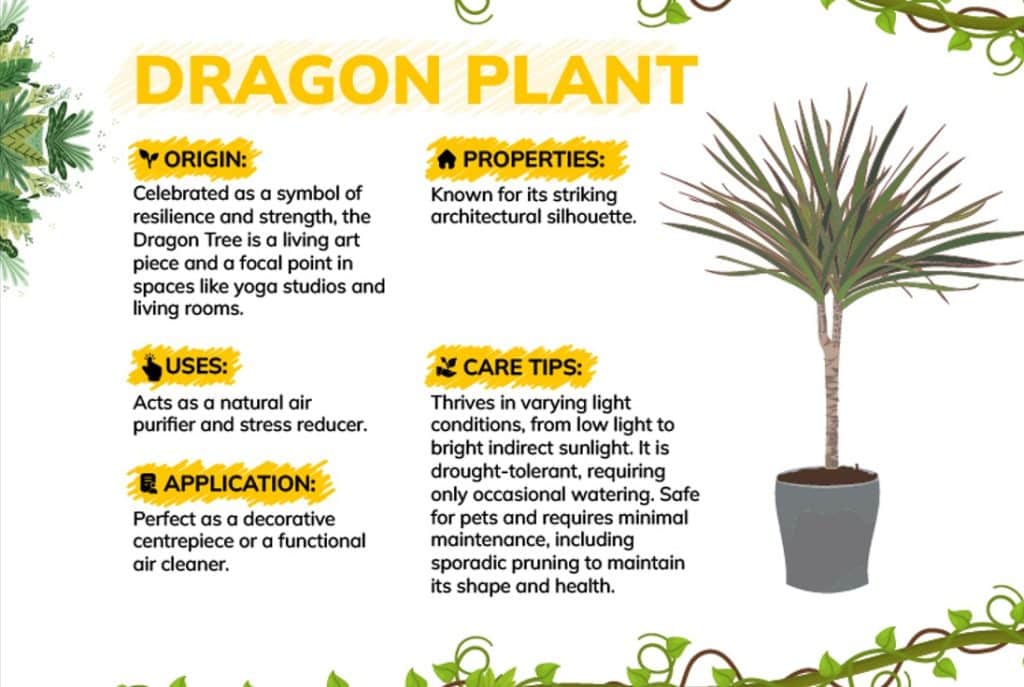
The Dragon Tree stands out with its architectural appearance and resilience. It purifies the air by removing harmful chemicals like formaldehyde and benzene and is incredibly low-maintenance, making it perfect for busy or forgetful plant owners.
- Health Benefits: Known to reduce stress and improve air quality.
- Care Tips: Adapts to various lighting conditions and requires minimal watering. Non-toxic and safe for pets.
- Choosing a Dragon Tree: Available in diverse varieties, from classic to exotic, ensuring there’s a type to suit any interior design style. Learn more in our guide on how to grow a dragon fruit plant.
5. Snake Plant

The Snake Plant, known affectionately as mother-in-law’s tongue, is a staple in the indoor plant community due to its robust air-purifying qualities. Native to tropical West Africa, it emits oxygen at night, making it ideal for bedroom placement to improve air quality and promote better sleep.
Notably, it also eliminates harmful toxins such as formaldehyde, trichloroethylene, and benzene from the environment.
- How to Use: Position the Snake Plant in your bedroom or any room to cleanse the air effectively.
- Care Tips: This low-maintenance plant thrives in indirect sunlight. Water only when the soil is completely dry, ensuring minimal upkeep.
6. Dandelion

Often dismissed as a mere weed, the Dandelion is a powerhouse of nutritional and medicinal benefits. Rich in beta-carotene, it aids in reducing cholesterol levels, boosting the immune system, and supporting liver detoxification.
- How to Use: Dandelion roots can be brewed into tea, while the leaves make a nutritious addition to salads or cooked dishes.
- Care Tips: Dandelions require no intentional planting or care, thriving naturally in gardens and parks.
7. Rubber Plant

The Rubber Plant is not only visually striking but also serves as an effective air purifier. Known for its ability to remove airborne toxins, it’s a popular choice for indoor settings.
- How to Use: Keep the Rubber Plant in living areas to improve air quality and add a touch of green elegance.
- Care Tips: Water weekly, ensuring the soil is allowed to dry between waterings. Place in a location away from pets and children due to its toxic properties.
8. Cast Iron Plant

The Cast Iron Plant is celebrated for its durability and air-purifying capabilities. It excels in low-light conditions and requires minimal care, making it perfect for those new to indoor gardening or those with busy lifestyles.
Benefits of a cast iron plant include:
- Air Purification: Effectively cleanses indoor air pollutants, enhancing the breathing environment.
- Low Maintenance: Thrives with infrequent watering and minimal light, enduring where other plants might falter.
- Longevity: Known for its durability and resistance to pests, it’s a long-term addition to any home.
- Cultural Significance: In Feng Shui, it symbolises prosperity, adding not only greenery but also positive energy to your space.
- Care Tips: Water only when the soil is dry to the touch and provide only minimal fertiliser. Prune occasionally to maintain its neat appearance.
9. Rosemary

Rosemary is not just a culinary delight but also a powerhouse of health benefits. Native to the Mediterranean, this woody herb is renowned for its ability to increase memory and improve concentration, thanks to its rich antioxidant and anti-inflammatory properties. It’s also believed to boost the immune system and improve blood circulation.
- How to Use: Incorporate Rosemary sprigs to infuse oils, enhance drinks like lemonade, or create aromatic salts.
- Care Tips: Rosemary thrives in abundant light and requires dry conditions before watering. Pruning is essential in spring and post-flowering to maintain vitality.
Learn more about rosemary in our guide on how to grow rosemary in a polytunnel.
10. Elephant Ear Plants

Known for their large, heart-shaped leaves, Elephant Ear Plants make a dramatic statement in any space. These tropical perennials require a bit more care due to their size and the need for consistent moisture.
- Health Benefits: Beyond their visual appeal, some species are known for edible qualities and medicinal uses, such as treating insect stings.
- Care Tips: Provide bright light and regular watering to keep the soil moist. These plants may need extra space as they grow.
11. St. John’s Wort
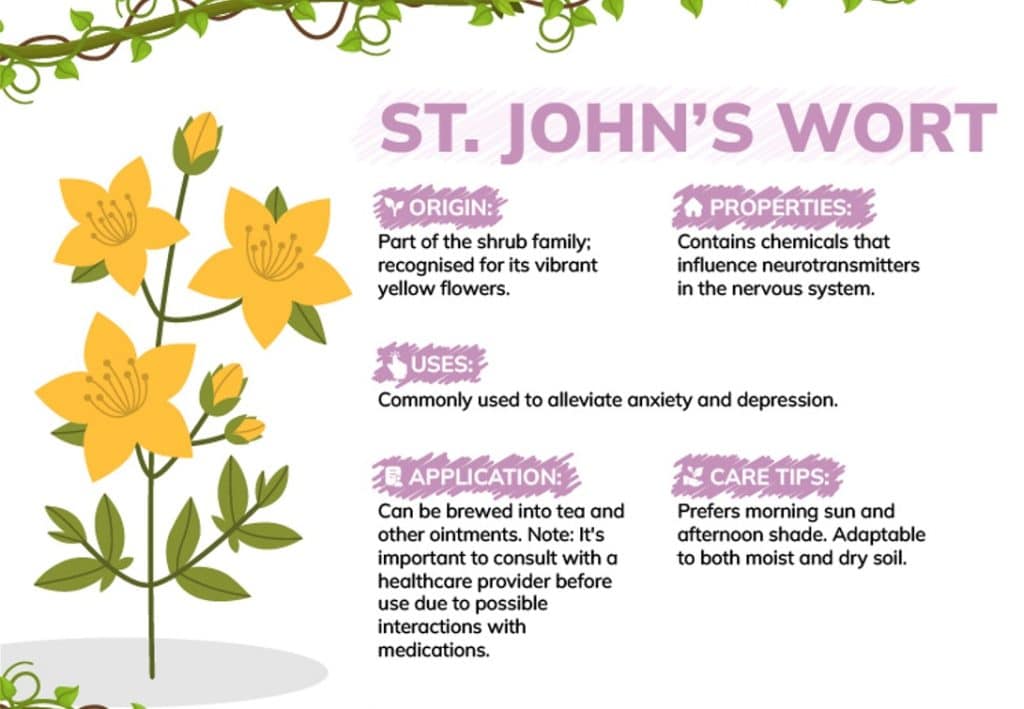
St. John’s Wort is highly regarded for its mood-regulating properties. This attractive shrub with yellow flowers contains compounds that may help alleviate symptoms of depression and anxiety.
- How to Use: Brew the flowers as tea or use them topically as an ointment. Always consult healthcare advice before use, especially when considering interactions with medications.
- Care Tips: Plant in locations that receive morning sun and afternoon shade. St. John’s Wort adapts well to both moist and dry soils.
12. Boston Ferns
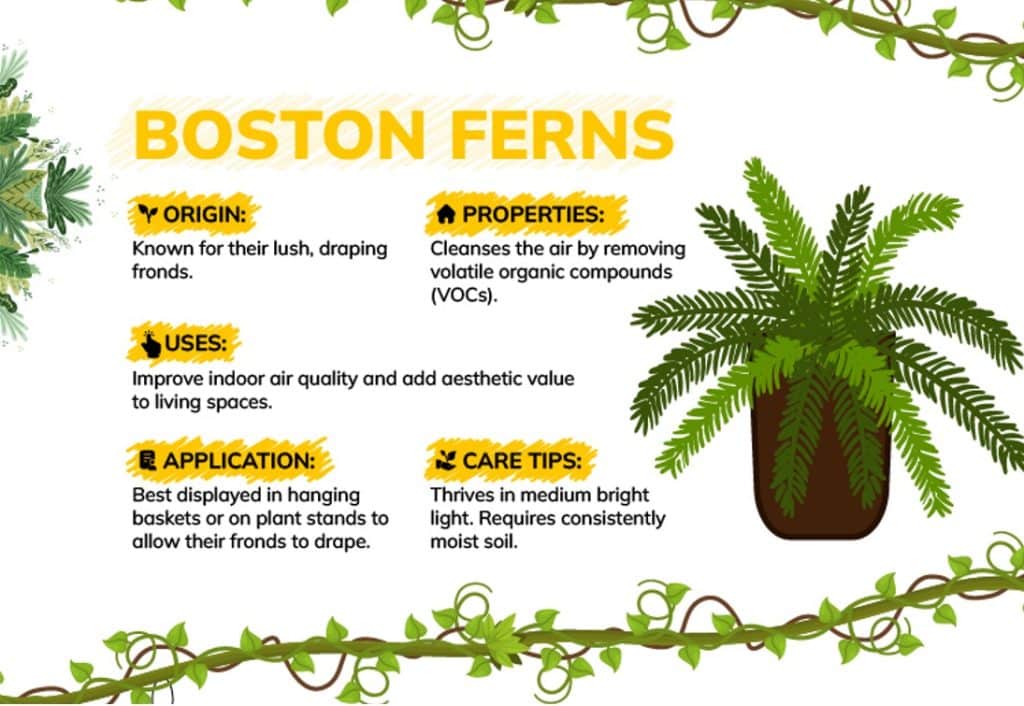
Boston Ferns excel in removing volatile organic compounds (VOCs) from the air, making them ideal for indoor air purification. A study highlights their effectiveness, positioning them as top performers in air cleaning.
- Care Tips: These ferns thrive in medium bright light and need consistently moist soil. They are best displayed in hanging baskets or on high plant stands to allow their fronds to drape elegantly.
13. English Ivy

English Ivy, with its climbing ability and impressive height potential, is also a champion of air purification. It tackles mould particles and improves overall air quality, which can aid those with respiratory issues like asthma.
- How to Use: Ideal for higher placements in bedrooms to assist with respiratory challenges during sleep.
- Care Tips: Grows best under fluorescent light, away from direct sunlight, ensuring the soil remains moist but not waterlogged.
14. Pothos

Pothos, or Epipremnum pinnatum, often called devil’s ivy, is one of the most versatile and low-maintenance indoor plants. With its heart-shaped, marbled leaves, it adds a splash of green to any space. They also play a crucial role in improving indoor air quality. Pothos plants are known for their ability to reduce ozone levels and volatile organic compounds (VOCs), making the air healthier to breathe and helping to lower the risk of respiratory issues.
- Care Tips: Thrive in indirect sunlight and require water only when the soil dries out, making them ideal for busy individuals or those new to plant care.
15. Marigold
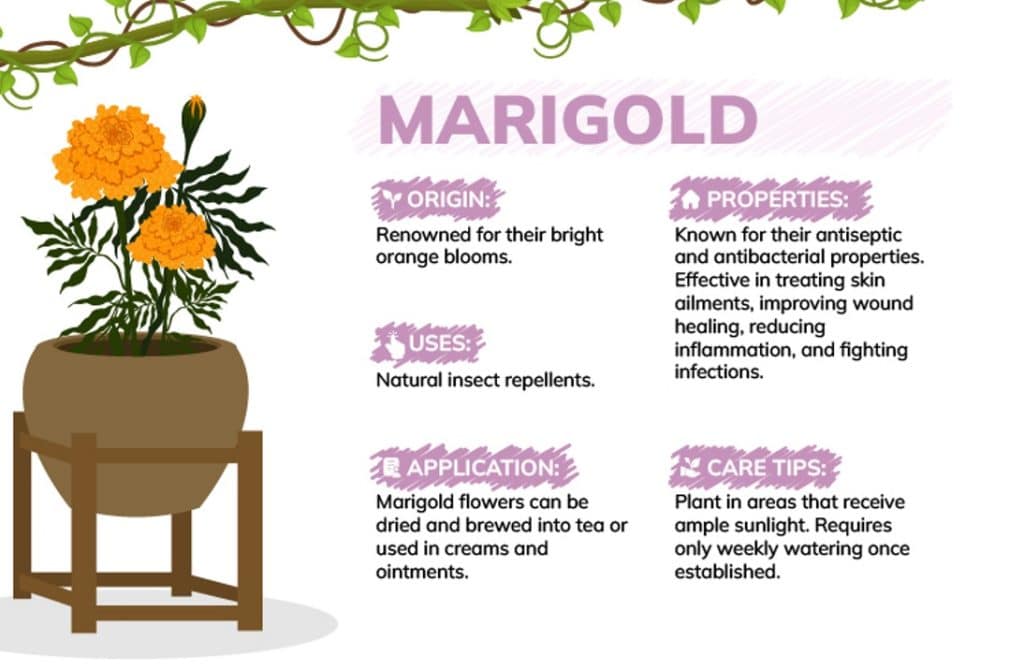
Marigolds are celebrated not only for their vibrant orange blooms but also for their medicinal properties. Known for their antibacterial and antiseptic qualities, marigolds can improve wound healing and reduce inflammation. They are also a natural insect repellent, making them beneficial for both indoor and garden settings.
- How to Use: Dry the flowers to make tea or create topical ointments and creams.
- Care Tips: Marigolds are sun-loving plants that need regular watering once a week after they are established, easy to maintain and quick to flourish.
16. Succulents and Cacti

Succulents and cacti are perfect for those who prefer plants that require minimal attention. These drought-resistant species need watering only when the soil is completely dry.
They come in various shapes and sizes, adding unique textures and colours to your home décor. Some, like the jade plant, can even aid a room’s humidity, while aloe vera is known for its skin-healing properties.
17. Herbs
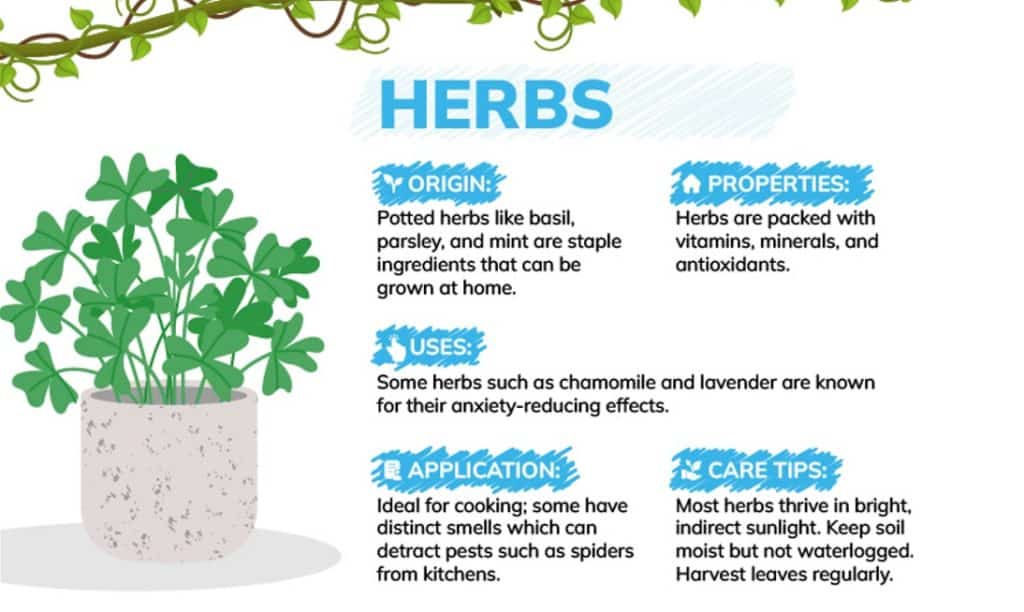
Growing herbs indoors, such as basil, parsley, and mint, not only decorates your kitchen but also encourages a healthier cooking lifestyle. Herbs like chamomile and lavender can help reduce anxiety. These small potted plants are rich in vitamins, minerals, and antioxidants, enhancing your meals both nutritionally and aesthetically.
- Benefits of growing herbs indoors: Beyond their culinary use, herbs can enhance indoor air quality and contribute to a soothing environment, reducing stress and improving overall well-being.
Plants That May Be Dangerous For Children or Pets
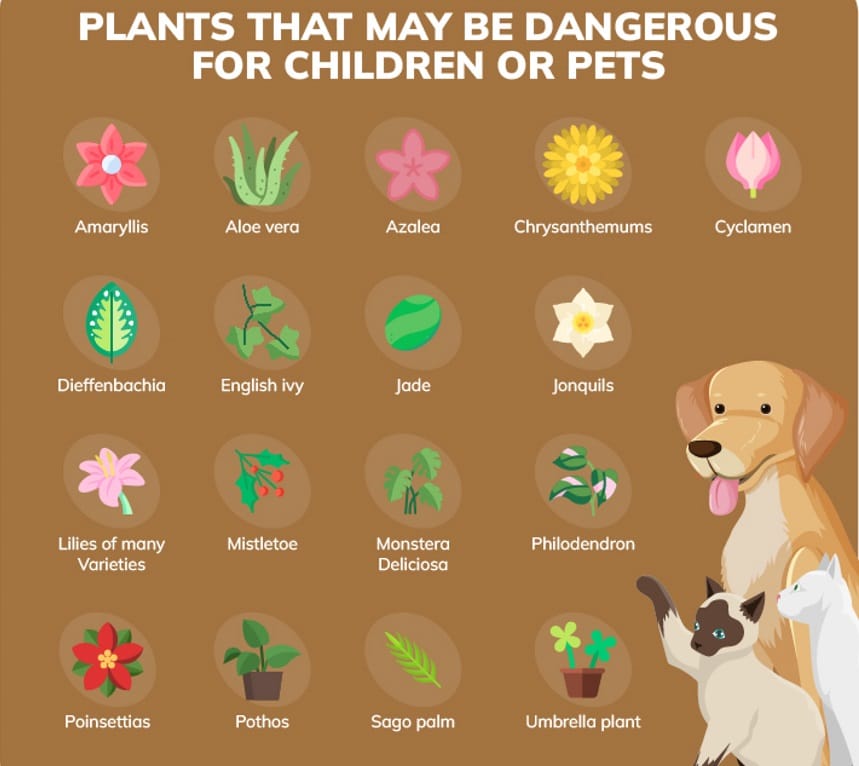
Some plants can be harmful if touched or ingested. Common hazardous plants include:
- Amaryllis
- Aloe Vera
- Azalea
- Chrysanthemums
- Cyclamen
- Dieffenbachia
- English Ivy
- Jade
- Jonquils
- Various Lilies
- Mistletoe
- Monstera Deliciosa
- Philodendron
- Poinsettias
- Pothos
- Sago Palm
- Umbrella Plant
These plants may pose risks due to toxic leaves, stems, or berries, which can be particularly enticing to curious pets and young children.
Can Houseplants Trigger Allergies?
While houseplants are known for improving air quality, they can also be a concern for allergy sufferers. Most indoor plants do not produce significant pollen, which is good news for allergy and asthma sufferers. However, issues may arise from mould, dampness, or fungi in the soil, especially if overwatered or poorly maintained.
If you experience allergy symptoms or respiratory issues after bringing plants into your home, consider assessing the plant’s environment for mould or excess moisture. In cases of severe reactions, it may be wise to remove the plant and consult a healthcare provider.
Benefits of Indoor Plants
As displayed, houseplants offer more than just aesthetic appeal; they contribute significantly to mental and physical health. The act of caring for plants can increase neurotransmitter levels such as dopamine and serotonin, uplifting your mood and reducing stress. Long-term, they improve air quality, which can lessen headaches and dry skin issues, and interacting with their soil can promote a healthier microbiome in your home.
While house plants provide numerous health benefits, they are part of a broader health strategy and not a standalone treatment for medical conditions. Their presence in the home supports a healthier, more vibrant lifestyle.
Stay on top of the trends with the recommended best houseplants of 2024.
FAQs
Are house plants really good for you?
Yes, house plants can be beneficial for you. They improve indoor air quality by absorbing toxins and emitting oxygen, and they can also boost mood, reduce stress, and increase productivity.
Is it good to keep plants indoors?
Yes, keeping plants indoors is good as they help purify the air, improve aesthetic appeal, and can have a calming effect, contributing to a more relaxed and pleasant environment.
Sources
Fuller, T., (2024) The most popular houseplants for 2024. House Beautiful. [online] Available at: https://www.housebeautiful.com/uk/garden/plants/g38733507/popular-houseplants/ [accessed 11/06/24]