

If you want to create an exotic look in your garden, then choosing some spiky plants can be a good way to go. You may be surprised to learn that many spiky plants that are not native to the UK can actually grow rather well here – especially when you have a polytunnel to shelter these more exotic and tender species during the winter months. Read on to learn more about some spiky plants that grow well in the UK:
What are Spiky Plants?
Spiky plants are commonly known for having sharp, pointed leaves or stems, and are often found in arid regions where their prickly nature helps conserve moisture and deter herbivores. Common examples include cacti, agave, and certain succulents.
These plants are not only well adapted to their native habitats but are also popular in home gardens and landscapes for their unique textures and forms. They require minimal water and thrive in well-draining soil, making them excellent choices for low-maintenance gardening.
Their striking appearance adds visual interest and can serve as natural deterrents in garden settings.
With that being said, let’s look at the most popular spiky plants that you can easily purchase in the UK and add to your garden or polytunnel.
1. Eryngium- Popular Spiky Plants

Eryngium is a popular spiky plant that can be grown outside in many UK gardens. They require moisture retentive yet free-draining soil that will not get waterlogged in winter, and a warm position that allows these plants to overwinter successfully.
Choosing the right eryngium for your area is key to success, as some are hardier than others. A polytunnel could allow you to grow these plants into taller and healthier specimens than might usually be possible in your area. When grown outside, most eryngiums will do better in warmer, more southern parts of the UK.
2. Agave Americana
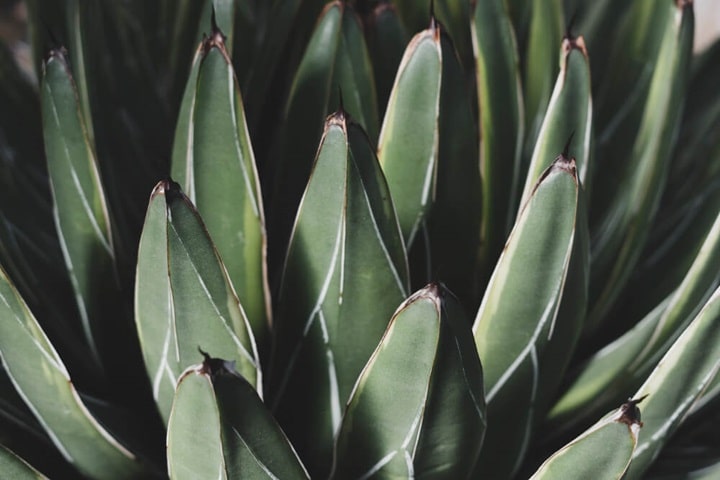
Native to arid parts of the south western US and Mexico, Agave Americana may not seem an obvious choice for the UK. But this spiky plant can be a good choice for an arid area in southern parts of the British Isles, where it could survive with a little protection as part of a drought-resistant garden.
In low-rainfall areas, or where it can be brought into a polytunnel in wetter winter months, Agave Americana can be grown here in the UK.
3. Aloe – Spiky Plants With Purpose
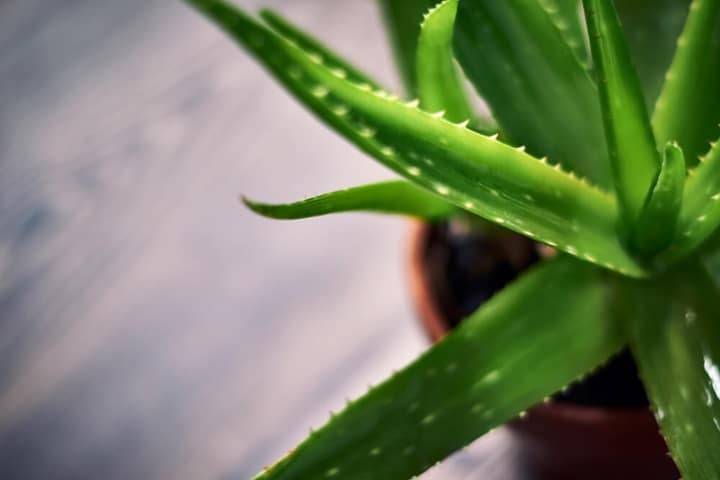
A number of aloes can also be excellent for creating an exotic look in a UK garden.
Aloe vera will need to be kept frost free over the winter, or it will quickly turn to mush. It is often grown inside on windowsills, but could also be kept in a frost-free polytunnel over the coldest and wettest part of the year, as long as it is given a free-draining potting medium and kept dry over winter.
4. Yucca
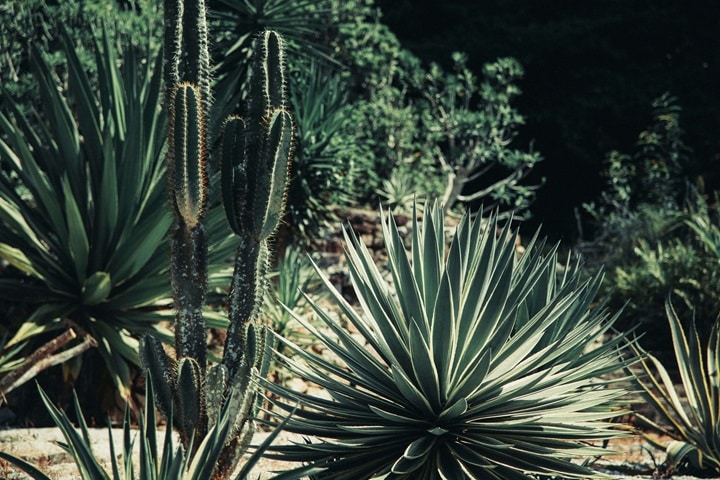
A number of yucca plants are surprisingly hardy, and in many UK gardens these common house plants can actually be grown outside. Yucca glauca, for example, is tough and very hardy. It is tolerant of drought, frost and snow. As long as this plant has excellent drainage and a good, sunny aspect it can find a place here – even in the most northern parts of the UK.
5. Sansevieria Trifasciata
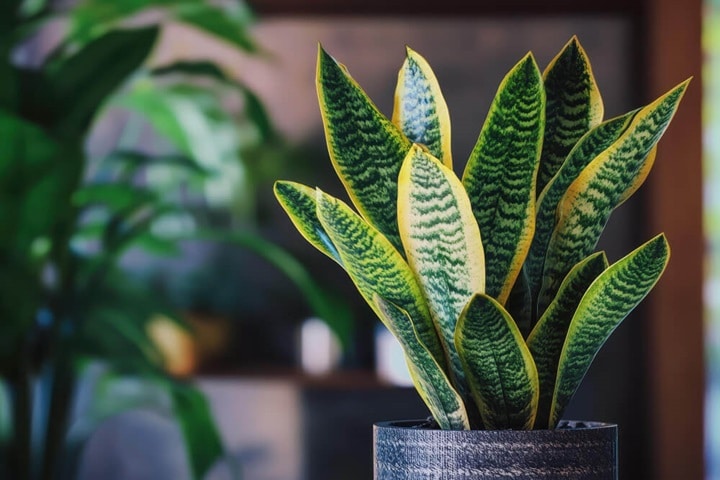
Commonly called ‘mother-in-law’s tongue’ or a snake plant, these spiky plants are a common houseplant. But they can also be grown outside in a sheltered, frost free environment in full sun, if they are protected from the wet weather in the winter.
Moving these plants from a spot in your garden into a polytunnel during the winter months can be an ideal way to ensure that your plants survive. One of the great things about these plants is that they are generally low maintenance, and disease free.
6. Haworthia
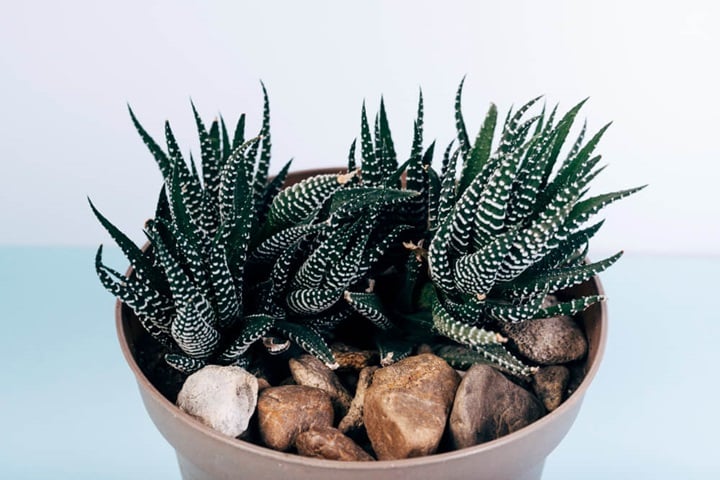
There are also several Haworthia species that can be planted and grown in gardens in the UK. Haworthia fasciata, for example, is a small, half-hardy succulent that is drought tolerant and which is ideal for planting outside during the summer and bringing into a polytunnel during the winter months.
7. Opuntia – A Hardy Cacti – King of Spiky Plants
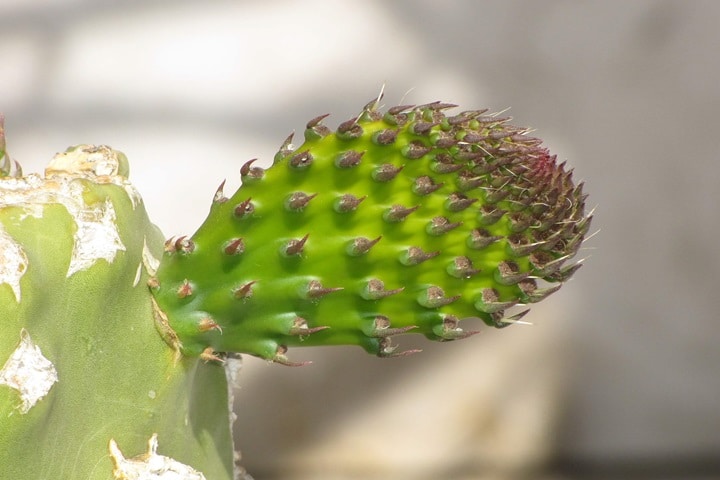
You may be very surprised to learn that you can even grow cacti outside in the UK. Some, like Opuntia pottsii, are even hardy year round, providing they are given the right conditions (excellent drainage, with little or no organic matter in the substrate) and kept dry. Though they can survive the temperatures, a rain-shelter (or polytunnel) is advisable over the wettest months.
Maihuenia poeppigii, Notocactus and Echinopsis are three other types of cacti that could be grown in a UK garden in the summer months, before being transplanted into a polytunnel or other undercover structure over the winter.
8. Trachycarpus Wagnerianus
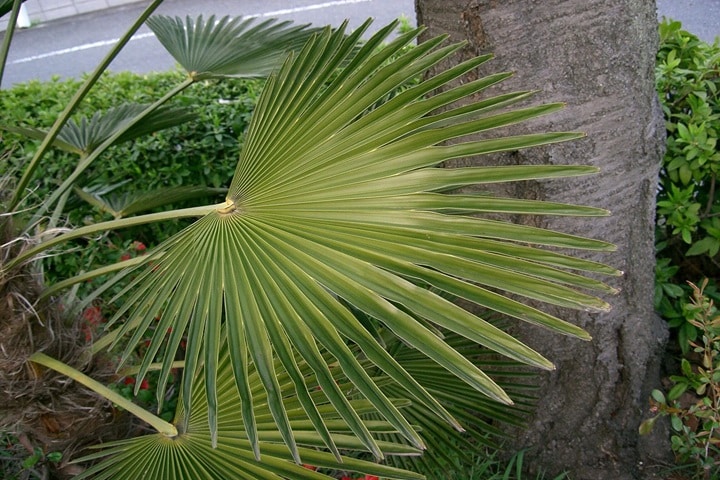
Trachycarpus Wagnerianus, a variant closely related to T. fortunei, has been cherished by Japanese gardeners for many years for its tidy and structured appearance. The species was introduced to the UK in 1873 by Albert Wagner, which is reflected in its name, and has become increasingly popular ever since.
This type of palm is unusually tolerant of windy conditions, although it might struggle in relentless coastal winds. It thrives in wooded environments and sports spiky, fan-shaped leaves. The plant requires well-drained soil and needs to be watered carefully right after planting, but becomes quite low-maintenance once established.
Visually, it stands out with its compact, dark green leaves that fan tightly together, growing from a shaggy trunk that can reach over 5 meters tall. While it adapts well to container life better than some of its relatives, it flourishes when planted directly in the ground.
These are just some of the spiky plants that you could consider growing in a UK garden to give it a more
exotic look. Combining these with other non-native plants can allow you to create the feel of a much warmer and drier climate in your garden and whisk you off to more subtropical or tropical climes.
Did you know that you can grow many of these spiky plants indoors? Learn about the benefits of house plants in our detailed guide.
FAQs
What are some common types of spiky plants?
Common spiky plants include cacti, agaves, aloe, yuccas, and certain varieties of holly. These plants are often prized for their unique appearance and drought tolerance.
How do you care for spiky plants?
Care for spiky plants generally involves providing plenty of sunlight, minimal watering, and using well-draining soil. It’s important to allow the soil to dry out between waterings to prevent root rot.
Can spiky plants grow indoors?
Yes, many spiky plants, especially smaller cacti and succulents, thrive indoors with sufficient light. South-facing windows are typically ideal for providing the bright, direct light these plants need.
What are the benefits of having spiky plants in your garden?
Spiky plants can deter animals and intruders due to their sharp edges, making them useful for boundary plantings. They also require less maintenance and water than many other plants, making them environmentally friendly garden choices.
Sources
Waxler, A., (2023) Repotting Snake Plants: The Complete How-To Guide. Cultiv8ed. [online] Available at: https://cultiv8ed.co.uk/snake-plant-repotting-the-complete-how-to-guide/ [accessed 20/09/24]
Trachycarpus wagnerianus. (2013). Missouri Botanical Garden. [online] Available at: https://www.missouribotanicalgarden.org/PlantFinder/PlantFinderDetails.aspx [accessed 20/09/24]