

You do not need a large garden to grow a meaningful amount of food. With the right design, even the smallest space can become surprisingly productive. I have worked with many small gardens, balconies, and compact plots over the years, and the pattern is always the same. Success does not come from having more space. It comes from using the space you have more thoughtfully. This guide brings together practical, proven small vegetable gardening ideas to help you design your space, choose the right growing methods, and maximise your harvest without becoming overwhelmed.
Key Takeaways:
- Small spaces can be highly productive with the right design
- Vertical growing is one of the most effective ways to save space
- Containers allow flexibility for patios and balconies
- Raised beds improve control and planting density
- Choosing the right crops makes the biggest difference
What Makes a Good Small Vegetable Garden Design?

A successful small vegetable garden design is not about squeezing in as much as possible. It is about creating balance and flow, understanding the strengths, weaknesses, opportunities and challenges of your particular garden.
Focus on the essentials:
- Sunlight comes first
Position your growing areas where they receive the most light. Most vegetables need at least 6 hours a day.
- Efficient use of space
Every area should have a purpose. Use all marginal spaces and edges, avoid wasted corners.
- Easy access
You should be able to reach everything without stepping on the soil.
- Balance productivity and beauty
A garden you enjoy spending time in is one you will care for well.
- Plan before planting
A simple layout sketch saves time, money, and effort later on.
Start with a Simple Layout Plan
Before planting anything, take time to map your space. Even a rough plan makes a big difference. As a sustainable garden designer, I can come in at the early stages and help gardeners create the best plan from the beginning, avoiding mistakes that cost time and money later on. But if you feel confident, you can attempt your own plan too.
A simple step by step approach:
- Observe sunlight patterns throughout the day and determine all the other important factors that determine growing conditions, including wind, water, and soil.
- Divide your space into zones
-
- Growing beds
- Containers
- Paths
-
- Position taller plants carefully so they do not shade smaller crops
- Keep pathways clear and practical
- Avoid overcrowding by allowing space for growth
Even in the smallest garden, structure brings clarity.
If you are considering covered growing, it is worth understanding what is a polytunnel and how it helps small gardens before making layout decisions.
Grow Vertically to Save Ground Space
When space is limited, the simplest solution is to grow upwards and to make the most of the vertical space available as well as the horizontal.
Vertical growing ideas:
- Use trellises, frames, or arches
- Train crops like beans, cucumbers, and tomatoes
- Add wall-mounted supports for balconies
- Grow climbing plants along fences
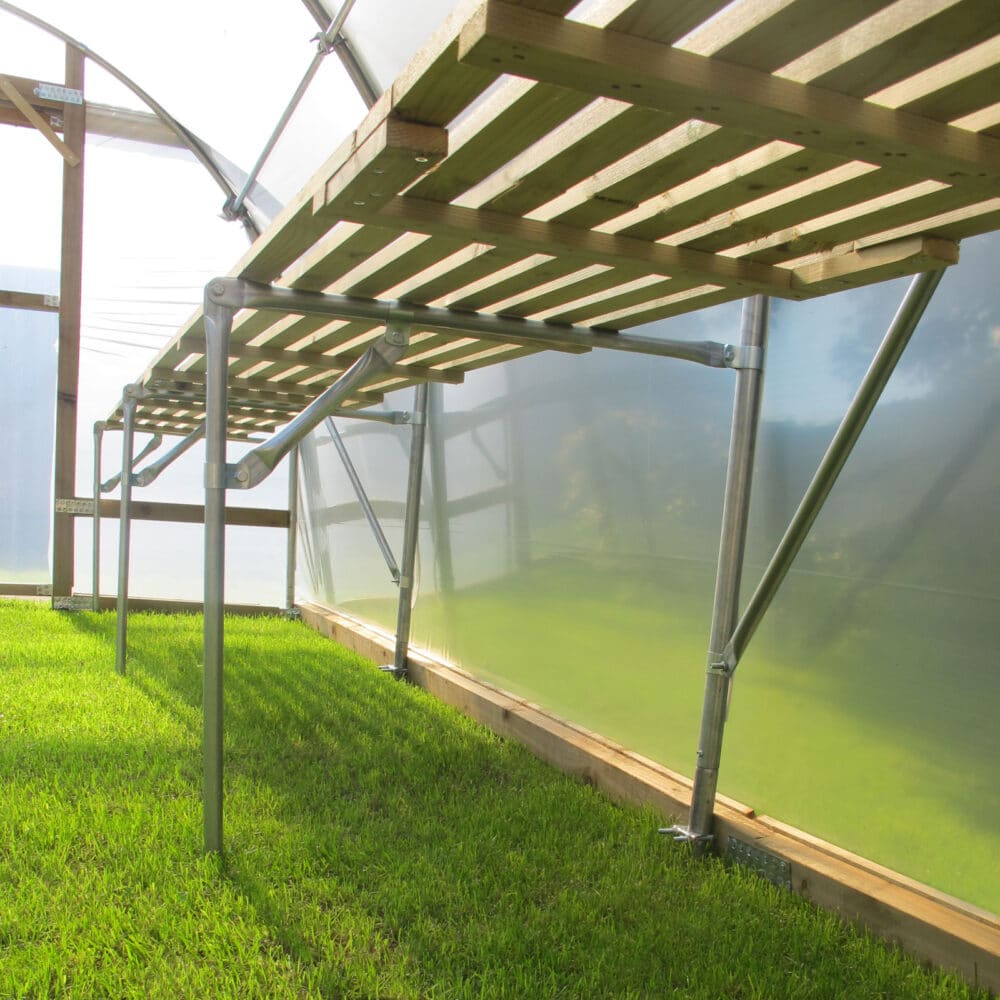
- Use shelving for potted plants
- Create wall-mounted vertical gardens with planting pockets
- Plant within a planting tower or other vertical growing structure.
- Create tiered beds and growing areas.
- Use hanging baskets or other hanging containers.
Why it works:
- Frees up ground space
- Improves airflow around plants
- Makes harvesting easier
Vertical growing also integrates well into structured spaces. You can explore more creative small polytunnel layout ideas if you want to take this further.
Use Containers for Flexible Growing
Containers are one of the most accessible small vegetable gardening ideas, especially for the very smallest polytunnels, patios and balconies.
Container growing checklist:
- Choose pots with good drainage
- Use high-quality compost
- Water regularly as containers dry out quickly
- Match container size to the crop
- Group pots together to retain moisture
Ideal crops for containers:
- Salad leaves
- Herbs
- Tomatoes
- Peppers
- Radishes
Containers allow you to adapt your garden over time. You can move them, rearrange them, and experiment freely.
Build Compact Raised Beds
Raised beds bring structure and efficiency to small spaces.
Why raised beds work well:
- Better soil control
- Improved drainage
- Higher planting density
- Reduced compaction
Tips for small gardens:
- Keep beds narrow enough to reach across
- Use durable materials like wood or stone
- Position beds in full sun where possible
Raised beds also pair well with protected growing setups. For those looking to expand, explore domestic polytunnels for small gardens as a natural next step.
Try Intensive Planting Techniques
Small spaces benefit from growing more in less area.
Techniques to try:
- Square foot gardening
Divide beds into grids and plant efficiently
- Succession planting
Replace crops as soon as they finish
- Cut and come again harvesting
Harvest little and often from leafy crops
Examples:
- Grow lettuce densely and harvest outer leaves
- Follow early radishes with later crops
- Combine fast and slow growers in the same space
These approaches help you maximise yield without expanding your garden.
Choose the Right Crops for Small Spaces
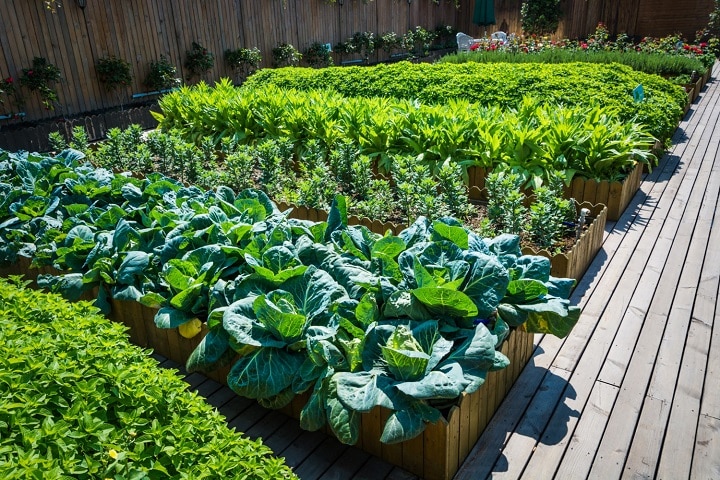
Not all crops suit small gardens.
Focus on:
- Compact varieties
Bush tomatoes, dwarf beans
- High-yield crops
Salad leaves, herbs, courgettes
- Fast-growing crops
Radishes, spinach
Avoid where possible:
- Large sprawling plants
- Crops that take up space for long periods with low yield
Matching crops to your space is one of the most important decisions you can make.
Mix Vegetables into Your Existing Garden
You do not need a separate vegetable plot. If you are short on space, a mini version of a food forest or forest garden can be a wonderful idea for both beauty and abundant yields.
Edible landscaping ideas:
Even in a small space, it is possible to take inspiration from forest gardening. This approach is rooted in permaculture thinking, where plants are layered to mimic natural ecosystems. Instead of growing in rows, you combine different heights and functions in the same space.
In a compact garden, this might look like:
- A small fruit tree or trained espalier form as an upper layer
- Shrubs such as currants or gooseberries beneath
- Herbs and perennial greens at ground level
- Climbers using vertical space
This kind of layered planting helps you grow more food in less space while improving soil health and supporting wildlife. It also creates a more resilient system, where plants support one another rather than compete.
You might also integrate edible plants by:
- Planting herbs along pathways
- Adding vegetables into flower borders
- Using edges and gaps productively
- Combining ornamental and edible plants
- Embracing perennial food options.
This approach makes the most of every available space while creating a garden that feels abundant rather than crowded.
Make the Most of Indoor and Covered Growing Spaces
Small gardens benefit greatly from extending the growing environment.
Options to consider:
- Windowsill herbs and salad leaves
- Indoor containers for early seedlings
- Covered growing for protection and season extension
A small polytunnel can be far more productive than its footprint suggests if you use the space deliberately. I always begin by thinking in layers rather than rows.
The central path should be just wide enough for access, with growing areas on either side used intensively.
Taller crops like tomatoes or cucumbers can be trained upwards along supports, while lower-growing crops such as lettuce and other leafy greens, radishes and spring onions or garlic fill the space beneath.
This kind of vertical stacking allows you to harvest from multiple levels at once, making every square metre work harder.
It also helps to think in terms of time as well as space. Early in the season, fast-growing crops like radishes or spinach can be sown between slower crops.
As the main plants mature and need more room, these early harvests are already out of the way.
Succession planting keeps the tunnel productive throughout the year, rather than leaving gaps. With a little planning, even a compact structure can provide a steady supply of fresh food across multiple seasons, creating a stable and sheltered growing environment that supports consistent yields.
Benefits:
- Earlier planting in spring
- Protection from wind and rain
- Longer harvest periods
A compact covered space can transform productivity. Take a look at domestic polytunnels for small gardens to see how even a small structure can make a big difference.
Common Small Garden Mistakes to Avoid
Even well-intentioned gardeners can run into simple problems.
Avoid these common issues:
- Overcrowding plants
- Choosing unsuitable crops
- Ignoring sunlight patterns
- Underestimating watering needs
- Skipping the planning stage
Small spaces leave less room for error, but with a little care, they can be incredibly rewarding.
Frequently Asked Questions
How do you design a small vegetable garden?
Start with sunlight, create a simple layout, and choose space-efficient growing methods like vertical growing and containers.
What is the best layout for a small vegetable garden?
A clear layout with defined beds, containers, and accessible paths works best. Keep it simple and adaptable.
How do you plan a small vegetable garden layout for beginners?
Observe your space, sketch a basic plan, and begin with a few easy crops. Build gradually as you gain confidence.
What vegetables grow best in small spaces?
Salad leaves, herbs, tomatoes, peppers, and radishes are all excellent choices.
Can you grow vegetables in pots only?
Yes. Many vegetables grow very well in containers if given enough space, nutrients, and water.
How do you maximise yield in a small vegetable garden?
Use vertical growing, succession planting, and choose high-yield crops suited to your space.
Is vertical gardening worth it for small gardens?
Yes. It is one of the most effective ways to increase productivity without increasing footprint.
Sources:
Royal Horticultural Society (RHS) (2025) Planning a vegetable garden. Available at: https://www.rhs.org.uk/advice/beginners-guide/vegetable-basics/planning-a-vegetable-garden (Accessed: 24 April 2026).