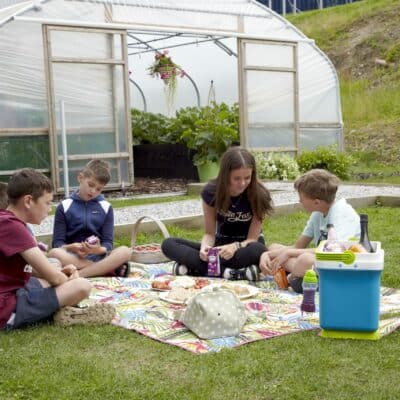


Some people share gardens. Sometimes this is through choice, at other times they have shared garden space whether they like it or not. With the latter, this may seem like a disadvantage. But with the right approach sharing gardens can be a wonderful thing to do.
Whether you live in a tenement or block of flats with a shared garden, or are looking at creating a new communal or community garden, this article contains some tips to help you make sure that everything goes according to plan and that you can really make sure you make the right choices and make the most of the space.
First Things First
Before digging in — literally or metaphorically — it’s important to get clear on the basics of what a shared garden is and why this setup can work so well.
What is a Shared Garden?
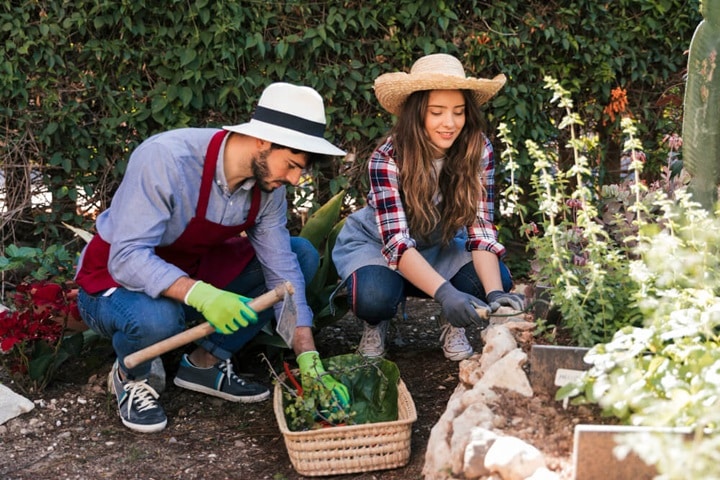
A shared garden is a green space that is tended and enjoyed by more than one household or group of people. This could be a backyard that adjoins multiple properties, a communal courtyard, a dedicated space for residents of a block of flats, or even a larger public or privately owned plot that is opened up for community gardening.
Shared gardens come with both exciting opportunities and unique challenges. On the positive side, they encourage collaboration, reduce individual workload, lower costs, and make it possible to access larger or better garden space than one might have alone. Shared gardens can also foster social bonds, build resilience, and increase biodiversity through diverse planting preferences.
However, there are potential drawbacks to consider. Disagreements may arise over design choices, plant selection, maintenance duties, or how the harvest is shared. Conflicting schedules, differing skill levels, and inconsistent commitment can also pose problems.
The key to success lies in careful planning and inclusive design. Clearly defined goals and open discussion about expectations help to create a strong foundation. Designating specific zones — communal beds, personal plots, social areas — can reduce friction. Incorporating flexible elements like shared compost bins or group seating encourages participation without forcing uniformity.
By observing the site together, understanding everyone’s strengths and limitations, and setting realistic expectations, a shared garden can avoid many common pitfalls. It becomes not just a place to grow plants, but a thoughtfully designed space for community, creativity, and cooperation.
Why People Share a Garden?
People share gardens for a wide variety of reasons, and these often reflect both practical circumstances and personal values. In many urban or communal housing developments, shared garden space is simply a reality — especially in tenements, flats, or housing co-operatives where outdoor areas are held in common. In such cases, sharing the space is a matter of necessity, but that doesn’t mean it can’t become something meaningful and rewarding with the right approach.
In other situations, people actively choose to garden collectively. This is often driven by a desire to build stronger connections with neighbours, create more vibrant and productive green spaces, and make gardening more accessible and enjoyable. Sharing a garden can reduce the costs associated with tools, materials, and water use, while also distributing the workload more evenly. For individuals who may be new to gardening, working alongside others can be a valuable learning opportunity and a confidence boost.
Beyond the practical, shared gardens can offer emotional and social benefits. They help foster a sense of belonging, reduce feelings of isolation, and encourage cooperation. In an age where people are increasingly disconnected from both their food and their neighbours, communal gardening brings people together in a slow, steady, and rewarding way.
Shared gardens can also support wider goals, such as increasing local food production, creating habitats for pollinators and wildlife, and promoting environmentally friendly practices. From small shared plots between neighbours to larger organised community gardens, these spaces have the power to inspire local pride and action.
Ultimately, people share gardens to do more with what they have — to turn limited or overlooked space into something valuable, and to transform gardening from a solitary hobby into a shared, enriching experience that grows both plants and relationships.
Where to Start
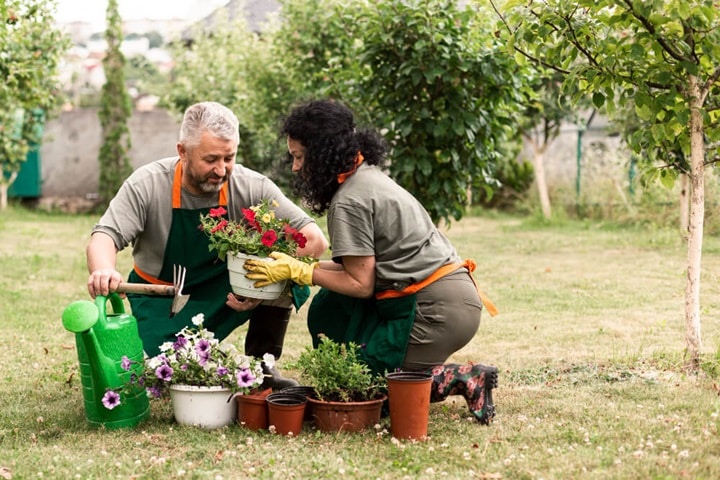
Starting a shared garden project requires communication, cooperation, and a bit of organisation. Begin by bringing together everyone who will be involved. Open dialogue early on is key to avoiding misunderstandings later.
1. Identify gardening goals and preferences
It’s important to establish shared goals. Are you aiming to grow food, create a space for relaxation, support pollinators, or all of the above? If you have a shared communal space with neighbours but do not know them very well, this could be a good opportunity to get to know them better.
Try to get your own ideas across without forcing anything on anyone who is not very keen on gardening or whose ideas are very different to your own.
Remember, a shared garden may come with a range of different perspectives, and preferences. These might not always accord with your own but everyone’s opinion has value and differing views should be respected, even if you just ultimately agree to disagree.
Understanding each person’s priorities will help shape your shared garden’s purpose. Some participants may want low-maintenance decorative beds, while others may be more interested in productive vegetable plots. Clarify these intentions from the outset.
2. Observe the Site
Spend time looking closely at the garden space. Note sun and shade patterns, wind exposure, drainage, existing plants, and any structures or obstacles.
This site assessment helps in determining what’s possible and what limitations might need to be worked around. Involving everyone in this observation stage helps build a shared understanding of the space.
Once you understand the site better, you can determine a plan – thinking carefully about the right strategies and features for that particular setting and situation.
For example, if one corner is particularly sunny and sheltered, it might be ideal for growing heat-loving crops like tomatoes or peppers. Conversely, a damp, shady spot could be perfect for a shade-tolerant wildlife patch or even a mushroom bed.
A sloped area may need terracing or raised beds to prevent soil erosion. Pay attention to the presence of mature trees, as their root systems and canopy shade can impact planting nearby.
Other small details, like how water collects after rain or where access paths naturally form, can influence the best layout and use. These insights help ensure your design is both practical and harmonious with the existing environment. Choosing the right plants for the right places is just one part of the puzzle to create a successful shared garden that everyone can enjoy.
3. Assess compatibility and commitment levels
Not everyone will have the same level of enthusiasm or availability. Discuss honestly how much time each person can realistically contribute.
It’s also worth identifying any potential challenges early on — such as differing expectations, past conflicts, or access restrictions. These need not be barriers but are important to acknowledge so they can be managed properly.
4. Inventory skills, seeds and tools
Pooling resources makes shared gardening more efficient and cost-effective. Take stock of what each person can bring — tools, seeds, compost bins, knowledge, First Tunnels polytunnels, or physical labour.
You may discover complementary skills that enrich the group’s capability. For instance, one person may be great at propagation, while another has experience with composting or building raised beds.
5. Reach out to other local gardening communities
Networking with other community or shared garden projects can offer valuable insights and encouragement. You may find support from local allotment groups, environmental charities, or gardening clubs. They might offer free workshops, surplus materials, or simply helpful advice based on experience.
6. Plan together
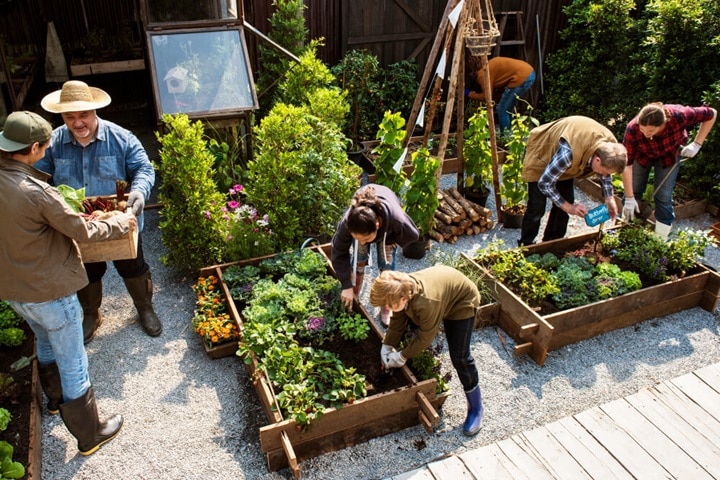
Once goals, constraints, and contributions are clear, create a garden plan collaboratively. Decide on the layout, planting zones, shared and individual areas, seating or social spaces, and access routes.
Mapping out the garden together helps everyone feel that they have a stake, and ensures that everyone’s voice is heard. Be sure to consider things like seasonality, crop rotation, and biodiversity in the planning stage.
7. Lay the groundwork for your shared garden
Get the basics in place before planting begins. Clear the site, improve the soil, establish paths, and mark out beds. Consider installing rainwater collection, compost bins, or storage areas. Involve everyone in this groundwork so that the physical labour and decisions are shared.
8. Collaborate on related projects like composting
Shared gardens are ideal spaces to integrate sustainable practices. Composting is one of the most impactful and inclusive projects you can take on. Everyone can contribute kitchen and garden waste, and the resulting compost benefits the whole garden.
Similarly, rainwater harvesting, seed saving, or tool-sharing schemes can support the project while reinforcing cooperation.
9. Define responsibilities and shared tasks
To ensure the garden runs smoothly over time, clarify who is responsible for what. This doesn’t need to be rigid, but it helps to avoid confusion or imbalance.
Create a rota for regular tasks such as watering, weeding, and harvesting. Keep communication open and flexible — life happens, and people’s availability may change.
10. Work together
The heart of any shared garden is collaboration. Make time for shared gardening days, group planting sessions, and celebratory harvest events. These foster community spirit and encourage everyone to stay involved. Celebrate milestones together, however small, and make the garden a space of shared joy.
11. Create a schedule for maintenance and harvesting
Agreeing on a clear schedule for day-to-day maintenance and harvesting ensures that the garden remains productive and beautiful. Rotate tasks if possible, and keep records to track planting times, crop yields, and composting activity. This helps keep the workload balanced and avoids misunderstandings.
12. Communicate regularly and address concerns
Regular communication is vital. Schedule informal check-ins or create a shared noticeboard, WhatsApp group, or email list for updates and discussions. When issues arise — and they sometimes will — approach them with kindness and openness. A constructive attitude ensures that problems don’t grow out of proportion.
13. Share your harvest & Surplus Produce
One of the great joys of a shared garden is sharing the rewards. Make arrangements to distribute harvests fairly, or organise shared meals and food swaps. Excess produce can also be donated to local food banks, neighbours, or community centres — extending the garden’s impact beyond its borders.
FAQs
What are the benefits of participating in a community garden?
Community gardens offer numerous benefits including access to fresh food, increased physical activity, improved mental wellbeing, reduced isolation, and a greater sense of community. They provide educational opportunities and foster environmental stewardship by connecting people with nature and sustainable growing practices.
How are community gardens managed?
Management structures vary. Some gardens have informal arrangements while others are run by committees or local groups. Successful community gardens tend to have clear guidelines, regular meetings, and a democratic approach to decision-making. Roles and responsibilities are shared, and collaboration is encouraged.
What are common rules or guidelines for community gardens?
Rules help maintain harmony and productivity. Common guidelines include scheduled working hours, acceptable use of tools and chemicals, harvest protocols, composting requirements, and behaviour expectations. Many gardens also have rules about pets, noise, and individual vs. communal plot use. These ensure that the space is safe, inclusive, and sustainable for all involved.
Sources
Gardenize. (2020) The 12 Best Plants to Grow in a Community Garden. [online] Available at: https://gardenize.com/2020/05/best-plants-to-grow-in-a-community-garden/ [accessed 22/04/2025]