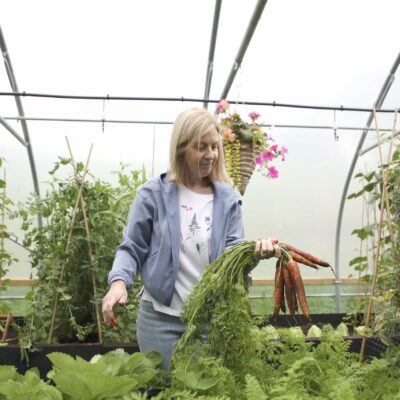
March seedlings fail mainly because of temperature swings, excess humidity, poor airflow, and incorrect timing. Polytunnels warm very quickly during sunny spring days but can drop to dangerously low temperatures overnight. Many growers assume the tunnel alone guarantees safe early sowing, but early spring is often when seedling problems appear most quickly.
The good news is that most seedling problems are preventable. Better timing, careful watering, good seed quality, and attention to airflow usually make a dramatic difference to success rates.
Key Takeaways
- March is often too early for many crops unless conditions are carefully managed
- High humidity causes more seedling problems than cold alone
- Old seed and poor compost reduce germination and seedling strength
- Many “failed seedlings” are stressed and recoverable, not dead
- Small changes in watering, timing, and airflow improve early spring success dramatically
If you are growing under cover and want reliable early season results, choosing the right protected growing space matters. If you are planning or upgrading your setup, explore small polytunnels.
Why March Is a Tricky Month for Seedlings
March sits in an awkward transition between winter and spring. Light levels improve quickly, which encourages early sowing. But temperatures often remain unstable. Warm sunshine during the day can raise temperatures inside a polytunnel dramatically, while clear nights allow heat to escape quickly.
This creates one of the biggest causes of seedling problems: extreme daily fluctuation.
A polytunnel protects crops from wind, rain, and frost exposure, but it cannot fully stabilise temperature without additional management. Soil temperature is especially important. Even if air temperature feels warm inside the tunnel during the day, soil can remain cold for weeks longer.
This is where timing becomes more important than enthusiasm. Many seedling problems begin simply because we start too early for the real conditions. So plan for the reality in your own particular garden, don’t aim for the calendar date. Be rready to check the weather forecast and change your sowing plans as necessary.
Germination Problems (Why Seeds Don’t Sprout)
Old Seed
Seed quality declines over time. Even when seeds look healthy, internal viability can drop. Older seed often germinates unevenly or produces weaker seedlings.
Poor storage conditions accelerate decline. Heat, moisture, and light all reduce seed longevity.
Some old seed can still work, especially larger seeds or those stored carefully. But if germination rates drop below expected levels, replacing seed is often the best solution.
If you want to improve long-term seed quality and storage success, learn more about saving seeds.
Timing
Many crops simply should not be started in March unless conditions are controlled. Fast-growing warm-season crops often struggle when sown too early. Plants may survive but remain weak and slow growing.
Understanding when to start seedlings for spring depends on conditions, not dates. Sowing too early often leads to more seedling problems than sowing slightly later.
If you are unsure about early sowing timing, see guidance on sowing seeds indoors:
Temperature
Seeds need stable warmth to germinate properly. March conditions often fluctuate too widely.
Soil temperature matters more than air temperature. Cold soil slows germination and increases risk of rot and fungal disease.
Heat mats can help in some cases, but consistency matters more than maximum heat.
Moisture
Moisture mistakes cause huge numbers of seedling problems.
Overwatering prevents oxygen reaching the seed. Seeds need oxygen to germinate. Soggy compost suffocates seeds and encourages rot organisms.
Underwatering dries seeds before germination can complete.
Consistent light moisture is ideal. Compost should feel like a wrung-out sponge, not wet or dry.
Seedling Problems Caused by Excess Humidity
Damping Off
Damping off is one of the most common seedling problems in polytunnels.
It usually appears as sudden collapse at soil level. Seedlings look healthy one day and fall over the next.
It thrives in still, humid environments with poor airflow.
Prevention focuses on airflow, spacing, and careful watering rather than treatment.
Mouldy Potting Compost
White or grey mould on compost is usually not directly harmful but indicates excess moisture and poor airflow.
Low quality compost increases risk. Fresh, well-structured compost reduces fungal growth.
If mould becomes thick or persistent, replacing compost is often best.
Fungus Gnats
Fungus gnats often appear in March because moist compost and warming conditions create ideal breeding conditions.
Larvae feed on organic matter and can damage young roots.
Drying compost surfaces slightly between watering and maintaining hygiene usually reduces problems.
Other Common Seedling Problems in Polytunnels
Incorrect Planting Depth
Planting depth matters more than many growers realise.
Seeds planted too deep struggle to reach light. Seeds planted too shallow dry out quickly.
A simple rule is planting seeds roughly twice their size in depth, though exceptions exist.
Depth affects emergence strength and early growth.
Leggy Seedlings
Leggy growth usually results from low light combined with warmth.
Polytunnels still cause legginess if plants are crowded or shaded.
Leggy seedlings can often recover with improved light, spacing, and cooler temperatures.
Seedling Problems – Indoor Seedlings
Why Are My Seedling Leaves Turning Yellow, White, or Brown?
Leaf colour changes often signal stress.
Yellow leaves often indicate overwatering or nutrient imbalance.
White patches can suggest sunburn or light shock.
Brown edges often indicate dehydration or fertiliser stress.
Some leaf colour change is normal during early development. Rapid change usually signals a problem.
Watering Issues
Overwatering is the most common seedling mistake.
Good drainage matters as much as watering frequency.
One useful approach is watering by weight. Light pots usually need water. Heavy pots usually do not.
Fertiliser Burn
Seedlings rarely need feeding early on.
Too much fertiliser damages roots and causes leaf burn.
If overfeeding occurs, flushing compost with clean water can help.
Sunburn
Spring sun is stronger than many growers expect.
Seedlings moved suddenly into strong light can bleach or burn.
Gradual exposure helps prevent shock.
Seedling Problems – Outdoor Seedlings
Frost Damage
March frost damage can be deceptive. Plants may appear fine immediately but collapse days later.
Some plants recover. Others need reseeding.
Soil Conditions
Cold wet soil stresses roots and slows nutrient uptake.
Compacted soil worsens drainage and root development.
Waiting for soil to warm often produces stronger plants than early planting.
Garden Pests
Young seedlings are especially vulnerable because tissues are soft and nutrient rich.
Slugs and Snails
Slug activity increases quickly in mild damp spring conditions.
Barriers, monitoring, and early detection help reduce losses.
Nutrient Deficiencies
Early deficiencies often reflect cold soil preventing nutrient uptake rather than true lack of nutrients.
Overfeeding to compensate often makes problems worse.
Disease
Early season diseases often spread in damp, still conditions.
Good hygiene, spacing, and rotation help reduce risk.
When to Start and Plant Seedlings for Spring (Without Losing Them)
Understanding when to start seedlings for spring means paying attention to real growing conditions rather than relying on fixed dates.
In the UK, March can feel like spring on bright days, but soil and overnight temperatures often still reflect winter conditions. Day length increases quickly, which encourages growth, but cold nights can still slow or damage early seedlings.
Understanding when to plant seedlings for spring depends far more on soil warmth than air warmth. Many UK soils remain below ideal germination temperatures well into March, especially in the Midlands, North of England, Scotland, and exposed rural areas.
Even inside polytunnels, soil often lags behind air temperature by several weeks. A sunny afternoon may feel warm enough for planting, but soil just a few centimetres down may still be cold and wet, which slows root growth and increases seedling problems.
UK gardeners also need to factor in regional variation. Coastal areas and southern regions often warm earlier, while inland and higher altitude areas warm much more slowly. Heavy clay soils warm later than sandy or well-structured loamy soils.
If your soil holds water through winter, it will almost always be slower to warm and dry in spring.
In practice, strong seedlings usually come from sowing slightly later into improving conditions rather than sowing very early into unstable ones.
I often find that seedlings sown two or three weeks later catch up quickly and are stronger, darker green, and less stressed. Watching soil condition, moisture levels, and overnight temperature trends gives far better results than working strictly to a calendar.
However, for some seasonal crop timing guidance, see the spring vegetable growing guide.
How I Prevent March Seedling Failures in My Polytunnel
The biggest change I made was learning to ignore those tempting warm spring days that make you feel like the growing season has properly started. In the past, if I had two or three sunny days in March, I would rush to sow seeds, assuming the warmth would continue.
More often than not, a cold spell would follow, and seedlings would stall, yellow, or collapse. Now I look at longer weather patterns, soil condition, and overnight temperatures before deciding when to sow. This simple shift dramatically reduced early season seedling problems.
I also completely changed how I water seedlings. I used to water little and often, thinking I was helping young plants. In reality, I was creating constantly damp compost, which reduced oxygen around roots and increased disease risk.
Now I water more deeply but less often, and I always check compost moisture before watering. If compost still feels slightly damp below the surface, I leave it alone. This alone solved a huge number of seedling problems.
Another major improvement came from being more selective about what I sow early. I no longer try to push warmth-loving crops into March conditions unless I can provide very stable warmth.
Instead, I focus on crops that naturally tolerate cooler soil and air. This reduces stress on seedlings and produces stronger plants overall.
Airflow and spacing also made a bigger difference than I expected. Even in early spring, I now ventilate whenever conditions allow. I also thin seedlings earlier to reduce humidity pockets around leaves and stems.
These small habit changes cost nothing, but they certainly improved my success rate, showing just how much difference a little simple knowledge and experience can make.
Strong Seedlings Start With Patience
March seedling failures are extremely common. Even experienced growers lose early seedlings sometimes.
Observation beats rushing. Later sowing often produces stronger plants faster than early struggling seedlings.
Growing success in spring comes from working with conditions rather than fighting them.
Sources
Royal Horticultural Society (2023) Seed sowing and seedling care. Available at: https://www.rhs.org.uk [Accessed February 2026]
University of Minnesota Extension (2022) Starting seeds indoors. Available at: https://extension.umn.edu [Accessed February 2026]