

Whatever you grow in your garden, whether you are growing in a polytunnel or outdoors, seed sourcing locally is a good idea. Localism means looking for seeds locally gathered, from plants that have grown locally and which are therefore well-adapted to local growing conditions.
Why Choose Locally Sourced British Wildflower Seeds?
Most keen gardeners today want to do the right thing for wildlife, helping to fight biodiversity losses and to preserve native wildlife species.
Many today understand why we should sow to support our local pollinators – bees, butterflies and other insects, and why native wildflowers can often be excellent options for a wildlife-friendly garden.
Supporting Local Biodiversity With Native Wildflowers
Choosing to use plenty of native wildflowers in your garden is a great way to contribute to enriching local biodiversity.
Boosting biodiversity within any ecosystem increases the number of beneficial interactions within the system. This in turn increases stability within the system, making it more resilient to environmental and climatic changes, and helps to make sure that native ecosystems can stand the test of time.
Sowing Native flowers for Bees and Butterflies – Supporting Pollinators
Supporting pollinators can be achieved through planting a wide range of flowering plants, both native and non-native.
But it is generally considered best and most ecologically friendly to include a high proportion of native flowers since these have evolved alongside our native insect species and have often formed evolutionary relationships.
Recommended British Wildflowers for Your Garden
There are many examples of British wildflowers that might be included in a UK garden but it is also important to look not only at which species are native to the British isles as a whole but which are native to and belong in the specific area and ecosystem type where you live.
We should choose locally native wildflowers where possible, to contribute to maintaining or restoring natural biodiversity in our own specific areas.
Purchasing or otherwise sourcing wildflower seeds as locally as possible can help you to make sure that you are getting the right wildflowers or meadow mix for your specific location.
Sourcing Seeds from Trees and Other Native Species in the UK
It is not only native wildflowers that make great garden additions. It is also, of course, beneficial to include as wide a range as possible of native trees and other native species in our gardens.
Native species not only native to the British Isles but also more locally native – appropriate to distinct local ecosystems – can help us to make sure we create biodiverse and resilient systems that really can stand the test of time.
Locally native species of plants that are sourced within your local area, or from as close by as possible, are more likely to be suited to the needs of local wildlife, and are more likely to have adapted to local growing conditions than those that were grown in or collected from far-flung locations.
Seed sourcing grants are sometimes available for those who intend to collect seeds in order to restore or recreate native habitats or ecosystems such as native woodland.
Why Choose Locally Sourced Seeds for Edible Crops?
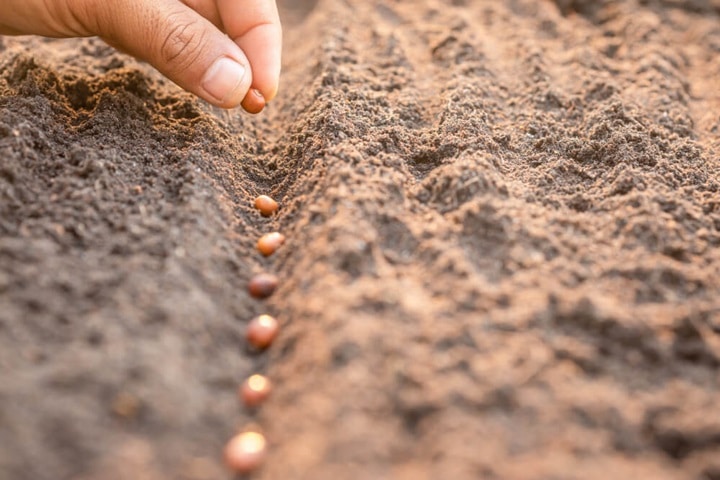
Sourcing local seeds for edible crops is also a very good idea. Sourcing seeds locally can bring benefits for the gardener, their community, and much broader benefits for people and planet.
- Benefits for the Gardener
Locally sourced seeds are adapted to the specific climate and environmental conditions of the area. This means they are more likely to thrive, grow better, be more productive and yield more.
Locally adapted seeds have also often developed increased resistance to local pests and diseases, reducing the need for chemical interventions, making it easier to garden organically and contributing to more sustainable agricultural practices.
Edible crops grown from local seeds often have superior taste, texture, and nutritional value. They have been bred and selected for these qualities with specific reference to the local environment.
- Benefits for the Local Community
By relying on local seed sources, communities become more self-reliant and resilient to global supply chain disruptions. This is particularly important in times of crisis or when external seed sources are unreliable.
Purchasing seeds from local farmers and seed banks also supports the local economy and promotes sustainable gardening and farming practices within the community. These things in turn also bring greater stability and community resilience.
Local seed varieties are also often bred to meet specific culinary and agricultural needs of the region, ensuring that they fulfil local tastes and preferences better than generic or non-local varieties.
- Broader Benefits for People and Planet
Using locally sourced seeds helps maintain and enhance local biodiversity. This is crucial for ecological balance and the resilience of ecosystems against environmental changes.
Local seeds reduce the carbon footprint associated with transportation and packaging of seeds from distant locations. They also support gardening and farming practices that are more in harmony with the local environment.
One other thing to think about is that many locally-sourced seeds are heirloom varieties that have been passed down through generations. Using these seeds helps preserve cultural heritage and continue traditions through the ages for the benefit of those who come after us.
- Why Should We Collect Seeds Where Possible?
If it is possible for us to collect our own seeds from our own gardens or from environments or other gardens as close to home as possible, then it is always a good idea to do so.
By sourcing your own seeds locally by collecting them yourself, you have ultimate control over which plants you select to collect seeds from, and can completely understand the conditions in which those plants were growing.
Collecting seeds from native plants and/or the edible crops we grow and wish to grow can help us to increase our self-reliance and means that we will not be relying on external companies in order to create or plant up new growing areas of our gardens.
Collecting seeds from plants in your own garden that are doing well can help you to gain plants better and better adapted to the specific growing conditions where you live over time.
The Best Place to Source Local Native British Wildflower Seeds
If you already have any wildflowers growing in your garden then of course you can either allow them to self-seed or you can collect the seed to sow elsewhere in your garden. So you might be able to source wildflower seeds from your very own garden. Plants that pop up naturally where you live will often be among the very easiest for you to sow and grow.
Seeds are often available to collect from wildflowers, native trees and other plants throughout the year. And it is often perfectly legal to collect seeds in small quantities for your own use. Collecting close to home can mean that you end up with plants better suited to the specific conditions where you live.
In addition to sourcing seeds from your own garden and the surrounding areas, you might also be able to collect seeds from a neighbours garden. Your neighbours may be willing to share if you ask them nicely, and the plants in neighbouring gardens should be well adapted to local conditions and do well in your own.
If you cannot collect seeds from your own garden, public sites in your area, or from neighbours gardens, it is best to try to get your seeds from a garden centre or plant nursery that has ideally collected seeds in the local area – as close to your own garden as possible.
The more local the source of the seeds, the better the plants are likely to grow in your area, and in your specific garden. Collecting your own seeds very locally is often the best solution of all.
Important Guidelines for Seed Collectors
It is perfectly permissible for UK gardeners to gather some seeds from most wildflowers and other native plants that grow in public areas, in parks, or along hedgerows or verges, as long as you take the seeds only in moderation, and only for your own use and not to sell.
Take care not to uproot any plants and remove them, however, as this is against the law. And make sure that you do not take seeds or touch in any way plants that are rare or endangered, and are protected under the 1981 Wildlife and Countryside Act.
There are a few exceptions to this rule as well. For example, you may not be allowed to collect seeds in sites of special scientific interest or in certain nature reserves.
As long as you bear the legal issues in mind, and if on private property, ask permission first before you collect seeds, seed collection should be easy and hassle free.
Where You Might Be Able to Collect Seeds for Edible Crops
When it comes to collecting seeds for edible crops, you will not usually be able to find these in ‘the wild’. But you may well be able to collect seeds for edible crops from your own garden, and from those of your local friends and neighbours who grow their own food.
Collecting seeds and saving seeds from your own vegetable garden is a wonderful way to save money and become more self-reliant, of course. It can also save you money. And, as mentioned above, collecting your own seeds allows you to create crops better and better suited to the specific local growing conditions over time.
As well as saving the seeds from the fruits and vegetables and herbs you yourself grow, you might also be able to collect seeds from friends or neighbours who are growing their own, or from clubs of other gardeners in your area. Often, if you look around you may be able to find seed-swap events locally, or seeds offered for free online in your area.
If you do need to purchase seeds for edible crops for your garden, it is important to choose ethically sourced seeds from ethically grown plants, ideally from companies based as close to your own home as possible, even if you buy online.
FAQs
What is seed sourcing?
Seed sourcing is finding seeds for specific plants that you wish to grow. This involves selecting seeds based on their suitability for specific climates, soil types, and cultivation needs and emphasises acquiring seeds from reliable and sustainable sources.
How might stored seeds help people in the future?
Stored seeds can help people in the future by preserving genetic diversity and providing resources for crop breeding and restoration projects. They serve as a safeguard against crop failures due to climate change, diseases, or pests, ensuring food security and resilience.
How do seed banks help biodiversity?
Seed banks help biodiversity by preserving the genetic material of a wide variety of plant species. This conservation is crucial for restoring habitats, adapting to changing environmental conditions, and maintaining the health of ecosystems. Seed banks act as repositories that can replenish native species and ensure that ecological balance is maintained.
Sources
GOV.UK. (2022) Seed Sourcing Grant. [online] Available at: https://www.gov.uk/guidance/seed-sourcing-grant [accessed 22/07/24]
Wildlife and Countryside Act 1981. (2010) UK Public Acts. [online] Available at: https://www.legislation.gov.uk/ukpga/1981/69 [accessed 22/07/24]