

Rabbits may be cute little bunnies – but to the average gardener, they can sometimes be a bit of a pain, which, even in a polytunnel, it is important to know how to get rid of rabbits in the garden naturally (and harmlessly).
Rabbits are part of the ecosystem and play their role – they can help to fertilize a growing area, and may help to trim back grasses and foliage. But they may also eat your seedlings and young plants, damage shrubs and tender young trees, and make holes where you don’t want them to.
Fortunately, it is possible to deter rabbits and protect your plants in an organic garden – you just need to find the right methods and choose the right plants for your particular situation.
A permaculture approach allows for a balance between wildlife and cultivation, ensuring your garden remains sustainable and eco-friendly while keeping rabbits at bay.
Are Rabbits a Problem in a Garden?
Rabbits can be both a nuisance and a benefit in a garden, depending on the circumstances. While they contribute to soil enrichment through their droppings and may help control certain invasive plants by grazing, their appetite for a wide variety of vegetation often outweighs any potential benefits. For many gardeners, particularly those growing vegetables, fruits, or ornamental plants, rabbits pose a significant challenge.
One of the most frustrating aspects of having rabbits in a garden is their indiscriminate feeding habits.
They often target young, tender plants, eating shoots, leaves, and stems down to the ground. This can be especially problematic for seedlings and newly planted crops, which may not survive a single night of rabbit foraging.
Rabbits can also cause damage to shrubs and trees, particularly in the winter when other food sources are scarce. By gnawing on bark, they can weaken or kill young trees, impacting long-term garden health.
Beyond plant damage, rabbits are prolific breeders. A small rabbit problem can quickly escalate into a major issue if left unchecked. With the potential to produce multiple litters each year, their population can grow rapidly, leading to widespread destruction in an unprotected garden.
Once established, rabbits can be difficult to manage, requiring a combination of deterrents and preventative strategies to keep their numbers in check.
However, completely eradicating rabbits from a garden may not always be the best approach. In a permaculture setting, balance is key, and integrating strategies that allow for coexistence while protecting vulnerable plants can lead to a healthier, more resilient ecosystem.
By using a combination of physical barriers, plant choices, and natural deterrents, gardeners can mitigate the damage caused by rabbits while maintaining an environmentally friendly growing space.
Do I Have A Rabbit Problem?
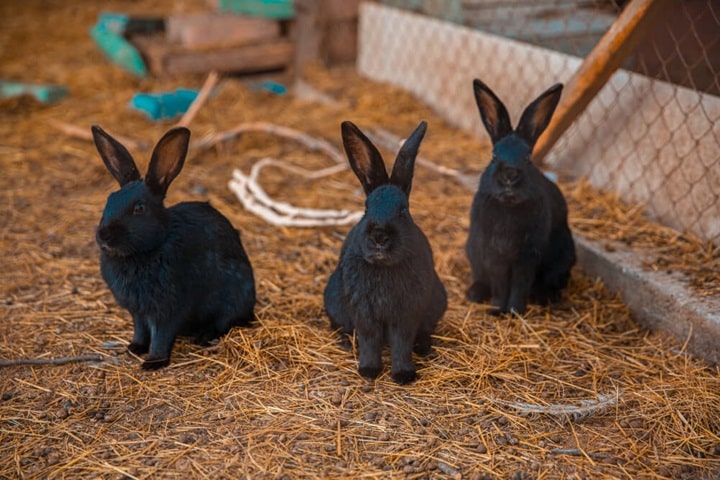
Before taking action, it’s important to confirm that rabbits are the culprits in your garden. Signs of rabbit activity include:
- Neatly clipped leaves and stems, often at an angle.
- Small, round droppings scattered around the garden.
- Scrapes or burrow entrances in the soil.
- Tracks with distinct long hind feet impressions.
- Bark damage at the base of young trees or shrubs.
So, even if you do not see the rabbits themselves, you may spot their signs around your space.
Rabbits vs. Hares: Knowing the Difference
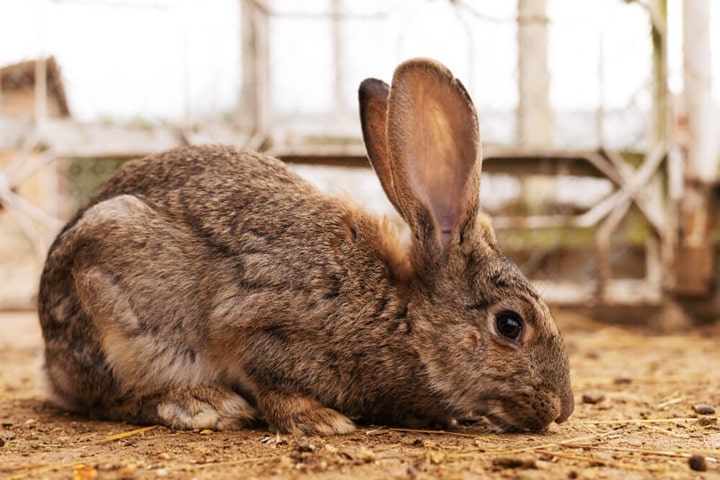
While rabbits and hares may look similar, they are distinct species with different behaviours and impacts on the garden.
Rabbits are smaller, have shorter ears, and prefer to live in burrows underground. They typically stay close to their nesting sites, feeding on nearby vegetation and causing damage to young plants and shrubs. Rabbits reproduce rapidly, which can quickly turn a minor issue into a major infestation if left unmanaged.
Hares, on the other hand, are larger, with longer ears and more powerful hind legs. Unlike rabbits, they do not burrow but instead create simple nests in grasslands or open fields.
Hares are generally more solitary and prefer to graze on tougher vegetation, such as bark and woody plants, rather than the tender leaves and shoots that rabbits target. Because they do not congregate in large numbers near gardens, hares are typically less of a concern for most gardeners than rabbits.
Understanding the difference between these two species can help gardeners apply the right strategies to protect their plants. While rabbit deterrents focus on blocking entry points and repelling them from cultivated areas, hares are best managed by limiting access to open spaces where they may choose to feed.
1. Add Physical Garden Barriers
One of the most effective ways to deter rabbits is to physically block their access to your crops:
- Fencing: A wire mesh fence with holes no larger than 2.5 cm should be installed at least 60 cm high and buried at least 15 cm into the ground to prevent burrowing.
- Raised Beds: Constructing raised beds with sturdy sides can help keep rabbits away from your vegetables.
- Polytunnel Protection: If you grow crops in a polytunnel, ensure that the structure is secure at ground level with buried mesh or barriers to prevent rabbits from getting inside.
2. Protect Individual Plants
If fencing your entire garden is impractical, protecting individual plants can be an alternative solution:
- Cloches & Netting: Use garden netting or wire mesh to encase vulnerable plants.
- Tree Guards: Wrap young trees and shrubs with spiral tree guards or mesh to prevent bark damage.
- Row Covers: Lightweight floating row covers can shield seedlings from rabbits while allowing air, water, and sunlight to reach them.
3. Include Plants Rabbits Don’t Like
Rabbits tend to avoid certain plants due to their strong scents or unpalatable textures. Incorporate these plants into your garden to create a natural deterrent.
4. Rabbit-Repelling Plants
Rabbits have a strong sense of smell and taste, which makes them avoid certain plants that are too pungent or bitter for their liking. Many gardeners find that incorporating these plants throughout their growing areas can serve as a natural deterrent.
Herbs such as rosemary, lavender, sage, and thyme are particularly effective due to their intense aromas. These herbs not only keep rabbits away but also attract beneficial pollinators to the garden.
Other aromatic plants such as marigolds and alliums can be planted along borders to create a protective barrier. Highly pungent vegetables like onions, garlic, and leeks are rarely nibbled by rabbits and can be used as companion plants to protect more vulnerable crops.
5. Rabbit-Resistant Plants
Another strategy is to use plants with textures that rabbits find unappealing. Plants with thick, fuzzy, or spiky leaves, such as lamb’s ear or thistles, can discourage rabbits from foraging.
Some gardeners also report success with ferns and ornamental grasses, as their coarse textures seem to deter nibbling. By strategically placing these plants around more vulnerable sections of the garden, you can create a layered defence that reduces rabbit damage.
Rabbit-resistant plants are those that rabbits typically avoid due to their taste, texture, or toxicity. Unlike deterrent plants that rabbits dislike but may still occasionally nibble, truly rabbit-resistant plants are often left untouched. These plants can be grouped into several categories, including toxic plants, highly fragrant plants, and those with rough or fibrous foliage.
Many flowering plants fall into the category of rabbit-resistant species. Foxgloves, daffodils, and hellebores contain natural toxins that make them inedible to rabbits.
Similarly, plants like bleeding hearts and poppies have compounds that make them unappetising. If you are looking for ornamental plants that can withstand rabbit activity, incorporating these species can help maintain a visually appealing and rabbit-free garden.
Certain shrubs and perennials also exhibit resistance to rabbits. Barberry, boxwood, and spirea are commonly used in landscapes where rabbits are an issue.
Their dense foliage and unpalatable leaves make them unlikely targets. Perennials like yarrow and Russian sage are excellent choices for rabbit-prone areas, as they have strong scents and tough stems that deter feeding.
For those focusing on edible gardens, some vegetables are naturally resistant to rabbits. Rhubarb, for example, has toxic leaves that deter most wildlife, while artichokes and asparagus have fibrous stalks that make them difficult for rabbits to chew.
By integrating these crops into your growing plan, you can create a more resilient and productive garden while keeping rabbit populations under control.
6. Remove Potential Nesting Spots
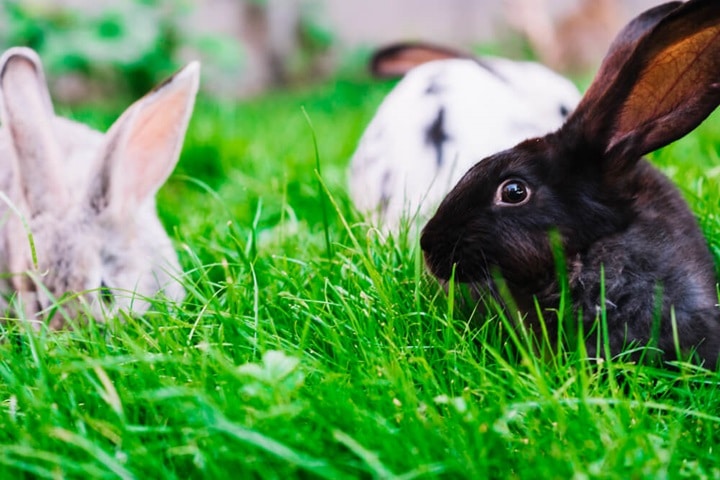
Rabbits seek out safe, sheltered places to nest. Discouraging them from settling in your garden can significantly reduce their presence:
- Clear away piles of debris, wood, or leaves.
- Trim back overgrown areas where rabbits may hide.
- Block off access to sheds or under decks where rabbits may create burrows.
7. Add Visual Deterrents
Rabbits are prey animals and are easily scared by movement and unfamiliar objects:
- Scarecrow or Fake Predators: Placing a decoy owl or a rotating reflective object can deter rabbits.
- Motion-Activated Sprinklers: These startle rabbits and encourage them to find another foraging spot.
- Reflective Surfaces: Hanging old CDs, aluminium foil strips, or mirrors can create a deterrent effect.
8. Elicit The Help Of Predators
Encouraging natural predators into your garden can help maintain rabbit populations at a manageable level. Owls, foxes, weasels, and even domestic pets like cats and dogs can deter rabbits.
- Provide perching spots for birds of prey.
- Create wilder corners for wildlife and hedgerows that allow larger wildlife to roam.
- Avoid using chemical pesticides that might harm beneficial predators.
9. Create Your Own Spray
Natural sprays can be made at home using ingredients rabbits find repellent:
- Garlic and Chilli Spray: Blend garlic cloves and chillies with water, strain, and spray around affected areas.
- Vinegar and Soap Solution: A mix of vinegar, biodegradable soap, and water can also deter rabbits.
- Egg-Based Spray: A mixture of eggs and water creates an unpleasant scent that repels rabbits.
10. Try Other Home Remedies
- Coffee Grounds: Sprinkling used coffee grounds around plants can help deter rabbits and enrich the soil.
- Human or Pet Hair: Scattering human or pet hair around the garden can mimic the presence of predators.
- Blood Meal: This natural fertiliser has a strong scent that repels rabbits while adding nutrients to the soil.
11. How to Keep Rabbits Out of a Polytunnel
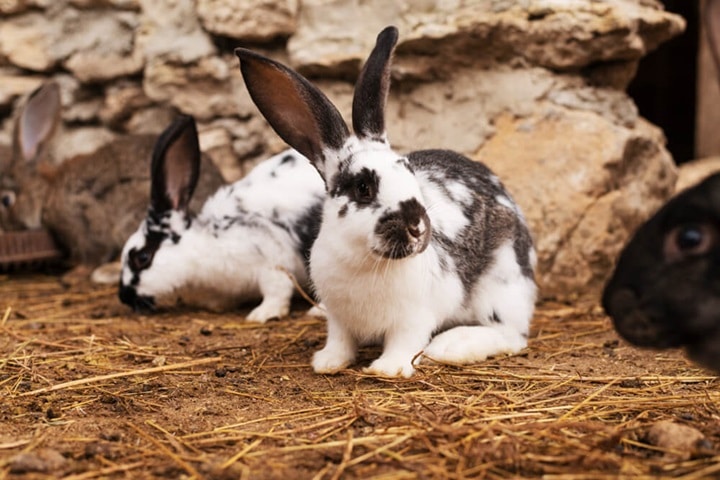
Rabbits can be particularly problematic in a polytunnel, where they may dig holes, eat young plants, and nest. To keep them out:
- Secure the base of the polytunnel with buried mesh or bricks.
- Keep doors and vents closed when not in use.
- Lay down gravel or paving slabs around the perimeter to deter digging.
- Use raised beds or containers inside the polytunnel to keep plants out of reach.
Here are other guides on our blog regarding garden pests:
- How to stop foxes digging in your garden
- How to deal with badgers
- What animals can i keep in my garden?
FAQs
What smell do rabbits hate the most?
Rabbits dislike the strong scents of garlic, chillies, onions, lavender, and predator urine. Spraying these scents or planting these herbs can help keep them away.
How do I keep rabbits out of my raised garden bed?
Raised beds with sturdy sides are effective against rabbits, but adding a wire mesh cover or using individual plant protection can provide additional security.
Sources
Ketley, H., (2022) The NHBS Guide to UK Rabbit and Hare Identification. NHBS Conservation Hub. [online] Available at: https://www.nhbs.com/blog/the-nhbs-guide-to-uk-rabbit-and-hare-identification