

Lavender is a beautiful and fragrant perennial which can find a place in many gardens. There are many reasons why lavender could be a good choice of plant for where you live. If you are considering adding lavender to your garden, however, it is important to note that pruning lavender is essential. In this article,we will explore why and how pruning lavender should be undertaken.
Lavender is an excellent bee-friendly flower, and can also help to attract a wide range of pollinators and other beneficial insects. Of course,lavender is a good choice for the human inhabitants of a garden too – it has beautiful purple flowers, and a very pleasing scent that can truly enhance an outside space. It can be used to create bed edging,borders or hedging, or used in a range of mixed-planting polyculture schemes. If you take care of your lavender,and prune it correctly,you can enjoy it in your garden for years to come.
Why is Pruning Lavender a Good Idea?
Lavender plants, if not pruned,can,over time,become woody and less productive. They can lose their compact,bushy habit and begin to look sparse and straggly. While lavender,when cared for correctly, can remain green,lush,compact and productive for twenty years or more,plants that are not pruned can languish, look bad, and even fail to thrive in certain scenarios.
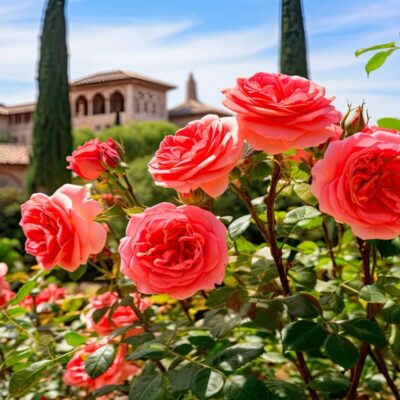
Another reason why you may wish to prune lavender is to delay flowering,to fit lavender into a planting scheme with other flowering plants. For example, by giving your plants a trim you can delay lavender flowering until after the main flowering of rose bushes in June. Careful pruning practices of lavender and other plants can help to ensure that you have flowers in bloom continually, at the right times, throughout the whole season. This is not only good for the visual appearance of your garden but can also help local wildlife – by helping make sure,for example, that bees have access to a variety of nectar sources throughout the whole year.
Pruning Lavender of Different Varieties
Before we go on to look at when and how to go about pruning lavender,it is important to clarify what exactly we are talking about when we discuss lavender. It is important to realise that there are a number of different related but different lavender species and varieties that are treated somewhat differently when it comes to pruning techniques and practices.
In this article,we are primarily discussing English lavender, Lavandula angustifolia. This is the hardiest of the lavenders and is common in UK gardens. Some common Lavandula angustifolia varietals include:
- Hidcote
- Munstead
- Lodden Blue
- Royal Purple
- Ashdown Forest
- Imperial Gem
- Peter Pan
While these varietals vary in certain ways, pruning lavender of these varieties requires more or less the same strategies and techniques.
However, there are also a range of other lavenders that can be grown in the UK. For example,you may choose to grow less hardy French lavender (Lavandula stoechas) or Spanish lavender varietals,or lavendins (Lavandula x intermedia) which will require less extreme,more circumspect pruning.
Pruning Lavender in Different Situations
In addition to considering the type and variety of lavender when deciding when and how to prune your plants, it is also important to take into account how and where your plants are grown. For example,lavender can have a tendency to become more woody in heavy clay,waterlogging prone soils. In such cases,pruning will have to be undertaken carefully,and in addition to considering pruning techniques,gardeners should also consider improving the growing conditions for growing lavender by:
- Adding plenty of organic matter to improve the structure and drainage of the soil.
- Improving drainage through adding grit or laying gravel on the soil surface.
- Taking water management measures to avoid waterlogging,which can weaken and even kill lavender plants.
It is also worthwhile considering how pruning lavender may require different techniques when lavender is grown in containers. Many different lavenders are well-suited to container growing. However,when these plants are grown in containers,it is,arguably,even more important to keep them growing well through correct pruning. Pruning lavender correctly will not only keep plants healthy and blooming,but also help to keep the plants size in check, so they do not outgrow their containers.
When to Consider Pruning Lavender
While some gardeners and gardening books recommend pruning lavender in the spring, generally speaking,there is now consensus that the best time for pruning English lavender is in the late summer – in the second half of August. This is when the main pruning (for size and shape,and general plant health) should take place.
However, there are other times when you may consider pruning lavender, or taking cuttings from your plants. For example,you may wish to delay flowering by giving your plants a trim in April, before flowers form. Pruning in late spring or early summer will yield softwood or semi-ripe cuttings that can be used to propagate your plants. You may also consider taking hardwood lavender cuttings in late autumn. Taking cuttings can also have the additional benefit of allowing you to further determine and confine the shape and spread of your lavender plants.
How Much to Cut When Pruning Lavender
When pruning English lavender, the key thing to remember is that green leafy growth does not usually readily regrow from old,woody material. Generally speaking, for Lavandula angustifolia varietals, you should aim to remove around 2.5cm of current year’s growth each August and the flowering stems, while always making sure that some green growth remains.
However, in certain situations,you can prune back more heavily, and such varietals will develop new shoots near the base of your plants. Pruning in August will ensure that these shoots have enough time to grow and harden up before the cold weather comes.
Other lavenders and lavandins should never be pruned back hard, as they are less hardy and resilient. The green growth of these plants should generally simply be gently trimmed in late August for shaping and size, and never cut back to old woody growth. Pruning such plants too severely can kill them – so when it comes to pruning lavender of these types, less is more and it is best to err on the side of caution.
What To Do With Lavender Prunings
All conscientious gardeners should adopt a waste-not,want-not approach to gardening. The cuttings and prunings from your lavender plants should never just be discarded. There are a number of ways to utilise the bits you cut off your lavender plants in your garden and around your home.
Lavender Cuttings for Propagation
As mentioned above,pruning can be carried out in the process of deriving cuttings to propagate your lavender plants. Softwood, semi-ripe and hardwood cuttings from your lavender plants can be used to create new lavender plants for your garden. It is always worthwhile considering the possibilities for propagation alongside considerations for pruning lavender. You can find guides for taking softwood and other cuttings elsewhere on this site.
Lavender Cuttings for Cut Flowers
The flowering heads of the lavender plants that you have pruned in August can also be used as cut flowers for your home. Even lavender flower heads that are past their best can still look good in dried,fragrant flower arrangements around your home. Placing the cut flower heads in vases or other arrangements around your home can be one wonderful way to bring their delicious fragrance into your indoors environment.
Lavender Cuttings for Other Household Uses
Both the leafy trimmings and dried flowers of your lavender plants can also be used in a range of different ways in your home. For example,they can be used to make soaps or bath bombs or other toiletries for household use. Sachets of dried lavender prunings and dried flower heads can also be placed into drawers to make clothing smell nice,or used as air fresheners in your car, for example.
Pruning lavender is not only essential for the health and longevity of the plants, it can also yield useful materials for your household. In addition to considering how you can cut and use lavender throughout the season, it is also worthwhile considering how you can use the trimmings from pruning lavender as a by-product.
Learning how to prune lavender correctly is a vital skill for anyone who wishes to successfully grow this beautiful,fragrant and useful plant in their garden.
Do you grow lavender where you live? Do you have any pruning tips to share? If you do, please share these in the comments below.