


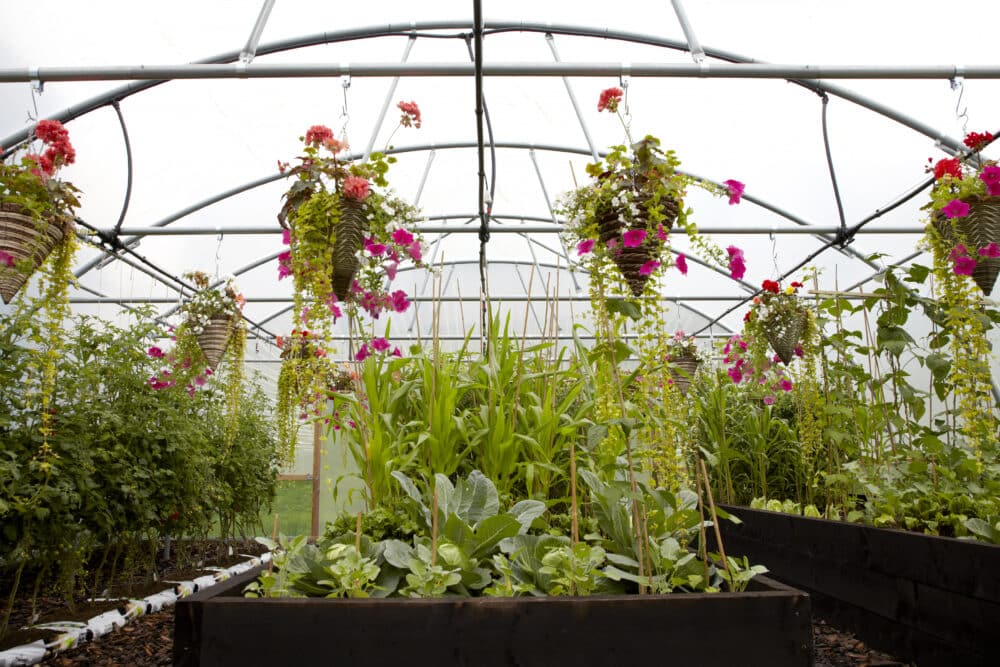
A polytunnel can transform your growing season but only if you avoid the most common pitfalls that lead to poor results and limit yields. Most problems come from simple, avoidable polytunnel mistakes such as poor planning, bad airflow, or watering issues but the good news is that even the most inexperienced gardener can avoid them with the right information.
This guide aims to outline the simple solutions so you can prevent problems before they happen. I’ve been a polytunnel gardener for over ten years and as a garden designer and consultant, I’ve been helping others to plan well and make the most of their polytunnels.
Based on first-hand growing experience, and what I’ve seen others do through my work as a designer and consultant, I will aim to outline the 12 mistakes many gardeners make and the easy fixes that help you to avoid those pitfalls, improve plant health, protect your structure, and maximise harvests.
Key Takeaways
- Most polytunnel mistakes centre around poor site choice, layout, and ventilation.
- Overcrowding and premature planting are two of the biggest causes of failed crops.
- Watering errors—too much or too little—create disease, stress, and low yields.
- Smart accessories like polytunnel anchor plates, vents, and raised garden beds make long-term management easier.
- Good planning turns a polytunnel from “extra space” into a high-yield growing system.
1. Poor Site Selection
Why It’s a Problem
Choosing the wrong location affects everything that follows. A shaded, exposed, or boggy spot leads to reduced sunlight, cold pockets, or structural strain from wind. This creates inconsistent temperatures, slower growth, and higher risk of storm damage.
How to Fix It
Choose the sunniest, flattest, south-facing position you have. Ensure easy access to water and space for moving tools or wheelbarrows.
In windy areas, improve anchoring with polytunnel anchor plates and consider shelter belts or using a polytunnel for windy site strategy.
Ideal Light Levels
- Most crops need 6–8 hours of direct sun for reliable yields.
- Leafy greens tolerate less; fruiting crops need more.
2. Not Considering Sunlight Patterns
Why It’s a Problem
If light drops at key times, plants become leggy, weak, and slow to fruit. Overshadowing from hedges, sheds, and trees is one of the biggest new-grower mistakes.
Solution
- Position the ridge north–south for even light distribution or east–west to maximise winter light.
- Remove or trim overshadowing vegetation and avoid placing the tunnel too close to fences or outbuildings.
3. Forgetting About Shelter
Why It’s a Problem
Polytunnels don’t survive long-term if exposed to strong winds. Abrasion, lifted covers, and frame stress are all common. A poorly sheltered tunnel also loses heat quickly, slowing growth.
Solution
Use hedging, windbreak netting, or fences that diffuse—not block—the wind. Reinforce the structure by trenching the cover on the sides, or use anchor plates to secure legs in soft or exposed soils.
4. Skipping Ground Preparation
Why It’s a Problem
Unprepared ground leads to compacted soil, poor drainage, and weak root systems. Once the tunnel is up, improving soil structure becomes much harder.
Solution
Loosen the soil with a broadfork or dig before building. Mix in compost generously.
Consider installing raised garden beds to retain structure, improve drainage, and make long-term soil management easier.
5. Poor Ventilation Setup
Why It’s a Problem
Humidity inside a tunnel can become extreme and not considering this can be one of the most serious polytunnel mistakes. Without airflow you risk fungal disease, blossom drop, poor pollination, and overheating.
Solution
- Ventilate daily in warm weather.
- Use roll-up sides or open both doors for cross-breeze.
- Automatic vents are useful if you’re not always present.
6. Planting in a Panic (No Crop Plan)
Why It’s a Problem
Many gardeners make the polytunnel mistake of filling a tunnel chaotically, with too many seedlings, poor grouping, and badly positioned crops. This leads to overcrowding, difficult maintenance, and disappointing yields.
Solution
Draw a simple layout before planting. If you have trouble, a designer like me can help.
Group plants by height, feeding needs, and seasonality.
Place access paths where you can reach everything easily.
Key Info Box: Best Layout Rules
- Keep tall crops on the north side
- Use central beds for heat-loving crops
- Reserve shady edges for leafy greens
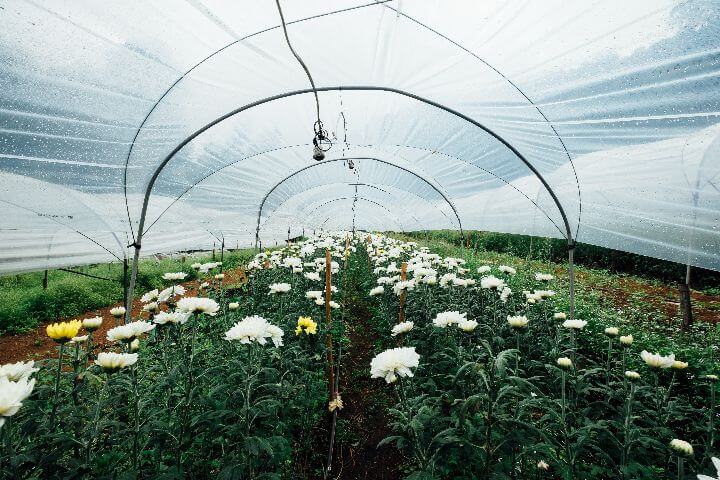
7. Failing to Plan the Layout and other Features
A well-planned tunnel avoids almost every issue – and that means planning not only where plants will go, but where paths will run and where everything else will go too.
Consider irrigation lines, bed access, storage, composting, and vertical structures. Sketching the layout first (or getting a designer to do so) helps you maintain crop rotation, airflow, and efficient watering.
8. Premature Planting or Planting too Late
Why It’s a Problem
Success in a polytunnel depends on sowing and transplanting at the right moment.
Too early and plants stall; too late and you lose valuable growing time. A polytunnel isn’t frost-proof. Early planting exposes seedlings to cold shock, slowed growth, or death, even when days feel warm. Plant too late and hot weather might cause bolting, or you just might not have time to get a good harvest from your crop.
Solution
- Use a minimum/maximum thermometer.
- Add fleece, cloches, or mini-tunnels inside the polytunnel for extra protection.
Delay planting warmth-loving crops until night temperatures are stable, but make sure you know when to sow, and don’t sow too late either – check the recommended sowing time and time to harvest for your crop to avoid mistakes.
9. Planting Too Densely
Why It’s a Problem
Overcrowding reduces airflow, spreads disease, and forces plants to compete for food and water. It also makes watering and harvest awkward.
Solution
- Follow recommended spacings.
- Use vertical supports for tomatoes and cucumbers to lift them off the ground and free up space.
10. Watering Too Much or Too Little
Why It’s a Problem
Polytunnel microclimates intensify watering mistakes, so polytunnel mistakes relating to watering are among the most common. Overwatering creates fungal disease and weak, sappy growth. Too little water stalls crops and damages fruit quality.
Solution
- Water deeply but infrequently.
- Test soil moisture at root level—don’t rely on surface dryness.
- Use mulches and raised garden beds to stabilise moisture levels.
11. Bad Plant Positioning
Why It’s a Problem
Plants with different needs struggle when placed in unsuitable microclimates. Tall or leafy crops can shade fruiting plants, reducing their productivity.
Solution
- Place tall crops on the north side so they don’t shade others.
- Grow heat-lovers like tomatoes, cucumbers, and peppers in the warmest central areas.
- Use cooler edges for herbs, salad greens, or shade-tolerant plants.
12. Ignoring Soil Condition Over Time
Why It’s a Problem
Soil inside a tunnel is worked intensively and quickly becomes depleted. Without renewal, organic matter reduces and compaction sets in. So many gardeners forget that everything comes back to the soil, and its fragile web of life.
Solution
- Add compost every season.
- Grow green manures over winter.
- Refresh soil inside raised garden beds, which are easier to maintain and top up.
13. Allowing Weeds to Gain Control
Why It’s a Problem
The warm, damp environment of a polytunnel allows weeds to flourish rapidly. While many plants that we can weeds can be very useful plants, often well-adapted to the areas we call home, allowing weeds to take over is not a good idea. They steal nutrients, spread pests, and reduce airflow.
Solution
- Mulch generously.
- Weed lightly and often.
- Use a weed membrane or cardboard on paths to block regrowth.
14. Using “Big Amounts of Everything”
Why It’s a Problem
New growers often sow too many seeds, overfeed, or over-amend soil. Excess leads to nutrient imbalance, plant burn, or overcrowding.
Solution
- Start small.
- Keep notes.
- Scale only when you understand your space and conditions.
15. Cramming Things In
No matter how large the polytunnel is, you will want more space! Polytunnels encourage ambition and once you see how productive the space is, you’ll fill it quickly. It is not just about planting – it is also about access and usability.
Cramming too many crops reduces yield, but equally, not ensuring good access can just make things much more difficult over time. Keeping wide aisles and designing flexible modules (movable pots, shelves, and multi-use beds) allows you to adapt each season.
16. Not Adapting Season to Season
Things can look very different year-to-year. Humidity, temperature swings, pests, and disease pressure all change annually. This is normal. A polytunnel gardener must adapt each season – what worked brilliantly one year may need tweaking the next. Keep a log to guide improvements.
17. Not Developing a Holistic Pest Management Strategy
Polytunnels offer some protection, but pests can still be a problem. Slugs, aphids, red spider mites, thrips, and mice thrive in sheltered environments.
Prevention is easier than cure – use physical barriers, companion plant to attract natural predators, and to repel, confuse or distract pest species, keep plants healthy with the right placement and care, and clean up plant debris quickly. Ventilation reduces pest-friendly humidity.
Practical Tips for a Trouble-Free Polytunnel
- Vent daily during summer.
- Water deeply, not constantly.
- Improve soil structure with compost and other organic matter.
- Reinforce the structure with anchor plates in windy regions.
- Review the layout each season and avoid repeating mistakes.
Conclusion
A polytunnel is one of the most rewarding additions to a garden—but it performs best when well-planned, well-ventilated, and managed with care. By avoiding these 12 common polytunnel mistakes, you’ll create a productive, resilient, and enjoyable growing space that supports healthy harvests all year.
What size polytunnel should I start with?
Start with the largest size you can manage comfortably—most gardeners outgrow small models quickly.
Do I need planning permission?
Often no, but it depends on size, location, and local regulations. Always check with your authority.
When is the best time to install a polytunnel?
Autumn or early spring—when soil is workable and winds are generally lower.
Should a polytunnel be in full sun?
Yes. Maximum light equals maximum yield.
Should I leave the door open?
In warm weather, yes—for airflow and temperature control.