

Discover the vibrant world of nasturtiums! These colourful blooms are not just a visual treat but a powerhouse in the garden. Find out the best companion plants with nasturtiums here.
Nasturtiums (Tropaeolum) are among one of the most straightforward and fastest growing plants, flourishing with a profusion of bright flowers from the start of summer until the early frosts of autumn. However, whilst these plants are beautiful and are bound to boast plenty of colour in your garden, what should you plant with them, and do they also work well as companion plants? In this article, you will learn about the unique benefits of using nasturtiums as companion plants, as well as what plants work best as companions for nasturtium. Learn how these cheerful flowers aid vegetable garden health, attract beneficial insects, and repel pests.
Key Points:
- Grasp how nasturtiums contribute to a healthier garden ecosystem.
- Identify which vegetables and fruits gain the most from being paired with nasturtiums.
- Understand the pest-deterrent qualities of nasturtiums and how they protect your garden.
- Discover straightforward planting and maintenance advice for thriving nasturtiums.
- Learn how incorporating nasturtiums can improve the taste and productivity of your garden vegetables and fruits.
Nasturtiums in Companion Planting: Why Nasturtiums Excel as Companion Plants
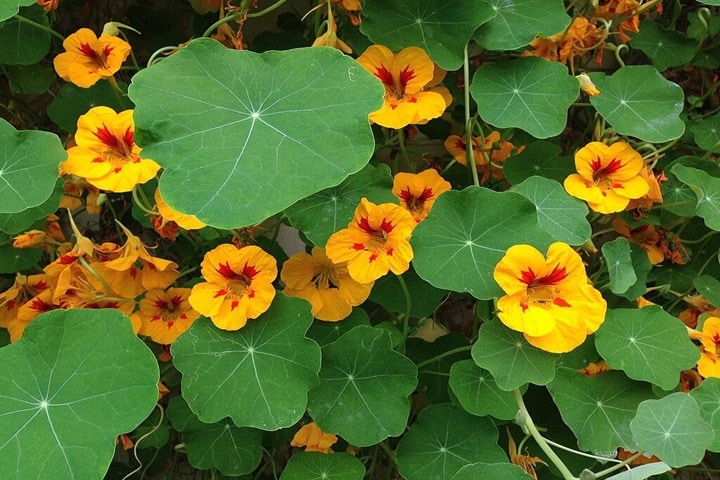
Nasturtiums offer a natural and effective way to improve garden health and biodiversity. Nasturtium companion planting is beneficial for several reasons:
- Nasturtiums are great at drawing bees and other pollinating insects, which are crucial for the success of many fruits and vegetables.
- Acting as natural pest deterrents, they deter aphids, weevils, and beetles away from more valuable crops, functioning as a trap crop.
- They lure beneficial predatory insects that feed on common pests, helping to naturally reduce pest populations.
- The distinct aroma of nasturtiums can confuse and repel certain pests, offering a scent-based shield for nearby plants.
- Their rapid growth helps to cover bare ground, conserving moisture and protecting soil structure, while their decaying matter enriches the soil.
Easy Planting and Care
For those gardeners that prefer plants that require not a lot of work, nasturtiums thrive with minimal care, making them a perfect plant for novice gardeners and a fun project for children. They can be grown in various conditions from full sun to partial shade and prefer poorer soils, which promote more abundant flowering.
Whether you choose the climbing or bushy varieties, nasturtiums are sure to add both beauty and utility to your garden.
Fruits and Vegetables That Benefit from Nasturtiums
When considering nasturtium companion plants, many vegetables notably benefit from their presence:
Cucurbits
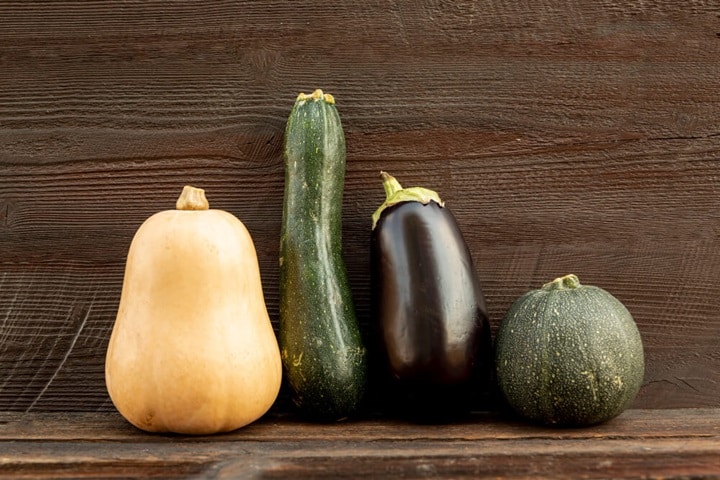
Cucumbers, squash, pumpkins, and melons thrive alongside nasturtiums. They serve as a protective barrier, attracting pollinators essential for fruit sets and drawing pests away from these crops. Their presence can mitigate the risk from aphids and flea beetles, thanks to their dual role as both a lure and a trap crop.
Brassicas
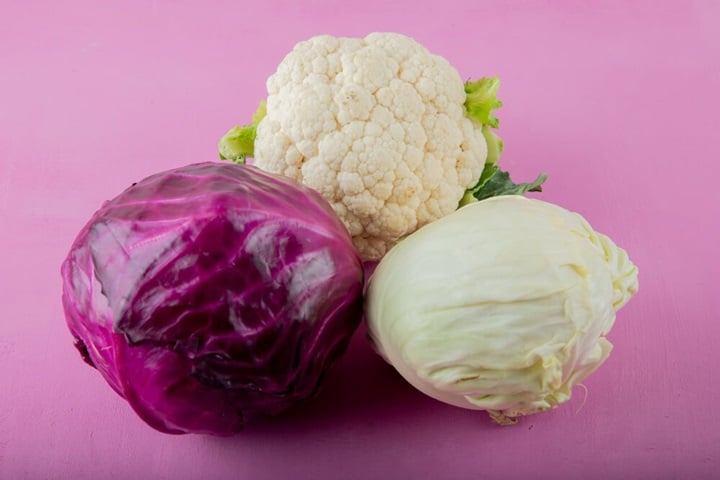
Cabbage, cauliflower, and kale, broccoli, and brussels sprouts benefit as nasturtiums can deter pests like cabbage loopers and flea beetles.
Although brassicas are nutrient-hungry and can overshadow less vigorous companions, strategically placing nasturtiums can help with their growth. These flowers can help retain soil moisture under brassicas and deter pests like caterpillars which pose threats to these vegetables.
Nightshades
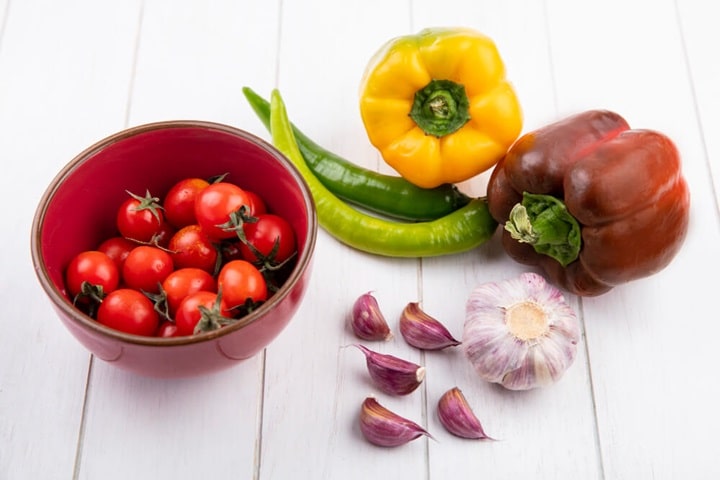
Tomatoes, peppers, and eggplants enjoy the pest deterrent properties of nasturtiums while also potentially benefiting from flavour and fruit production.
Legumes
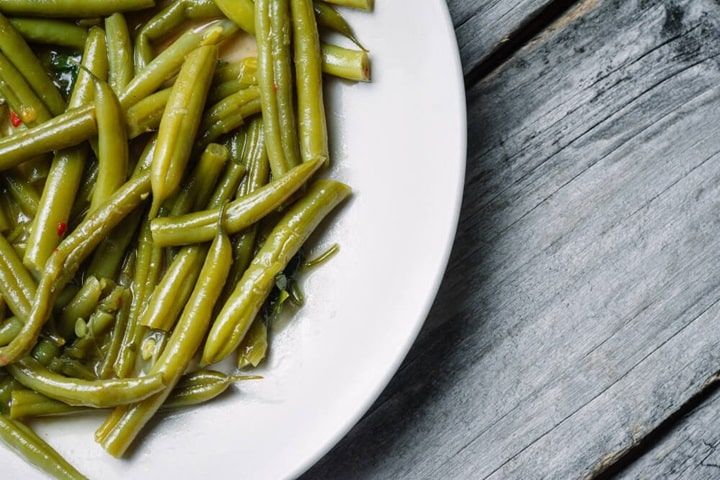
For gardeners growing climbing varieties like French beans or runner beans, nasturtiums can be a boon. They not only attract beneficial insects but also help manage aphid populations, which often target legumes.
Additionally, their ability to coexist next to nitrogen-fixing plants helps improve the overall fertility of the soil, benefiting all neighboring plants.
Companion Planting Tips
To make the most of nasturtium companion planting:
- Spacing and Positioning: Ensure nasturtiums have enough room to grow without overshadowing smaller plants or being overwhelmed by larger ones.
- Soil and Watering: While nasturtiums are undemanding, they perform best in well-drained soil and with moderate watering, especially in hotter climates.
What to Avoid Planting with Nasturtiums
While the benefits of companion planting with nasturtiums are extensive, there are considerations to ensure they don’t compete adversely with their plant neighbors:
- Plants that spread quickly, like mint or some groundcovers, might overwhelm nasturtiums.
- Avoid planting nasturtiums near other plants that have similar nutrient needs to prevent competition for resources.
Fruit Tree Guilds and Forest Gardens
Incorporating nasturtiums into fruit tree guilds and forest gardens can be particularly effective. They function well on the sunny edges of these plant communities, providing ground cover that looks attractive while also contributing to the health of the ecosystem.
Nasturtiums help in creating a balanced environment by attracting beneficial insects and serving as a natural pest deterrent, thus protecting the fruit trees and other perennials.
By planting nasturtiums, gardeners can ensure a more resilient planting scheme. Although they are annuals in cooler climates, their tendency to self-seed makes them a low-maintenance choice for ongoing garden health.
Strategic Planting Considerations
When integrating nasturtiums into any garden setting, consider the following:
- Spacing: Ensure that nasturtiums have enough space to thrive without competing aggressively with other plants for light and nutrients.
- Positioning: Utilise nasturtiums on the borders or fringes of gardens to maximise their benefits without allowing them to overshadow smaller plants.
- Soil Conditions: While they are adaptable, nasturtiums do best in well-drained soil and can perform well even in poorer soils, which actually helps to increase their flowering potential.
Nasturtiums in the Kitchen
Beyond their garden utility, nasturtiums are a culinary delight. The flowers, leaves, and seeds are all edible, adding a peppery zest similar to watercress to salads, sandwiches, and garnishes.
High in vitamin C, nasturtiums are not only tasty but nutritious. Their seeds can be pickled and used as a caper substitute, providing a homegrown touch to your culinary creations.
Add Nasturtiums To Your Polytunnel
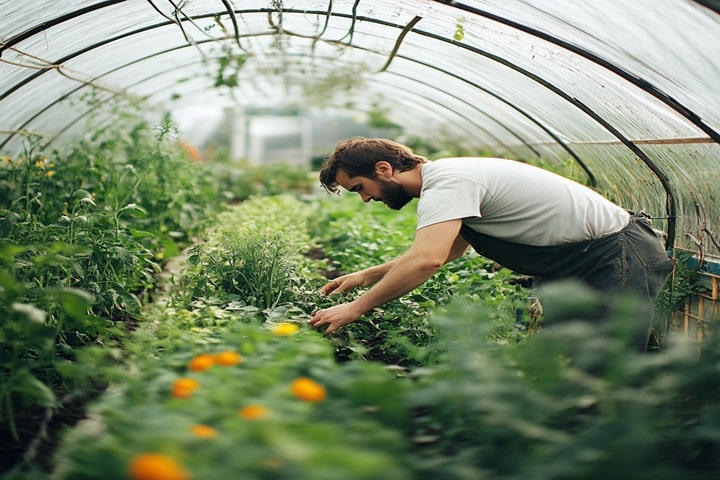
Whether you’re looking to boost your crop results, aid natural pest control, or simply add beauty to your gardening space, our range of polytunnels uk creates the ideal growing climate. Embrace the benefits of nasturtium companion planting within these protective structures to maximise your garden’s productivity and health all year round.
Add Colour To Your Garden with Nasturtium Companion Planting
In conclusion, nasturtiums are not only a colourful addition to the garden but also a powerful ally in promoting biodiversity and improve garden health. Their ability to attract beneficial insects, deter pests, and improve soil conditions makes nasturtium companion planting an invaluable strategy for any gardener. By integrating these vibrant plants into your garden, you can enjoy both their visual splendor and their functional benefits, making your gardening efforts more productive and enjoyable.
FAQs
What does nasturtium repel?
Nasturtiums repel various garden pests including aphids, whiteflies, and cucumber beetles.
Do Nasturtiums like pots or ground?
Nasturtiums thrive in both pots and the ground, as long as they have enough space and well-drained soil.
Where is the best place to plant Nasturtiums?
The best place to plant nasturtiums is in full sun to partial shade with light, well-drained soil.
Do nasturtiums grow back every year?
Nasturtiums are annuals and do not typically grow back every year; they need to be replanted.
Do slugs eat nasturtium?
Yes, slugs do eat nasturtiums; they are often used as a trap crop to protect other plants.
Sources
Gardeners World. (2020) 10 vitamin C-rich fruits to grow. [online] Available at: https://www.gardenersworld.com/plants/10-vitamin-c-rich-fruits-to-grow/ [accessed 09/01/2025]