

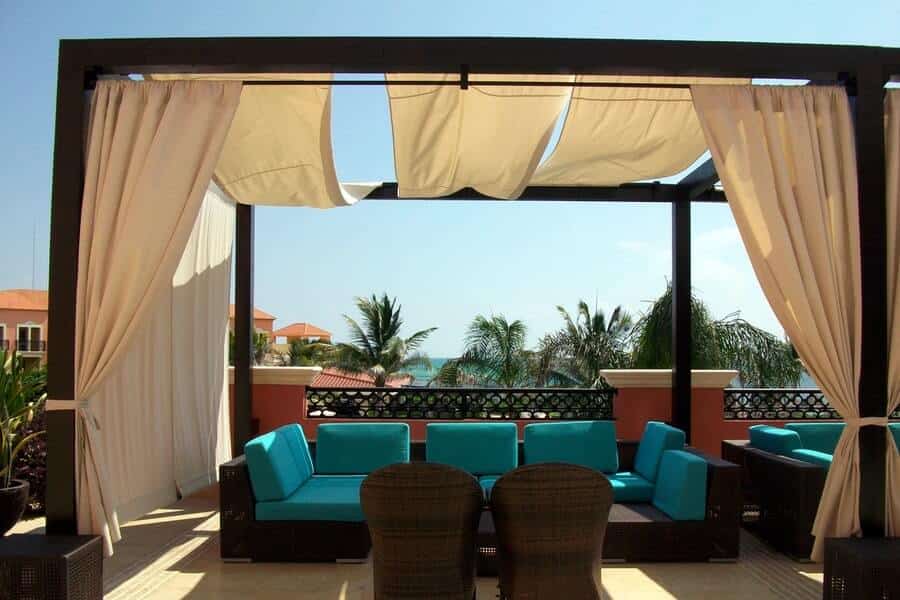
Creating indoor outdoor rooms in your garden is the perfect way to extend your living space, creating an outdoor area that you can enjoy and make good use of. If you are lucky enough to have a garden, then an indoor outdoor room can become an extremely useful extension to your home. And your home can feel more connected with the outside space.
But how can you blur the boundaries and create a cohesive home that includes both your outdoors and indoors space? In this article, we’ll talk about creating indoor outdoor rooms in your garden. And how the decisions you make can make both outside and undercover areas more interconnected. This is important. It can make a big difference to liveability in all your spaces. So read on to think about and examine this issue a little more.
Creating Indoor Outdoor Rooms With Undercover Growing Areas
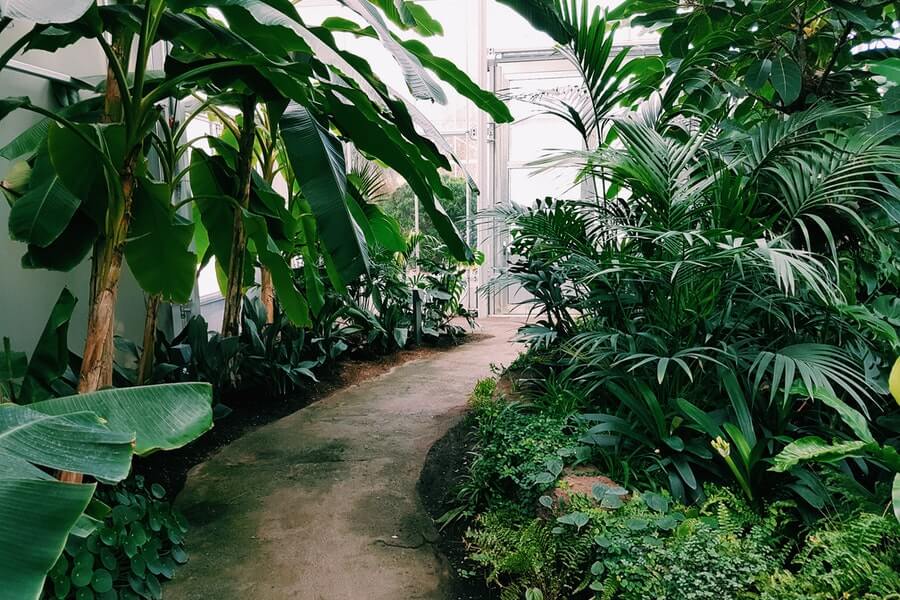
In a garden, undercover growing areas such as greenhouses or polytunnels can be used to create areas that are neither fully outdoors, nor part of the inside of your home. While it may be more usual to position these sorts of structures at some distance from your back door into your garden – in certain situations, these undercover areas may even adjoin a rear entrance. You might even pass through such a structure to reach the outside garden in a south-facing location.
Even where this is not sensible not feasible, it might be possible to create a covered or partially covered walkway to lead you from your back door and into this space. For example, a pergola might wrap around the corner of a site, linking the door to the home with the door to a polytunnel or greenhouse – forming a comfortable way to reach the growing area. And blending the boundary between the two.
When you have easier access from the home into an undercover growing area, this can make it easier to tend it. And it can also help the areas to feel more connected.
Creating Indoor Outdoor Rooms With Outside Seating Areas
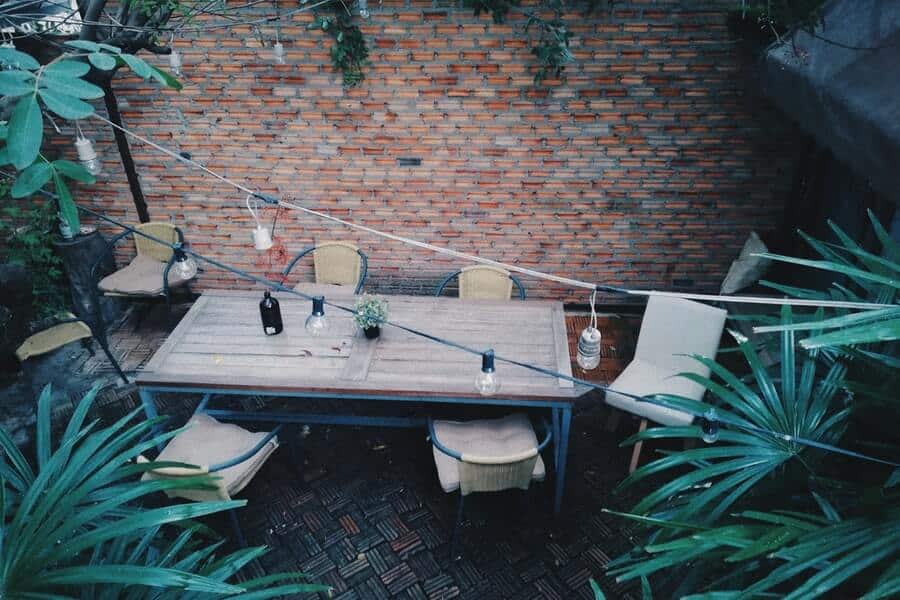
Creating a seating area outside the back door or doors of your home can also help the garden feel more connected to the rest of your home. This might be a covered or partially covered area. Or it might be entirely open to the elements. Either way, it should be a space that links indoors and outdoors and helps you to feel that you can spend plenty of time outdoors enjoying your garden throughout as much of the year as possible.
Remember, however, that a seating area might be positioned further from the door or doors into your garden. Where exactly you place a seating area will depend on sunlight and shade, and other environmental conditions and views.
If a seating area is placed, for example, at the far end of your garden, it is important to think about how you will reach it. The pathways that lead from a home to a seating area are a key feature of garden design. Think about the journey travelled across a space. And how the path can be designed to lead the eye, and the feet, seamlessly between the home and the outdoors seating area.
Creating Indoor Outdoor Rooms With Garden Rooms
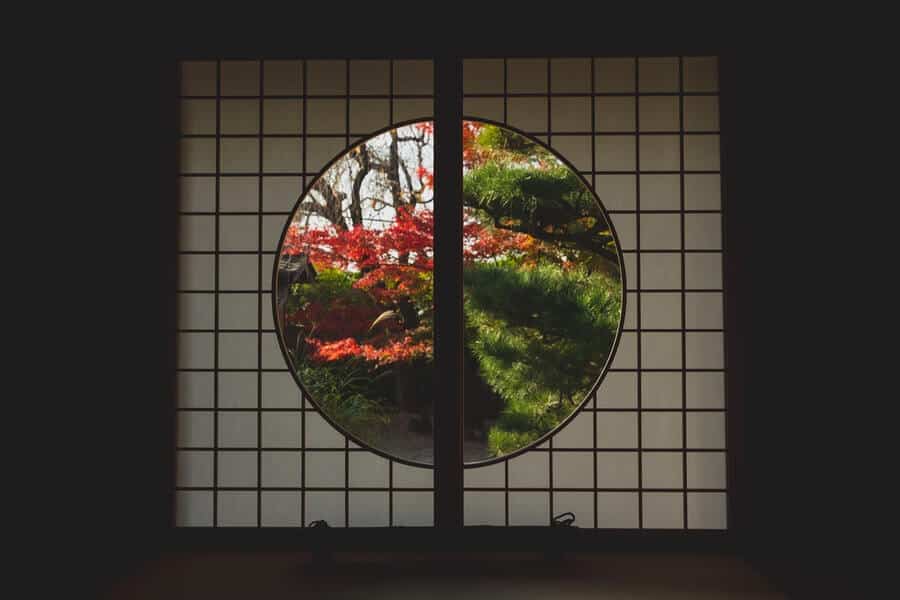
Remember, outdoors areas of your garden can feel connected to the indoors without actually being visible from the back door or doors. Sometimes, creating an effective garden design can be as much about what we do not see immediately as what we do. Creating a series of outdoors garden rooms can help your garden live up to its full potential, and help it to feel more at one with the inside spaces you enjoy.
Creating garden rooms is often about creating boundaries (with plants or man-made structures) between different zones. The different garden rooms can have very different atmospheres. And be designated for different functions. Creating a series of ‘rooms’ leading out from your home can help your garden feel more integrated with your home. There could be rooms for food production closest to the kitchen, seating areas and recreational spaces. And perhaps wilder and less frequently visited zones for wildlife further away.
Think about how hedges, borders, fences, walls, or polytunnels or greenhouses might be positioned to create boundaries between different areas. The view of the next ‘room’ might be obscured, or partially screened from view. So you can go on a gradual journey from indoors to ‘wild’ rather than taking the whole view in at the same time.
Creating Indoor Outdoor Rooms With Plant and Materials Choices
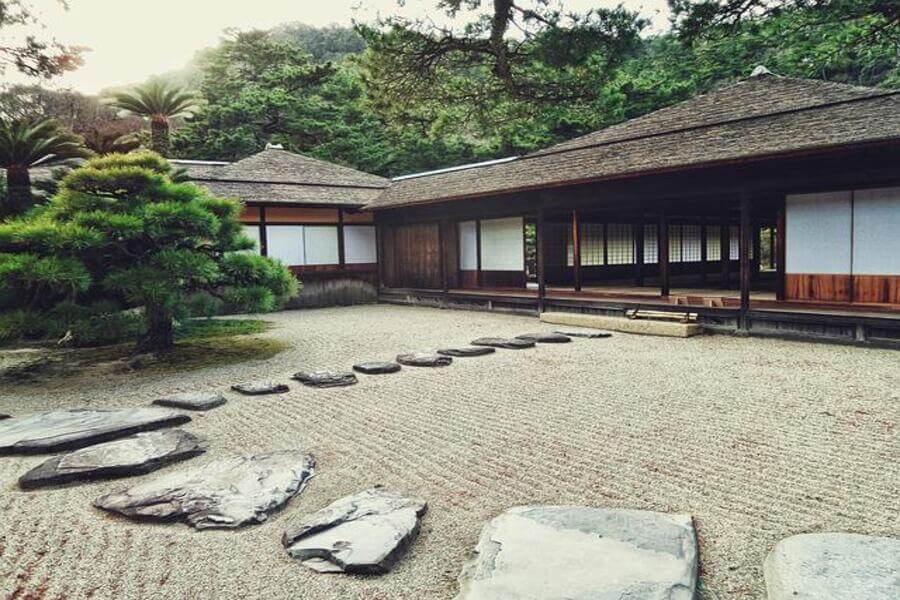
Pathways and practicalities are only ever going to be part of the picture. When it comes to blending outdoors and indoors, you also need to think about the cohesion and blurred boundaries that can come from other things.
Your plant choices and how you position plants are obviously important factors. For example, you might have indoor houseplants that ‘speak to’ plants positioned outdoors. These might be plants which complement one other and feel like they are part of the same scheme. Plants outdoors might feel like they lead the eye from the home to the far reaches of the space. And ‘borrow’ from the landscape beyond so your garden feels bigger than it actually is.
Materials choices for decking, patios or other man-made garden features can also be chosen. To reflect or complement materials inside the home. And this can also help make inside and outside spaces feel more connected.
Here are some perfect indoor outdoor plants that you might want to include in your indoor outdoor rooms:
- Caladium
- Geranium
- Myrtle
- Hibiscus
- Sweet Potato Vine
- Persian Shield[i]
Creating Indoor Outdoor Rooms With A Clever Courtyard
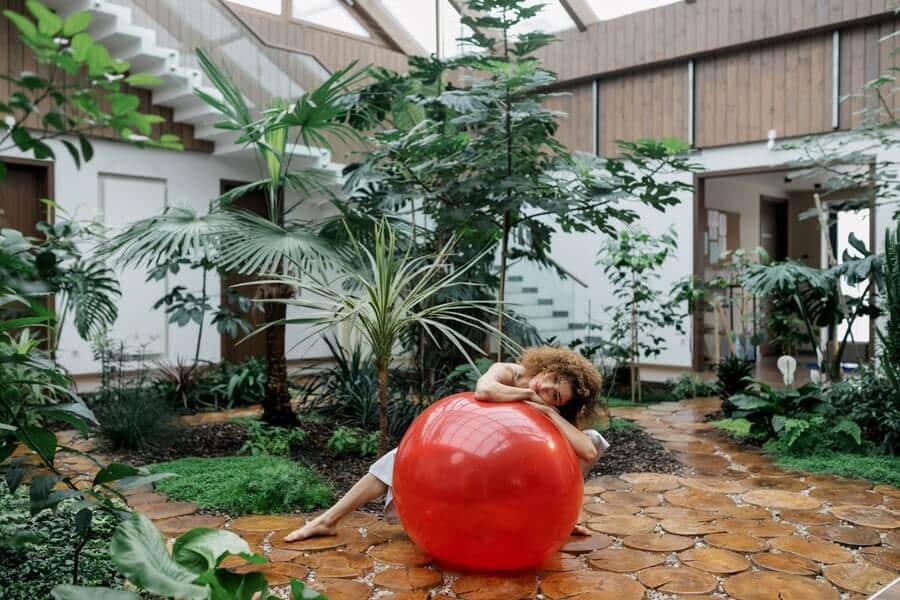
Courtyards are a charming addition to any home and, if you’re looking to blend the indoors and outdoors on your property, they’ll be perfect for yours! Even if you only have a small space, a courtyard will fit seamlessly, creating a cohesive harmony for an indoor outdoor room you’ll want to spend your time in.
Courtyards are customisable, so you’ll be able to squeeze one in almost anywhere. Enclosed courtyards are brilliant if don’t have a lot of outdoor space, but you can create an open courtyard in any space of your garden. If you’re looking to create an enclosed courtyard, make sure to add plenty of floor-length windows to achieve the perfect ‘indoor outdoor rooms’ atmosphere.
Plus, you can combine a charming courtyard with a garden seating area to further link the two zones. Add some chic accessories and some of your favourite photos to create a courtyard living room.
Thinking About Food Related Pathways and Outdoors Cooking and Dining
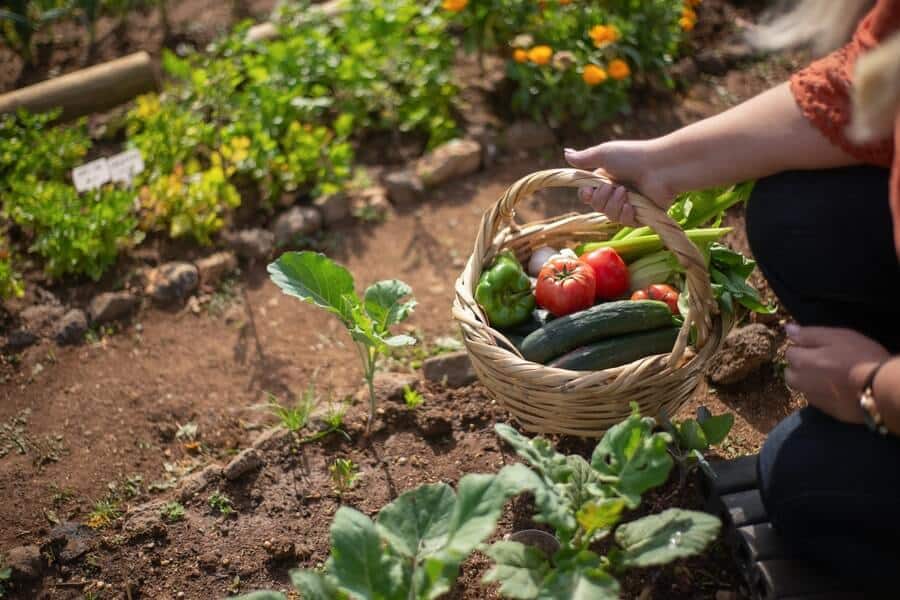
Another way to create indoor outdoor rooms in your garden is to think about how you can streamline the pathways taken by food you grow from soil to plate. By making it easier for you to garden and grow your own, then wash, prepare, cook and eat food, you can help the whole system, indoors and out, feel more connected.
One thing to think about, for example, is creating a washing station where you can clean off homegrown veggies. This should be somewhere along the pathway you take between your kitchen, and kitchen garden areas, and can help indoors and outdoors feel like they have a more integrated design.
Of course, the food you grow might not reach your indoors kitchen at all. You might have an outdoors kitchen area, with a barbecue, pizza oven or other outdoors cooking station. And a countertop area where fresh food can be washed and prepared.
And you might also have a place, between your kitchen and garden growing areas, perhaps, where you can enjoy dining outdoors. It might be open to the elements for al fresco dining in summer, or be a covered space.
Thinking about the pathways food takes around your garden and perhaps into your home can help you make spaces that feel more blended and harmonious, as well as being more practical day to day[ii].
Final Words On Indoor Outdoor Rooms
Of course, these are just a few tips to consider. There are plenty of ways that you can implement small ‘tricks’ and clever design. Blending outdoors and indoors is important. And when you bear in mind the above, it can be easier than you might think.
Do you have your own tips or suggestions to share? We’d love you to share them in the comments section below.
Sources
[i] https://balconygardenweb.com/outdoor-plants-that-can-be-grown-indoors/
[ii] https://www.spring-nutrition.org/publications/briefs/understanding-food-production-pathway