

Vertical gardening is a brilliant solution for those working with limited space or seeking to increase productivity within a polytunnel. By growing upwards rather than outwards, you can maximise your yields, improve airflow, and add layers of beauty and functionality to your growing space.
Whether you’re after a productive edible garden, a decorative green wall, or a mix of the two, there are a host of clever ways to embrace verticality with these vertical garden plants.
What is a Vertical Garden?
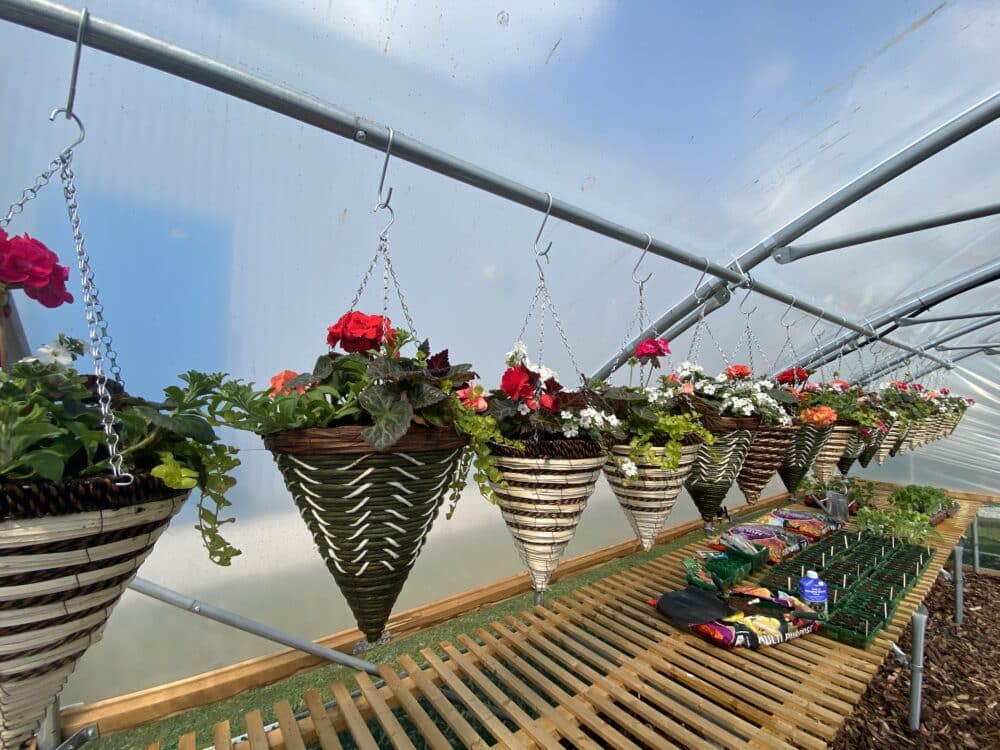
A vertical garden is simply a method of growing plants up rather than across. This can take the form of climbing plants on trellises, modular living walls, hanging containers, or stacked planters. Vertical systems can be functional and fruitful or highly ornamental – and often, the most delightful are both.
In a polytunnel, vertical gardening helps maximise growing space by utilising the often underused vertical plane. With strategic planning, a single square metre of ground space can support several square metres of plant growth.
Create Your Own Lush Paradise with Living Walls
Living walls – also called green walls – involve growing plants on vertical surfaces using pockets, panels, or other structures. These walls can add texture, interest, and biodiversity to your polytunnel, and they can be incredibly productive too. In a tunnel setting, a living wall can act as a microclimate regulator, help retain moisture, and even insulate the space in colder months.
To create a living wall, consider using upcycled materials such as old pallets, felt shoe organisers, or sections of guttering. Fabric pocket systems can be hung on timber frames or attached to existing polytunnel walls. It’s important to consider irrigation – drip systems or capillary mats work well to ensure even watering throughout the structure.
Good drainage is essential. Avoid waterlogging by incorporating a mix of soil, compost, and other organic materials for aeration.
Transform Your Space With a Top-Notch Trellis
Trellises and supports are among the most common vertical gardening accessories. In a polytunnel, they make excellent use of headroom and are ideal for climbing crops such as beans, cucumbers, and tomatoes. You can create trellises from natural materials like hazel or willow, or reuse existing materials like wire mesh or pallet wood.
Trellising not only saves ground space but can also improve crop quality. Fruits hanging from vines are less likely to rot or be damaged by soil splash. It also makes for easier harvesting and can enhance airflow around the plant, reducing disease pressure.
For best results, install your trellis early, ensuring it is strong enough to bear the weight of mature plants. Regular tying-in or training of plants will be necessary throughout the season.
Vertical Gardens With Planting Pockets & Tower Gardens
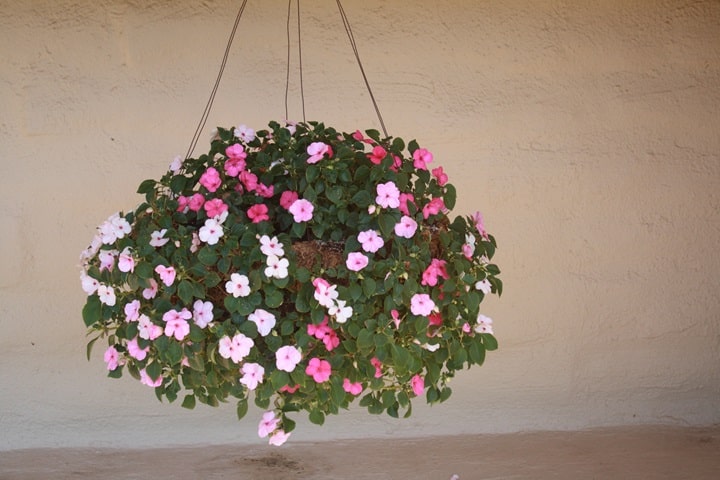
Planting pockets – fabric or plastic pouches attached to a frame or wall – offer a neat way to grow herbs, salad leaves, and strawberries vertically. Similarly, tower gardens, which are columnar structures with openings for plants, can be surprisingly productive while occupying minimal floor space.
You can build a planting pocket wall yourself or purchase ready-made systems. For tower gardens, DIY enthusiasts might use stacked tyres, cut-down barrels, or plastic pipes, while commercial options are widely available.
Vertical planters like these are excellent for quick-growing crops, and by rotating your plantings, you can enjoy year-round productivity. Modular towers or stacking pots are ideal for root vegetables like radishes and baby carrots, especially when filled with loose, friable compost.
Different Hanging Garden Ideas
Hanging baskets, stacked pots, or repurposed containers suspended from the tunnel’s frame can add both charm and practicality. They are particularly useful for trailing plants or species that benefit from increased air circulation. Think tumbling cherry tomatoes, strawberries, or even edible flowers like nasturtiums and violas.
Repurposing items like old colanders, milk bottles, or even shoes can add whimsy and reduce waste. Ensure all containers have good drainage holes and use a lightweight compost mix to prevent overloading support structures.
To manage watering, consider installing wicking systems or using self-watering pots. Keep in mind that hanging gardens dry out more quickly, especially in the warm conditions of a polytunnel.
The Benefits of Vertical Gardening
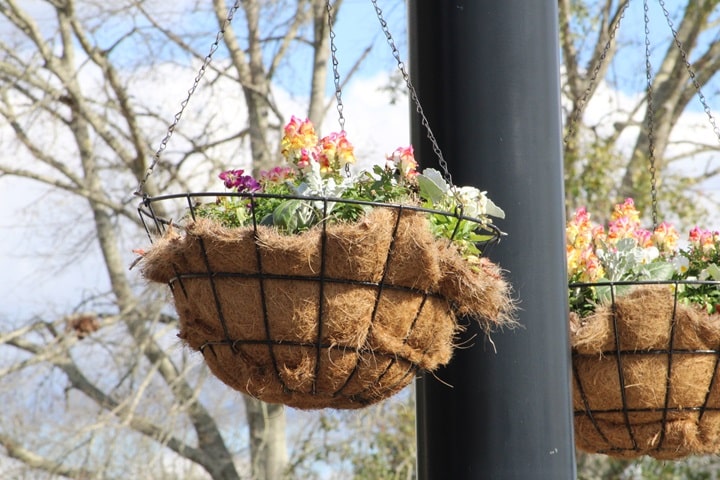
Vertical gardening within a polytunnel offers a host of practical and aesthetic advantages. It’s a clever, resourceful approach to growing that transforms how we think about space and productivity.
- Maximises Space: Perhaps the most obvious benefit is the efficient use of space. Vertical gardening allows growers to make use of the polytunnel’s full volume—not just the ground level. This is especially beneficial in small or densely planted tunnels where every inch counts. By growing upwards on walls, frames, or suspended supports, you dramatically expand the available growing area without increasing your footprint.
- Improves Airflow: Raising plants off the ground can significantly enhance air circulation. Better airflow helps reduce humidity around the foliage, which in turn lowers the risk of fungal diseases like powdery mildew or botrytis. Good air movement is especially vital in a polytunnel where conditions can quickly become warm and humid.
- Simplifies Harvesting: Vertical arrangements can make harvesting more ergonomic and accessible. Fruits and leaves are easier to see and reach when grown at eye level or above, reducing the need for bending or kneeling. This makes the process quicker and more enjoyable, especially for older or less mobile gardeners.
- Increases Yield: By extending the productive growing surface vertically, you can grow more plants in the same area. Stacked planters, towers, or trellises all allow for multiple layers of crops, often with different growing habits, coexisting harmoniously.
- Reduces Pest Pressure: Many ground-dwelling pests—such as slugs, snails, and some soil-borne insects—find it more difficult to reach crops that are elevated. While vertical gardens aren’t pest-proof, they can shift the balance in your favour.
- Aesthetically Pleasing: A vertical garden adds beauty and structure to a growing space. From lush green walls to cascading flowers and orderly towers, these systems create dynamic visual interest and an immersive environment.
- Encourages Diversity: Vertical growing allows you to grow a wider variety of plants in a confined space. Companion planting is easier when plants occupy different vertical layers, which can help deter pests, attract pollinators, and improve productivity overall.
- Microclimate Creation: Vertical installations can help regulate the polytunnel’s internal climate. Walls of plants can act as windbreaks or provide shade, moderating temperature and humidity while buffering delicate plants from extremes.
What are the Best Plants for a Vertical Garden?
Choosing the right plants depends on your structure, climate, and purpose – whether it’s food, aesthetics, or both. However, the below should help you to make plant choices for a vertical garden scheme within a polytunnel garden:
Best Plants for Living Walls
- Lettuces & Salad Greens – Fast-growing, lightweight, and shallow-rooted.
- Strawberries – Perfect for planting pockets, they trail down beautifully.
- Thyme, Oregano, Chives – Hardy herbs that handle drier pockets well.
- Nasturtiums – Edible, colourful, and trailing.
- Houseleeks (Sempervivum) and other Succulents – For ornamental, dry, or low-care zones.
- Air plants – these don’t need soil at all, making them perfect for wall-mounted frames or artistic displays.
Best Plants to Grow on a Trellis or Supports
- Tomatoes (cordon varieties) – Thrive when supported and trained.
- Cucumbers – Especially mini or gherkin types.
- Pole Beans & Runner Beans – Natural climbers, highly productive.
- Sweet Peas – For colour and fragrance.
- Squashes (compact types) – With some support for heavy fruit.
- Peas – Compact varieties can be excellent for early-season trellises.
Best Plants For Vertical Gardens With Planting Pockets & Tower Gardens
- Spinach & Chard – Continual harvest and good vertical form.
- Basil, Parsley, Coriander – Perfect for moist, sheltered pockets.
- Mini Carrots – Especially in deeper towers.
- Lamb’s Lettuce & Mizuna – Great for cooler months.
- Chilli Peppers (compact types) – Look stunning and are productive.
Best Plants For Hanging Gardens
- Trailing Cherry Tomatoes – Especially small-fruited types.
- Strawberries – Ideal in hanging pots or wall pouches.
- Herbs like Mint & Lemon Balm – Best in isolated pots to avoid spreading.
- Calendula & Violas – Edible flowers that add beauty and attract pollinators.
- Dwarf Peas – Some varieties cascade attractively.
By thinking vertically in your polytunnel, you can turn a simple growing space into a vibrant, multi-layered garden teeming with life and productivity. Whether you opt for living walls, tumbling towers, or towering trellises, there’s a vertical garden scheme to suit every grower and every goal. Start small, observe closely, and let your vertical garden grow organically into something truly special.
FAQs
Do vertical garden plants need special soil or compost?
In most cases, vertical garden plants benefit from a light, well-draining mix. Standard garden soil is often too heavy. Use a blend of multi-purpose compost, coir, or other organic matter. For living walls and towers, ensure your mix retains moisture but doesn’t become waterlogged. Adding slow-release organic fertilisers can improve performance in enclosed systems.
How do you set up a vertical growing system inside a polytunnel?
Assess Your Space: Consider height, light levels, and available support structures.
Choose Your System: Trellis, pocket planters, towers, or hanging containers.
Secure Fixings: Ensure everything is stable and able to withstand plant weight and watering.
Prepare Soil Mix: Use light, nutrient-rich, well-draining media.
Plan Irrigation: Drip systems, capillary mats, or hand watering all need forethought.
Select Plants Strategically: Choose by light requirements, root depth, and growth habit.
Maintain: Regular watering, feeding, pruning, and pest checks are essential.
Are there pests to watch out for with vertical plants in polytunnels?
Yes, vertical systems can still attract pests. Keep an eye out for:
Aphids – Especially on soft-stemmed crops like peas and lettuce.
Slugs and Snails – May climb up if lower levels are damp.
Red Spider Mite – Common in hot, dry polytunnel conditions.
Whitefly – Attracted to the undersides of leaves.
Use organic solutions such as neem oil, insecticidal soap, or biological controls. Ensure good airflow and monitor regularly to catch issues early.
Sources
Osborn, N., (2025) The 7 vegetables you can grow vertically to maximise growing space in a small garden. Ideal Home. [online] Available at: https://www.idealhome.co.uk/garden/garden-advice/vegetables-you-can-grow-vertically