Overwintering chilli plants can be an interesting option to consider if you can create the right conditions for winter in your undercover growing area.
Gardeners in the UK will often focus on growing crops as annuals during the summer months. But with the right approaches, you can potentially grow your own food not only during the warmest months but all year round.
If you have a frost-free polytunnel or other undercover growing area, you can potentially grow warm season crops typically grown as annuals in the British Isles to fruit again the following year. This is what overwintering chilli plants is all about. What are polytunnels?
What Does Overwintering Chilli Plants Mean?
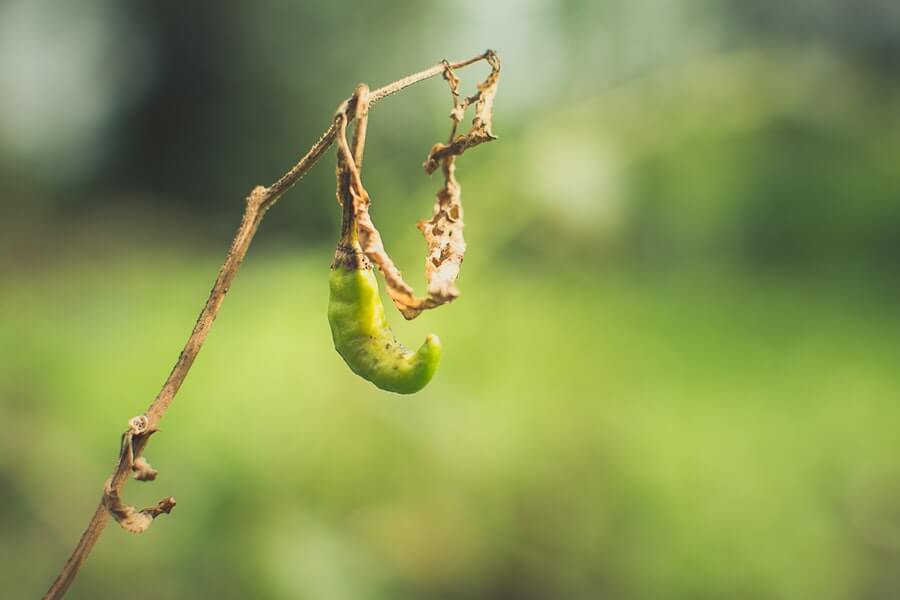
If you are unfamiliar with the term ‘overwintering’ – this means exactly what it sounds like. It is about creating the conditions required to allow these tender plants to survive in a dormant state over the winter months.
Practically, what this means for UK gardeners is providing frost-free areas for Chilli plants, where the temperatures will ideally remain above around 5 degrees C at all times through the coldest part of the year.
Why Is Overwintering Chilli Plants A Good Idea?
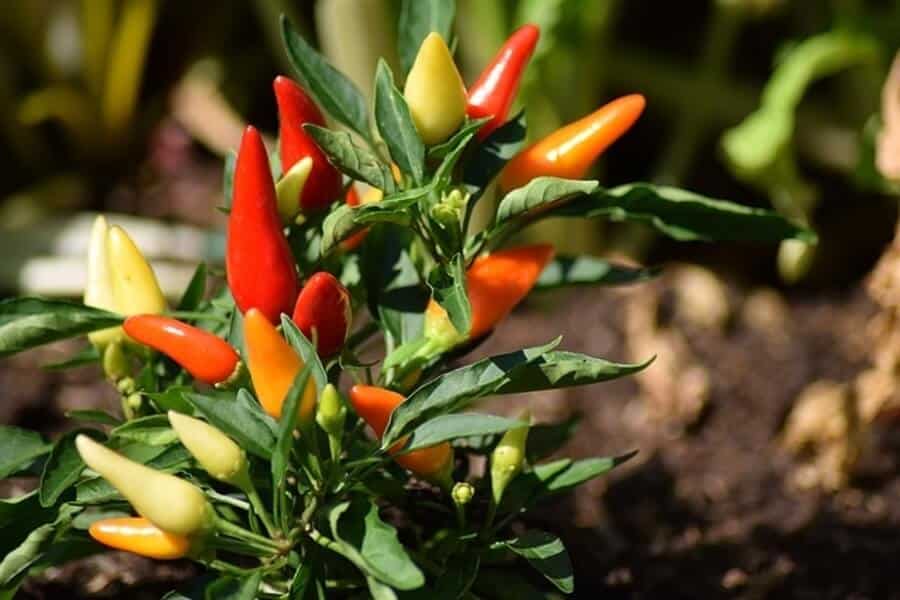
Though chillis are usually grown as annual summer crops in the UK, these plants are actually perennial in warmer climate zones. This means that when they are not killed by frost or cold temperatures in the winter months, they can potentially survive and fruit again over more than one year.
The biggest challenge for those who would like to overwinter chillis in a temperate climate is providing the temperatures that these plants will need over the winter months. But where you can provide protection from winter temperatures, and regulate the environment effectively, you can benefit from overwintering a chilli plant.
Chilli plants that have been overwintered will have a head-start on those new chilli plants sown early in the year. And they may well fruit more successfully, and from a little earlier too.
If you are attempting to grow chillis that take a little longer to mature, then overwintering can help you make sure that you have more mature fruits to harvest before the end of the subsequent growing season.
Which Chillis Can Be Overwintered?

There are many different types of Chilli that can potentially be overwintered when provided with the right conditions. However, it is important to note that some types and cultivars will overwinter more successfully than others.
Capsicum pubescens, for example, is one type of chilli that tends to fare better with this treatment. And other types may not always make it through the winter so successfully.
Even with those types best suited to overwintering, it is important to recognise that this is not a certain undertaking. Not all plants will make it through the winter, in spite of your best efforts.
However, where you can provide the right conditions and provide the right winter care, there is nothing to be lost in giving this a go if you have a healthy and productive chilli plant that you would like to keep for another year.
How To Overwinter Chilli Plants

When overwintering chilli plants successfully, preparation and planning are key. You also need to provide the right care over the winter months, of course, in order to have chilli plants to plant out into your undercover growing areas in spring.
Growing Healthy Chilli Plants From Seed

For overwintering chilli plants to be successful, you should be thinking about this job from early the year before, since the process begins with growing healthy and happy chilli plants in their first season.
In the UK, chillis are typically sown indoors early in the year, often around the same time as tomato seeds are sown. When sowing indoors early in the year, light and heat are the primary considerations. Using a propagator can make this job much easier – providing the temperatures required for germination to take place.
Seedings should be potted up individually and grown on, then planted out into a polytunnel or outdoors in an appropriate location once the weather has well and truly warmed in the spring.
Overwintering chilli plants means making sure that your plants are as healthy as possible. Companion planting around your chillis can help with pest control, and keep your plants as happy as can be as they flower and then fruit, and as the fruits mature.
It is after you have harvested the chillis that you can select your very best and healthiest chilli plants for overwintering.
Overwintering Chilli Plants in Pots
Overwintering your chilli plants in pots offers the advantage of mobility, allowing you to keep the plants warm enough during cold months. Here’s a step-by-step guide to effectively overwinter your chilli plants:
- Keep Outdoors as Long as Possible: Leave your chilli plants outside in a protected spot until the temperatures consistently begin to drop.
- Indoor Relocation: Once it gets too chilly outside, typically when temperatures are constantly dropping below 10 °C, it’s time to move your plants indoors. Choose a cool but well-lit room where temperatures are stable between 10 and 15 °C. It’s crucial that the temperature does not dip below 10 °C to avoid frost damage.
- Winter Dormancy: During the colder months, if kept in cooler conditions, your chilli plants will enter a dormancy phase. They won’t produce fruit but will conserve energy, preparing for the next growing season.
- Warm Location Option: If you prefer, you can also overwinter your chillies in a warmer spot such as a sunny conservatory, a heated greenhouse, or near a sunny window. Here, the temperatures should not exceed 20 °C. This warmer environment may encourage the plants to continue flowering and possibly bearing fruit throughout the winter. However, be mindful that higher indoor temperatures can increase the risk of pests, like spider mites.
- Light Requirements: Ensuring consistent light is essential as insufficient light can cause the plant to deteriorate. A brightly lit spot without direct harsh sunlight is ideal.
Providing Conditions to Overwinter Chilli Plants

Providing the right conditions for overwintering chilli plants in the UK is really the most important step in this process, and the factor that will determine how successful your efforts will be.
Temperatures are the main consideration. Overwintering chilli plants successfully means that you need to provide conditions of between 5 and 12 degrees over the winter, and ensure without fail that frost-free conditions are maintained.
These conditions can be maintained within a cooler area inside your home, such as a porch or conservatory. You might also be able to maintain these conditions within a greenhouse or polytunnel, though if you are working with an unheated space, then additional protection will almost certainly be required.
Most who are overwintering chilli plants in a polytunnel greenhouse will do so within a heated propagator. But this may be a challenge if you do not have power to this area.
It may also be possible to overwinter chilli plants ‘off grid’ if you use other methods to keep the area warm. For example, you might consider creating a hot bed in your undercover growing area, covering this with a mini polytunnel or cloche to retain some heat.
Preparing Overwintering Chilli Plants
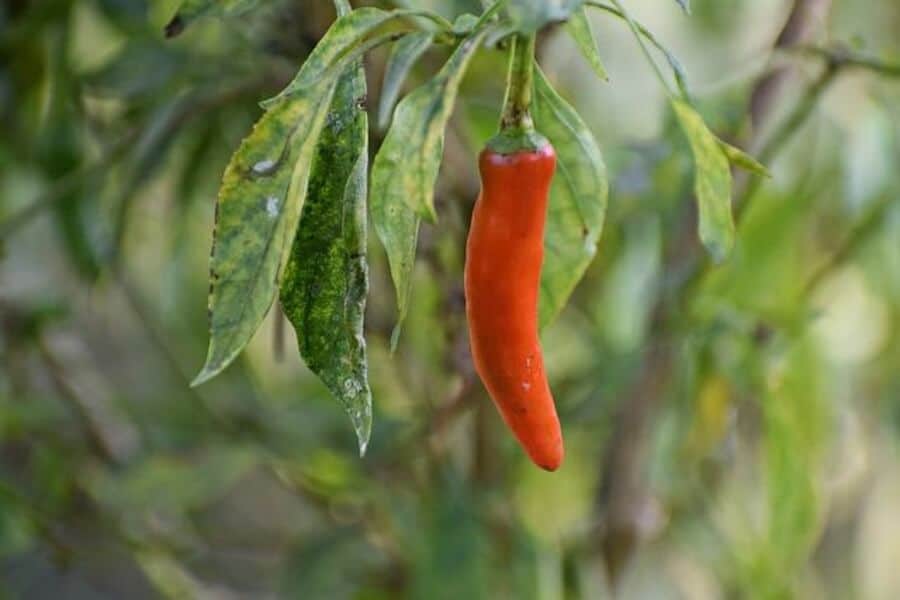
Over the winter months, chilli plants should not be in active growth. The idea is to keep them in a state of dormancy, so that they can resume growing in the spring. This is why it is best not to keep them at temperatures above around 12 degrees.
To give your chilli plants the best chance of surviving through the overwintering process, you need to select your plants carefully, then prepare those chilli plants.
To prepare for overwintering chilli plants, make sure that you have harvested all the fruits from your plants. Immature fruits that have not fully ripened may still ripen off the plant, especially if placed close to a source of ethylene gas (from ripening fruit) which will encourage them to do so.
As soon as leaves on the plant begin to droop and drop, it is time to give your plants a drastic prune. Cut off all but the lowest 10-15cm of the main stem.
Chilli plants growing in containers can remain in those containers for overwintering. If plants are growing in the ground or in raised beds, lift them carefully, and pot them up into a peat-free compost/ growing medium. That way, you can move them to a suitable location for overwintering that you have prepared.
Overwintering Care for Chilli Plants

While maintaining sufficient temperatures to prevent winter death is important, it is also important to maintain good airflow around the plants when overwintering chillis. Poor ventilation or overcrowding can lead to a range of bacterial or fungal issues.
So if you are using a propagator, make sure that the vents are fully open. And if you are using an additional cover such as a mini polytunnel or cloche, make sure that you remove this during the day on a regular basis to make sure there is still reasonable air flow around the dormant plants.
Another key thing to think about when taking care of dormant chilli plants over the winter months is that they will need some moisture – but far less than they require while they are in active growth.
Aim to water to keep the growing medium just moist, letting it almost dry out between waterings. Typically, you will only need to give your plants a drink every couple of weeks or so, though you should check weekly.
Make sure conditions do not become damp or waterlogged, and that excess water can drain away freely. Since an overly damp environment can cause fungal issues, such as root rot.
What To Do With Overwintering Chilli Plants in Spring
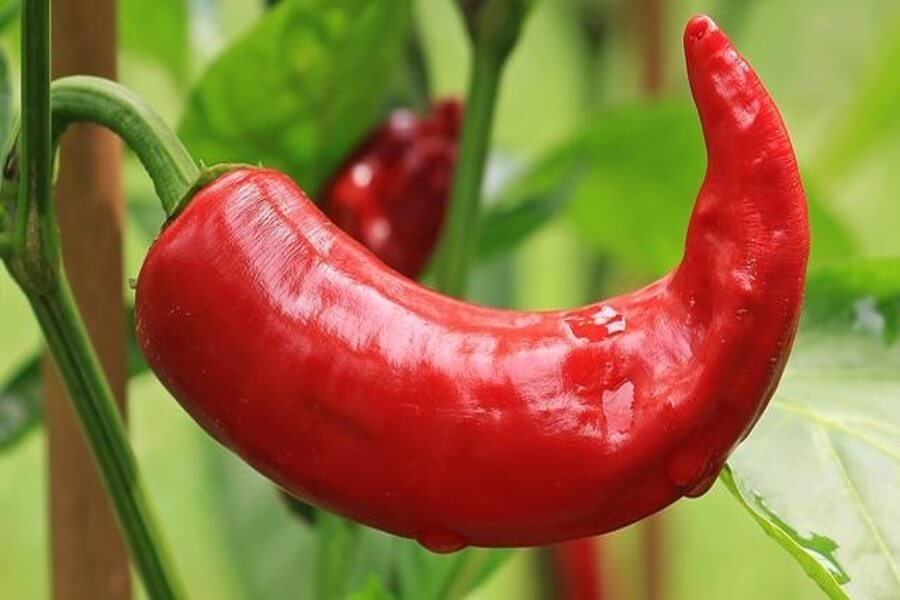
Chilli plants should be encouraged to re-enter a state of growth in late February or early March. You can do this by moving the plants to a warmer location inside, or by turning up the heat on a propagator. If you do have a propagator, temperatures of around 21-22 degrees are ideal.
Remember, plants which have been in these warmer and more protected conditions will require hardening off before they are moved to their final growing positions, whether this is a somewhat less protected spot within a greenhouse or polytunnel, or outdoors.
After hardening off for a couple of weeks, you can transplant your chillis to their summer growing positions from mid to late May – though it may be best to leave it a little later in colder parts of the UK. And you should check the weather forecast in a given year to make sure that a late cold snap is not due.

Are you having problems with growing chillis? Try this guide that answers common chilli plant problems.
FAQs
Is it worth overwintering chilli plants?
Yes, overwintering chilli plants is worth it as it can lead to an earlier and potentially larger harvest the following season.
What can I do with my chilli plants in the winter?
In the winter, move your chilli plants indoors to a cool, frost-free area with plenty of sunlight, and reduce watering to keep the soil slightly moist.
Should I cut back my chilli plant in winter?
Yes, you should cut back your chili plant in winter to help manage its size and shape, and to encourage new growth in the spring. Trim the plant back to 10-20 cm above the soil line.
Sources:
Agri Begri. (2023) 17 Common Pepper/Chili Plant Problems: How to Fix Them, Solutions, and Treatment. [online] Available at: https://blog.agribegri.com/en/blog/17-common-pepperchili-plant-problems-how-to-fix-them-solutions-and-treatment [accessed 23/09/24]