

Installing a polytunnel heater is not the only way to provide extra heat for under-cover plants. Polytunnel heating can often be energy intensive and is not always a sustainable or eco-friendly way to grow food or other plants over the winter months. The good news is that polythene tunnels can also utilise a range of other methods to protect polytunnel plants over winter. One such method is harnessing natural heat given off my decomposing organic material and making a hot bed in your polytunnel.
What is a Hot Bed?
A hot bed was an extremely popular method for greenhouse horticulture in the Victorian period. A hot bed is a raised bed that takes advantage of the fact that organic material gives off heat as it decomposes. The heat from beneath can help to protect tender plants from frost over the winter months.
A hot bed consists of a layer of a decomposing mix of straw and manure, topped by a thinner layer of growing medium into which seeds can be sown, or trays of seedlings can be placed.
What Materials Do I Need To Make A Hot Bed?
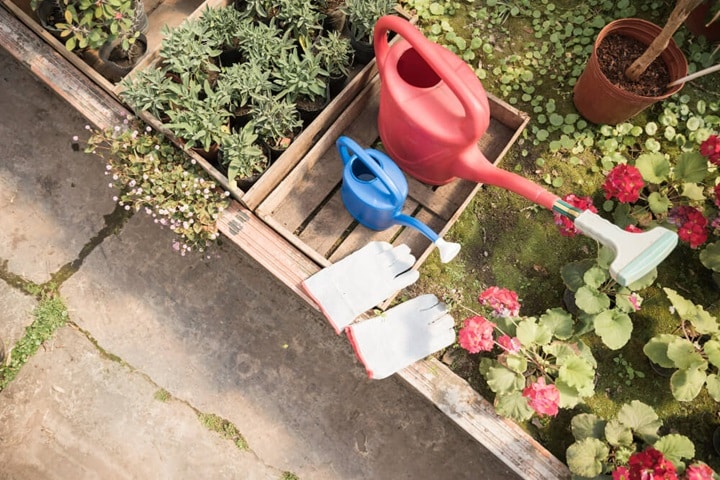
To make a heated bed in your polytunnel you will need:
- Edges to contain your raised bed. (Wooden pallets are a good choice. You could also increase the thermal mass (heat storing capacity) in your polytunnel by using stone/ brick/ clay or other such materials.)
- Enough straw/ manure or other organic, compostable materials to create a layer within your raised bed that is around 60-90cm deep (once compressed by treading down firmly, which will increase the heat release).
- A 1:1 mix of topsoil and compost, to create a topping of 20-30cm depth. (Ratio of heat-producing material to growing medium should be 3:1, as this will help to achieve an ideal temperature of around 24 degrees C.
How To Make a Hot Bed
To make your raised composting bed:
- Create a raised bed frame using your edging material. (The size and shape can vary – as long as you stick to a 3:1 ratio as described above.)
- Shovel your mix of manure and straw into the raised bed area that you have prepared.
- Tread on the mix to compress it and increase its heat producing capacity.
- Top this mix with your growing medium and rake this to a fine tilth (if direct sowing).
- Direct sow lettuce/ salad greens and other crops earlier in the year than it would be possible to sow elsewhere in your polytunnel or garden.
- You can also harness the heat even more effectively by covering your hot bed with a mini polytunnel, row cover or cloche, to create a much warmer micro-climate than the rest of your undercover growing area.
Ideal Manure for Creating a Hotbed
Dig into the centre of a compost pile with a fork, give it a stir, and you might see steam rising.
The core of a properly maintained compost pile can reach high temperatures—this natural heat has been harnessed by gardeners for centuries to extend growing seasons.
From the gardens of Roman Emperor Tiberius to those tended by Victorian gardeners, the use of hotbeds is a time-honoured tradition.
Setting Up Your Hotbed’s Cold Frame
Once your hotbed is assembled in a greenhouse or polytunnel, there’s nothing more to do. For outdoor setups, wait a couple of days and then position a DIY cold frame squarely over the pile. Next, add a 15cm (6in) layer of potting mix inside the cold frame to warm up—this is where your seeds or plants will go, not directly into the manure.
Cold frames can vary, but for better heat retention, choose a design that covers the hotbed with only about a foot of the edge exposed. The top of the frame, or the lid, should be angled towards the midday sun to capture maximum sunlight.
Begin your planting once the soil just below the potting mix reaches its peak temperature. Monitor the heat using a soil thermometer placed about 15cm (6in) deep. When the temperature stabilizes or starts to drop after a few days, it’s time to sow your seeds quickly.
Choosing Plants for Your Hotbed
The core of your hotbed can reach up to 65ºC (150ºF), providing a warm environment for weeks. At the surface, the temperature mimics that of a heated propagator, while the air above stays warmer than the outside air.
This naturally heated setting allows you to start your season early, perfect for growing a variety of cool-season crops like:
You can expect early harvests by mid-spring, ahead of other gardeners who are just starting to plant.
As the initial crops are harvested and the warmth from the hotbed begins to decrease, introduce tender plants like tomatoes, squash, zucchini, cucumbers, and dwarf beans. These will thrive on the rich nutrients left in the potting mix.
Remember to ventilate the cold frame on sunny days to maintain a healthy growing environment. At season’s end, the decomposed manure can be spread throughout your garden beds, enriching the soil for next year’s planting.
FAQs
When is the best time to start a hot bed?
The best time to start a hot bed is in late winter or early spring, about 1-2 months before the last frost date. This timing maximizes the use of natural heat for early seed starting.
How long does a hot bed stay warm?
A hot bed can stay warm for several weeks to a few months, depending on the volume of organic material used and external weather conditions.
Can I reuse a hot bed?
Yes, a hot bed can be reused. After the growing season, replace or refresh the organic material to maintain its heating capability for the next season.
Are there any disadvantages to using a hot bed?
The primary challenges include managing the heat to avoid overheating and the initial setup, which requires sourcing and handling large amounts of organic material. Proper maintenance and monitoring are crucial for success.
Sources
The Roman Empire. (n.d.) Emperor Tiberius. People & The Early Emperors. [online] Available at: https://roman-empire.net/emperor-tiberius/ [accessed 13/11/2024]