

How to Take Cuttings for a New Hedgerow
Taking cuttings for a new hedgerow is an effective way to create a garden partition or boundary that can be far more affordable than buying in a wide range of new plants.
In this guide, we will talk about why taking cuttings from existing plants or hedges could be the best way to make a new hedgerow. We will talk about how to take the cuttings, which plants to take them from, and how to grow a hedge from cuttings.
Read on to learn about how to undertake this job and save money on your eco-friendly and sustainable hedging protect.
Why Take Cuttings?
First of all, it is important to understand the different methods that can be used to create a new hedgerow and the benefits and downsides to each of these methods.
New hedges can be made using pot grown plants, or bare root plants that you purchase from a plant nursery or garden centre. The form in which they come will depend in part on the species that you wish to include in your hedgerow.
You can frequently find larger hedging plants, that will create a more instant effect. But planting smaller, more immature ‘whips’ can be cheaper and often establish more effectively than more mature specimens.
Rather than purchasing small hedging plants, or whips, you might also consider taking cuttings from established trees and shrubs in your own garden, or in those of neighbours, family or friends, in order to create a new hedgerow.
This method, of taking cuttings to create a hedgerow, can allow you to make the most of resources available to you for free, so you can create a new hedgerow without spending much money – if any at all.
When you take control for propagation of your own plants, rather than buying these in, this can be an eco-friendly choice as well as a budget-friendly one. You can avoid the need to purchase plants grown in peat, or which come in plastic. You can cut down on emissions due to transportation too.
Taking cuttings for a new hedge will not usually be the quickest way to proceed. And it won’t necessarily be possible with all the species that might be included in a hedgerow in the UK.
But as mentioned above, the financial and environmental benefits can certainly make this a worthwhile option to consider.
How To Take Cuttings For A New Hedge
Below, we’ve created a step by step guide on how to take cuttings for a new hedge, including information on which species might be suitable for taking cuttings from to create a hedgerow in the UK.
You Will Need:
- Healthy examples of the species from which you wish to make your new hedge.
- Secateurs or pruning shears.
- Gardening gloves (especially if dealing with prickly species).
The process to follow is as follows:
- Decide which species you wish to include in your hedgerow and which of these you might grow from cuttings.
- Select healthy shoots on the chosen plants and take your cuttings
- Pot up your cuttings until they root well, or plant your cuttings along the prepared ground of your chosen hedgerow line.
Choosing Plants for a Hedgerow from Cuttings
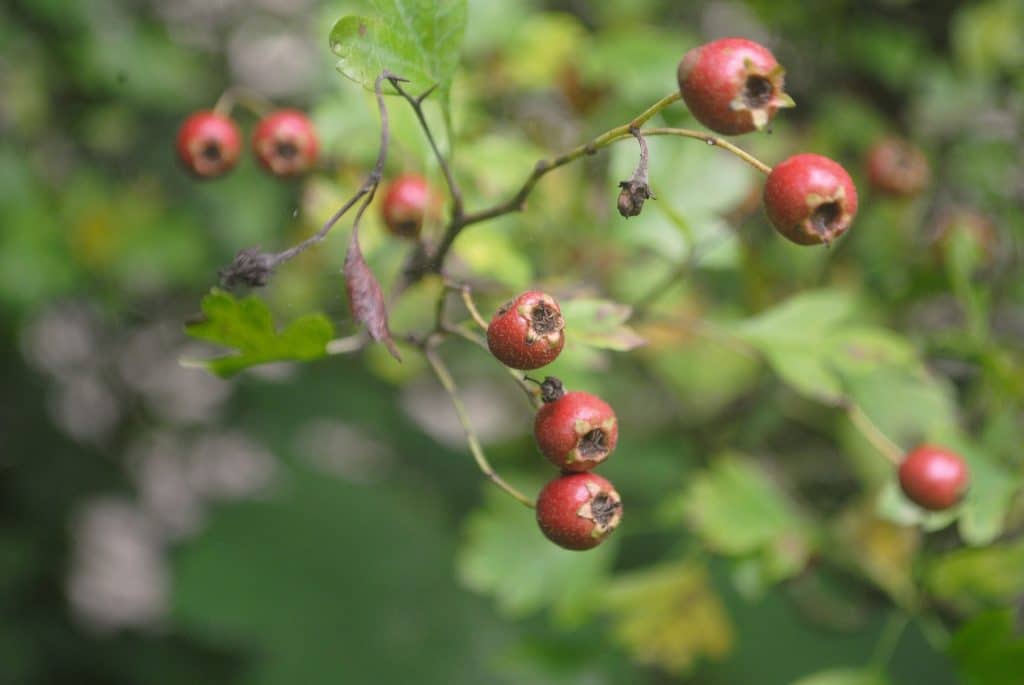
The most complex and interesting thing about creating a new hedgerow is choosing the plants. There are of course numerous different species that might be utilised in different situations and settings. Not all, but many of the plants that you might choose to create a hedgerow can be grown from cuttings.
For example, for a native hedgerow you might take cuttings from a range of different native tree and shrub species.
If you want a fruiting hedgerow you might propagate fruit bushes from cuttings.
These plants, of course, are just some of the many that you might choose for an eco-friendly and wildlife-friendly mixed hedgerow. Though there are of course plenty of other good hedging plants from around the world that you might wish to try.
You might consider, for example, creating low hedges with flowering herbs for edible or other use within your home as well as ornamental appeal.
The key thing to understand is that different plants are propagated from cuttings taken at different times. You can begin to find out more about which strategy is best for the particular hedging plants that you would like to propagate in this way to save money on creating the hedgerow you are looking to create.
Take Your Cuttings
Depending on which different species you are considering using for your new hedgerow, there are several different types of cuttings that you might take, at different times of the year.
Softwood cuttings:
Softwood cuttings are taken from certain deciduous shrubs that might be used in a hedgerow such as buddleia, fuchsia and hydrangea, as well as a few trees like silver or downy birches sometimes used in hedgerows especially in multi-stemmed form.
These cuttings are typically taken in spring and early summer.
Semi-ripe cuttings:
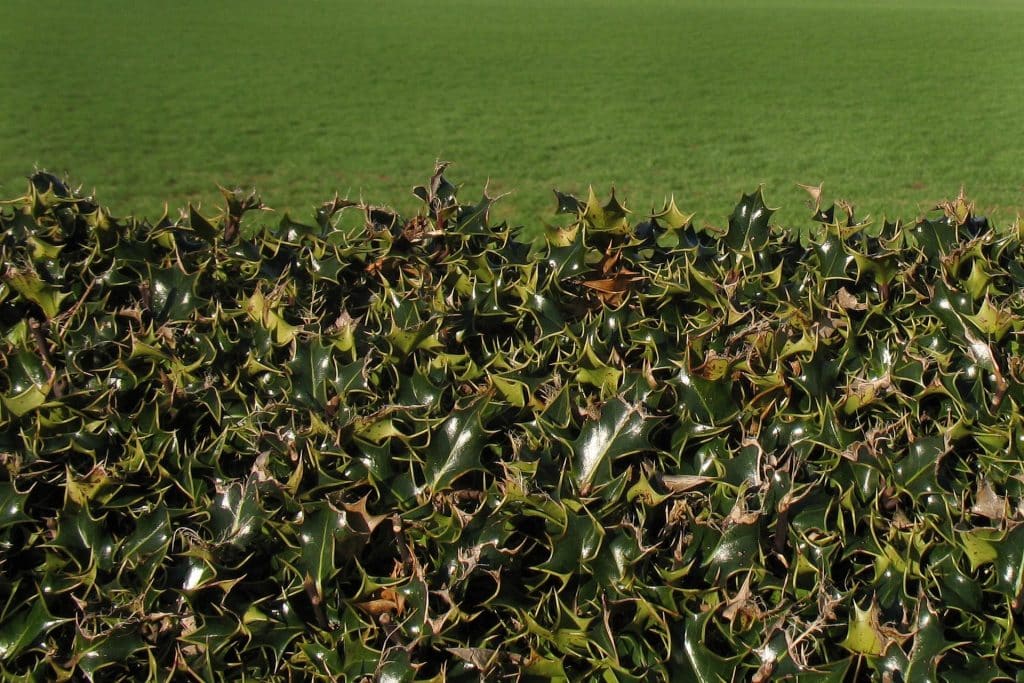
Semi-ripe cuttings can be used to propagate a wide range of hedgerow species, especially evergreen shrubs and trees commonly used in hedging like holly, box, cherry laurel, Portuguese laurel and privet, many evergreen conifers, as well as evergreen shrubs like Choisya, Ceanothus, Cistus, Hebe, Viburnums and more…
Semi-ripe cuttings can also be useful if you plan on creating low hedging with herbs like rosemary and other Salvias, bay, lavender, hyssop, etc…
These cuttings are typically taken in late summer or early autumn.
Hardwood cuttings:
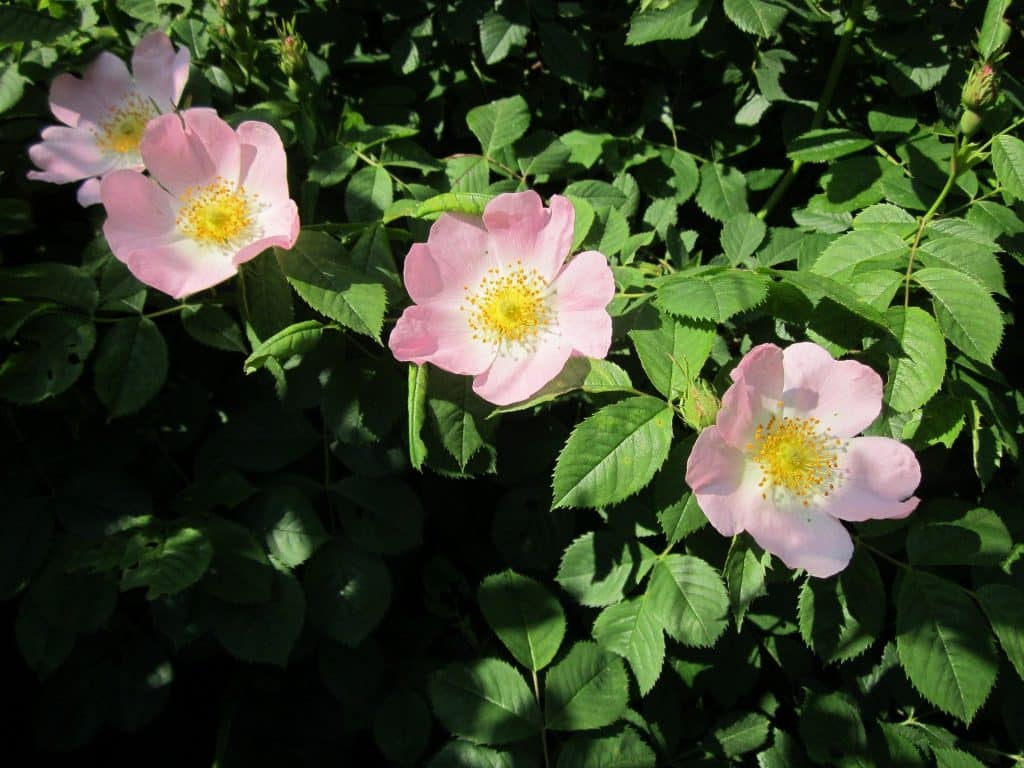
Hardwood cuttings are also useful for propagating a range of trees and shrubs that might be used in hedgerows.
For example, from hardwood cuttings you can propagate most deciduous shrubs, including roses, dogwoods, Ribes (currants, gooseberries), viburnums, trees like willows, elders and more… Honeysuckles to grow over and through a hedge, and several other climbers, might also be propagated in this way.
Hardwood cuttings are taken during the dormant period, from the tail end of autumn until late winter.
Pot Up Or Plant Your Cuttings to Root
Once you have taken your cuttings, you may often pot them up to allow them to develop strong roots and become established before you plant your hedge.
But in some cases, especially with hardwood cuttings, you may be able to simply prepare an area and plant the cuttings directly in the hedgerow line where they are to grow.
How To Grow A Hedge From Cuttings
Growing a hedge from cuttings is often much easier than you may have imagined. Of course, the species and method you have selected will determine exactly how easy or challenging the process will be. But if you follow the tips below, you should have a good chance of success:
Think about the Environmental Needs of the Hedge Species you Have Chosen
First things first, the right plant choices are key. It can be helpful to look around your area to see which hedges seem to thrive around where you live. (This might also allow you to source cuttings to use to create your own hedgerow – though of course you must always ask before taking them.)
Think about which plants will like the environmental conditions that you can provide – considering sunlight and shade, wind, water and soil. And match up plants to the conditions in your garden.
Choosing the right plants from the outset will certainly improve the chances of successful establishment and growth.
Prepare the Ground Well Before Planting
Another important thing to remember is that a well-prepared area will make it much more likely that plants positioned there will thrive.
Think about removing existing plants or weeds from the area to reduce competition, which could cause problems for newly planted hedges. And take steps to improve or amend the soil where necessary to get your cuttings off to the best possible start.
Consider The Right Spacing for the Hedgerow Plants in Question
To make sure that your cuttings grow into a lush and healthy hedgerow, another important thing to think about is spacing.
Of course, this is another factor that will be determined by the plants that you select, and also to a degree by the effect that you wish to achieve.
Planting too sparsely, or planting cuttings too closely, can cause a number of problems and mean that you don’t end up with the hedgerow you want.
Ensure Water and Nutrient Needs are Met
Young plants grown from cuttings require a little more care than the same plants once fully established. Early in their growth, soon after the cuttings have been planted to form a hedge, they can be more vulnerable to problems relating to lack or water, too much water or waterlogging, or nutrient deficiencies.
So understanding the water and nutrient needs of the hedgerow plants you have chosen is important to achieving success.
Weed Well Until The Hedge is Well Established
Competition can also cause problems for a newly planted hedgerow, especially one being grown from very young plants grown from cuttings. So it is also vital to weed well until the hedge is well established and better able to sustain itself over time.
References:
https://www.rhs.org.uk/propagation/softwood-cuttings
https://www.rhs.org.uk/propagation/semi-ripe-cuttings
https://www.rhs.org.uk/propagation/hardwood-cuttings