

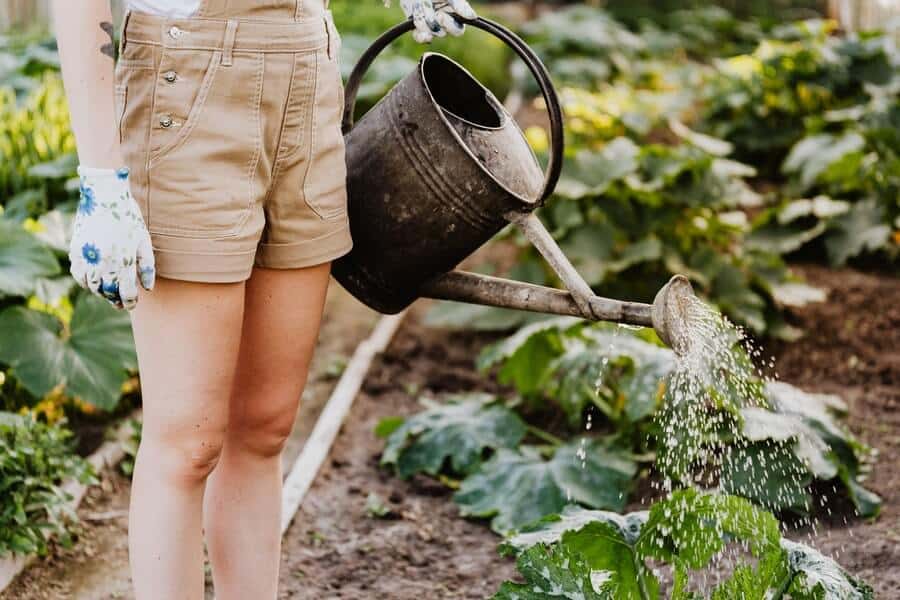
Learning how to give back to and take care in the garden involves making sure that you create a reciprocity in your efforts, so that you don’t just take, take, take. A garden can provide us with so much. But it can only continue to do so long-term if we think about our own relationship with the space and the natural world around us, and give back.
Planning a perfect garden is not just about creating the ideal garden in the short term. It is about making sure that your garden will stand the test of time.
To continue to receive the yields our gardens can provide, we need to give it some TLC. We need to think about how we can give back to the garden elements upon which we depend, and how our efforts become integral to the system over all.
What it Means to Give Back to Your Garden
Some people might be a little confused when we talk about ‘giving back’. What exactly does this mean?
When we talk about giving back, we are often taking about returning surplus to the system to allow for its perpetuation and the successful perpetuation of nature’s cycles within the space.
But we are talking not only about practical methods and practices, but also a state of mind – or an attitude – that we should take to our gardens.
Thinking of a gardens’ yields not as something due to us, or as a kind of reward for our efforts, but as gifts from nature can help us shape a healthier and more equitable understanding of our relations with the world around us.
Seeing nature’s bounty as gifts can help us appreciate the true value of the natural world we inhabit, and to develop a healthier idea of our place within the systems we maintain.
Care in the Garden
First and foremost, in practical terms, learning how to give back to your garden involves learning what it really means to care for your garden.
Care in the garden often gets synthesized down into lists of jobs that we should do to keep our gardens growing well, and to obtain the yields tangible and intangible that we wish to obtain. But we should also think about care in broader terms, and consider what we really mean when we use this word.
The care we show and provide to our gardens should be little different to the care we might provide to a loved one, a relative or a friend. It involves values such as respect, kindness and even love. How we show and demonstrate these values determines the quality of the care we provide.
Just as we can care for a person through our time and effort, so to we can care for our gardens through the gift of our time, skills and hard work.
There is an old saying that the best fertilizer for a garden are the footsteps of the gardener. Where the gardener metaphorically treads, life in a garden can thrive. So one of the most basic and fundamental ways we can give back is by spending as much time as possible observing, relaxing in and tending the space over which we are custodians.
Reciprocity in Gardening
Turning first to the basic practicalities, care in a garden involves making sure that we create closed loop systems – returning surplus to the garden and making sure, through our efforts, that we keep nature’s cycles turning.
We give back to the garden by ‘recycling’ organic matter, by perpetuating the carbon and nitrogen cycles, by using and embracing renewable resources and by helping a natural biodiversity to flourish over time.
Give Back to the Soil
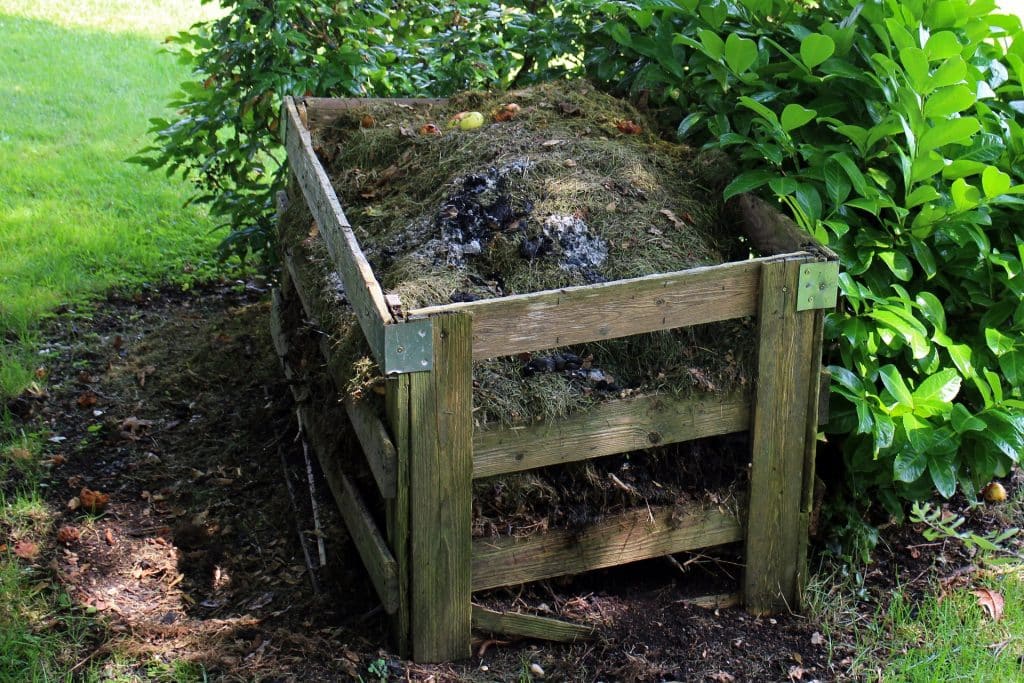
One of the most important things to remember in any organic garden is that everything comes back to the soil. Soil is far more than just dirt. There is a living web of life within a healthy soil upon which we depend for our gardening successes.
We underestimate the importance of the soil at our peril, and should always give back to garden soil over time to keep our gardens beautiful, healthy and productive.
Whenever we grow anything in the soil in our gardens, the plants we grow extract water and nutrients from it. To make sure that the soil remains healthy and fertile over time, we must give back. Understanding how we do so is one of the most important lessons to learn as a gardener.
Creating compost or leaf mould, and spreading these materials over the soil surface helps protect the soil below, helps to build healthy soil structure, conserves moisture in the soil and boosts microbial life in the soil that is so essential for any healthy garden.
We can also use other organic matter as mulch and spread this over the soil around our plants. Chopping and dropping plants, and keeping roots in the soil over as much of the year as possible are also ways to promote healthy soil ecology and give back to our gardens.
Give Back to Plants
We should also think about the specific plants we grow and how we might give back to them for all that they provide for us – both in terms of aesthetic beauty and tangible yields of food or other things we need.
Of course, we also give back to plants by creating a healthy soil and healthy environment in which they can thrive. We can mulch around them, and also provide additional nutrients through organic fertilizers and liquid plant feeds. We can also make sure that we combine plants in beneficial ways through creating polycultures and choosing the right companion planting schemes.
Give Back to Wildlife
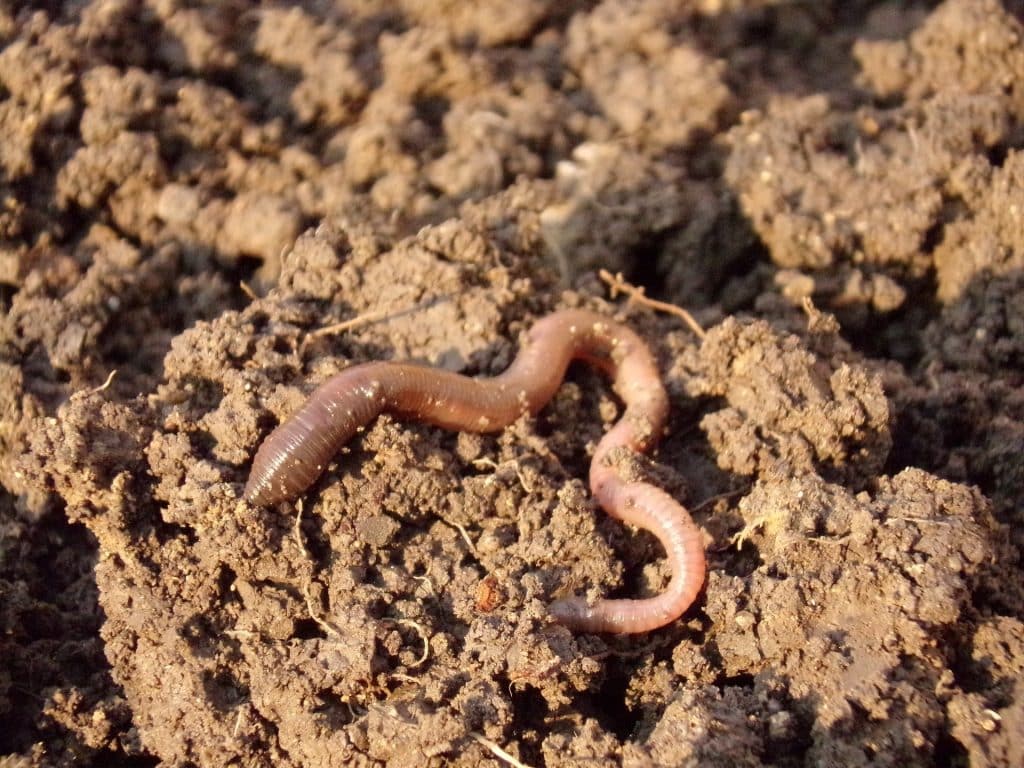
Of course, no one gardens alone, since when we garden, we are aided in our efforts by a wide range of wildlife with whom we share our space. A wide range of creatures, above and below the soil, help us in our gardens and are essential to any successes we achieve.
Wildlife around us helps us maintain and add fertility, manage pest species, and pollinate crops, and it provides a range of other ecosystem services.
Making wildlife welcome in our gardens is a way not only to keep beneficial species around and make sure that we have healthy biodiversity. It also helps us give back to the numerous creatures that aid us in our efforts.
Among other things, we can welcome in wildlife through a diversity of largely native planting, through habitat creation, and by adding additional wildlife-friendly features to our spaces.
Garden Improvements – Giving Your Time & Effort
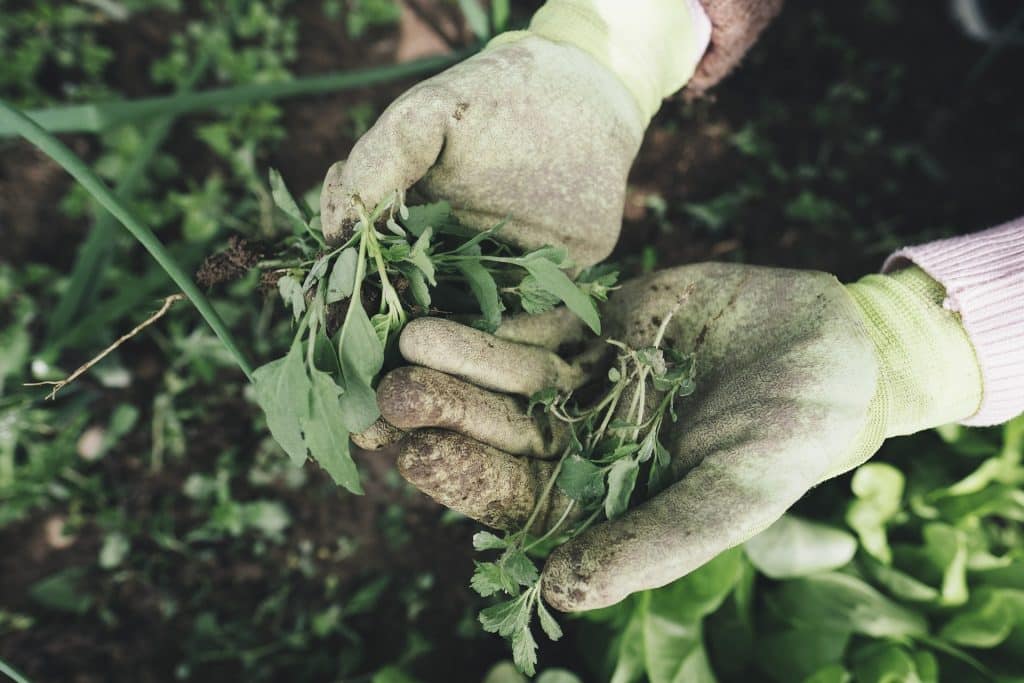
Caring for the soil, plants and animals in our gardens are the most important ways to give back and reciprocate for all that nature gives us.
As well as doing so in all the practical ways outlined above, we can also show that we care simply by spending our time and effort to improve the garden in a way that shows our appreciation for the space and its gifts.
When we recognise the true value in something, we will nurture it and make the most of it. So to give back and show that we value our gardens, however large or small they may be, we should make them all they can be.
This might involve careful planning up front to make sure that we understand our own goals and how to achieve them. It might involve careful thought as to what is possible in a space and how we can overcome any challenges and make the most of any opportunities.
Most of all, it is about recognising the garden as an integrated system, and recognising the role that we as gardeners play – not as overseers imposing our will onto our gardens, but as one element of the system as a whole.
When you truly take the time and effort to give back to your garden, it will continue to give to you for many years to come.
References:
https://www.treehugger.com/how-to-give-back-to-garden-thank-nature-5211536