

April showers bring May flowers. April can be a very changeable season. But for many, spring showers will fall. Are you ready for them?
While we all like to see the sunshine of spring after the dreary winter months, it is important to remember that we do need the rain. And we should all make sure that we make the most of the showers that do arrive in our areas.
Where I live, in eastern Scotland, April can actually be quite a dry month. We tend to have very dry weather in spring, and higher rainfall towards the end of the summer. So whatever rain we do get in spring can be very welcome. We make sure that we catch and store that water during April showers so that we can use it if drier conditions do prevail over the rest of the season.
Catching April Showers
From Your Home
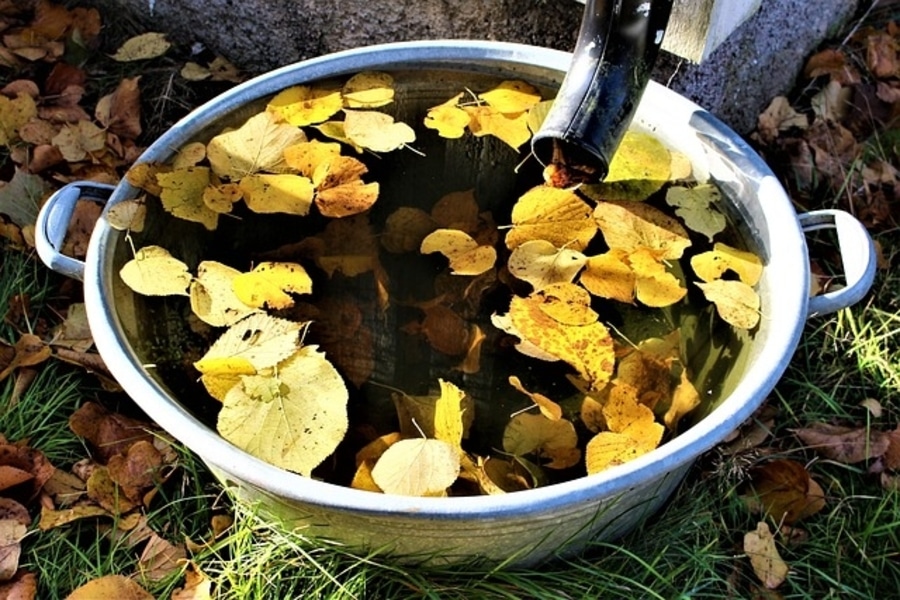
If you do not already have a rainwater harvesting system set up to collect the rainwater from the roof of your home, then you should take the opportunity this spring to set one up right away. Here are a few tips to help you make sure that you do so successfully:
- Attach a barrel, butt or other container to a downspout on your guttering. Or take steps to direct that water to a pond, rain garden or other feature in your garden.
- Make sure that this is sized appropriately to catch the rainwater from the roof. (Multiple the average annual rainfall in your area by the size of the roof which drains in that direction to get a rough idea of how much water you might expect to collect.
- Ensure that the container (if you are using one) has a tap so that you can drain water for use in your garden, and that this is accessible and easy to access – convenient for your gardening chores.
From Other Structures
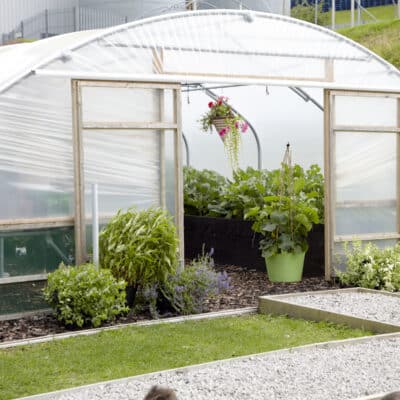
Remember, you can also collect water from other structures. You can also set up a rainwater harvesting system to collect the water which falls on garages, sheds, greenhouses or polytunnels, for example, or other garden buildings.
You can also potentially collect the water which falls in driveways, patios or paving. Impermeable surfaces won’t let water filter down into the soil. But you might be able to direct the rain that falls on these areas into special landscaping areas, which help you to prevent runoff and pollution, and filter that water naturally in plants and soil. Such features can also help you to make use of that water on your property and reduce the need for irrigation in summer.
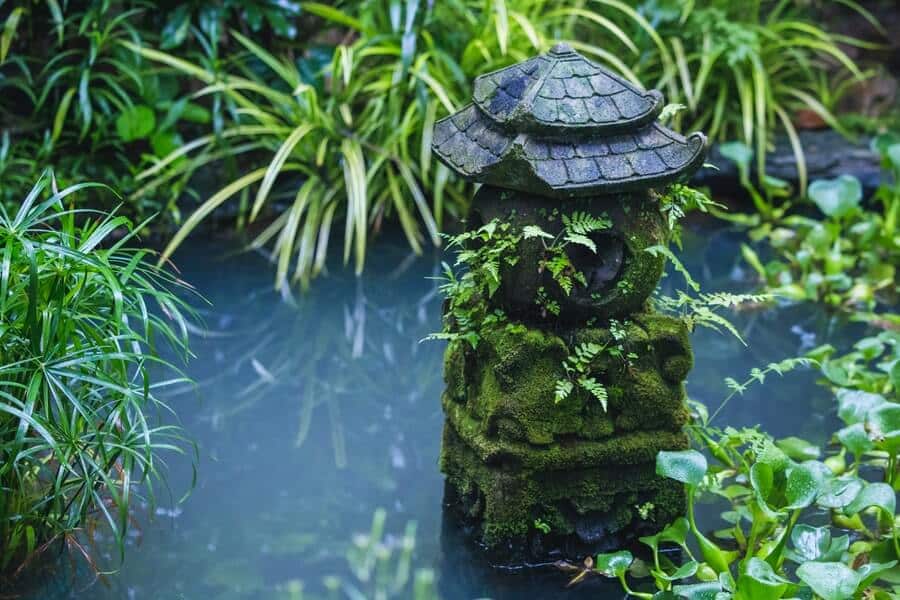
You might direct the water into a pond or other water feature. Or you might create a rain garden – designed to hold and slowly filter the water runoff through plants and soil.
In the Landscape
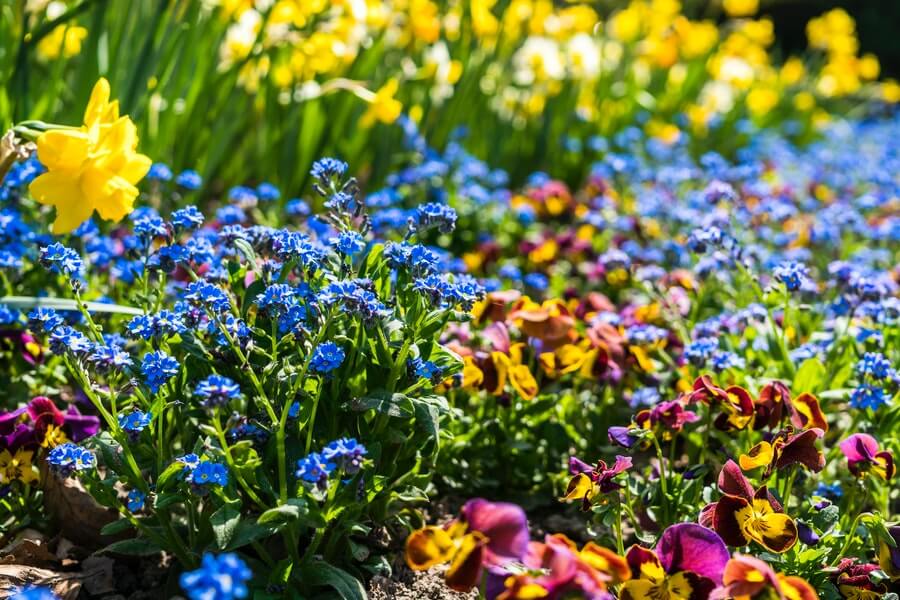
As well as thinking about how to catch the April showers which fall on roofs and other man-made surfaces, it is also important to think about how you can harness the rain which falls within the wider landscape of your garden.
A garden filled with the right plants in the right places, a garden with healthy, living soil will be better at catching and storing water. Avoiding bare soil and using ground cover plants and mulches can help retain April showers in the landscape. The water will be better stored within the plants and soil, rather than running off the land and creating problems downhill.
The right planting plan can make a big difference to how much water your garden can absorb and retain. And will also ensure that you conserve fresh water as you make efforts to grow your own.
Sometimes, shaping the ground – creating terraces, on-contour swales or other earthworks can help you to manage or slow water flow in your garden and keep whatever rain does fall around.
Time Spring Jobs to Make the Most of April Showers

Another thing to think about to make the most of April showers in your garden is timings. Certain garden jobs are best timed to make the most of any spring showers that occur, before drier and warmer weather arrives.
For example, transplanting is often best carried out during moister and cooler conditions in spring. The water availability and temperatures mean that plants stand the best chance of rooting and establishing successfully.
Just after an April shower, this can be a good time to place indoors grown crops out into your garden. Or to move plants already in your garden should you wish to do so. Certain crops are also best lifted and divided in spring, to ease congestion and gain new plants for your garden.
An April shower may also have made it easier to clean structures like greenhouses. We recommend PVC cleaning fluid to finish off cleaning your polytunnels. It may have softened grime that has built up over winter and might mean that you need to use less water for the job.
To Feel More Connected to Nature and the Season
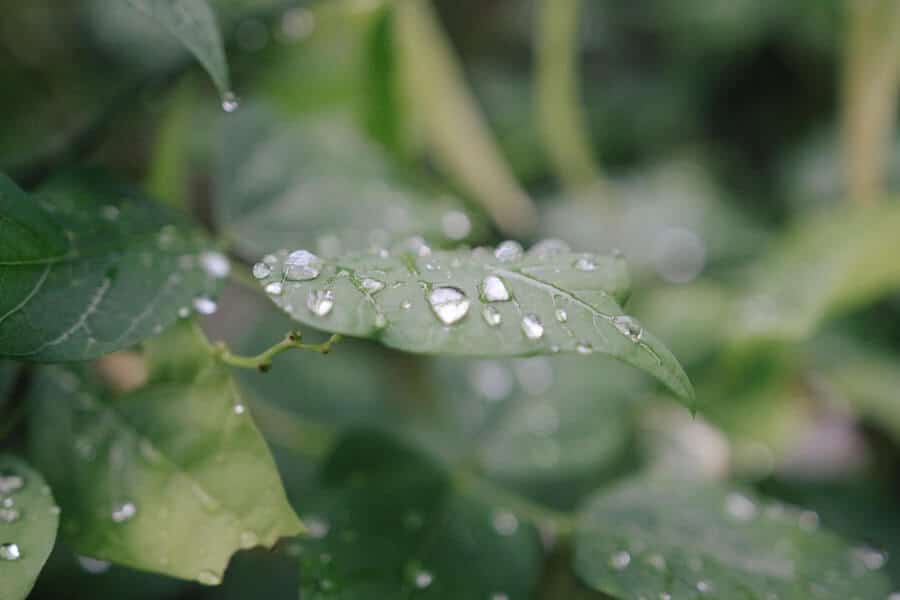
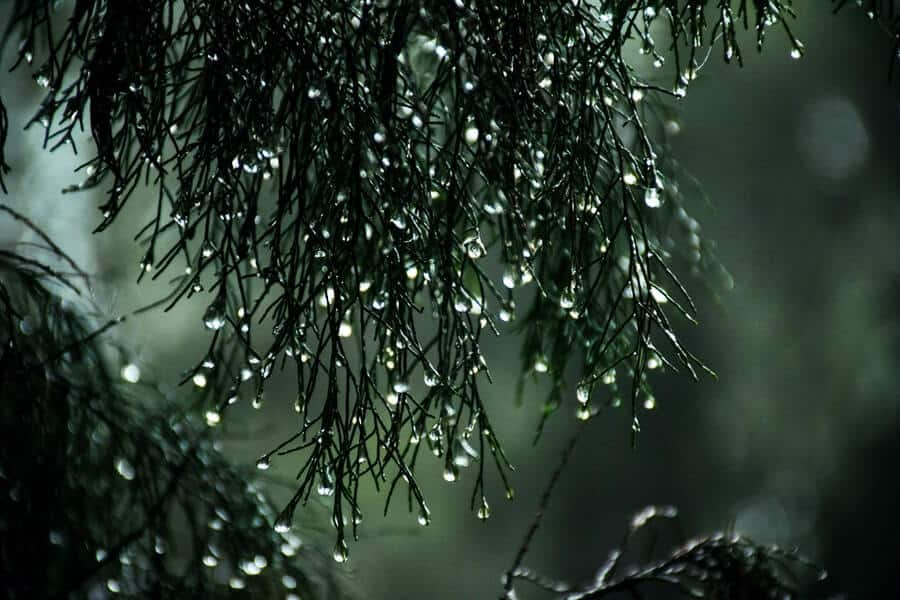
Another thing to think about is just how delightful it can be to spend time in your garden after rains. The smells of the soil and plants, the glistening leaves, the clean vibrancy of blooms and foliage… an April shower can make everything feel fresh and renewed.
So making the most of April showers also means taking the opportunity to get out into your garden after the sun returns to enjoy the sights, sounds and smells of the natural world around you. Even during a shower, getting outdoors can help you to feel a closer connection to nature in your garden.
Showers may lead many to head for shelter. But April showers can help us to feel renewed, as well as giving the plants and animals in our gardens a boost. Our gardens can provide us with far more than just the most literal yields.