
Learning how to make raised garden beds is much easier than many beginners expect. With a few basic tools, suitable materials, and a little planning, it is entirely possible to create productive growing areas in just a weekend or two.
Raised beds are one of the simplest ways to improve drainage, build healthier soil, and grow vegetables more successfully. They also fit naturally into an organic gardening approach, helping gardeners care for the soil over time rather than constantly battling against poor conditions.
In this guide, I’ll walk through how to make a raised garden bed step by step, from choosing materials and positioning the bed correctly to filling it with healthy soil and maintaining long-term fertility naturally.
Key Takeaways
- Raised garden beds improve drainage and soil health
- You only need basic tools and materials to get started
- Good soil matters more than complicated construction
- Organic matter and mulching improve long-term productivity
- Careful placement and drainage help prevent common problems
What Is a Raised Garden Bed and Why Build One?
A raised garden bed is simply a contained growing area where the soil level sits above the surrounding ground. Most are built using timber boards, though other materials can work equally well.
I’ve found raised beds particularly useful where soil is heavy, compacted, or difficult to manage. They create clearly defined growing spaces that are easier to care for and far more adaptable over time.
Benefits of Raised Beds
- Improved drainage during wet weather
- Better control over soil quality
- Easier access for planting and harvesting
- Reduced soil compaction
- Simpler weed management
- Faster soil warming in spring
Raised beds also suit a more organic approach to gardening. Because the soil is protected from regular foot traffic, it becomes easier to build healthy soil structure naturally through composting, mulching, and adding organic matter year after year.
In smaller gardens and allotments, raised beds can also help make the best use of available space while creating tidy and manageable growing areas.
Key Point: Healthy soil is the real foundation of a productive raised bed. The frame itself matters far less than what happens inside it over time.
Tools and Materials You’ll Need
Before you build raised beds, it helps to gather all materials and tools beforehand.
Timber Options:
| Material | Advantages | Considerations |
|---|---|---|
| Softwood | Affordable and easy to source | Shorter lifespan |
| Hardwood | Durable and long-lasting | Higher cost |
| Reclaimed timber | Sustainable and budget-friendly | Check carefully before use |
Where possible, I prefer reclaimed or responsibly sourced timber. Raised beds do not need to be expensive to work well.
Basic Materials Checklist
- Timber boards
- Corner stakes or posts
- Exterior-grade screws
- Cardboard or natural weed barrier
- Compost
- Topsoil
- Organic mulch material
Tools You’ll Need:
- Tape measure
- Saw
- Drill
- Spirit level
- Spade
- Hammer
- Gloves
Optional extras include:
- Wire mesh for pest protection
- Mulch materials
- Rainwater collection nearby
If budget is a concern, these inexpensive raised garden bed ideas can help keep costs manageable while still creating productive growing spaces.
Choosing the Right Location
The position of a raised bed affects its long-term success just as much as the build itself.
I always encourage gardeners to observe the space carefully before construction begins. Watching where sunlight falls and where water gathers often tells you more than any plan on paper.
What to Look For When Creating a Typical Veg Bed:
- At least 6 to 8 hours of sunlight daily
- Good drainage
- Shelter from strong winds where possible
- Easy access to water
- Enough room to move around comfortably
Avoid areas:
- Beneath large trees
- In permanent shade
- Where water regularly pools after rain
Ground Preparation Basics
Before positioning the bed:
- Remove perennial weeds
- Cut back grass if necessary
- Loosen compacted ground
- Add organic matter if soil is extremely poor
Even when gardening organically, preparation matters. Starting with healthy foundations usually prevents problems later.
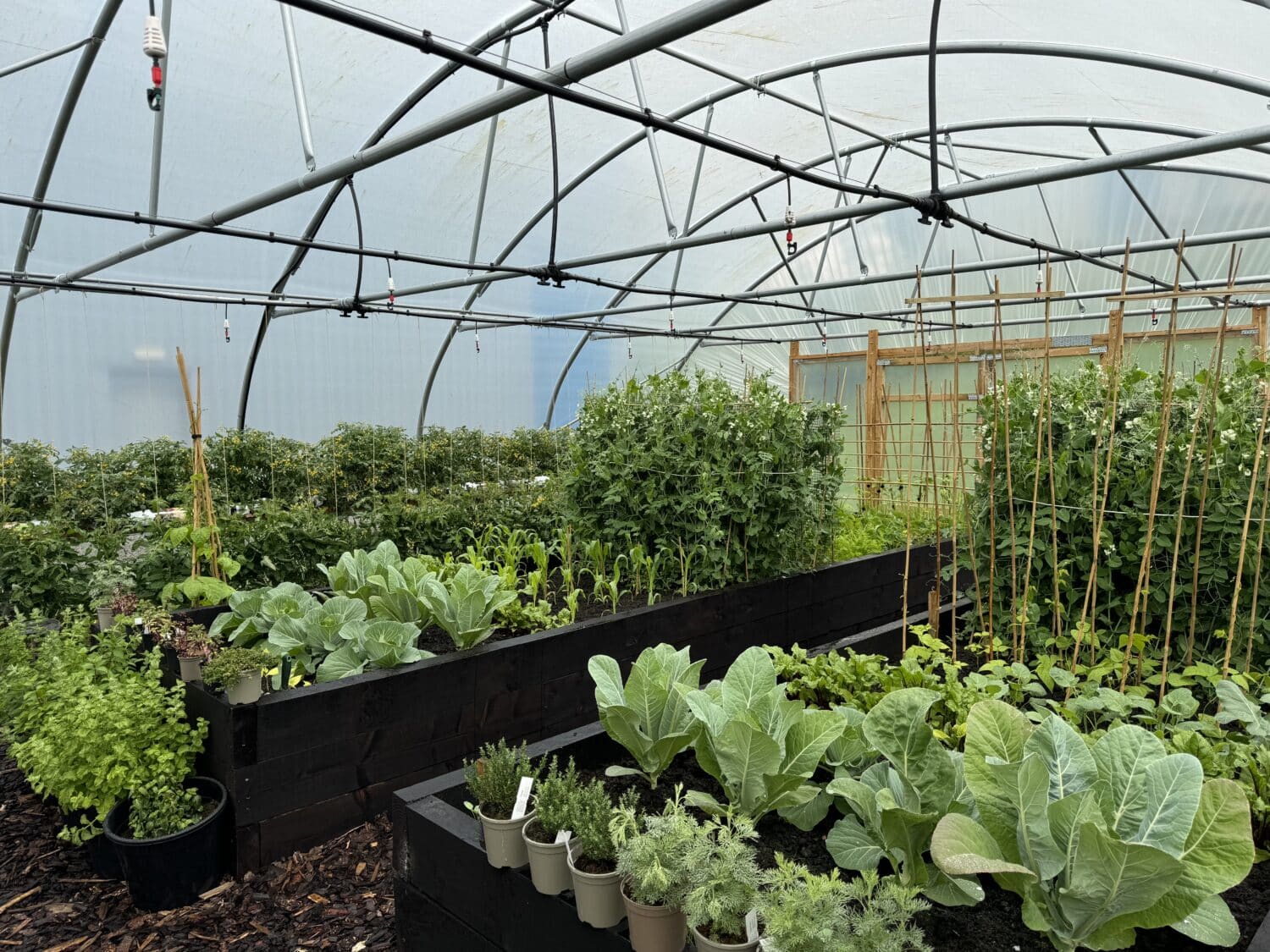
Raised beds can work particularly well in protected growing environments too. The benefits of raised beds in a polytunnel include better moisture control, longer growing seasons, and easier year-round soil management.
Step-by-Step: How to Build a Raised Garden Bed
If you are wondering how to build a raised garden bed simply and effectively, this method works well for most beginner projects.
Step 1: Measure and Mark the Area
Mark out the bed shape using string or canes.
I usually recommend beds no wider than around 1 to 1.2 metres so the centre can still be reached comfortably from either side.
Step 2: Cut the Timber
Cut boards to size carefully.
Simple rectangular beds are usually easiest to build and maintain, especially for beginners.
Step 3: Assemble the Frame
Screw the boards together securely using corner posts or brackets.
The structure does not need to be elaborate. In many gardens, simple beds often work best long term.
Step 4: Position and Level the Bed
Move the frame into place and check the level.
Small variations are usually manageable, but significant slopes may require some adjustment beforehand.
Step 5: Secure the Corners
Drive stakes into the ground if additional stability is needed.
This is especially useful in exposed gardens or wetter soils.
Step 6: Add a Natural Base Layer
Before filling the bed:
- Lay cardboard to suppress weeds
- Add coarse organic material if desired
- Avoid plastic sheeting that prevents drainage
I often use a no-dig style approach here, layering materials gradually so soil life can develop naturally over time.
For additional guidance on how to build raised garden beds step by step, it helps to think not only about construction but also how the bed will evolve season after season.
How Deep Should a Raised Bed Be?
The ideal depth depends on what you plan to grow.
Typical Raised Bed Depths
| Depth | Suitable For |
|---|---|
| 15 to 20cm | Herbs and shallow-rooted crops |
| 30 to 45cm | Most vegetables |
| 45cm+ | Deep-rooted crops and perennial planting |
For most vegetable growing, around 30cm deep is usually enough.
Deeper beds:
- Hold moisture more effectively
- Support larger root systems
- Need more filling material initially
Shallower beds can still work well if soil beneath remains healthy and uncompacted.
Tip: It is usually better to focus on building healthy soil gradually than creating extremely deep beds immediately.
What to Put in the Bottom of a Raised Garden Bed
One of the most common questions around how to make raised garden beds is what should go underneath the soil.
I prefer approaches that recycle natural materials wherever possible and slowly feed the soil ecosystem over time.
A Simple Organic Layering Method
Bottom Layer
- Cardboard or newspaper
- Helps suppress weeds naturally
Middle Layer
- Twigs and branches
- Autumn leaves
- Woody garden prunings
These slowly decompose and improve soil structure over time.
Upper Layer
- Compost-rich growing medium
- Good-quality topsoil
- Leaf mould if available
What to Avoid
- Plastic barriers
- Rubble or compacted waste material
- Fresh food waste
- Materials that restrict drainage
Raised beds work best when soil can breathe and support healthy microbial life beneath the surface.
Filling Your Raised Bed with Soil
The quality of the soil mix matters far more than many gardeners realise.
I tend to think of raised beds as living systems rather than simply containers filled once and forgotten.
A Good Basic Soil Mix
For most raised beds, I usually recommend roughly:
- 60% quality topsoil
- 40% compost and organic matter
That balance generally provides:
- Good drainage
- Moisture retention
- Nutrient availability
- Healthy soil structure
Helpful Soil Tips
- Add homemade compost whenever possible
- Mulch regularly to protect soil life
- Expect settling during the first year
- Top up beds annually with organic matter
Over time, raised beds often become more fertile and easier to manage as the soil ecosystem develops naturally.
Key Point: Mulching helps suppress weeds, protect soil moisture, and feed the soil gradually with very little extra effort.
Common Mistakes to Avoid
Most raised bed problems come from a few very common mistakes.
Avoid These Problems
- Using chemically treated timber for food crops
- Positioning beds in deep shade
- Ignoring drainage issues
- Overcrowding plants
- Leaving soil exposed for long periods
- Filling beds with poor-quality material
One of the biggest mistakes is trying to force productivity too quickly. Healthy gardens usually develop steadily over time as soil improves and natural systems establish themselves.
For more tips for successful raised bed gardening, it often helps to focus less on perfection and more on building resilient growing spaces gradually.
Maintaining Your Raised Garden Bed
Raised beds are relatively simple to maintain once established, particularly when soil health becomes the main focus.
Long-Term Maintenance Tips
- Add compost each year
- Mulch exposed soil regularly
- Rotate crops where possible
- Remove weeds before they spread
- Protect soil during winter
- Encourage biodiversity around beds
I also like to include flowers, herbs, and pollinator-friendly plants around raised beds wherever possible. Mixed planting tends to create healthier and more resilient growing spaces overall.
Raised beds can become even more productive under cover too. These domestic polytunnels for growing in raised beds help extend the growing season and protect soil from excessive winter rain.
Learning how to make raised garden beds is one of the most rewarding ways to start growing food at home. The process itself is straightforward, but the real value comes from creating healthy growing spaces that improve year after year.
A well-made raised bed supports better drainage, healthier soil, and more productive crops, while also making gardening easier to manage overall.
The key is not perfection. Start simply, use the materials available to you sensibly, and focus on building living soil through composting, mulching, and organic matter. Over time, the beds often become easier to maintain and more productive naturally.
Frequently Asked Questions
What are the cheapest raised garden bed options in the UK?
Simple softwood timber beds, reclaimed materials, or no-dig mounded beds are often the most affordable choices. Reusing locally available materials can also reduce costs significantly.
Can you get raised garden bed plans (PDF) for beginners?
Yes. Many gardening websites and suppliers offer beginner-friendly raised bed plans with straightforward measurements and material lists.
How to make a raised garden bed without wood
Raised beds can also be created using bricks, stone, woven willow, corrugated metal, or even shaped earth mounds supported with natural edging.
Should you buy a raised bed kit or build your own?
Building your own usually offers greater flexibility and lower costs, while kits can simplify the process for beginners who want quicker installation.
Sources:
Royal Horticultural Society (RHS) (2026) How to make a raised bed. Available at: https://www.rhs.org.uk/garden-features/how-to-make-a-raised-bed (Accessed: 20 May 2026).
B&Q (2026) How to build raised beds. Available at: https://www.diy.com/ideas-advice/outdoor-garden/lawns-beds-borders/how-to-build-raised-beds (Accessed: 20 May 2026).
Gardenary (2026) Our favourite DIY raised garden bed ideas. Available at: https://www.gardenary.com/blog/our-favorite-diy-raised-garden-bed-ideas (Accessed: 20 May 2026).