

How To Garden Naturally
A must for any nature lover and ethical gardener is to garden naturally. But what exactly does that mean? And how can you make sure that you are doing it right?
What Does It Mean To Garden Naturally?
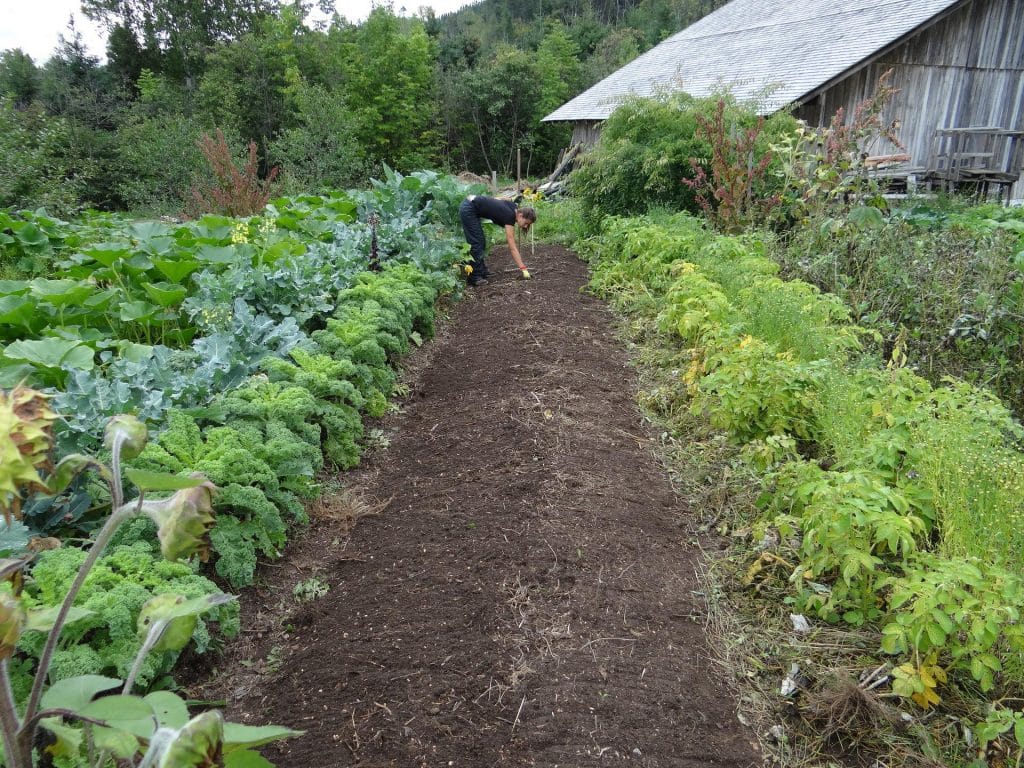
Gardening naturally means taking steps in your garden to work with nature rather than fighting it. A key component of that is gardening organically.
Organic gardening begins with the avoidance of synthetic fertilisers, herbicides and pesticides – man-made products which take a great toll on people, wildlife and the environment.
But to garden naturally, we need to go beyond the basics of organic gardening. We need to look holistically at the garden, recognising the interaction between all its elements and the functioning of the whole.
There is a common misconception that to garden naturally, we simply need to find organic alternatives to common harmful chemicals. But simply switching out one substance for another is not the best way to go.
To garden naturally, we need to recognise that we are not the only gardener toiling away in our outside spaces. Everything gardens. In other words, every plant and every animal, every tiny micro-organism below the soil, plays a role in shaping its environment and contributes to the system as a whole.
This understanding of the interconnectedness of the garden ecosystem lies at the very heart of natural gardening.
As gardeners, we should not see our role as imposing our will or waging war on the natural systems around us. Instead, we should try to understand how we can work with and harness natural patterns, flows and systems to reach our garden goals.
One very important thing to understand that the goal when we garden naturally is not to create a hermetically sealed garden where there are no pests, and no weeds. Indeed, a true natural garden should have some of both of these things.
We don’t want to get rid of pests and weeds entirely, because we should recognise that each has a role to play within the system. Rather, when we garden naturally, our aim is to take small steps to keep the ecosystem in balance.
Why Is It Important To Garden Naturally?
It is extremely important to garden naturally because when we fail to work with nature – we all suffer. Our role on this planet should be one of stewardship, rather than despoilment, degradation and exploitation. And our very survival as a species depends on the natural world around us.
Climate change is not the only existential crisis we face. Biodiversity losses also threaten our life on this planet. We are in pivotal times and acting swiftly to tackle both of these crises is essential. It is easy to feel overwhelmed by problems on a global scale. But it is important to recognise how so many of the world’s problems can be solved in a garden.
In our gardens, no matter how large or small they may be, we really can make a huge difference. Individual gardeners taking small steps to garden naturally can add up to have a profound impact over all.
Most people are now well aware of the harm that using synthetic fertilisers, herbicides and pesticides can do to the environment, wildlife, and people.
But perhaps less well known is how many benefits can be derived when we truly garden naturally – not only avoiding harm, but actually doing good.
Through embracing natural gardening, we can become more sustainable. We can not only avoid doing damage to the environment around us and threatening our own future, we can also sequester more carbon to fight climate change, halt biodiversity losses, save fresh water, protect and improve the soil upon which we all depend, and, in so many ways, improve the quality of life for ourselves and our communities.
What Should You Avoid When Gardening Naturally?
When thinking about how to garden naturally, most people will begin by thinking about how to avoid the main no-nos in organic gardening: synthetic fertilizers, herbicides and pesticides. These are all, of course, things to avoid when gardening naturally.
But when gardening naturally, we should also look to avoid other things that do great harm locally and in the wider world.
For example, we should avoid the use of peat. Peat comes from peat bogs – crucial carbon sinks, biodiversity hotspots and preserves of the water cycle. When it is dug up for use in our gardens, so much is lost. All natural gardeners should be sure to go peat-free.
Another key consideration is materials use in the garden. Plastic is a polluting and finite material, derived from fossil fuels. Plastics, especially those that are short-lived, are best avoided in a natural garden whenever possible.
To reduce plastic use, rather than using plastic pots, for example, we should use ones made from natural materials, biodegradable pots, or other more eco-friendly options. And we can avoid plastic netting and twine and use natural materials instead.
We should also think carefully about our use of mined materials, and choose renewable rather than finite materials wherever possible.
Organic Gardening Alternatives To Make In A Natural Garden
Finding alternatives to the main things we need to avoid is a good way to begin to garden naturally. But it is important to remember that avoidance of these things is just the beginning.
Learning how to garden naturally is about more than just avoidance. As mentioned above, it is about taking a holistic view and embracing strategies, and practices which allow us to enhance the environment around us rather than degrading it.
It is important to understand that it is not just a case of switching out harmful synthetic chemicals for organic ones.
Pest control in a natural garden, for example, is not just about choosing options like neem oil, soap sprays, garlic, or essential oils rather than synthetic pesticides.
Managing weeds when we garden naturally is not about having a zero tolerance policy, and eradicating all wild plants. Rather, it involves something of an attitude adjustment – one where we recognise that some weeds are beneficial, and take steps to manage them in more natural and effective ways.
Ensuring long term fertility in a natural garden is not necessarily about importing organic fertilizers. Rather it is about taking steps to build fertility over time – recognising the importance of and protecting the soil through our plant choices and gardening practices. Ultimately, the goal is to create a closed-loop system, where fertility comes from within.
Top Tips For A Natural Garden
Some central tips for gardening naturally are:
- Observe your garden closely.
- Think about sunshine, shade, wind, water and soil from the outset.
- Embrace biodiversity, integrate, don’t segregate.
- Understand and work with natural cycles and nature’s patterns.
- Aim to create closed loop systems and natural balance within your garden.
How to Manage Pests When Gardening Naturally
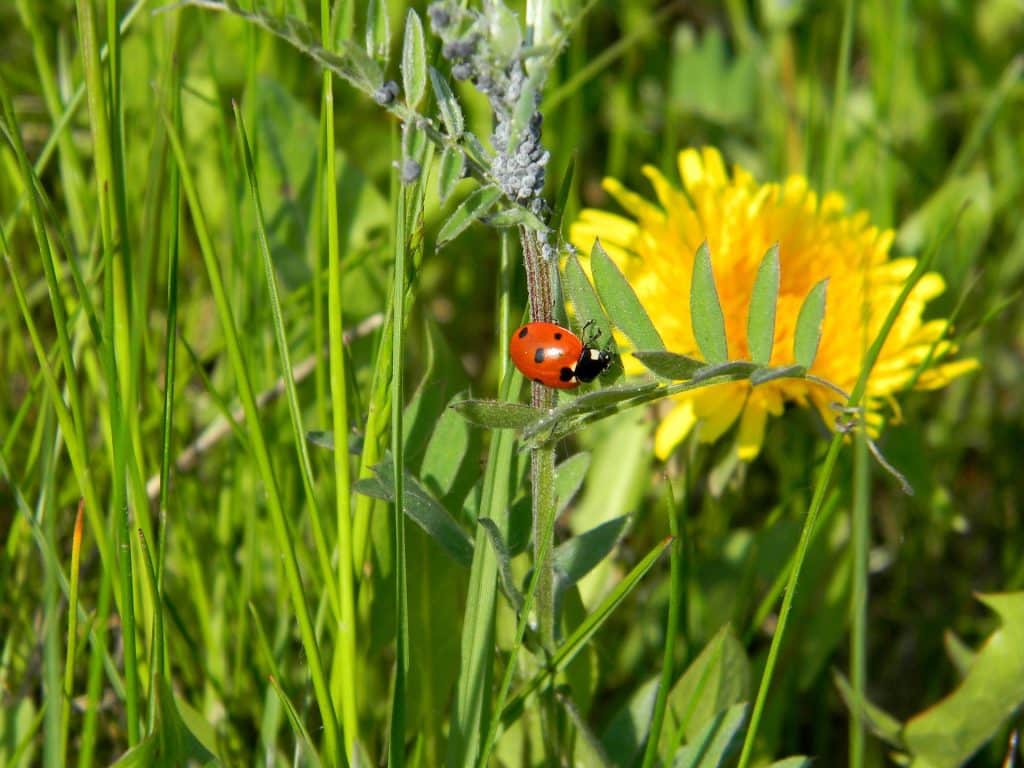
Pest control in a natural garden first and foremost involves remembering that you are not trying to get rid of pests altogether. Rather, it is about keeping pests at bay and making sure that their populations do not get out of control, and about protecting particular plants. When gardening naturally, we do this through:
- Making sure we choose the right plants for the right places, and care for them correctly. (The healthier plants are, the less likely they are to succumb to pest infestation.)
- Creating habitats in our gardens to attract beneficial wildlife. (Ponds, wildflower meadows, log piles, rockeries, stumperies etc…) This will ensure that there are plenty of predatory species around to eat pests and keep their numbers down.
- Companion planting key crops with companion plants which help attract beneficial wildlife, and/or repel, confuse or distract pest species.
- Rotating certain crops in annual cultivation each year. To prevent pest and disease build-up in the soil.
- Remaining vigilant and picking off pests by hand.
- Using physical barriers (like cloches, row covers, netting, fruit cages etc.) to protect plants from specific pests where necessary.
How to Deal With Weeds When Gardening Naturally
It is again important to remember that even ‘weeds’ can have their place in the natural garden. They can often be extremely beneficial for local wildlife, and can also have their uses for us too.
However, while wild plants can often be beneficial, we will still want to avoid them growing in some parts of our gardens. Casually weeding little and often is the best approach, to avoid the job becoming overwhelming.
We can also take some steps to reduce the incidence of weed growth in key growing areas. For example, we can:
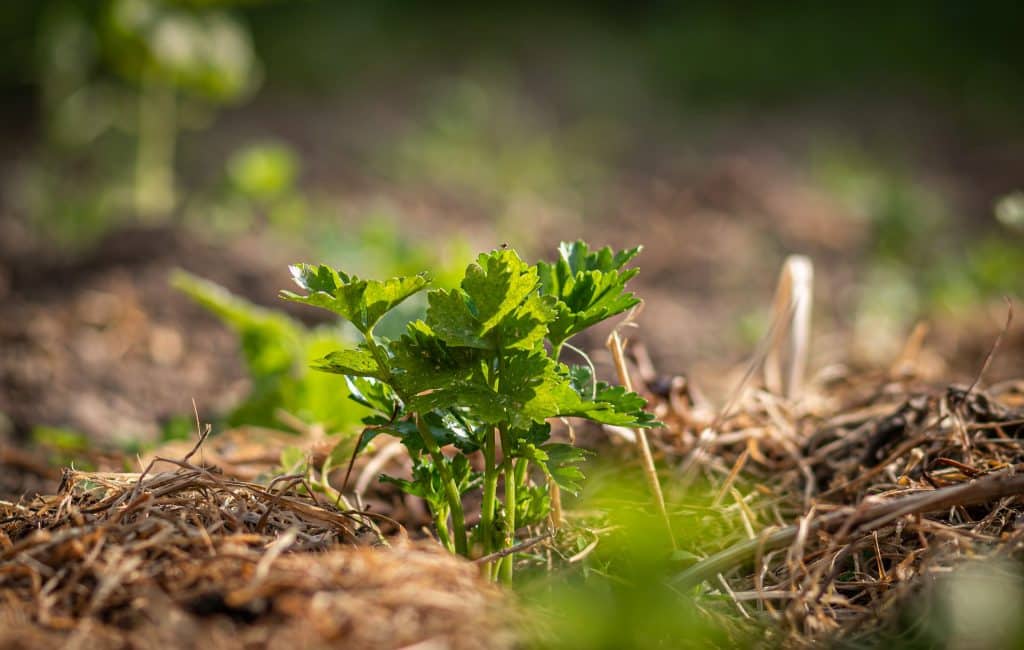
- Take a no dig approach, and keep bare soil covered with mulches or living groundcover plants.
- Plant densely with plants carefully selected to avoid excessive competition, so weeds are less likely to be able to gain a foothold.
- Keep weeds down by harvesting them for use – weeds can be edible, or useful in a number of ways. And weeding seems like a lot less of a chore if it is actually harvesting too.
How to Ensure Ongoing Fertility in a Natural Garden
We can ensure ongoing fertility in a natural garden by:
- Taking care of the soil (again, through a no dig approach in annual areas).
- Using organic mulches, adding plenty of organic matter.
- Embracing perennials and planting plenty of deciduous trees and shrubs (whose leaves naturally fall and feed the system).
- Using nitrogen fixing plants to replenish nitrogen within the system.
- Companion planting and crop rotation in annual beds.
- Using deep rooted dynamic accumulators to retrieve nutrients from deep below the soil, chopping and dropping these as mulch, composting them, or using them to make liquid plant feeds.
- Making other organic liquid feeds from, for example, compost, manure, weeds, or grass clippings.
These are just some tips to help you make sure that you garden naturally, and do the right thing for people and planet.
References:
https://www.gardeningetc.com/advice/organic-gardening
https://www.treehugger.com/peat-free-compost-sustainable-gardens-5185326
https://www.ruralsprout.com/liquid-fertilizer-teas/