


There are a number of things for gardeners to do to care for garden animals in winter. Using plant frost protection, or outside in your garden, there is a lot that we can do to make sure that the creatures with whom we share our space, as well as plants we grow, can make it through the winter months safely.
Though we might not always encounter as much winter wildlife in the garden as we do through the summer months – many of the creatures are still there – sometimes slumbering their way through the coldest part of the year, sometimes hiding out in our tranquil and undisturbed spots in our gardens.
Of course, we will also likely see plenty of bird species in our gardens in winter, as they seek out food sources and water sources within the space. We can care for the species we see, and also those we don’t, with some forethought and a few additional garden jobs. Here’s how to look after animals in winter in your garden.
What Winter Wildlife Could You See in Your Garden?
In a winter garden, you are likely to see a number of different bird species, of course. Many typical garden birds frequent gardens in the UK over the coldest part of the year – especially where food from plants or feeders is available. While hedgehogs hibernate during the winter months and are less likely to be seen, once they emerge from hibernation, it’s helpful to know how to properly feed them.
For insights on their diet post-hibernation, you might find it interesting to explore topics like Can Hedgehogs Eat Bananas. Foxes, deers, and other mammals may also be visitors to gardens in some areas. Additionally, you might spot frogs, toads, or newts around a garden wildlife pond, or hidden in compost heaps or other damp, dark spots in the garden. And if you look closely, you may well see a range of insects hidden away in corners and tucked among your plants
How to Care for Garden Animals in Winter
If you want to do the right thing for animals in winter in your garden, here are some tips to help you make sure that you are on the right track:
1. Learn More About Native Wildlife
If you want to care for animals in winter, it is important to understand the winter habits of the different creatures with whom you share your space. Learning what animals need in winter can help us to provide those things in more effective ways.
In order to help wildlife in winter we need to understand whether they hibernate, enter a state of torpor, or are meant to be around, out and about, and active over the coldest part of the year.
We also need to understand their needs – water, food, shelter, etc.. in order to provide the things that creatures in our gardens need to thrive.
2. Eliminate Risks To Wildlife in Winter
Of course, it is also important to understand the dangers that wildlife might face, and to eliminate any risks that might come from your own activity.
Organic gardening is of course essential. Non-organic garden products can pose a threat to the wildlife we want to protect. We may also inadvertently cause harm to wildlife through excessive disruption of the natural habitats in our space.
Eliminating risks to wildlife in winter might also involve thinking about the overall conditions in a garden and how these are changing through the seasons and over time.
Sudden cold snaps and unseasonably warm conditions can both threaten wildlife. We can protect against weather extremes to some degree with careful garden design and planning.
3. Leave Areas of Your Garden Undisturbed
Often, the best way to protect wildlife in a winter garden is to avoid disturbance – in garden maintenance, we should remember that less can often be more. Leaving areas of our gardens undisturbed can give animals in winter the protection they need.
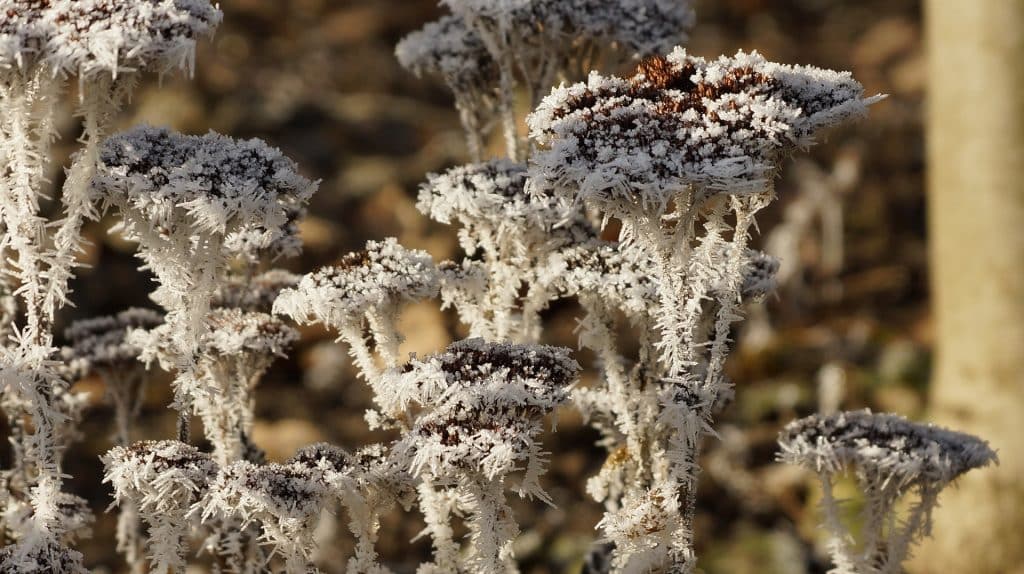
For example, we can stop mowing earlier to leave grasses longer over winter. We can avoid digging our gardens wherever possible. And we can leave herbaceous perennial stems, dried flowers, and seed heads in place to provide shelter for winter wildlife. And we can leave wild corners in our gardens to which we do nothing at all.
4. Plant to Care for Garden Wildlife in Winter

Caring for wildlife in winter is not only about what we do over the winter months themselves, but also about planning and planting to ensure healthy habitats in our space.
When planting our gardens, we should think about what we should plant, and where, in order to cater to the needs of the wildlife with which we share our space.
In particular, we should think about the plants that attract beneficial creatures in the first place, and plants that provide the food and shelter different creatures will require over the winter months.
Layout decisions and holistic thinking can also be key, because wildlife won’t benefit as much from individual plants as they will from diverse habitats as a whole. A shrub, for example, could be good, but a mixed wildlife hedgerow will be much better. Joined up thinking is important.
5. Consider Timings When It Comes to Garden Care
One other important thing to think about when you want to care for garden wildlife in winter is when (and if) you should undertake certain garden jobs.
For example, it is important to think about when you stop mowing a grassy area, since leaving longer grass could be beneficial.
It is also important to think about when you cut back herbaceous perennials. Leaving this job until the spring rather than cutting back in autumn can be beneficial for a range of wildlife over the winter months.
Dead stems and foliage, dried flowers, seed heads etc. can provide shelter for overwintering insects. And birds and other creatures may benefit from seeds as a food source.
Care for garden wildlife in winter might also involve holding off on tidy-up and clearing jobs, so that wilder areas remain for wildlife over the coldest part of the year.
Here are some more specific tips on caring for different types of animals in winter:
How To Care for Garden Birds in Winter
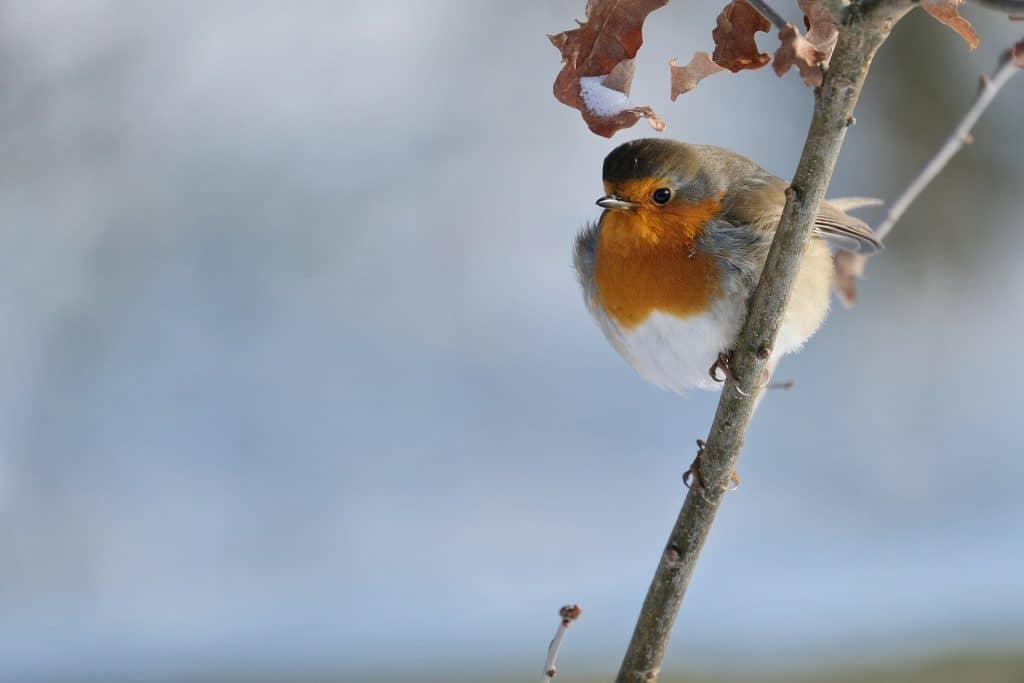
- Plant to provide berries, seeds and other natural food sources for garden birds.
- Provide additional supplemental food for garden birds with bird feeders and feeding stations. Give birds calorie-rich sources of fats and proteins to help them through the winter months.
- Keep your feeders clean and free from spoiling foods to prevent risks from pathogens and disease.
- Ensure that you have a good mix of evergreen and deciduous plants to provide birds with shelter and perches.
- Make sure there is a fresh and unfrozen water source in your garden, such as a bird bath or suitable garden pond, for birds to bathe in and drink.
How to Care for Hedgehogs & Other Mammals in Winter
- Plant hedges of native species for hedgehogs.
- Make passageways through fences between gardens.
- Provide shelter with leaf and brush piles or hedgehog houses.
- Leave out feed for hedgehogs before they enter hibernation and when they first emerge. Dog or cat food is a good source of protein and calories and will give them what they need.
- Check bonfires and fire pits carefully for hibernating hedgehogs before lighting, and ideally only build these just before lighting.
How to Care for Amphibians in Winter
- Maintain an unfrozen wildlife pond with natural shelter nearby.
- Create habitat for insects amphibians like to eat.
- Create undisturbed log, brush and rock piles to create cozy corners for amphibians.
- Make a hibernaculum for frogs.
- Be careful when disturbing compost heaps where amphibians may have taken up residence.
How to Care for Insects in Winter
- Leave dead foliage of herbaceous perennials in place to provide shelter for insects over the winter months.
- Create nooks and crannies for insects to shelter in over winter – make features for your garden like ‘bug hotels’, as well as brush piles and wild corners.
- Let grass grow to let insects shelter within it over the coldest part of the year.
- Let fallen leaves lie in certain areas for creatures that dwell in leaf litter.
- Don’t dig and disturb ground-dwellers, including bumble bees in holes in the ground over winter.
- Let butterflies and other creatures rest in folds and crevices in sheds, garages or polytunnels, and try to avoid disturbing them.
These are just some tips to help you make sure that you have a wildlife-friendly garden that caters to as many different creatures as possible all year round.
Learning how to care for garden animals in winter, as well as through the rest of the year is a must for any eco-conscious gardener.
References:
https://www.gardenersworld.com/how-to/diy/how-to-make-a-hedgehog-house/
https://www.gardenersworld.com/how-to/diy/make-a-hibernaculum-for-frogs/