

Gardening or farming organically is of course crucial for sustainability and an eco-friendly and ethical way of life. Fortunately, when it comes to feeding our plants, we do not need to result to synthetic options. There are numerous options on how to feed plants naturally using homemade plant fertilisers. In this guide, we will take a look at some options to consider.
Why use fertilisers?
Fertilisers play a crucial role in gardening and agriculture because they replenish essential nutrients in the soil that plants need to grow and thrive. Over time, plants deplete the soil of these nutrients, which can lead to poor plant health and reduced yields.
Fertilisers typically supply the three key macronutrients—nitrogen (N), phosphorus (P), and potassium (K)—as well as trace minerals and micronutrients that are vital for plant development.
However, synthetic fertilizers, while effective at delivering nutrients quickly, can have negative long-term consequences. Overuse can damage soil health, harm beneficial microorganisms, and contribute to water pollution through nutrient runoff.
Many gardeners, therefore are turning to homemade, organic alternatives that offer a more sustainable way to maintain healthy soil and plants.
What is fertilizer made of?
All fertilizers contain a combination of macronutrients and micronutrients that plants need for growth. The primary macronutrients in fertilizers are:
- Nitrogen (N): Essential for healthy leaf and stem growth.
- Phosphorus (P): Promotes strong root development and flowering.
- Potassium (K): Supports overall plant health and helps plants resist disease.
Plants also require key micronutrients such as calcium, magnesium, and sulfur, along with trace elements like zinc, copper, and iron. These nutrients are naturally present in organic materials, which can be broken down and converted into usable forms for plants.
By creating homemade fertilizers, gardeners can harness these natural nutrients and feed their plants in a more balanced and environmentally friendly way.
Organic fertilizers come in several forms, including mulches, soil amendments, and liquid feeds.
- Mulches like straw, wood chips, and grass clippings are applied on the soil surface to retain moisture, suppress weeds, and gradually release nutrients as they decompose.
- Soil amendments such as compost, manure, leaf mould etc… improve soil structure, enhance fertility, and boost microbial activity, improving matters slowly over time.
- Liquid feeds like compost tea, seaweed extract, and fish emulsion provide an immediate nutrient boost, delivering essential minerals directly to plant roots or leaves. These organic options promote sustainable plant growth while improving soil health over time.
The benefits of making homemade fertilizers

Making your own plant fertilizer offers several benefits. It supports environmental sustainability by using natural, renewable resources, reducing the need for harmful synthetic chemicals.
Homemade fertilizers are also cost-effective, as they utilize materials you likely already have, such as kitchen scraps, yard waste, and other compostable items, saving money on commercial options.
By repurposing organic waste, these fertilizers help reduce the amount of waste sent to landfills. They also allow you to customize nutrient levels to meet the specific needs of your plants and soil.
Organic fertilizers help plants by providing essential nutrients in a natural, slow-release form, which promotes healthier, more sustainable growth. They supply key macronutrients like nitrogen, phosphorus, and potassium, as well as trace minerals that are vital for plant development.
Unlike synthetic fertilizers, which can deliver nutrients too quickly, organic fertilizers break down gradually, allowing plants to absorb nutrients steadily over time.
Organic fertilizers improve soil health by enhancing its structure, promoting beneficial microbial activity, and fostering long-term fertility of the soil. This boosts root development, increases nutrient uptake, and helps plants become more resilient to diseases, pests, and environmental stress.
How to feed plants naturally: 11 options to try:
1. Homemade Organic Compost
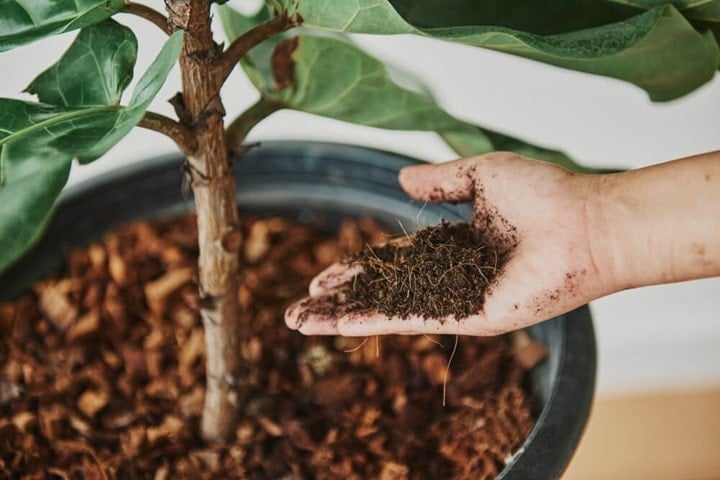
Compost is one of the most versatile and nutrient-rich fertilizers you can make at home. It involves the decomposition of organic matter such as food scraps, leaves, and garden waste. As compost breaks down, it releases nutrients like nitrogen, phosphorus, and potassium, which enrich the soil and promote plant growth.
Compost not only feeds plants but also improves soil structure and moisture retention. However it can take time to release its nutrients and for those nutrients to be available to plants. So in addition to using compost, we can also add compost to water to make a liquid plant feed, to give plants a more immediate boost.
2. Leaf Mould
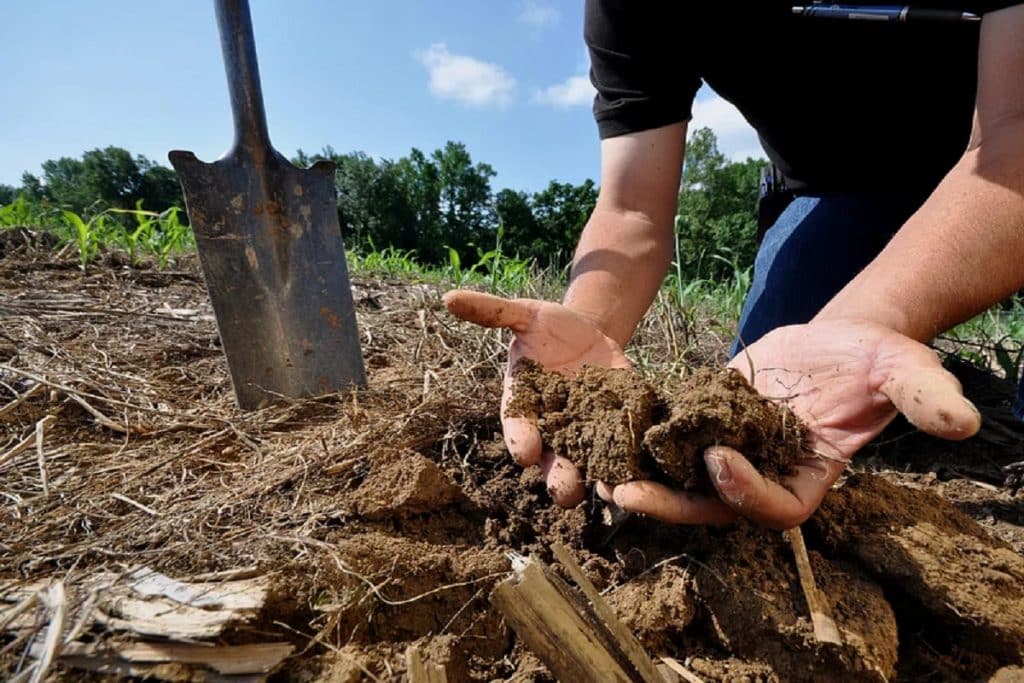
Leaf mould is another excellent natural fertilizer that is made from decomposed leaves. Unlike a more general compost, however, leaf mould is not used primarily for the nutrients it contains but rather for the way in which it works wonders as a soil conditioner, improving the soil’s ability to retain moisture and support beneficial microorganisms.
To make leaf mould:
- Collect fallen leaves and pile them in a shaded area.
- Moisten the leaves and leave them to decompose over several months to a year.
- Once the leaves have broken down into a crumbly, soil-like texture, they are ready to use as mulch or mixed into the soil.
Leaf mould is particularly beneficial for plants that prefer moist, well-drained soil.
3. Manures
Animal manures—such as cow, horse, chicken, and rabbit manure—are rich in nitrogen, phosphorus, and potassium. These nutrients are released slowly over time, providing long-lasting benefits for plants. Manure also improves soil structure and water retention.
Most manures will need to have been composted or aged for at least six months to a year to prevent burning plants with excess nitrogen before they are used on growing areas (rabbit manure is an exception). You can mix the composted manure into garden beds or use it as a top dressing around plants.
4. Fish Tank/ Fish Pond/ Aquarium Water
If you have a fish tank or pond, the water can be an excellent source of nutrients for your plants. Fish waste contains nitrogen, phosphorus, and potassium, as well as trace minerals that plants need. The water also promotes healthy soil microbial activity.
To use aquarium water:
- Simply use the water from regular fish tank cleanings or pond maintenance to water your garden.
- Apply directly to the soil around the base of plants.
This is an easy and effective way to recycle a natural source of fertilizer without creating any waste.
Fish waste water can also be used to feed plants in a hydroponic system, as part of an aquaponics scheme. If you have a garden pond, be sure to add these UK pond fish to it as well.
5. Grass Clippings (and other Green, Leafy Material)
Grass clippings are a fantastic source of nitrogen, which is essential for leafy plant growth. When used as mulch, they break down and release nitrogen into the soil, helping plants grow lush and green.
Grass clippings can be spread in a thin layer around plants as mulch. Alternatively, you can compost the clippings with other organic materials to create a more balanced fertilizer. Be warned, however – do not use too thick a layer of clippings, as this can lead to matting and poor air circulation.
6. Weeds as Plant Food
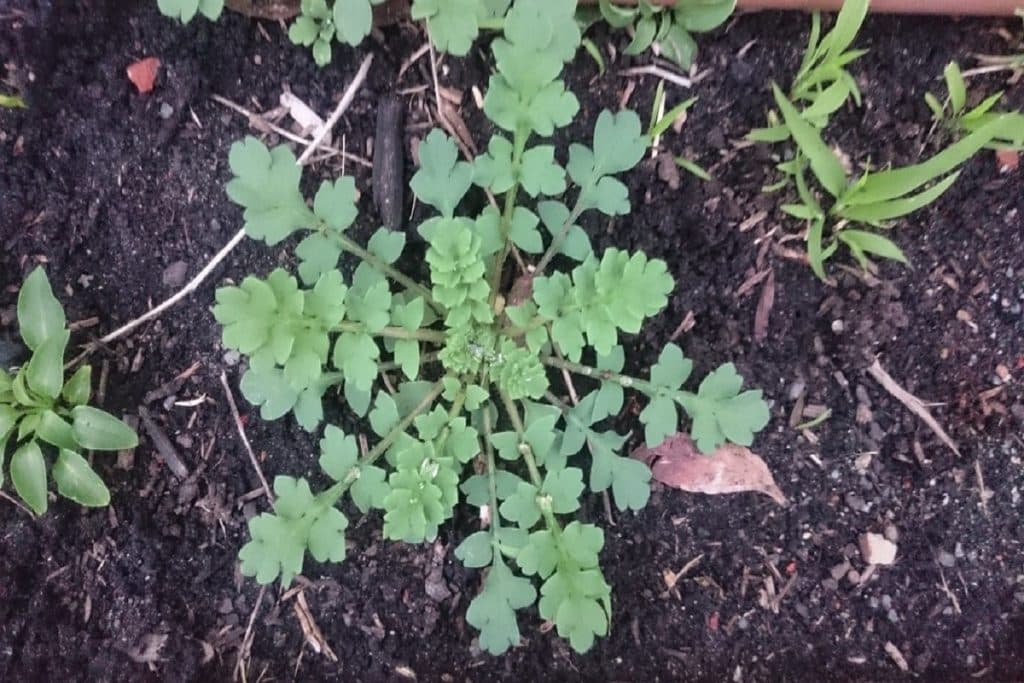
Weeds are often seen as a nuisance in the garden, but they can actually be turned into a valuable source of plant food. Many weeds, such as nettles and comfrey, are rich in nitrogen, potassium, and other nutrients.
To make a weed fertilizer:
- Collect nutrient-rich weeds (be sure they haven’t gone to seed).
- Soak the weeds in water for several weeks, stirring occasionally, to create a “weed tea.”
- Strain the liquid and dilute it with water (1:10 ratio) before applying to plants as a foliar spray or soil drench.
7. Seaweed Plant Feed
Seaweed is a powerful natural fertilizer, especially rich in trace minerals, potassium, and plant hormones that promote growth. Seaweed also contains compounds that improve soil structure and boost plant resilience to pests and diseases.
To use seaweed as fertilizer:
- Collect fresh seaweed (make sure to check local regulations before harvesting).
- Rinse off excess salt and chop it up.
- Add the seaweed to your compost pile, or steep it in water for several weeks to create a seaweed tea. Dilute the tea before applying it to your plants.
Seaweed works particularly well for vegetable gardens and fruit trees.
8. Epsom Salts
Epsom salts contain magnesium and sulfur, both of which are important for plant health. Magnesium helps plants absorb phosphorus and supports the production of chlorophyll, while sulfur is necessary for overall plant metabolism.
To use Epsom salts:
- Dissolve 1 tablespoon of Epsom salts in 1 gallon of water.
- Apply the solution to plants as a foliar spray or soil drench every few weeks.
Epsom salts are especially beneficial for tomatoes, peppers, and roses.
9. Wood Ash
Can you use ash for compost?
Wood ash from a fireplace or wood stove can be a great source of potassium and calcium carbonate, which helps to neutralize acidic soils. It can also provide trace amounts of micronutrients such as magnesium, phosphorus, and zinc.
To use wood ash simply sprinkle a light amount of ash around plants or mix it into the soil. You can also add it in moderation to a composting system.
Be careful not to overuse wood ash, however, as it can raise the soil’s alkalinity too much. Avoid using wood ash on acid-loving plants like blueberries, as it can raise the soil pH.
10. Banana Skins
Banana peels are rich in potassium, an essential nutrient that promotes flowering, fruiting, and root development in plants. They also contain small amounts of phosphorus, calcium, and magnesium.
To use banana skins, you can simply bury chopped banana peels directly in the soil near plant. Or you can make banana peel tea by soaking the peels in water for a few days, then using the liquid to water plants.
11. Eggshells
Eggshells are an excellent source of calcium, which is crucial for strong cell walls and preventing blossom end rot in plants like tomatoes and peppers. Eggshells decompose slowly, so they provide a steady release of calcium.
Just rinse the shells, crush them, and sprinkle them around plants, add them to your composting system, or steep them in water to make a calcium-rich liquid plant feed. Learn more in our eggshells for plants guide.
Of course, these are not the only natural fertilisers you might use. But those listed above can be a good place to start when looking for natural, organic homemade plant fertilizer ideas.
FAQs
u003cstrongu003eCan I use kitchen scraps directly as fertilizer?u003c/strongu003e
Yes, certain kitchen scraps like vegetable peels, coffee grounds, and eggshells can be used directly as fertilizer, though it’s generally best to compost them first. Composting breaks down these materials into a form that’s easier for plants to absorb. Burying raw scraps in the soil can also work but may take longer to decompose fully and could attract pests.
u003cstrongu003eHow often should I apply homemade organic fertilizers?u003c/strongu003e
The frequency of applying homemade fertilizers depends on the type and needs of your plants. Generally, organic fertilizers can be applied every 2–6 weeks during the growing season. However, compost and slow-release options like leaf mould or manure can be incorporated once or twice a year as they break down slowly over time.
u003cstrongu003eWhat common ingredients are used in homemade organic fertilizers?u003c/strongu003e
Common ingredients in homemade fertilizers include kitchen scraps (like banana peels and eggshells), compost, grass clippings, seaweed, coffee grounds, wood ash, and manures. These materials are rich in essential nutrients like nitrogen, potassium, and phosphorus, which plants need for healthy growth.
Sources
Gardener’s World. (2020) 10 plants for acid soils. [online] Available at: https://www.gardenersworld.com/plants/10-plants-for-acid-soils/ [accessed 27/09/24]