Creating a healing garden is something that can bring benefits in abundance. Any garden can be a healing space, allowing those who spent time in it to relax, repair and grow.
But the right design can help ensure that the garden gives the atmosphere required to help us to heal and feel better in our busy and often stressful world. So in this guide, I will bring my experience as a garden designer to bear to help you create your own healing garden, wherever you live.
Key Design Considerations for a Healing Garden
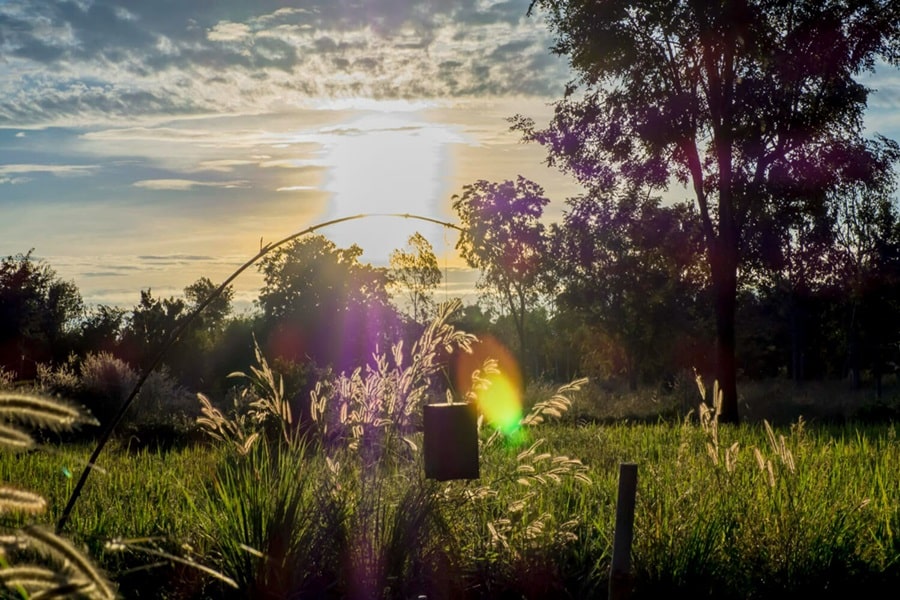
There are many different design considerations that should come into play when designing a healing garden. But here are some tips that are relevant no matter the size or characteristics of your particular space:
1. Keep it Green and Lush
One of the most important things to remember when aiming to create a healing garden is that you need to give plenty of space over for nature to reign – creating lush, green growing areas.
Spending time in natural feeling, green spaces has been proven to have a profound effect on people’s mental and physical health. Make sure that you incorporate enough plants into any garden scheme so that it feels more like a truly natural setting.
Create dense, lush and layered planting schemes to boost the natural biodiversity of the space, ideally incorporating plenty of native plants to create a sense of naturalness and belonging. This in turn can help those who spend time in the garden to feel relaxed and at home.
2. Make Movement Easy
Of course, while you need to make sure you have enough plants to create the desired effect, you also need to avoid overcrowding or cluttering the space.
As well as lush, green planting, another key component of a healing garden are pathways that allow for easy and free access throughout the space.
In a space for healing, accessibility for all is often key. Pathways should often be wide and smooth enough to allow for wheelchair or on-crutches access, allowing everyone the opportunity to explore and immerse themselves in the space.
Enabling a journey around the space, rather than just providing outdoor spaces for static enjoyment, can also be beneficial – exercise can be crucial for healing and is also good for our mental health.
3. Include Water in the Garden
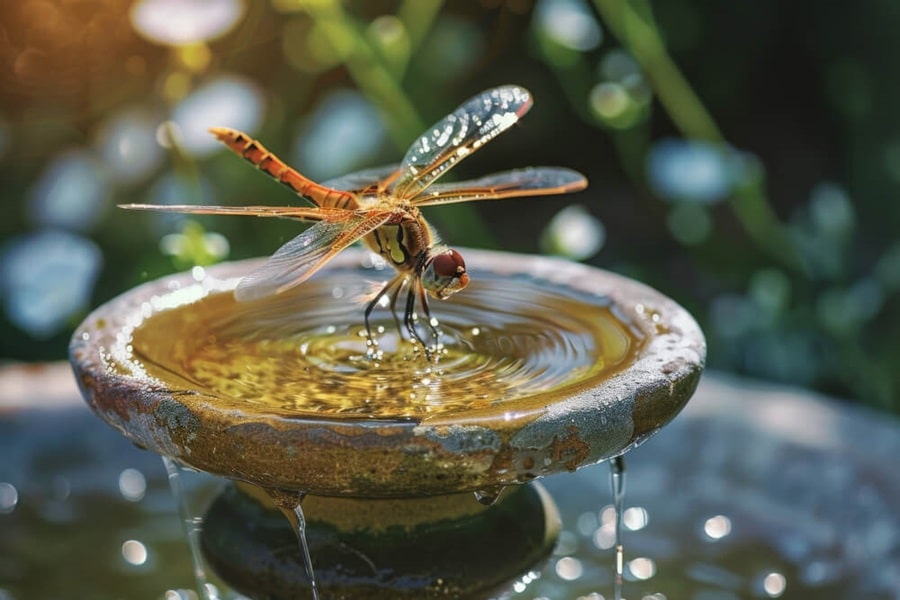
Plants aside, other elements can also help us to feel calm and relaxed. One thing that can definitely make us feel calmer is being near water – whether that is a wildlife pond, a babbling stream, a small tinkling or splashing water feature, or even a natural swimming pool.
In even the smallest of gardens, introducing water can be a wonderful idea. It can not only help us to feel calm and relaxed, but can also help to boost biodiversity and bring more wonderful wildlife into your garden.
4. Steer Clear of Paved Expanses
Whatever growing areas and other elements you ultimately decide to include in your healing garden, it is important to make sure that you do not overdo the hard landscaping if you want the space to be therapeutic and help people to relax.
Many of us will, of course, choose to include some paved areas or decking in our outside spaces, to turn them from simple gardens into outdoor rooms – part of our homes. But it is important, if you want the space to have healing properties, to avoid excessive human structures and materials.
Remember, plants are paramount, and it is the connection to nature a well-designed garden can provide that ultimately accounts for the healing properties of the space. Too many paved areas, or areas that are too large, can make the place feel more like a car park than a garden.
5. Make the Most of Borrowed Landscape
Even the smallest of gardens can be a healing space, and we can trick the mind into imagining that even in a tiny space we are cocooned in a larger oasis.
Through good planting choices and careful design, we can make a garden feel larger and more naturally expansive by making sure planting complements and ‘draws in’ larger trees outside the space, or other elements of the views enjoyed from within the garden itself.
6. Add Privacy and Restrict Unsightly Views with Plants
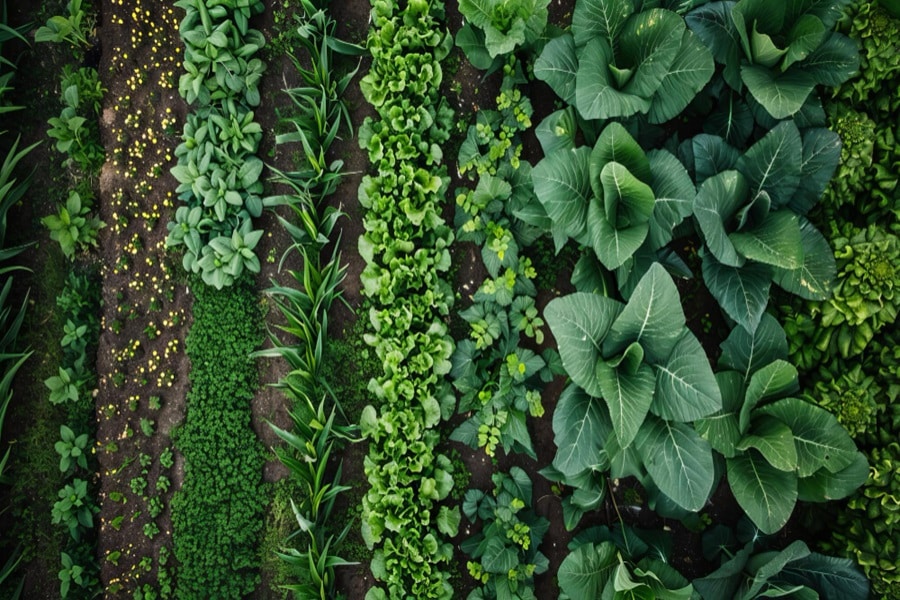
Another way to make a garden feel larger can be to blur the boundaries with lush planting, that makes it difficult to see how far the garden extends.
Making sure that you have the boundaries right can be important in a healing garden, because in a healing garden it is especially important that we feel safe, sheltered and protected from the outside world.
Improving privacy with border planting and the right plant choices to restrict sight lines from surrounding properties, and screening unsightly views can be very important for any healing outside space.
7. Understand Colour Psychology When Choosing Plants
Colours around us can have a surprisingly strong impact on our moods. So while there are of course many other things to consider when making plant choices, it can be a good idea, especially in a healing garden, to think about the impact our colour choices will make.
While it can be lovely to have foliage and flowers in a range of vibrant hues, we should also remember that in a healing garden, designed to be a relaxing and tranquil space, less can be more, and it can often be a good idea to make sure you stick to a more restricted colour palette for a specific area.
8. Make Sure Seating Areas Make You Smile
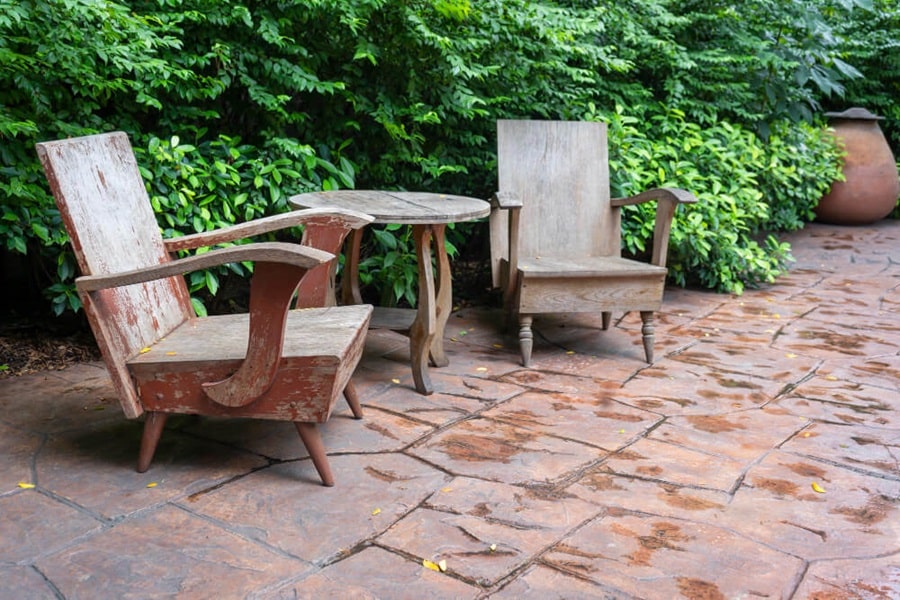
Creating the right seating areas can also of course be crucial for a healing garden. You need somewhere to sit and enjoy the beautiful and relaxing scheme you have created.
Make sure there are comfortable seating areas to enjoy, thinking about whether these are in sunlight or shade throughout each day and throughout the year, what they look out onto, and how private and relaxing they feel.
Consider how you might enhance a seating area to make it a more therapeutic space, and a more pleasant place to be. For example, you might add wildlife-sensitive lighting to enjoy the spaces after dark, or cover areas so you can enjoy them more frequently.
9. Engage All the Senses
When creating new gardens, many people focus almost exclusively in how it will look. Of course, sometimes the scents of blooms might also be considered.
But to make a true healing garden, we need to think about how we can engage not only sight and smell, but all the senses. Sensory gardens help immerse people fully into the space and help us to connect with nature and feel entirely relaxed and at home.
10. Embrace Nature and Welcome Wildlife
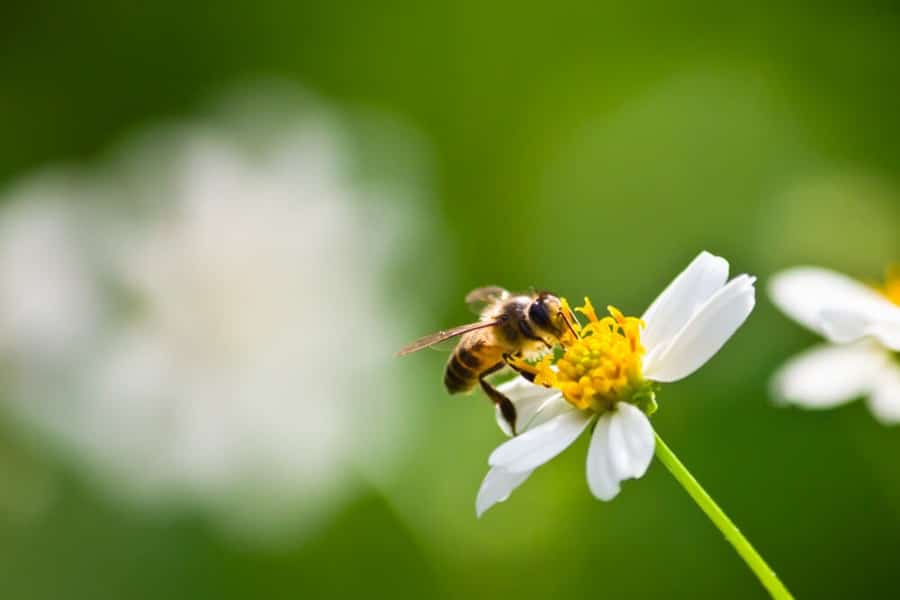
Healing can mean spending time alone, but connection is also often important. A garden can be a place to connect with other people as well as a space for quiet contemplation. It can also be a place where we can connect with local wildlife, and all elements of the natural world.
Planting and planning to draw in and welcome wildlife can be crucial. Spending time with wildlife watching can boost the mood and aid in any mental or physical healing that needs to take place.
11. Choose the Right Plants for a Low-Maintenance Scheme
It is not just spending relaxation time in a garden that can help with healing. The very act of gardening itself can be a healing activity.
Creating areas where you can grow your own food and other useful yields yourself at home (outdoors or in a polytunnel) can be hugely beneficial for your mental and physical health, so the best healing gardens often produce at least some edible yields.
But, of course, we don’t want to pile on any pressure and so healing gardens, even those growing food, are more commonly low-maintenance schemes, that will not be too challenging to care for and maintain.
Remember, creating a low maintenance scheme is not about using fewer plants. It is about choosing the right ones for the right places. Lush and biodiverse gardens can be designed to largely take care of themselves.
12. Incorporate Healing Herbs
It is not only the garden itself that can be healing. The plants grown within it can be healing too. There are numerous herbs and other plants that we might grow in our gardens and learning more about herbal healing and natural medicine can be a fascinating hobby too.
Of course, we need to be careful as plants can obviously harm as well as heal. So if you are interested in growing and using healing herbs you should take a course, or at least get some professional advice before doing so.
13. Soften Hard Edges and Choose Organic Shapes
In terms of the overall design, aesthetics can be important to creating the healing vibe you are going for. Hard edges and crisp lines are not necessarily always a bad choice for healing gardens, but soft, flowing and organic shapes can often make it a lot easier to get a relaxing space that can help us heal.
Good healing gardens often work with nature rather than fighting it, taking inspiration from the patterns of the natural world around us.
14. Select Natural Materials for Garden Elements
Natural materials like stone, and wood, can also work well within a healing garden – helping to blur the boundaries between the organic and the man-made and making things flow for a more relaxing space.
In a healing garden, natural materials can work better to create the right atmosphere than synthetic materials could ever do.
15. Start With What You Have
Of course, the tips above are just some suggestions to help you design the perfect healing garden. But any garden can become a healing space. Don’t be tempted to throw out what you currently have as you begin to create a new healing garden.
It is always best to start with what you have and to amend and adjust more slowly over time, rather than removing all the existing and starting from scratch. You can have a healing garden in a range of different styles.
FAQs
What are the colours for a healing garden?
Blues and greens tend to be soothing colours and are good choices for a healing garden. But any colours can work well – just remember that it is best not to use too many colours all at once. As a general rule, it is typically best to stick to just 2-3 different hues in a particular growing area to keep things as calm as possible.
What are the features of a healing garden?
Plenty of plants and wildlife, organic shapes and forms, easy access, and elements to engage all the senses are some of the most important features of any healing garden.
What is the healing garden theory?
There is a widespread belief in the power of time spent in natural surroundings to do us good. The theory is that a healing garden helps at least in part because it is a space that allows us to reconnect with the natural world. Modern research has shown that spending time in a beautiful garden, and perhaps a productive one, can help us heal and improve both mental and physical health in a number of different ways.
How do I start a therapy garden?
Starting a therapy garden or therapeutic outside space involves looking carefully and closely at the space, and creating a design that allows for physical and mental healing. The core idea is to create spaces where people can immerse themselves in the natural world and escape the stresses of modern life.
Sources
Garden Design. (n.d.) Garden Styles. [online] Available at: https://www.gardendesign.com/styles/ [accessed 21/05/24]