

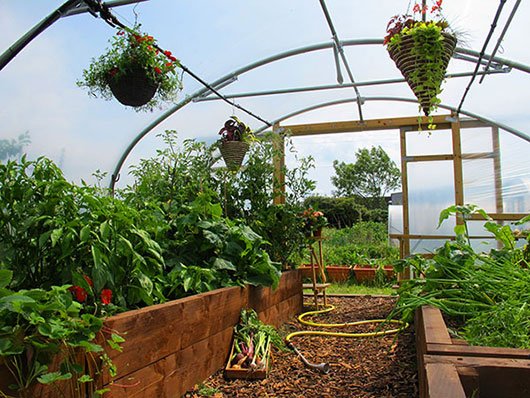
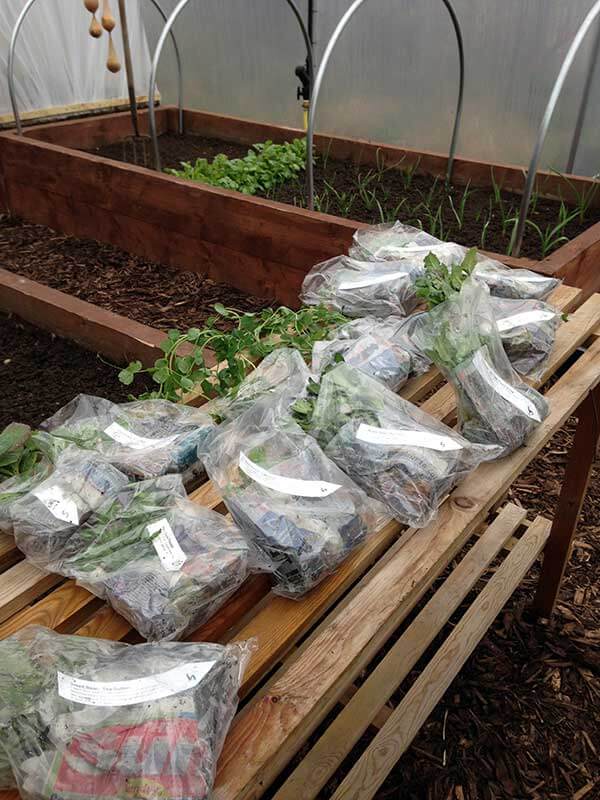
If you’re like me, you can’t wait to get out into the Polytunnel and start planting! Getting the Polytunnel prepared for your flowers, fruits and vegetables are the first important steps in growing your own success!
1) Clean, wash & disinfect
Spring clean if you like! If you didn’t get around to clearing up spent Polytunnel plant debris last autumn, make an effort to do it now. Pay extra special attention to any diseased or infested dead plant material and remove it from your Polytunnel before you do anything else. Hunt down garden pests sheltering for the winter. Insect eggs and fungal spores lurking on old infected crops can rapidly infect any new tender plants and ultimately affect your produce all summer long.
2) Right Place, right time, right plant.
Make sure you take the time to read the instructions on the back of the seed packets or plant labels and place them in the best location to meet their specific requirements. Plants that do not get enough precious sunlight will grow weak and leggy and won’t be able to produce very much food for you.
3) Light and air flow
Ample air movement helps foliage dry quickly after watering. This process helps to dodge diseases and pests, so try your best not to crowd your plants. Give them plenty of space. If your plants have the right amount of space, water, light, temperature and the appropriate soil conditions they won’t be under any unnecessary stress and will thank you later in the year with a fabulous, fruitful harvest.
4) Manage water
If possible, group plants in the Polytunnel according to their watering needs. Allowing your plants to get extremely dry and then flooding them will result in uneven growth, deformed foliage, and reduced yield- and we wouldn’t want that!
5) Rotation
Don’t put a plant in the same spot where you grew it last year. Different crops have different nutrient requirements. By rotating crops year to year between vegetable plots, this helps to reduce a build-up of crop-specific pests and nasty disease problems. Changing crops annually also reduces the chance of specific soil deficiencies developing.
6) Valuable organisms
There are beneficial nematodes that attack and kill insects, slugs and other bothersome things that lurk in the soil. There are also lots of helpful insects and other little critters that are willing to eat irritating pests that want to scoff your crops before you do. Ladybirds, frogs, toads and spiders can all help to get rid of insect pests for you. If you manage your Polytunnel to protect these valuable critters, they will help you manage the pests.
7) Clean gardening tools
It’s a good idea to give your gardening tools a decent spruce up and a quick sharpen to improve their performance. Taking care of your old gardening tools helps to keep them in good working order. It also saves you money buying unnecessary replacements for rusty, neglected ones. Dirty secateurs may very well introduce bacteria, spread horrid diseases and fungi to fresh pruning wounds, so better to be safe than sorry!