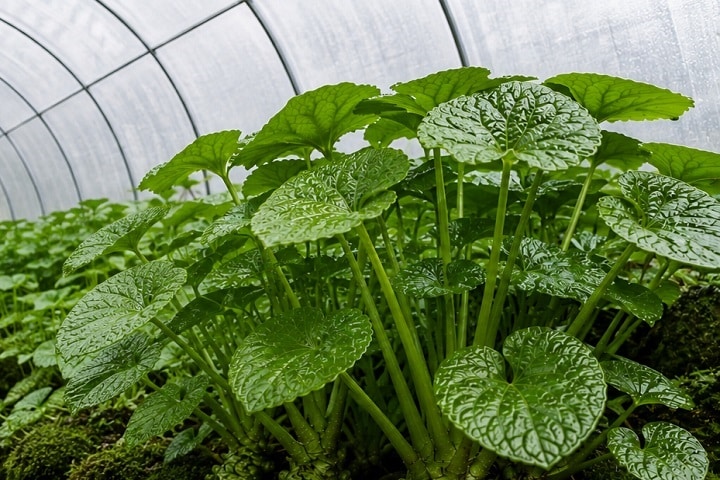
Growing Wasabi in the UK: From Seed to Harvest
Many gardeners and growers may be surprised to learn that you can grow wasabi in the UK. If you do a quick search on how to grow wasabi, you will notice it has a reputation for being one of the more challenging crops to cultivate. Real wasabi (Wasabia japonica) can grow successfully when you provide the conditions it prefers: shade, moisture, good drainage and stable temperatures.
Growing wasabi is very different from growing many common garden crops. It is slow, sensitive and requires patience, but that is also what makes it such an interesting plant for gardeners who enjoy experimenting.
I have found that the biggest mistake people make with wasabi is assuming it is difficult because it needs complicated care. In reality, it is often the environment that causes problems. When the conditions are right, wasabi is surprisingly resilient. When conditions fluctuate too much, the plant quickly shows signs of stress.
A sheltered growing area can help create the consistency wasabi needs. If you are using a polytunnel or another protected space, it is worth learning how to understand how to create the cool and stable conditions wasabi prefers.
This guide explains how to grow wasabi in the UK, from choosing planting material through to harvesting, including what realistic results you can expect from growing at home.
Key Takeaways
- Wasabi can be grown successfully in the UK when moisture, shade and temperature are carefully managed.
- The edible part of the plant is the rhizome, not the root.
- Growing from seed is possible but requires more patience than starting with established plants.
- Containers and protected growing areas can make it easier to control conditions.
- Successful wasabi growing is about consistency rather than intensive feeding.
- Growing reality: Wasabi is not a quick crop. The reward comes from creating the right environment and patiently allowing the plant to mature.
Can You Grow Wasabi Successfully in the UK?
Yes, wasabi can be grown in the UK, but it needs a slightly different approach from many traditional vegetables.
In its natural environment, wasabi grows in cool, shaded areas with constant moisture and good airflow. It is often associated with mountain streams in Japan, where temperatures remain relatively stable.
The UK climate can actually provide some of these conditions. Cool weather is not necessarily a problem, but extremes are. Hot summer temperatures, drying winds, waterlogged soil and sudden changes can all cause difficulties.
Myth vs Reality: Growing Wasabi
| Myth | Reality |
|---|---|
Wasabi can only grow in Japan | Wasabi can be grown elsewhere when conditions are suitable |
It needs constant running water | It needs consistent moisture, but good drainage is essential |
It is impossible for home gardeners | It is achievable with patience and the right setup |
It grows quickly once planted | It is a slow-growing crop requiring long-term care |
The key question is not “Can wasabi survive in the UK?” but rather “Can you create the stable environment it needs?”
Conditions Checklist
Wasabi performs best with:
- Partial or filtered shade
- Cool temperatures
- Moist but well-drained growing conditions
- Protection from strong winds
- Consistent watering
When deciding where to grow wasabi, it is important to choose the right growing position for moisture sensitive crops.
For many gardeners, the challenge is not providing enough care but avoiding sudden changes that stress the plant.
Understanding Wasabi Plants Before You Start
Before growing wasabi, it helps to understand what you are actually growing.
The scientific name for true wasabi is Wasabia japonica. Although many people refer to the harvested part as “wasabi root”, this is not technically correct.
The part traditionally grated and eaten is the rhizome.
Wasabi Plant Anatomy
Leaves:
Large green leaves that grow above the soil and indicate plant health.
Crown:
The central growing point where leaves and stems develop.
Rhizome:
The underground stem that develops over time and is the part harvested for eating.
Roots:
Fine roots that absorb water and nutrients.
Understanding this difference matters because growing a healthy plant does not mean you immediately have something to harvest. The rhizome takes time to develop.
The Conditions Wasabi Needs to Grow Well
Wasabi is often considered difficult because it has specific environmental preferences.
The good news is that these preferences can often be managed.
Environmental Checklist
Shade
Wasabi prefers shade rather than strong direct sunlight.
Too much sun can cause:
- Leaf stress
- Faster moisture loss
- Poor growth
A sheltered position with filtered light is usually more suitable.
Moisture
Wasabi likes consistent moisture but does not like sitting in stagnant water.
The roots need oxygen, which means drainage is just as important as watering.
Temperature
Stable temperatures are ideal.
Wasabi can tolerate cool conditions, but sudden heat or cold changes can slow development.
Airflow
Good airflow helps reduce the risk of fungal problems, especially in humid growing environments.
Do and Avoid
| Do | Avoid |
|---|---|
| Keep soil consistently moist | Allowing plants to dry completely |
| Provide shade | Exposing plants to intense summer sun |
| Use free-draining growing media | Planting in heavy, waterlogged soil |
| Monitor temperature changes | Allowing extreme fluctuations |
Water quality can also influence plant health. You can learn why water quality can make a difference to plant health.
If you are creating a protected growing area, it helps to understand how to create the cool and stable conditions wasabi prefers.
How to Grow Wasabi From Seed, Plantlets or Established Plants
There are several ways to start growing wasabi, but they do not all offer the same level of difficulty.
Comparing Starting Methods
| Starting Method | Advantages | Challenges |
|---|---|---|
| Seeds | Rewarding and inexpensive | Slow germination and longer growing process |
| Young plants | More reliable for beginners | Higher initial cost |
| Established plants | Faster route towards maturity | Less commonly available |
Growing Wasabi From Seed
Growing wasabi from seed is possible, but it requires patience.
The early stages can be slow, and germination success may vary depending on conditions.
For most home growers, starting with a young plant is often the easier option.
Starting With Young Plants
A young plant gives you a stronger starting point because it has already passed the earliest development stages.
When choosing planting material, look for:
- Healthy green leaves
- Strong growth
- No signs of damage or rot
Decision Checklist
Choose seeds if you:
- Enjoy experimenting
- Are happy with a longer growing journey
- Want to experience the complete process
Choose young plants if you:
- Want a more reliable start
- Are growing wasabi for the first time
- Prefer focusing on plant care rather than propagation
How to Plant Wasabi at Home
Wasabi can be grown in containers, raised beds or protected growing areas.
For many UK gardeners, containers offer useful control because you can manage moisture and drainage more easily.
Container Growing
A suitable container should provide:
- Good drainage
- Enough space for root development
- A moisture-retaining but free-draining growing mix
Planting Steps
1. Prepare the Growing Space
Choose a cool, shaded location away from harsh sunlight.
2. Position the Plant
Place the crown correctly so the growing point sits at the appropriate level.
3. Maintain Moisture
Water thoroughly after planting and keep conditions consistent.
4. Monitor Growth
Watch the leaves for early signs of stress.
When choosing a growing position, especially in a protected environment, choose the right growing position for moisture sensitive crops.
How to Grow Wasabi Indoors or in a Polytunnel
Some gardeners look into growing wasabi indoors because they want greater control over conditions.
Indoor growing is possible, but it can be challenging because maintaining the right balance of light, humidity and airflow requires attention.
A polytunnel offers a different approach. It provides protection while still allowing natural light and ventilation.
Indoor vs Polytunnel Growing
| Environment | Advantages | Limitations |
|---|---|---|
| Indoors | Greater temperature control | Can lack airflow and natural conditions |
| Polytunnel | Protected, naturally lit growing space | Requires ventilation management |
| Outdoors | Simple setup | Less control over weather changes |
For unusual crops like wasabi, protected growing is often about reducing stress rather than creating a completely artificial environment.
You can discover other unusual crops that can be grown in a polytunnel.
Caring for Wasabi Through the Seasons
Wasabi rewards consistency.
Seasonal Care Checklist
Spring
- Check new growth
- Maintain moisture levels
- Remove damaged leaves
Summer
- Increase monitoring during warm periods
- Provide extra shade if needed
- Prevent drying out
Autumn
- Reduce stress from changing temperatures
- Continue monitoring moisture
Winter
- Protect from harsh conditions
- Avoid overwatering during slower growth
Wasabi does not need heavy feeding. A healthy environment is usually more important than frequent fertilising.
Remember that water quality matters too. You can learn why water quality can make a difference to plant health.
Harvesting Wasabi and What to Expect
One of the most common questions is: how long does it take to grow wasabi?
The answer depends on growing conditions, but wasabi is a long-term crop.
Growing Timeline
Early stage:
Plant establishes roots and produces leaves.
Development stage:
The crown and rhizome gradually increase in size.
Mature stage:
The rhizome becomes suitable for harvesting.
Harvest Checklist
A mature plant will typically have:
- Strong leaf growth
- A developed crown
- A larger rhizome
The harvested rhizome should be handled carefully. Fresh wasabi is usually grated immediately before eating because this preserves its flavour and character.
Common Growing Problems and How to Avoid Them
Wasabi problems are usually linked to environmental stress.
| Problem | Cause | Solution |
|---|---|---|
| Yellow leaves | Stress, poor conditions or nutrient issues | Review environment and care routine |
| Rot | Excess moisture and poor drainage | Improve drainage |
| Slow growth | Temperature stress or inconsistent care | Stabilise conditions |
| Leaf damage | Too much sun or environmental changes | Increase protection |
If your plant is struggling, start by reviewing its location. A suitable position is often more important than adding extra products.
You can choose the right growing position for moisture sensitive crops.
Why Protected Growing Can Help With Specialist Crops
Wasabi is a good example of how unusual crops benefit from environmental consistency.
A polytunnel is not essential, but it can make it easier to manage temperature, shelter and moisture.
For gardeners who enjoy experimenting, protected growing creates opportunities to try crops that would otherwise be difficult in the UK.
You can discover other unusual crops that can be grown in a polytunnel.
Conclusion
Growing wasabi in the UK is not impossible, but it does require patience and realistic expectations.
The key is not trying to force the plant to grow faster. Instead, success comes from creating the cool, shaded and consistently moist conditions it naturally prefers.
For me, that is what makes growing wasabi so rewarding. It is a reminder that gardening is often about understanding a plant rather than simply providing care. With the right environment and a little patience, even a specialist crop like wasabi can become an achievable home-growing project.
Frequently Asked Questions
Does wasabi survive winter in the UK?
Yes, wasabi can tolerate cool conditions, but protection from extreme weather helps prevent stress.
Is growing wasabi from seed difficult?
Growing from seed is possible but requires more patience than starting with established plants.
Can you eat wasabi leaves?
Yes, young wasabi leaves can be edible, although the rhizome is the part most commonly valued.
Does wasabi prefer pots or planting in the ground?
Both can work. Containers often make it easier to control moisture and drainage.
How much shade does a wasabi plant need?
Wasabi generally prefers shaded or filtered light conditions rather than strong direct sunlight.
Why is my wasabi growing slowly?
Slow growth is normal, but poor conditions such as heat stress, inconsistent moisture or unsuitable light can make growth even slower.
Washington State University Extension (2025) Growing Wasabi in the Pacific Northwest. Available at: https://pubs.extension.wsu.edu/product/growing-wasabi-in-the-pacific-northwest/ (Accessed: 2 August 2026).
North Carolina State University Extension (2025) Japanese horseradish (Eutrema japonicum). Available at: https://plants.ces.ncsu.edu/plants/eutrema-japonicum/common-name/japanese-horseradish/ (Accessed: 2 August 2026).