

Creating a colourful garden involves more than simply choosing plants that bloom in vibrant hues. The colour scheme of your garden is integral to its overall design, influencing the ambiance and aesthetics of your outdoor space.
By thoughtfully arranging your garden’s colours, you can cultivate an environment that resonates with your personal style while benefiting wildlife, promoting sustainability, and fostering a sense of calm and joy.
Here, we’ll guide you through the process of selecting and arranging a colourful garden that aligns with eco-friendly principles, is organic, and welcomes wildlife too.
Garden Colour Schemes – As Part Of Your Overall Design
A garden’s colour scheme is not something you choose in isolation. It must blend harmoniously with the overall design of the space, taking into account factors such as size, shape, style, and function. If your garden is large, you have greater freedom to experiment with bold contrasts and rich colour combinations, but if you’re working with a smaller space, a more restrained and balanced approach may be necessary to avoid overwhelming the senses.
To begin, think of your garden as an extension of your home. The colours in your garden should complement the tones inside, with transitions that flow naturally. If your home is painted in neutral tones like beige or grey, then incorporating soft pastels or lush greens in your garden can create a sense of continuity. On the other hand, if your house features vibrant, bold colours, you might want to incorporate complementary plant colours to balance the visual experience.
Consider using colour to define distinct areas in the garden. For example, a seating area could be surrounded by calming blues and purples, while a vegetable patch might be edged with vibrant yellows and oranges, creating a sense of energy and vitality. This zoning approach allows you to create different atmospheres that suit your needs at different times of the day.
Colour Considerations – Last But Not Least
When planning a garden colour scheme, colour is important, but it should not be the first thing you think about. It is best to design for practicality and ecological function first and foremost, and to move from big-picture patterns to details as you plan your space.
Colour considerations come after more practical concerns, and finding the right plants for the right places – but colour considerations, though they come later in the process, are also important.
It is also essential to consider more than just the flowers. Foliage, bark, and even the soil colour can significantly influence the overall effect. Foliage can provide a rich backdrop to highlight the flowers, so be sure to consider the green tones of your plants. Some shades of green can seem cool, while others feel warm or neutral, depending on the variety. For example, silver-leaved plants like lavender or lamb’s ears can introduce an ethereal coolness to your garden, while bronze or golden foliage such as from certain ferns or ornamental grasses can add a rich warmth.
In addition, think about how the light in your garden affects the colours. Some hues look better in the soft, diffused light of early morning, while others pop under the harsh midday sun. Consider the direction of sunlight and how it will interact with your chosen colours. Early morning and late afternoon light tends to be softer, and certain colours will appear more vibrant during these times. Strong midday light, on the other hand, can sometimes wash out colours, so it’s important to keep this in mind when selecting the types of plants for different areas.
Choose Garden Colour Schemes To Create A Mood
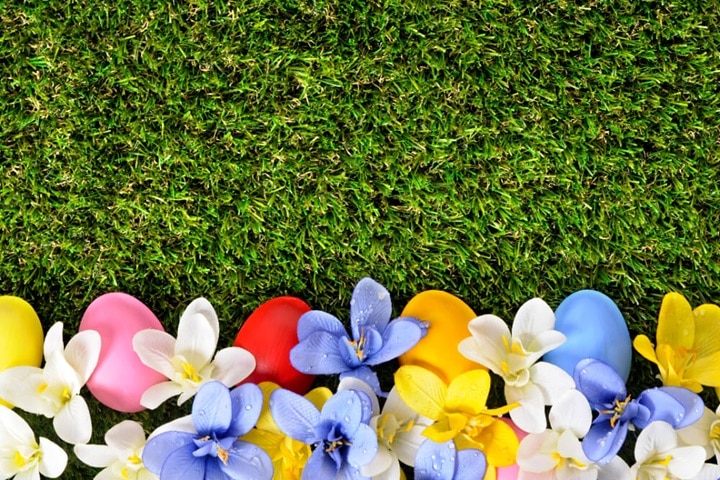
The colour scheme in your garden directly impacts the mood of the space. Different colours evoke different feelings, and you can use this to your advantage. For example:
- Warm Colours (Red, Orange, Yellow, hot pinks): These colours evoke feelings of warmth, energy, and passion. They are perfect for creating a lively atmosphere, ideal for spaces that you want to feel dynamic and exciting. Use them near patios, play areas, or any section of the garden where you entertain guests. In flower beds, consider incorporating plants like marigolds, sunflowers, and poppies for an explosion of warmth and cheerfulness.
- Cool Colours (Blue, Purple, Green): Cool tones are calming and relaxing. They work wonders for creating a tranquil oasis, especially around water features, seating areas, or areas designated for relaxation and meditation. Lavender, irises, and delphiniums all come in cool, calming purples and blues, bringing a sense of peace and serenity to your outdoor space.
- Neutral Colours (White, Grey, Brown): Neutral tones help balance the more vivid colours and can provide a restful visual break. They can be used for pathways, decorative stones, garden furniture, or the walls surrounding your garden. These colours can also enhance the beauty of surrounding plants, giving the eye a place to rest while allowing more vibrant colours to stand out. Consider planting white roses or incorporating grey slate stones as features.
1. Harmonious Plant Combinations vs Complementary Plant Combinations
When selecting plants, consider that there are harmonious and complementary colour combinations.
- Harmonious Plant Combinations: use colours that are next to each other on the colour wheel, such as blue and green or yellow and orange. These combinations tend to be soothing and easy on the eyes, promoting a feeling of tranquility. In a garden, these combinations are ideal for creating a cohesive, flowing design where the colours blend seamlessly into one another, producing a sense of harmony. For example, a garden featuring a mix of lavender, sage, and rosemary will have a soft, pleasant feeling, ideal for a calming space.
- Complementary Plant Combinations: pair colours that are opposite one another on the colour wheel, like red and green or purple and yellow. Complementary colours can add contrast and drama to your garden, creating bold and striking effects. These combinations tend to grab attention and can make your garden feel more vibrant and exciting. For example, placing a deep purple aster next to a bright yellow sunflower can create an eye-catching display.
You don’t have to strictly follow either approach—often, the most effective garden designs will feature a mix of both. Just be sure to balance the intensity of colours so that one doesn’t overpower the other.
2. Accent Plants for Oomph and Impact
While the primary colour scheme of your garden will be dictated by the main plants, accent plants can introduce unexpected pops of colour to add visual interest and contrast. These plants serve as focal points or highlights, giving your garden a touch of drama and flair.
Consider using plants with bold, contrasting colours that stand out against the background plants. Brightly coloured flowers like red begonias or vivid yellow daisies can create striking focal points, while ornamental grasses or low-growing plants with unique foliage patterns can add texture.
In addition to colour, think about texture and form when choosing accent plants. A tall, spiky plant like a purple allium can add height, while a low-growing, trailing plant such as creeping thyme can bring softness and a sense of movement.
3. Garden Border Colour Schemes – Repetition and Restraint?
Borders are the frames of your garden, and their colour can have a significant impact on the overall design. Repetition of colour in your borders can create a sense of unity, leading the eye naturally from one part of the garden to the next. Using plants with a consistent colour palette in the borders will allow the focal plants to shine without overwhelming the space.
However, restraint can sometimes be key to creating a pleasing aesthetic effect. Too many different colours in the border may create a cluttered effect, so it’s often best to limit the range of colours used. For example, creating a simple green border with white or cream flowers such as daisies or peonies can add a sophisticated, understated elegance to the garden, allowing the other areas to be more vibrant without the border distracting from them.
There are no hard and fast rules, however, and if you love a maximalist, over-the-top vibrancy then go for it, and include as many bright colours as you choose!
4. Colour Changes Throughout the Garden – Stretching the Space
One way to make your garden appear larger or more dynamic is by using colour strategically to stretch the space. This can be done by gradually changing the colour scheme as you move from one area to another, creating the illusion of greater depth.
For example, you can start with cooler colours in the foreground—like soft blues and purples—and slowly transition into warmer tones in the background, like oranges and reds. This gradient effect pulls the eye through the garden, making it seem larger than it actually is. Another technique is to create a focal point with a bold colour that contrasts with the surrounding plantings, drawing attention and directing the gaze.
5. Paint Colours & Finishes to Complement Plants
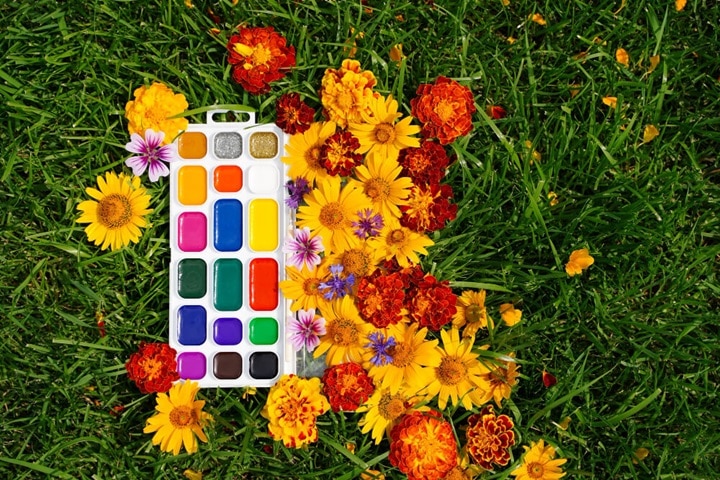
While plant colours are the focus of any garden, don’t forget the impact of garden furniture, sheds, and fences. Choosing the right paint colours and finishes for these elements can either complement or contrast with the plants around them, tying the entire design together.
For example, if you have a rich green foliage theme in your garden, consider painting your furniture in soft neutrals, like a weathered white or a faded grey. This will allow the plants to take centre stage while creating a calm, cohesive look. If you have a more vibrant colour scheme, you could opt for furniture in bold hues that either match or contrast with the plants, adding another layer of dimension to your design.
6. Can A Garden Be Too Colourful?
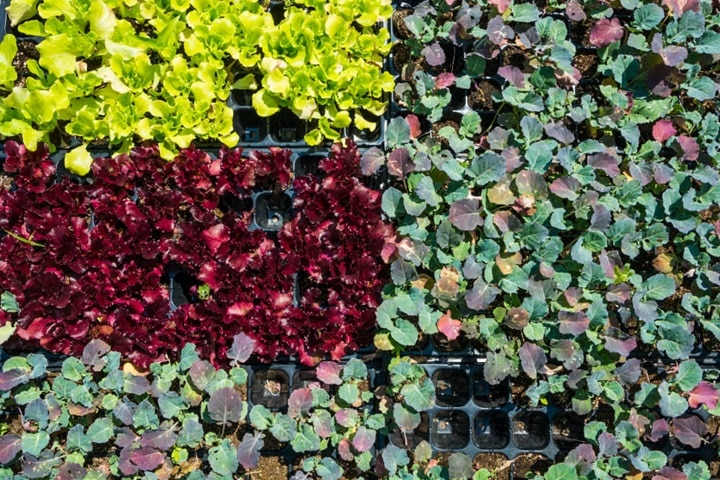
While a colourful garden can bring energy and joy, many argue that it is important not to overdo it. Too many clashing colours in one space can create visual chaos and detract from the beauty of your plants. The key is usually said to be balance and moderation. You can use vibrant colours, but keep them contained and use them strategically.
It can indeed be a good idea to use a cohesive colour scheme that ties the various elements of your garden together, but it is not a firm rule. As mentioned above, if you love vibrant colour all around you – go for it! Make your garden your own!
As long as the colours flow naturally, it is unlikely that a garden can be “too colourful.” The best designs often feature a mix of complementary and harmonious colours, allowing them to work in unison rather than competing with each other. But ultimately, your garden – your taste. How you want your garden to look and feel is up to you.
Further reading:
FAQs
How do I choose a colour scheme for my garden?
Start by considering the overall design of your garden and how you want it to feel. Think about the mood you want to create and the colours that best reflect that. Also, take into account the natural elements like the colour of your home and garden furniture, as well as the existing foliage.
What are some popular garden colour schemes?
Some popular schemes include monochromatic designs with variations of a single colour, complementary colour schemes like purple and yellow, and soothing blue-and-white schemes.
What are some strategies for seasonal colour schemes in the garden?
To keep your garden vibrant year-round, choose plants that flower in different seasons. Combine early bloomers like crocuses with mid-season flowers like tulips and late-season plants like chrysanthemums. Incorporating foliage plants with interesting textures and colours will ensure there’s something of interest even when flowers are not in bloom.
Sources
Planteria Group. (2021). How Flowers Can Lift Your Mood. [online] Available at: https://www.planteriagroup.com/blog/flowers-can-lift-mood/ [accessed 26/03/2025]