

As the days grow shorter and the air carries that familiar chill, many gardeners turn inward—both metaphorically and literally—toward their polytunnels. These protective spaces offer a valuable extension to the growing season, but as winter approaches, the question becomes not just what can survive in your polytunnel, but what will thrive. Summer planning can be key.
Contrary to popular belief, winter doesn’t mean the end of productive gardening. By selecting frost resistant plants, understanding plant hardiness, and applying a few thoughtful techniques, your polytunnel can remain vibrant throughout the colder months.
Summer planning involves thinking about which frost resistant or hardy plants to sow or plant, and getting those jobs done before the end of the growing season.
What Plants Can Tolerate Frost?
Frost tolerance varies between plant species and even cultivars. Some frost resistant plants will blacken and die back at the first light frost, while others endure—even thrive—through hard freezes. Frost-tolerant plants have developed adaptations such as antifreeze proteins, sugar concentration in cells, or deep dormancy to survive low temperatures.
Broadly speaking, these include:
- Hardy leafy greens (e.g. kale, chard, winter lettuces)
- Root vegetables (e.g. carrots, parsnips, swedes)
- Brassicas (e.g. cabbage, Brussels sprouts)
- Certain herbs (e.g. thyme, sage, chives)
- Perennials and woody shrubs native to colder regions
Choosing plants known for their cold-weather resilience means you’re not just surviving the season—you’re still producing food and supporting soil health.
Understanding Plant Hardiness
Plant hardiness refers to a plant’s ability to withstand adverse growing conditions, particularly cold temperatures. In the UK, we often refer to the RHS hardiness rating or the USDA hardiness zones as guidelines.
- Very hardy (H5–H7 / USDA Zone 3–6): Survive severe frosts (−15°C or colder)
- Hardy (H4): Tolerate average UK winters (−10°C to −5°C)
- Half-hardy (H3): Need protection from frost (0°C to −5°C)
- Tender (H1–H2): Should be overwintered indoors
In polytunnels, the microclimate you’ve created—sheltered from wind, buffered from extreme cold—can give even borderline plants a better chance. Some areas of the tunnel may be milder than others, depending on airflow, insulation, and solar gain. Keep a thermometer handy to monitor fluctuations.
Protecting Plants in a Polytunnel from Frost
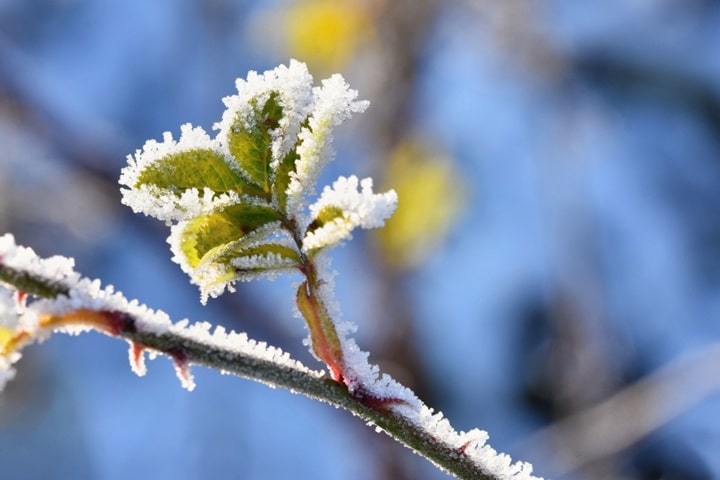
While a polytunnel provides an essential buffer, it doesn’t make plants immune to freezing conditions. The inside temperature can still dip to damaging levels during prolonged cold snaps. Here’s how to give your frost-resistant plants the best chance of thriving:
1. Thermal Mass
Barrels of water or stones placed inside your polytunnel absorb heat during the day and release it slowly at night, helping to moderate temperatures.
2. Row Covers and Fleece
Draping plants with horticultural fleece or row covers creates a micro-microclimate. These lightweight materials can add 1–3°C of protection without stifling airflow.
3. Mulching
Apply thick organic mulches (straw, compost, leaf mould) around root zones to insulate soil, prevent heaving, and retain warmth.
4. Hot Beds
Long before modern polytunnels, gardeners used hotbeds to harness compost heat for early plant starts. A hotbed is essentially a raised planting bed built on top of a thick, active compost heap. The heat generated by the decomposing organic matter warms the soil above, creating a microclimate perfect for frost-sensitive seedlings and early vegetables.
Tip: Ironically, while you’re guarding against the cold, it’s also crucial to maintain airflow to prevent dampness and fungal issues. So, open vents on mild days and close up again before dusk.
5. Polytunnel Heating
For those seeking to push the growing season even further or grow more tender plants, gentle heating can be a game-changer. There are several ways to add warmth to a polytunnel in winter without breaking the bank or compromising sustainability.
Frost Resistant Trees and Shrubs for a Polytunnel

While polytunnels are often used for annual crops, small trees and shrubs—especially in larger tunnels or permanent raised beds—can provide structure and long-term yields.
Top Frost-Hardy Choices:
- Dwarf Apple Trees (Malus domestica): Many heritage varieties are fully hardy and continue to crop well under polytunnel cover.
Apple varieties known for either extended flowering periods or resilience to spring frosts include Lane’s Prince Albert and Worcester Pearmain. Among pears, Williams’ Bon Chrétien and Onward are well-suited for colder conditions. For plums, look to hardy types such as Pershore, Czar, and Blue Tit. When it comes to cherries, the classic sour variety Morello stands out as a reliable, cold-hardy option.
- Blackcurrants (Ribes nigrum): Tolerant of frost and ideal for a protected but unheated space.
Blackcurrants such as ‘Ben Lomond’ and ‘Ben Connan’ are exceptionally frost-tolerant and crop reliably year after year. Gooseberries like ‘Invicta’ and ‘Hinnonmaki Red’ are also robust choices, offering disease resistance alongside cold hardiness. Raspberries such as ‘Autumn Bliss’ and ‘Glen Ample’ are known for their resilience and extended fruiting periods.
- Sea Buckthorn (Hippophae rhamnoides): Hardy and nitrogen-fixing, with immune-boosting berries perfect for winter wellness.
In addition to sea buckthorn, several other hardy shrubs can thrive in a polytunnel environment, offering structure, biodiversity, and edible yields.
- Aronia (chokeberry) is a resilient, low-maintenance shrub with exceptionally cold tolerance and antioxidant-rich berries.
- Elaeagnus umbellata (autumn olive) is another tough, nitrogen-fixing shrub that produces small, tart fruits and withstands harsh conditions.
- Siberian pea shrub (Caragana arborescens) is well-suited to poor soils and cold climates, offering protein-rich pods and benefits for wildlife.
These perennials anchor your polytunnel through the winter and reward you with flavour, foliage, and fruit for years to come.
Frost Resistant Herbaceous Perennials
Frost-tolerant herbaceous plants die back to ground level but regrow in spring. They’re excellent for polytunnel borders or as companions in a permaculture layout.
Favourites Include:
- Rhubarb (Rheum x hybridum): Dormant through winter, it explodes into growth as soon as temperatures rise.
- Lovage (Levisticum officinale): Hardy and bold-flavoured, it’s a wonderful culinary herb.
- Sorrel (Rumex acetosa): A zesty green that pokes through the snow in early spring.
These frost resistant plants create a backbone for your low-maintenance winter garden—tough, reliable, and productive with minimal fuss.
Frost Resistant Vegetables for Winter Harvesting
These vegetables can be sown late in summer or early autumn for harvesting through winter, even after the first frosts:
- Kale (Brassica oleracea): Actually improves in flavour after frost, becoming sweeter and less bitter.
- Swiss Chard (Beta vulgaris subsp. cicla): Bright and resilient, it handles cold well under polytunnel protection.
- Winter Lettuce (Lactuca sativa ‘Winter Gem’, ‘Arctic King’): Hardy varieties that can be picked leaf-by-leaf or cut as heads.
- Spinach (Spinacia oleracea ‘Giant Winter’): Thrives in cold and continues to grow slowly through the darkest days.
- Mizuna, Mibuna & Mustard Greens: Asian salad greens with a tolerance for frost and a sharp, peppery bite.
These crops can be harvested steadily through winter—sometimes even in deep midwinter with added fleece.
Frost Resistant Vegetables for Overwintering
These crops are typically sown in late autumn and overwinter in the soil to be harvested in early spring:
- Garlic (Allium sativum): Needs a period of cold to form bulbs. Plant in November and harvest in June.
- Broad Beans (Vicia faba ‘Aquadulce Claudia’): Hardy varieties overwinter and are among the earliest spring producers.
- Spring Cabbage (Brassica oleracea): Grown through winter for an early spring cut.
- Onions (Allium cepa ‘Radar’, ‘Electric’): Autumn-sown sets establish roots before winter and develop over spring.
- Perpetual Spinach (Beta vulgaris): A close cousin of chard that keeps going when others fade.
By tucking these crops into your polytunnel before winter hits, you’ll enjoy one of the most satisfying sights in early spring: the first green shoots while frost still glistens outside.
Protecting Plants from Frost in Spring
Late frosts in March or April can catch out tender new growth. Protect early risers and young transplants by:
- Using cloches or tunnels over rows.
- Covering with fleece during cold nights.
- Delaying transplanting of more sensitive crops until soil and air temperatures are stable.
Remember, early warmth in a small polytunnel can tempt us to sow too soon—but one sudden drop can undo months of effort. It’s wise to wait or double up protection during the transition season.
A polytunnel in winter is not a dormant space—it’s a sanctuary for life, quietly humming with the resilience of nature. With thoughtful selection of frost resistant plants, simple protective measures, gentle heating, and traditional hotbeds, your garden needn’t pause when the frost arrives.
Instead, it shifts into a different kind of productivity—slower, steadier, but no less vital. Whether it’s harvesting sweetened kale after a hard frost, or watching garlic shoots pierce the cold soil, these winter miracles remind us that gardening isn’t just a seasonal activity—it’s a year-round relationship.
So as the temperatures drop, resist the urge to close up shop. There’s still so much to grow, savour, and learn—especially under the sheltering arc of your polytunnel.
FAQs
What are frost-resistant vegetables?
Frost-resistant vegetables are those that can survive and continue growing in sub-zero temperatures. These include kale, spinach, winter lettuces, carrots, swedes, and certain brassicas. They either possess natural sugars that act like antifreeze or have growth habits (like tight heads or deep taproots) that help them cope with cold.
Do frost-resistant vegetables need protection?
Yes, even hardy frost resistant plants benefit from some protection. A polytunnel already provides a windbreak and thermal buffer, but additional protection—like fleece or mulch—can make a significant difference, especially during hard frosts or unexpected cold snaps.
Can I grow food all winter in a polytunnel?
Absolutely. With the right varieties and sowing times, your polytunnel can yield fresh greens, roots, and herbs right through the coldest months. Plan for autumn sowings and incorporate a mix of quick-growing crops and overwintering types.
How cold is too cold inside a polytunnel?
While polytunnels can offer 2–5°C of extra warmth, temperatures can still fall below freezing inside. Most hardy crops survive dips to −5°C, especially with added insulation. More tender plants (tomatoes, aubergines) need 10°C or more to thrive and should be removed or replaced before the first frosts.
Sources
Grant, B.L., (2022) Frost Versus Freeze: What’s The Difference Between A Frost And A Freeze. Gardening Know How. [online] Available at: https://www.gardeningknowhow.com/garden-how-to/info/frost-versus-freeze.htm