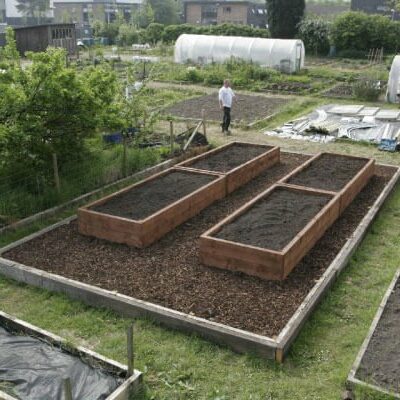


In an age when many of us long for a deeper connection with nature, botanical garden ideas is more appealing than ever. Imagine a space that doesn’t just look beautiful, but feels alive — a diverse, sustainable sanctuary that reflects your personal interests, supports local wildlife, and brings you peace and joy.
More than just a beautiful collection of plants, a botanical garden is an intentional space that serves educational, conservation, and aesthetic purposes.
Traditionally, botanical gardens are public institutions, but the concept can be scaled down for private homes. A home botanical garden is a curated living space that reflects an appreciation for plant science, diversity, and ecological balance.
It can also become a place of discovery — where you experiment with new species, support local wildlife, and immerse yourself in the rhythms of the natural world.
Creating a botanical garden at home is an enriching way to celebrate the natural world. It’s a fusion of horticulture, design, sustainability, and personal well-being. Unlike a simple flower bed or vegetable patch, a home botanical garden is a living, breathing showcase of plant diversity – and it can be tailored to suit your local environment, lifestyle, and passions!
Botanical Challenge
Creating a botanical garden at home is both a delight and a challenge. It’s not just about planting flowers — it requires thoughtful planning, ongoing care, and sometimes a bit of experimentation.
Key challenges include:
- Space limitations – Making the most of the space you have.
- Climate considerations – Working with (or around) your local conditions.
- Soil health – Ensuring your soil is suitable for a wide range of plants.
- Maintenance – Keeping everything in balance as your garden evolves.
Overcoming these hurdles is part of the reward. Each solution you find brings you closer to a garden that is uniquely your own.
Creating a Native Plant Haven: A Biodiverse Oasis for Wildlife
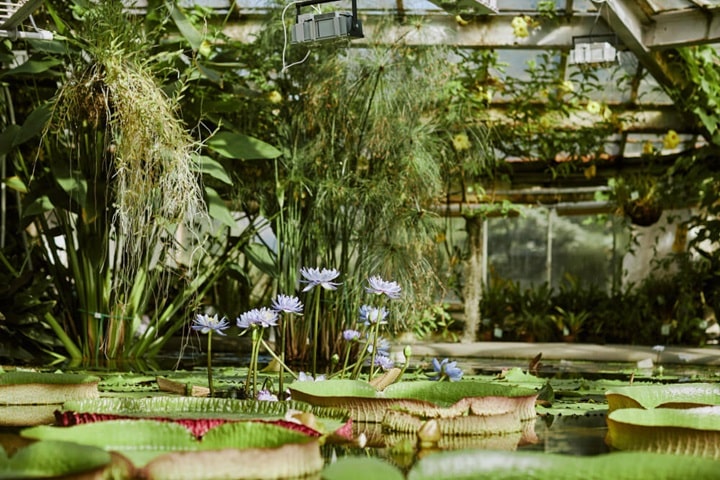
The foundation of any sustainable garden should be native plants. These species are naturally adapted to your region’s conditions, which means they require less watering, are more resistant to local pests, and provide habitat for native wildlife.
Preserving regional plant heritage is a vital aspect of creating a sustainable and ecologically balanced garden. By incorporating native and locally adapted plant species into your home botanical garden, you play an important role in conserving the unique botanical identity of your region.
Many traditional or endemic plants are under threat due to habitat loss, climate change, and the spread of invasive species.
By growing these plants in your garden, you’re not only safeguarding their existence but also maintaining the genetic diversity that makes ecosystems resilient.
Furthermore, regional plants often have deep cultural significance, with historical ties to local traditions, medicine, and folklore.
Showcasing them in your garden honours that legacy while educating visitors and family members about the natural history of your area. It also ensures that these plants are passed down to future generations, not just as ornamental choices but as living stories rooted in place and time.
Plant a variety of grasses, shrubs, wildflowers, and trees. Include different layers — ground cover, understory, and canopy — to mimic the structure of natural habitats.
A native section of your botanical garden can become a living classroom, teaching you about local flora and how everything is connected.
Butterfly and Pollinator Garden
Pollinators like bees, butterflies, and hoverflies are in decline, but your home garden can help. A pollinator garden filled with nectar-rich plants ensures a buzzing, fluttering ecosystem right on your doorstep.
Incorporate continuous bloom cycles by selecting plants that flower from early spring to late autumn. Avoid pesticides, of course, and make sure you always use holistic and organic methods.
Wildlife Sanctuary
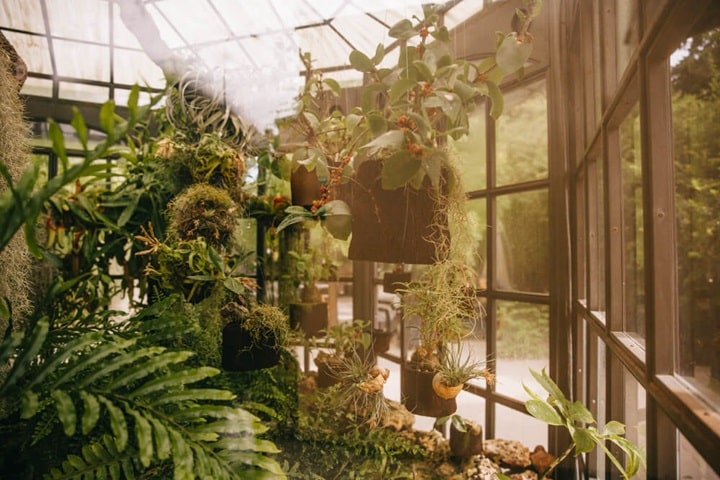
A true botanical garden invites all forms of life. By creating a wildlife sanctuary, you can support birds, amphibians, hedgehogs, bats, and more, alongside those useful pollinators and beneficial insect life.
Biodiversity loss is one of the most pressing environmental issues of our time, driven by habitat destruction, pollution, climate change, and the spread of invasive species.
As ecosystems lose their variety of plant and animal life, they become less resilient and less able to provide essential services such as clean air, fertile soil, and pollination. A home botanical garden, thoughtfully designed, can serve as a powerful tool in reversing this trend on a local scale.
By planting a diverse range of native and well-adapted species, you create a habitat that supports pollinators, birds, and beneficial insects. Including wildflowers, shrubs, trees, and even aquatic plants encourages a thriving, interconnected ecosystem.
Such gardens act as miniature refuges for wildlife, linking with other green spaces to form vital corridors. In this way, a botanical garden becomes not only a space of beauty and education, but also a meaningful contribution to biodiversity conservation.
Avoid over-manicuring. Leave areas slightly wild to let nature take hold and embrace rewilding techniques. Watching animals explore and inhabit your garden is endlessly rewarding. It teaches us that a garden isn’t just ours, it is shared.
Meditation Garden
Amid the vibrant energy of your plant collections, a quiet corner can provide calm and clarity. A meditation garden should be minimalistic and peaceful, with a focus on form, texture, and sound.
Choose plants like bamboo, ferns, mosses, or aromatic plants such as rosemary and mint. This space becomes your botanical retreat — a spot to unwind, reflect, and reconnect.
Fragrance Garden
A sensory experience is one of the joys of gardening, and a fragrance garden brings this to life. The right mix of fragrant plants can transport you through memories and emotions with every breeze.
Place aromatic plants near entrances, paths, and seating areas to fully enjoy them. Fragrance gardens are best appreciated in the early morning and evening when scent is strongest.
Herb and Medicinal Garden
An herb and medicinal garden blends beauty with practicality. Herbs are among the easiest plants to grow, and many thrive even in small spaces or pots.
Aside from the well known culinary and medicinal herbs that are best known, there are plenty more natural plant remedies using a wide range of native and non-native plant species to explore.
Herbal medicine has played a central role in human health and culture for thousands of years. Long before modern pharmaceuticals, people turned to plants to treat illness, relieve pain, and maintain wellbeing.
From ancient Egyptian remedies to traditional Chinese and Ayurvedic systems, herbal knowledge was passed down through generations — often orally or through hands-on practice. Many of today’s medicines, such as aspirin and digitalis, have their origins in plant-based treatments.
In the modern era, interest in herbal remedies is resurging as people seek natural, holistic approaches to health. However, the rich heritage of plant-based medicine risks being lost due to urbanisation, habitat loss, and the decline of traditional knowledge systems.
Creating a home botanical garden focused on medicinal plants is one way to preserve and revive this wisdom.
By growing herbs like chamomile, echinacea, lavender, and feverfew, you create a living archive. Labelling plants, journaling uses, and engaging with local herbal traditions helps ensure this ancient knowledge thrives into the future.
Tropical Paradise
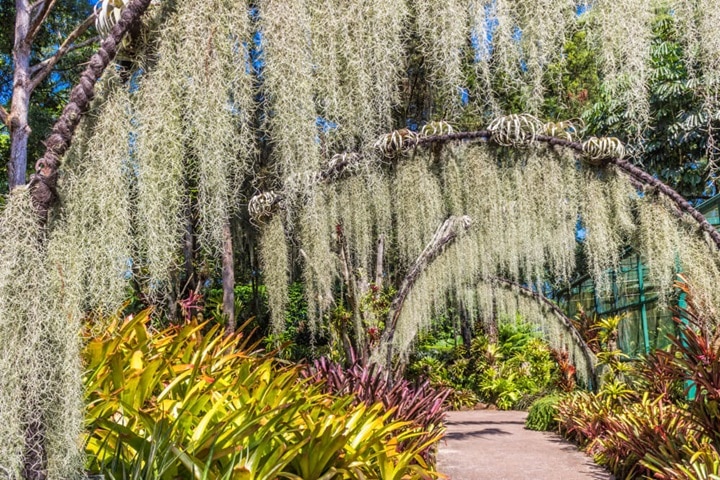
Using a polytunnel can potentially open the door to growing a much wider range of plants that would not usually thrive in our climate. In a warm polytunnel in the right location, many sub-tropical and even some tropical plants might be grown.
This expands the shorter list of tropical species that can successfully be grown outside in warm and sheltered gardens in the UK.
Water Garden
Aquatic features bring a wealth of benefits to a botanical garden, enhancing both its ecological value and sensory appeal. A pond, stream, or water container can dramatically increase biodiversity by providing a vital habitat for amphibians, insects, birds, and aquatic plants. Frogs, dragonflies, and newts are naturally drawn to still or slow-moving water, while birds use it for drinking and bathing. This added wildlife activity creates a more dynamic and engaging garden space.
Water features also contribute to the overall balance of the garden’s microclimate. They can help moderate temperatures, increase humidity in dry areas, and reduce dust — especially useful in hot or exposed environments. Visually, water introduces movement, reflection, and a sense of tranquillity, transforming the atmosphere into one of serenity and retreat.
Moreover, aquatic planting allows for a broader range of species, from water lilies and irises to marginal and bog-loving plants, further enriching the garden’s botanical diversity and interest.
Rock Garden
Rockery ideas for gardens showcases plants that thrive in dry, well-drained soil and brings a sculptural element to your space. Alpine plants are perfect here: they’re small, hardy, and often beautifully detailed.
This style of garden is ideal for sloped or sunny areas and requires little maintenance once established.
Rock gardens offer significant benefits in the face of climate change, particularly as droughts and unpredictable weather patterns become more frequent.
Designed with well-draining soil, heat-tolerant plants, and minimal water requirements, rock gardens are naturally resilient to dry conditions. They provide a sustainable solution for gardeners looking to conserve water while still maintaining visual appeal and plant diversity.
Many of the plants used in rock gardens — such as alpines, succulents, and Mediterranean herbs — are adapted to harsh environments with poor soil and limited moisture.
These species thrive in hot, sunny locations and often require little to no irrigation once established, making them ideal for modern, climate-conscious gardens.
By creating a rock garden, you reduce the need for watering, chemical fertilisers, and high-maintenance lawns.
It also encourages an appreciation for the beauty of hardy, often overlooked plants. In this way, rock gardens contribute to both ecological sustainability and long-term garden resilience.
Arboretum-Style Garden
We all know that for climate change adaptation and mitigation, tree planting is vitally important.
An arboretum is a collection of trees, and even in a home setting, you can create a miniature version. Select trees for seasonal interest, wildlife value, and structural beauty.
Underplant with layered planting, with shade-tolerant plants, and over time, your tree collection can become a mature woodland oasis, native woodland, or an abundant sustainable food producing system (forest garden).
Getting Recognised
Once your botanical garden is established, you might consider joining local or national garden schemes. In the UK, organisations such as the National Garden Scheme (NGS) or Botanic Gardens Conservation International (BGCI) may offer opportunities to showcase your work or connect with like-minded enthusiasts.
Photography, journaling, or plant labelling can also turn your private project into an educational tool for others.
Time For Your Plants, Time For Yourself
Tending a botanical garden is more than a hobby — it’s a relationship. It calls you to be present, observant, and nurturing. As your garden grows, you may find that you do too.
Even a few minutes a day among your plants can reduce stress, improve mood, and cultivate mindfulness. It’s time well spent — for your plants and for yourself.
FAQs
What should I include in my home botanical garden?
That depends on your goals, climate, and interests. A well-rounded botanical garden might include:
Native plant beds
Sections for pollinators and wildlife
Fragrance and herb gardens
A water feature
A polytunnel or greenhouse
Seating and paths for enjoyment
You don’t need to include everything — choose the elements that resonate most with you. Close specialism is something that can elevate any garden, even a very small one, to the next level.
How can I ensure my botanical garden is sustainable?
Sustainability should be a guiding principle. Here are a few tips:
Prioritise native and drought-resistant/ climate appropriate plants.
Avoid chemical pesticides or fertilisers.
Collect rainwater for irrigation.
Use compost and mulch to enrich soil naturally.
Incorporate habitat features to support local wildlife.
Buy plants from ethical sources, or grow from seed.
A sustainable garden isn’t just beautiful — it gives back to the earth.
Sources
Botanical Gardens of Sydney. (2023) What makes a garden ‘botanic’? [online] Available at: https://www.botanicgardens.org.au/discover-and-learn/horticulture-and-history/what-makes-garden-botanic [accessed 22/04/2025]