


A polytunnel is a valuable asset in any garden, expanding your growing season and offering a more controlled environment in which to nurture plants.
However, there are ways to ensure that a polytunnel functions even better. Thinking about thermal mass is one way to increase yield, and to ensure that conditions in your polytunnel are more pleasant for people and plants throughout the year.
If you’re looking to increase resilience, reduce energy inputs, and stabilise growing conditions throughout the year, understanding and integrating thermal mass into your polytunnel is a step well worth taking.
In this article, we’ll explore what thermal mass is, why it matters, and how you can use it effectively in your own tunnel—using natural, recycled, and sustainable materials wherever possible.
What is Thermal Mass?
In essence, thermal mass refers to the ability of a material to absorb, store, and release heat energy. Materials with high thermal mass act like a heat battery—they soak up warmth when the air around them is hot and release it slowly as the surroundings cool down.
In the context of a polytunnel, this can be particularly helpful. During the day, as sunlight penetrates the tunnel and warms the air, materials with high thermal mass absorb some of that energy. At night, when the air temperature begins to drop, these same materials release the stored warmth back into the environment, reducing temperature fluctuations.
It’s a natural, passive method of regulating the climate inside your tunnel—a form of insulation that works both ways.
Choosing Materials to Add Thermal Mass to a Polytunnel
Not all materials are created equal when it comes to thermal mass. Some, like air and plastic, have very little capacity to store heat. Others, such as water, stone, and certain dense building materials, are excellent at it.
Good candidates include:
- Water (high specific heat capacity and easy to store)
- Bricks and concrete blocks
- Stone and paving slabs
- Soil, especially in raised beds or planters
- Clay, cob, or earth-filled structures
- Recycled materials, such as filled glass bottles or sandbags
The denser and more heat-retentive the material, the better. However, it’s not only about the material’s ability to store heat but also its exposure to sunlight and air movement. A material hidden under a bench won’t warm up as much, of course, as one sitting in full sun.
Thermal Lag
One of the main benefits of thermal mass is something called thermal lag—the delay between a change in temperature and the material’s response.
Think of a stone floor in summer: it may feel cool in the morning, warm by afternoon, and still radiate heat well into the evening. This lag is precisely what makes thermal mass useful in a polytunnel. When outside temperatures plummet after sundown, thermal mass materials release their stored warmth gradually, buffering plants against cold stress or even frost.
Likewise, during the hottest parts of the day, they can help absorb excess heat, preventing overheating. The result is a more stable, less volatile environment—a gift to both your plants and your peace of mind.
Embodied Energy
In any design decision, especially one aligned with permaculture or sustainable principles, we must think beyond function. This is where embodied energy becomes relevant.
Embodied energy refers to the total energy required to produce, transport, and dispose of a material. A brand-new concrete slab might offer good thermal mass, but it comes at a significant environmental cost compared to a reused paving stone or salvaged brick.
Whenever possible, use what you already have. Reclaimed materials, second-hand finds, or even household waste (like glass bottles filled with water or earth) can provide thermal mass with a much lower carbon footprint. The goal is not perfection, but thoughtful integration.
Ask:
- Can I repurpose something already on site?
- Will this material break down or release toxins over time?
- Is it safe and durable in a damp, enclosed environment?
By choosing wisely, we support both our growing efforts and the wider ecosystems on which we all depend.
Useful Materials to Consider
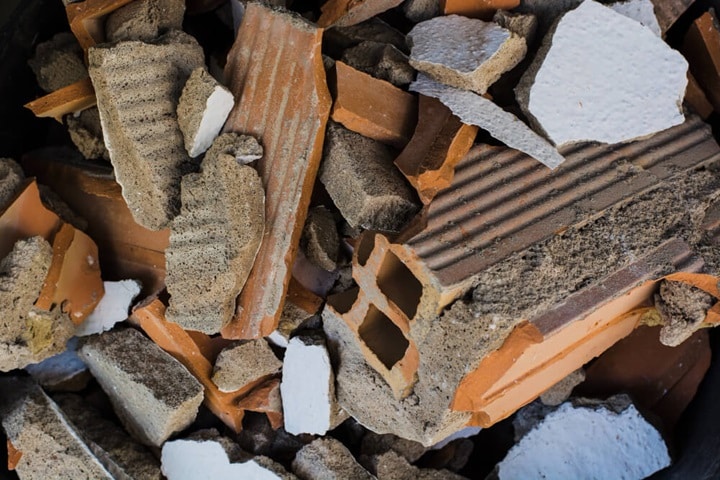
Here’s a list of materials that combine low embodied energy with good thermal mass potential, ideal for polytunnel use:
- Water barrels or drums: Dark-coloured containers placed in sunny spots absorb and store large amounts of heat. Even small containers, such as black plastic bottles, can make a difference.
- Stone pathways or edging: These can serve as heat stores while adding structure to the layout.
- Cob or clay benches: Combine seating with thermal mass by building curved benches or beds from earth-based materials.
- Reclaimed bricks: Use to edge beds, form pathways, or build low walls.
- Soil mounds or raised beds: Large volumes of soil retain heat surprisingly well.
- Glass bottles or jars filled with salt, sand, or water: These can be arranged artistically or used to form walls and dividers.
- Old paving slabs or tiles: Lay these under pots or as thermal bases beneath growing trays.
Each material has its quirks—so experiment and observe what works best in your tunnel’s unique microclimate.
Why is Thermal Mass Important?
Thermal mass doesn’t just make the polytunnel more comfortable—it enhances productivity, resilience, and sustainability.
Adding thermal mass in the right places in a polytunnel:
- Extends the growing season: By buffering nighttime lows, it allows you to grow tender crops earlier in spring and later into autumn.
- Reduces energy needs: No need for electric heaters or powered climate controls.
- Improves plant health: Sudden temperature swings stress plants. Thermal mass smooths out the peaks and troughs.
- Encourages biodiversity: Frogs, insects, and even soil microbes thrive in more stable conditions.
- Supports multiple functions: When combined with seating, storage, or bed edging, thermal mass becomes an integrated part of your tunnel’s design.
It’s a classic permaculture principle in action—elements serving multiple functions, reducing reliance on external inputs and increasing system efficiency.
Using Thermal Mass Effectively
To get the most from thermal mass, placement and design matter.
Here are some tips:
- Position materials where they receive sunlight during the day—ideally the north-facing wall (in the Northern Hemisphere) to avoid shading beds while still absorbing heat.
- Cluster smaller items together to create a more noticeable effect. A single brick may do little, but a line of them edging a path or raised bed can store a significant amount of heat.
- Use dark colours when possible—black or dark green barrels absorb more heat than light-coloured ones.
- Combine functions—turn your water butt into a plant stand, or build a raised bed with stone walls.
- Ventilate carefully—in summer, thermal mass can hold heat too well. Be sure you have good airflow to prevent overheating.
It’s all about balance—absorbing when there’s excess, releasing when there’s need.
How and Where to Incorporate Materials to Add Thermal Mass in a Polytunnel
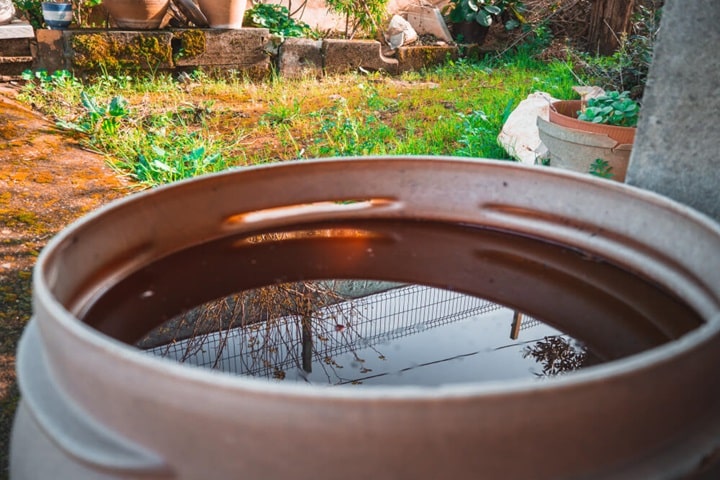
Let’s look at practical ways to bring thermal mass into your tunnel—without sacrificing growing space.
1. Water Storage Along the Sides
Tall water barrels, either black or dark blue, can be placed along the northern wall to absorb sunlight and store irrigation water at the same time. Stackable containers or narrow drums can make this work even in narrow tunnels.
2. Thermal Pathways
Use reclaimed bricks, cobblestones, or paving slabs to form paths through your tunnel. These soak up daytime heat and slowly release it overnight. They also make wheelbarrow or trolley access easier and reduce compaction of growing areas.
3. Raised Beds with Stone or Brick Walls
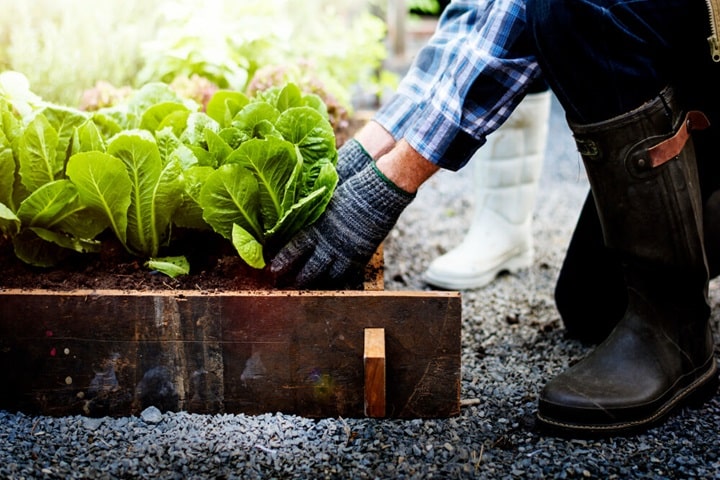
Instead of timber frames, consider building your raised beds with stone, brick, or cob. These not only hold warmth but also define your growing zones, discourage pests, and offer perching spots for beneficial insects.
4. Heat Sink Seating
Install a bench made from rammed earth, cob, or filled sandbags. Tuck it in a sunny corner—perhaps with a few aromatic herbs nearby—and you’ve created a spot for both pause and productivity.
5. Glass Bottle Walls or Fences
Create low walls or partitions using upcycled glass bottles filled with coloured water or sand. These add a playful element, catch the light, and act as thermal stores.
6. Sunken Storage Boxes
Lidded storage bins, half-buried and filled with gravel or water, can function as both heat storage and tool storage. Sit pots or trays on top to benefit from bottom warmth.
7. Thermal Bed Underlays
Line the base of cold frames or seedling trays with stone tiles or sandbags to moderate root temperature—ideal for early spring sowings.
Thermal mass is one of those subtle, powerful forces that doesn’t shout for attention. It simply works in the background—soaking up warmth when it’s there, giving it back when it’s needed. It’s reliable, passive, and entirely in tune with the rhythms of nature.
8. Rocket Mass Stove
For those seeking a low-tech yet highly efficient way to warm their polytunnel in the colder months, a rocket mass stove offers an elegant and resourceful solution. Unlike conventional wood stoves, rocket mass stoves are designed to burn small amounts of wood extremely efficiently, producing intense heat with minimal smoke.
What sets them apart, however, is their use of thermal mass—usually in the form of a cob bench, stone wall, or earthen structure built around the flue. This thermal mass absorbs the stove’s heat during firing and slowly radiates it long after the fire is out, gently warming the polytunnel through the night.
Positioned thoughtfully, such a system can double as seating, shelving, or even a propagating bench—adding multifunctionality to its already impressive list of benefits. Made with natural or reclaimed materials, it aligns beautifully with permaculture principles, offering warmth, function, and low environmental impact in one integrated design.
While not necessary for all climates, in areas with harsh winters or unpredictable spring frosts, a rocket mass stove can be the key to year-round growing without reliance on fossil fuels.
By adding thermal mass to your polytunnel, you not only stabilise temperatures—you honour the principle of working with nature, not against it. You reduce your reliance on external inputs, support the health of your plants and soil life, and create a more self-regulating system.
FAQs
Why is thermal mass important in a polytunnel?
Thermal mass helps to regulate temperature fluctuations within a polytunnel, creating a more stable environment for your plants. By absorbing heat during the day and releasing it slowly overnight, thermal mass can extend your growing season, reduce the risk of frost damage, and minimise the stress plants experience from sudden temperature swings. It also lessens reliance on artificial heating or cooling—making your growing space more resilient and sustainable.
What materials can be used as thermal mass in a polytunnel?
A wide variety of dense, heat-retentive materials can serve as thermal mass. These include:
Water (in barrels, jugs, or bottles)
Stone (such as paving slabs, cobbles, or rock piles)
Brick or concrete blocks
Clay or cob benches
Raised beds filled with soil
Recycled materials like glass bottles filled with sand or water
The key is to place these materials where they’ll receive sunlight, allowing them to absorb warmth effectively. Whenever possible, use natural or reclaimed materials to keep your environmental impact low.
Sources
The Last Farm., (2024) Why We Should Burn Wood For Heat. Resilience. [online] Available at: https://www.resilience.org/stories/2024-10-24/why-we-should-burn-wood-for-heat/