We all get anxious from time to time, especially with all the pressures of modern day life, work, social pressures and our ever-growing daily responsibilities. Despite having such fast-paced, busy lives, there are a multitude of activities that help anxiety and stress to ensure that we can calm down and recharge. You should always take time to breathe and have some much deserved ‘me time’, not taking time to yourself can lead to high anxiety and stress levels and complete mental burnout.
You may struggle to let yourself relax at first but adding ‘chill time’ to your schedule and forcing yourself to stick to it will make you a more productive, happier person in the end. Let’s take a look at some of the best activities to help anxiety and stress for a healthier, happier lifestyle.
How stressed are you?

Being anxious, stressed and overwhelmed is completely natural and doesn’t mean there is anything wrong with you. It’s just part of life, and you aren’t alone with how you feel. There’s nothing inherently wrong with being anxious or stressed unless you experience it very often, it is very overwhelming, and/or it occurs for long periods of time[i].
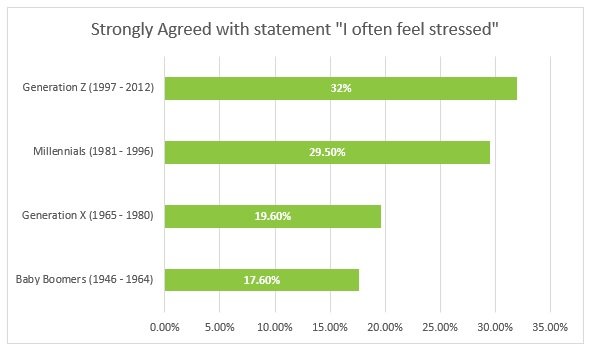
Younger generations in the UK are most affected by feelings of anxiety and stress overall. In a survey where respondents were asked if they agreed with the statement “I often feel stressed”, more people from Generation Z chose ‘strongly agree’ than any other generation.
Due to the Coronavirus Pandemic, mental distress levels were reported to be 8.1% higher in 2020 than they were in 2017 and 2019[ii]. Job loss, social isolation and anxieties over not knowing what the future holds have taken their toll on everyone.
It’s more important than ever to take control of your anxiety and stress levels before these feelings overwhelm you. Whether you are young or old, the earlier you learn how to control your anxiety and stress, the more you will benefit from the results.
How to handle anxiety-inducing situations

Simply ‘calming down’ is much easier said than done, especially when you haven’t equipped yourself with the tools to cope with anxiety inducing or high-stress situations. Before looking at activities that help with anxiety, you need to know what to do in the moment. How do you control yourself when you feel your anxiety spiking? Do you explode in a fit of rage, shut down or make bad decisions? Learn how to handle yourself properly when anxious or put under stress.
- Stop and think – mentally or physically step away and pause for a moment. Think about the rational way to react to what is going on and take some deep breaths.
- Walk away – sometimes it is best to excuse yourself from anxiety inducing circumstances, take a few minutes and return with a clearer head.
- Recognise your anxiety and stress – sometimes its easy to not realise when anxiety is causing anger, stress or other reactive emotions. Recognising that these feelings have been triggered by anxiety can help you to handle it better.
- React in a calm way – even if you feel anything but calm, try your best to put on a calm demeanour. This will feel more natural over time.
- Positivity – it’s so easy to hyper-focus on the negatives when you’re anxiety is spiralling but trying to think about the positives can help you to escape these strong feelings.
There are many other ways to handle stressful situations which might work better for you. Keep some techniques in mind so you can put them in action when you need to.
Activities That Help With Anxiety

There are plenty of activities that help with anxiety you can complete to calm down, relieve stress and reframe the negatives of your day in a much more positive manner.
Lets take a look at the best activities that help anxiety and stress and some great techniques you can try.
1) Gardening
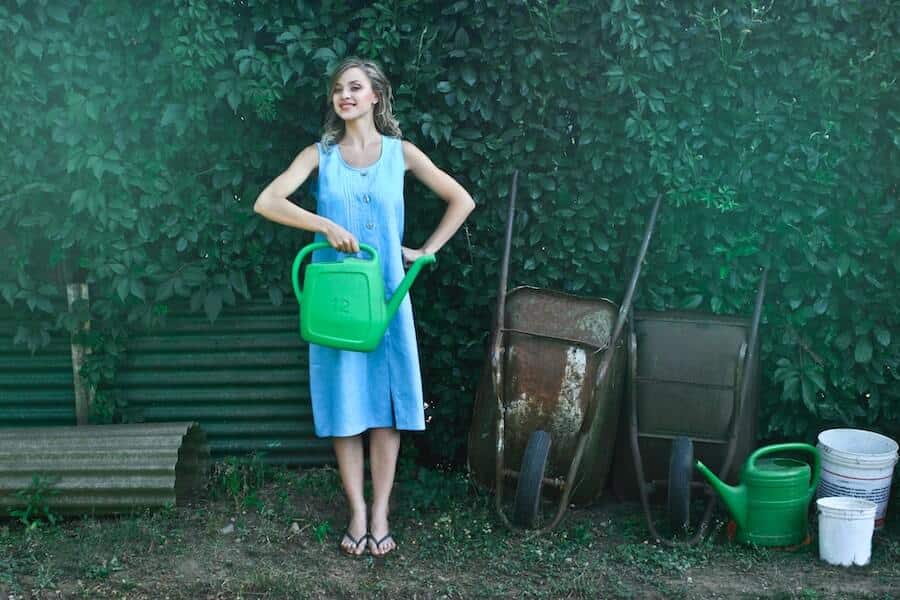
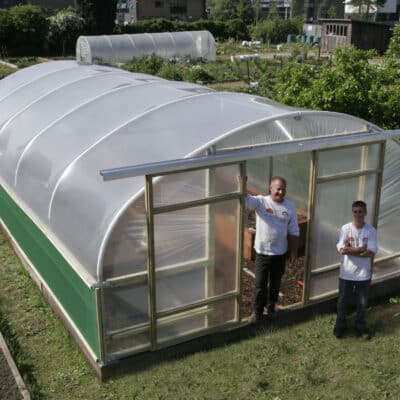
There are so many aspects to gardening that make it one of the best activities that help with anxiety and stress. Being outside surrounded by nature, in the sunlight, without the hustle and bustle of a busy house or workplace is absolute bliss. Gardening in any capacity can make your day much brighter, whether you’re a fan of First Tunnels polytunnels or you just have a few houseplants to tend to.
It is scientifically proven that gardening is great for all factions of mental health. According to one study:
“Therapeutic horticulture may decrease depression severity and improve perceived attentional capacity{…}[iii]”
Read our guide on how to design a calming garden here.
2) Exercise

Although going out for a run can be the last thing you want to do when you’re feeling anxious or stressed if you aren’t an active person, it is actually one of the best activities that help with anxiety and improve your mental state. Exercise lowers stress hormones over a long period of time, whilst helping to increase ‘happy’ hormones like endorphins. It also helps you get a better quality of sleep and increases your confidence.
Any form of exercise, when taken frequently, will help to reduce long-term stress. Going for a run, rock climbing, swimming or dancing can also be fantastic activities that help with anxiety to help you get out of your head for a short time.
3) Practice mindfulness
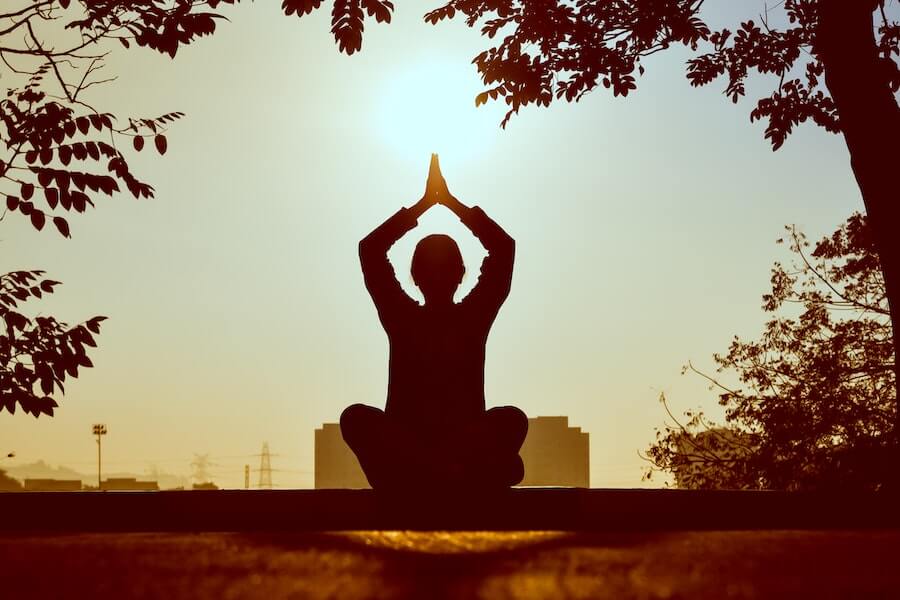
Mindfulness is something that is becoming increasingly more popular and is often taught to school children to help them manage their emotions. The practice of mindfulness can help you to focus on the present moment, accept the current situation, and come to peace with it[iv].
Although you mindfulness is one of the best activities that help with anxiety, practicing mindfulness can help you in so many other aspects of life. Feeling stressed, ill, sad, or angry? Try some mindfulness tactics!
There are loads of mindfulness exercises you can explore and most of them can be done anywhere. We’ve found a handy resource for mindfulness exercises that can help you find calmness – take a look here. There are also dozens of phone apps available, try Headspace, Calm or Reflectly. These apps cost money, but most come with a free trial so you can get a feel for whether you like them before you make a commitment.
4) Take time for self-care
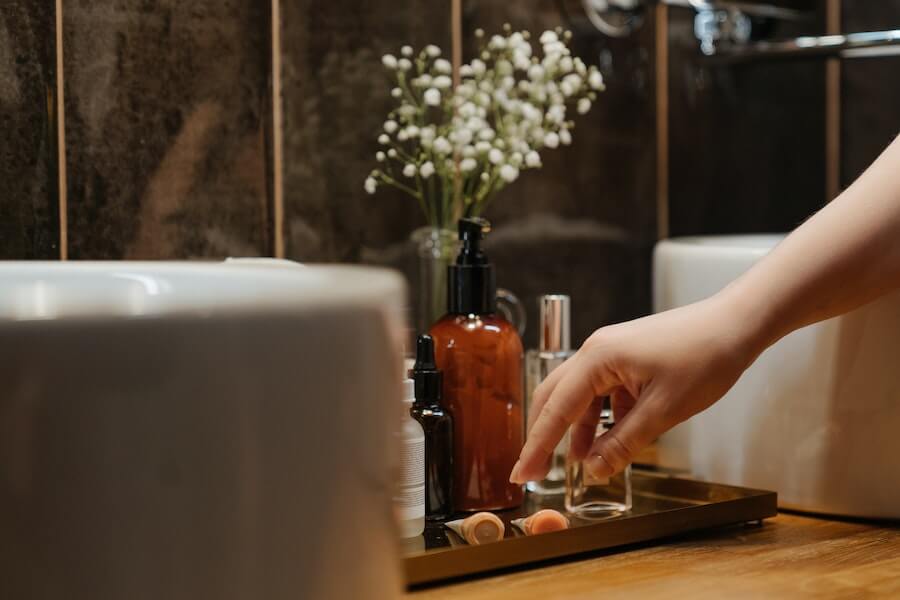
In modern times, we don’t take enough time for ourselves to spend on hobbies, fun activities that help with anxiety, and just generally looking after our physical and mental health. Did you know that workers in the UK have higher full-time employee hours than most countries within the EU? We work an average work week of 42.5 hours, whereas other mature EU economies work between 37.7 and 41.2 hours[v]. Working hard without giving yourself a proper break is an ideal recipe for stress.
So, make sure you take your holiday days, and spend some time in the evenings and at weekends to pamper yourself, read a good book, eat your favourite food and chill out. All of these are the perfect activities that help with anxiety and stress, so don’t be afraid to indulge in some self-care.
5) See family & friends

One of the most beneficial activities that help with anxiety and stress is being in the company of others. When your life is more hectic than normal, call your friends and family for some important anxiety relief. Talking and getting the stress and anxiety off your chest is much healthier than bottling it in.
Scientifically, spending time with those you love can release a chemical called oxytocin, which is a natural stress reliver that your body produces. Having fun is a great distraction from work or home stress that you might want to escape from for a short while.
Great Days Out UK is a simple guide to help you find lots of Attractions and Activities for all the family, which will help you to naturally relieve anxiety and stress.
Activities That Help With Anxiety: Which Ones Will You Choose?

Now we’ve given you the best activities that help with anxiety, go and find the best anxiety and stress relief tactics for you. Remember, if you often experience prolonged periods of crippling anxiety or stress, or these ailments bring you physical pain, you should speak to your GP or doctor as soon as possible.
References
Eurostat, 2021. Hours worked per week of full-time employment. [Online]
Available at: https://ec.europa.eu/eurostat/databrowser/view/tps00071/default/table?lang=en
[Accessed March 2021].
Gonzalez, M. T. et al., 2009. Therapeutic horticulture in clinical depression: a prospective study. [Online]
Available at: https://pubmed.ncbi.nlm.nih.gov/19999748/
[Accessed March 2021].
gov.uk, 2021. 2. Important findings. [Online]
Available at: https://www.gov.uk/government/publications/covid-19-mental-health-and-wellbeing-surveillance-report/2-important-findings-so-far
[Accessed March 2021].
HelpGuide, n.d. Benefits of Mindfulness. [Online]
Available at: https://www.helpguide.org/harvard/benefits-of-mindfulness.htm
[Accessed March 2021].
mana, n.d. Handling Stress In the Moment. [Online]
Available at: https://www.mana.md/handling-stress-in-the-moment/
[Accessed March 2021].
Sources
[i] https://www.mana.md/handling-stress-in-the-moment/
[ii] https://www.gov.uk/government/publications/covid-19-mental-health-and-wellbeing-surveillance-report/2-important-findings-so-far
[iii] https://pubmed.ncbi.nlm.nih.gov/19999748/
[iv] https://www.helpguide.org/harvard/benefits-of-mindfulness.htm
[v] https://ec.europa.eu/eurostat/databrowser/view/tps00071/default/table?lang=en