

Avoiding Waste in Your Garden
Avoiding waste in your garden means taking steps from the very beginning to take a long hard look at what waste really means, and doing your level best to avoid it altogether.
The wonderful thing about a garden is that it can not only be waste free, but also help you in reducing waste from your home, and in other aspects of your life.
Why Should You Reduce Waste In The Garden?
Avoiding waste is important in our homes, and no less important in a garden. Waste is one of the biggest challenges we face in the modern world, and moving towards a zero waste existence is the only option in order to safeguard this beautiful planet we call home, and ensure a safe, secure and healthy future for all.
Waste has a huge carbon cost, causes pollution in all environments, damages ecosystems, harms wildlife and people… avoiding waste is the only option, ethically, and practically.
Waste can take many forms, from plastic and other materials waste, to food waste, to the waste of resources, time, energy or money. Thinking about waste in all its forms can help us all to live in a more eco-friendly and sustainable way – and help us to turn our gardens into the beautiful and productive spaces that they should be.
How To Reduce Waste In The Garden
Reducing waste in your garden does not begin with what you throw away. It begins with what you choose to buy, or bring into your garden in the first place. It can be helpful, when thinking about reducing waste, to begin by looking at several ‘R’ words that can shape our efforts in this arena.
Refuse To Buy The Wrong Things, or Wasteful Garden Products
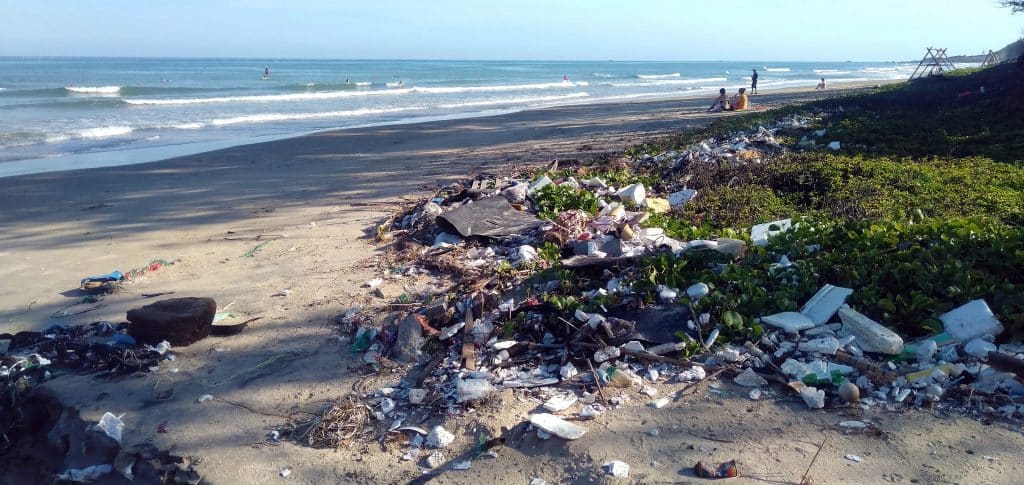
First, do no harm. It is vital to remember that the fight to combat waste begins with the things that we choose to bring into our gardens and our lives in the first place. Everything that we buy comes at a cost – and not only a financial one.
Some things (such as plastic, and peat-based composts, for example), have a greater cost than others. So try to go plastic free, and peat-free in your garden.
Remember, reducing waste involves looking not only at where things end up, but also at where they come from, and the waste that might have been generated on their journey to reach our homes.
As gardeners, we should always make sure that we have good plans in place, and avoid buying the wrong things, or things we don’t really need. This begins with thinking about what the garden itself can provide, and the resources already at our disposal, before we buy anything new.
We need to choose the right plants for the right places, select the right tools, and seek out solutions that don’t end up creating waste, either after use, or before they reach us in the first place.
Reduce Consumerism in the Garden & Through Gardening
Before we buy anything at all for the garden, even sustainable and eco-friendly products, we need to think about whether we really need that thing at all.
For example, rather than buying compost or potting medium in, we can make our own. Rather than purchasing plants or plugs in pots, we might be able to grow from seed, or propagate plants ourselves at home in other ways.
Rather than buying trellising, bed edging, twine, and other garden items, we should first consider how we might be able to take a DIY approach and make our own.
With the aim of reducing consumption in general, we should also make sure that we take advantage of all that a garden can provide.
Remember, growing your own at home can reduce the amount of food you need to buy. And a garden can provide far more than just food. It can also provide many of the other things you need, and might otherwise have had to buy.
Reuse in Your Garden
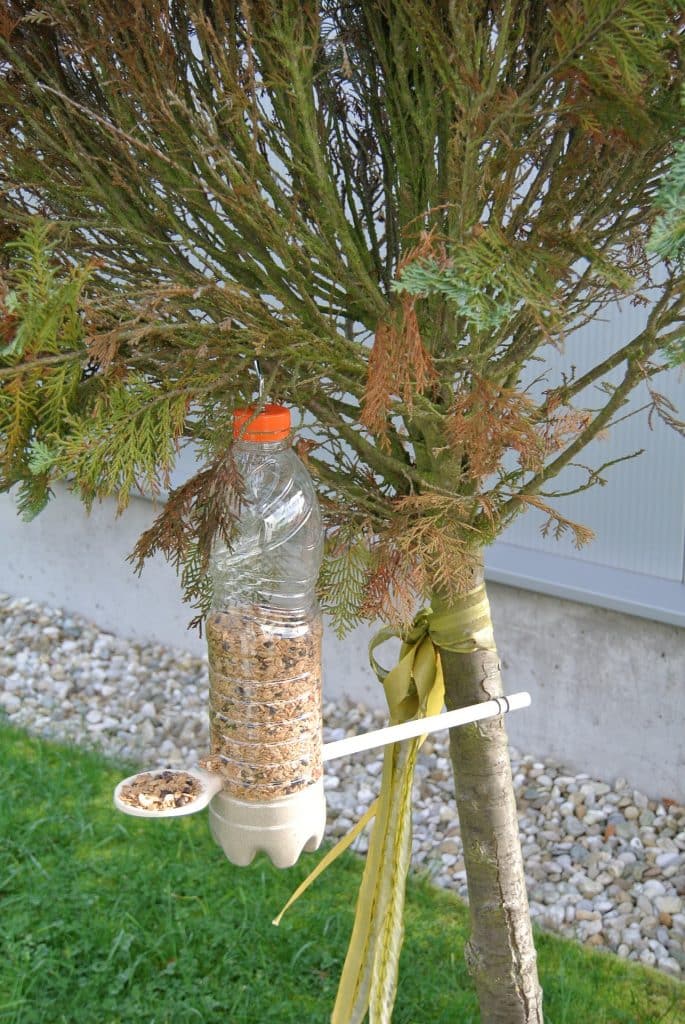
Of course, even when you do refuse and reduce, you will still inevitably need to buy some things. In your garden, avoiding waste means thinking carefully about how you can reuse items you already own for as long as possible.
It also means finding new uses for items from your home and garden than might otherwise be thrown away.
As mentioned above, taking a DIY approach can help you to reduce the amount that you buy to meet garden needs. And reuse is an important part of that picture.
For example, you might think about reusing food packaging, toilet roll tubes, or other items when starting seeds. Packaging and defunct household items might also be used as containers, cloches, bird feeders and more.
You can also think about choosing to reuse and reclaim materials like wood, metal etc., rather than using virgin materials, when making trellis, bed edging, paths, decking etc…
Repair Don’t Replace
In today’s throwaway society, all too often, we tend to toss things out rather than trying to repair or mend them.
But learning a few simple skills is an important part of rejecting that throwaway world and keeping the things we have in use for as long as possible.
For example, we can learn how to repair a polytunnel rather than purchasing a new cover if a small tear or area of damage appears. We can learn how to fix garden tools. And we can learn sewing skills to keep gloves or clothing in use for as long as we can.
Another thing to think about is that if a garden is somewhat neglected, we don’t need to throw the baby out with the bathwater when trying to make it into what we need and want.
Think about how you might improve, amend and repair what is currently there before you rip everything out and start again. Avoiding waste means always starting with what we’ve got before making big decisions.
Recycle Old Items
Things that cannot be repaired may sometimes be recycled – either at home or through municipal recycling systems. Of course, not everything can be recycled and recycling alone is not the answer when it comes to avoiding waste in the garden.
But we should always inform ourselves about what can and cannot be recycled, since this will help us understand how to keep things from incineration or landfill. And it will help us understand what we should avoid bringing into our lives in the first place.
After thinking about all the above steps, think about recycling as another step in avoiding waste.
Root out Food Waste and Rot – Compost Biodegradable Waste & Start a Compost System
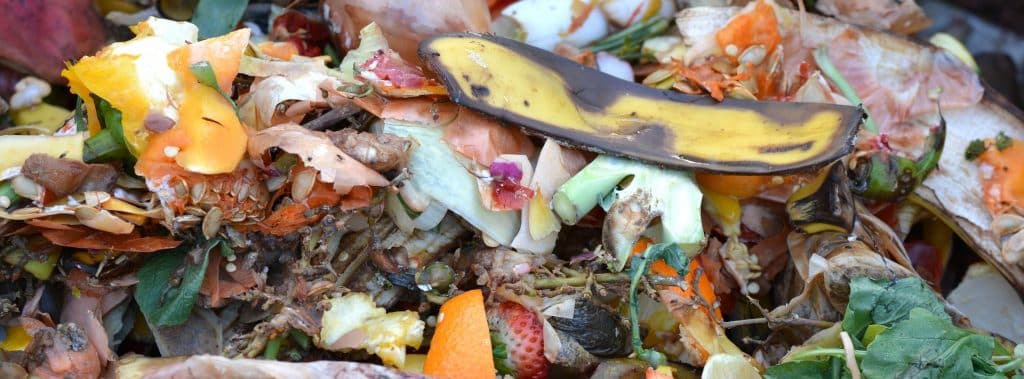
Of course, one of the key forms of recycling is composting. If avoiding waste in your home and garden is your goal, then starting a composting system is one of the most important things that you can do.
Composting helps you make sure that no food is wasted – the end step in a journey that returns the nutrients contained in organic matter to the soil.
Rooting out food waste means taking good care of everything we grow, avoiding silly mistakes that waste all your hard work and effort, and making the most of your efforts to make sure you harvest all you can.
It also means storing and preserving food correctly, and eating it all – using leftovers and even using scraps. Once you have taken all these other steps, composting is the final part of the puzzle.
Reciprocate & Regenerate – Give Back & Create Circular Systems
Composting is crucial too, because it provides you with material that you can use not only to reduce consumption (and avoid buying in compost in plastic packaging) but also to complete nature’s cycles in your garden.
Composting and mulching are key in giving back to your garden, keeping the garden healthy and avoiding waste. Your goal should be to create closed-loop systems, so the garden needs no external inputs from you, and produces no waste.
Creating a biodiverse environment with plenty of wildlife is also very important when avoiding waste in your garden.
Invite wildlife into your garden and you can share your leftover produce. But more than this, wildlife can help you take good care of your plants and the soil in which they grow. They help you prevent waste due to pests or fertility issues, and generally help you make systems as sustainable and waste-free as can be.
Reciprocating for nature’s gifts is only part of the picture. Avoiding waste in your garden also means co-operating not only with wildlife but with other people too.
When we share gluts and bounty from our gardens, share seeds and plants, share skills, tools and other resources, we can prevent waste even further, and give back to others around us rather than letting anything go to waste.
Such steps not only prevent waste, but channel excess back into natural and human systems, improving things and creating circularity in our systems so they really can stand the test of time.
References:
https://www.rhs.org.uk/garden-inspiration/get-gardening/how-to-go-plastic-free-in-your-garden
https://www.nationaltrust.org.uk/features/going-peat-free