

Tips for a Successful Market Garden
A successful market garden enterprise is not something that can be achieved overnight. But with the right approach, it is possible to derive an income, and even make a successful business from growing your own, and to feed more than just your own family from your property.
What Is A Market Garden?
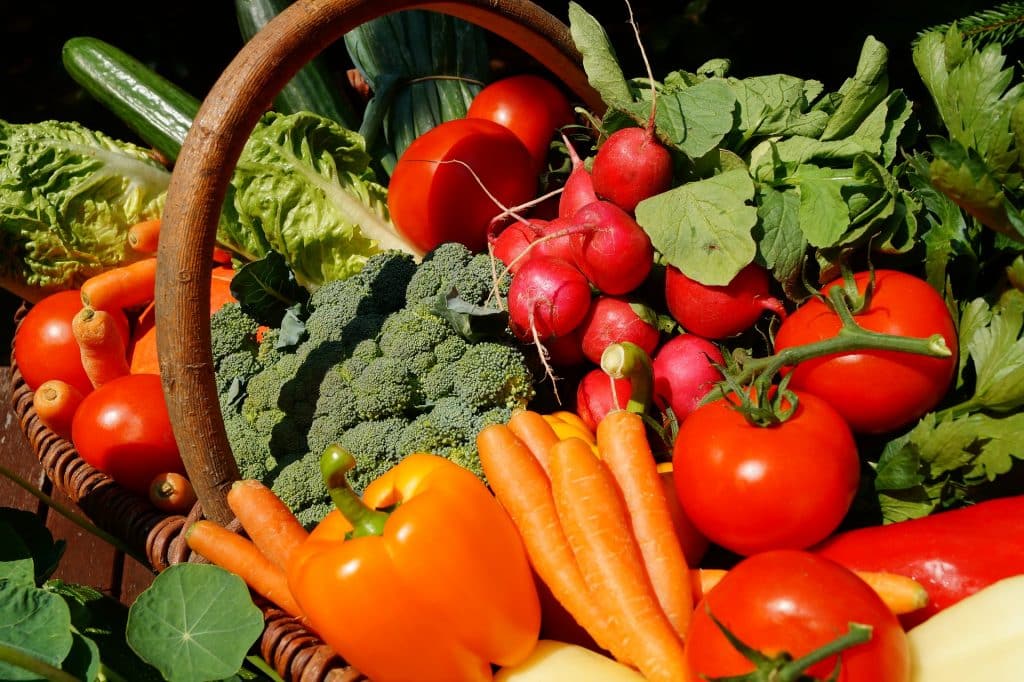
A market garden is a small scale operation, smaller than a typical farm, where fruits, vegetables, herbs, flowers etc. are grown not only for personal use, but for sale.
A step-up from smallholding or hobby farming, market gardening is about generating a financial income from the crops that you grow.
There are few hard and fast rules about how large a market garden might be or what kind of yield and profit it might generate. The yields are theoretically limited only by the imagination of the grower.
What Are The Benefits of Market-Gardening?
There is no doubt that starting a successful market garden takes a lot of hard work. But many have succeeded in turning their hobby into a full time business – even with limited land, and limited financial resources.
Market gardening is certainly not something for everyone. But if you have a green thumb, and are keen to turn your love of food production into a source of income for yourself and your family, hard work, dedication and the right approach from the outset can make it happen.
Individuals who start market-gardening often find it a rough, tough but rewarding business. This is a job that is more than a job, but rather a lifestyle for those willing to take it on.
Long hours and great mental and physical fitness are essential. But spending time outdoors, and gaining great satisfaction from coaxing food and other resources from the ground makes the effort well worthwhile for some.
But becoming a market gardener for many is not only about personal resilience and job satisfaction. It is about doing something that will bring great rewards not only for themselves but also for their communities.
Becoming a market gardener means you can become an essential part of the provision of fresh, local, organic, seasonal food in your area. You can combat food security issues and, if you take the right approach, bring broader benefits like increased biodiversity and the sequestration of carbon to help fight against our climate crisis.
How To Successfully Start Market-Gardening
Successful market gardening certainly does not begin and end with the cultivation of crops. There are many other important things to think about. Remember, a market garden is a business, like any other. And as with any other business, it is vital to think about practicalities and long-term viability. Ultimately, only truly sustainable businesses can succeed long term in all important ways.
Plan and Prepare Before you Begin
Before you even think about starting a market garden, some groundwork and planning is essential. First and foremost, you need to think about land.
If you already have a suitable site, you need to make sure that you know that site inside out, and understand all its strengths, weaknesses, opportunities and challenges. You need to know precisely what you are contending with before you can begin to make a plan.
If you are looking for land for a market garden, making the right decision and opting for the right location is crucial.
You always need to create a design before you begin that is based on the specifics of the site in question. What works perfectly for a market gardener in one location will, of course, not necessarily work at all for someone growing elsewhere.
Thinking about the right strategies, growing methods and systems, and choosing the right plants for the right places based on climate, microclimate, wind, water and soil is just the beginning.
Creating a plan also means understanding the social context, as well as the environmental one. And thinking about how your enterprise fits into the current picture in a broader sense.
Identify and Cement Your Goals
Developing plans and creating designs for the site always also requires that you know where you want to end up.
Market gardeners always intend to sell at least some of the produce they grow. But goals can differ considerably. Some may only seek to grow for sale as a sideline, while others will wish to start market gardening full time, and turn their efforts into a profitable business.
Make sure you are clear, from the outset, about precisely what you ultimately want to achieve.
Identify Potential Yields
Understanding your site will of course be key to identifying which plants you might grow and what, ultimately, you might grow in your market garden to offer for sale.
But remember, understanding what grows well in your area is only part of the picture. It may sound very obvious, but when starting a market garden, you also need to think about what people in your area will actually want to buy.
By matching up demand in your area with what you might potentially grow on your site, you can begin to hone in on the right yields to focus on for your business. But be sure to also think about your competitors, and ensure that you understand where your niche might be.
Before you begin to draw up your business plans, you certainly need to know the key crops you will grow. But you should also think about where there might be secondary yields from which diversified income streams can be derived. When it comes to identifying yields, don’t put all your eggs in one basket.
Know Your Market
Once you begin to zero in on the produce you might sell, you obviously also need to consider your market, and how you will sell the things you grow.
Selling direct to the consumer can lead to higher profits than selling to supermarkets or large-scale sellers as farmers may do.
But you need to make sure not only that you understand not only who you are selling to, and where. You also need to be aware of distribution costs, and how your produce will end up in people’s homes and on their plates.
Think about whether you will sell to individuals through veg box schemes, or market’s markets, for example. And consider options like selling to small shops, or restaurants too.
Be realistic about how much food you can produce, but also about how much food you can sell.
Invest in the Right Infrastructure & Tools
Thought and careful planning and design are the most important things to invest in your new business enterprise. But remember, there will be other startup costs too.
Some investment in the right infrastructure and tools up front can help ensure that things go smoothly down the road, and work out well.
You do not necessarily have to spend a fortune to start a market garden. But some investment will inevitably be required for a business that is built to be practical and profitable long-term.
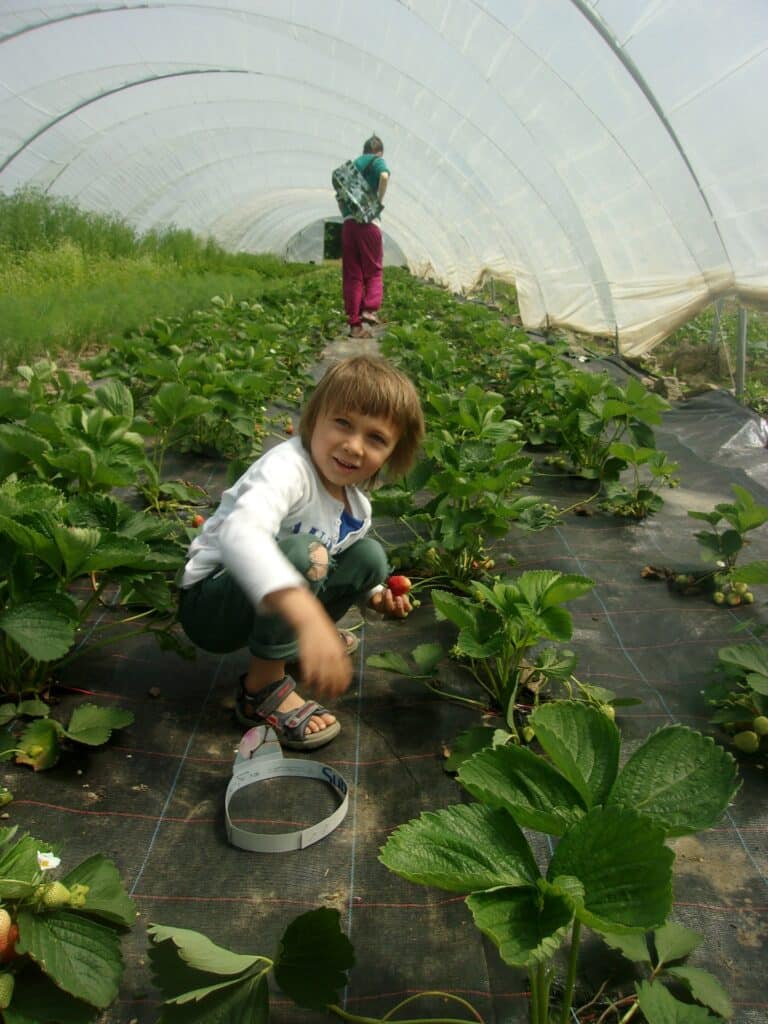
Think about what you need to sow and grow, considering things like a commercial polytunnel that can increase the length of the growing season and allow you to grow year-round, not just in summer. Make sure access, buildings and energy needs have been taken care of. And make sure you have tools that streamline processes and make gardening and harvesting easier.
Design for Long-Term Fertility & Closed Loop Systems
From the very beginning, market gardening also involves thinking about how the garden can provide not only the yields you wish to sell, but also the resources required to keep itself going long-term.
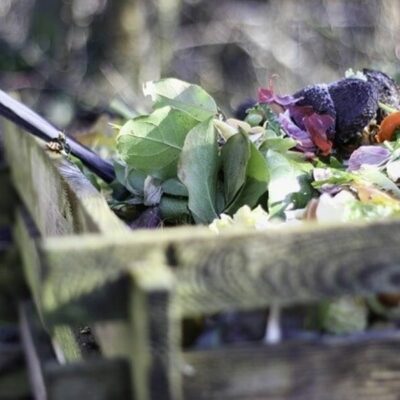
In particular, it is very important to think about successful water management. And to consider composting and the creation of organic mulches and fertilizers to keep the fertility of growing areas over time.
Thinking about sustainability from the outset can allow you to minimise costs, and create a garden that can function almost entirely without external input once established. Ultimately, a successful market garden can be a closed-loop system, working within the circular economy.
Scale Up Slowly
No matter how ambitious you are, and how large and productive you would like your market garden to be in the end, work up towards your goals slowly.
Slow and small solutions involve less risk, and can help you build a more sustainable enterprise over time. Those who take on too much, too soon can quickly regret their decisions.
Maximise Yields & Add Value
Last but not least, as a market gardener, you should never reach the stage where you feel you are ‘done’. Yields can always be higher, and more value (financial, but also environmental and social) can always be added.
Market gardens can just continuously grow and improve over time. And you can also consider processing produce to maximise income, and diversifying into other areas with your market gardening business as the enterprise continues to grow.
Market gardening is never easy. But starting a market garden and honing it over time might just be the very best thing you ever do.
References:
https://grocycle.com/starting-a-market-garden/