

Alternative Income Streams for Market Gardeners & Commercial Growers
Alternative income streams can help to insulate small-scale growers against broader issues, and help to ensure a viable, sustainable business. Those who attempt to start a market garden or another small scale growing business soon find that diversification is key to success.
What Is Farm Diversification?
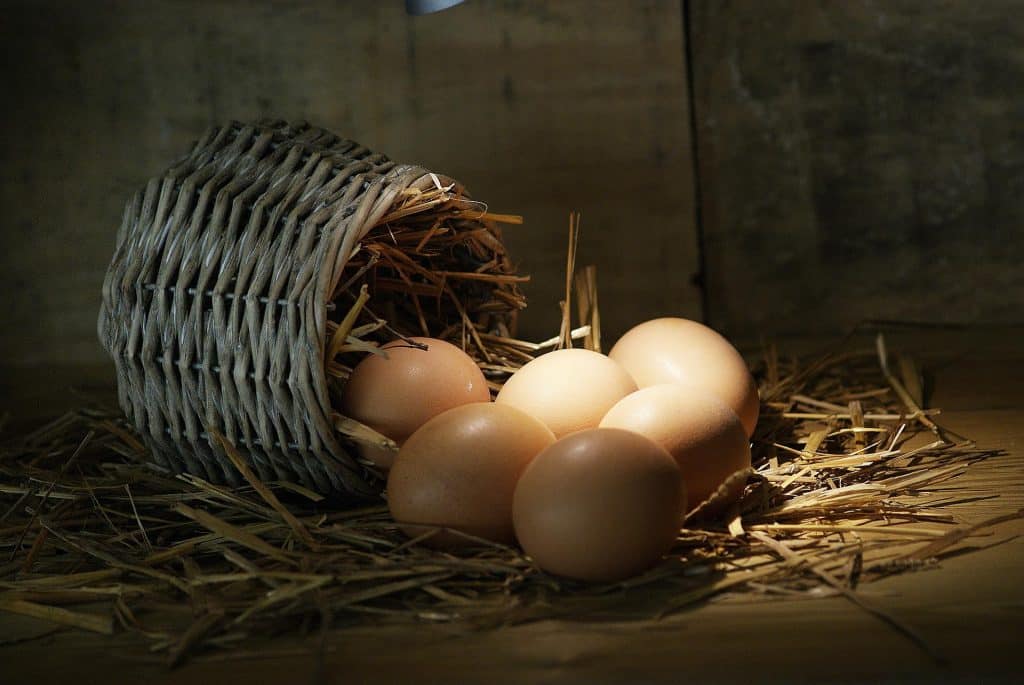
Diversity is important, not only in plant and animal life but in other ways too. Adding alternative income streams helps you avoid putting all your eggs in one basket, and can help you weather whatever storms may come your way.
Diversity in financial income reduces risk, and gives small-scale enterprises more resilience and a better chance that their efforts will stand the test of time.
The idea with farm diversification or market garden diversification is to branch out from the main source of income to think about other areas where some profit might be derived.
Many market gardeners, farmers and other growers derive their main income from the sale of produce – often from fields and gardens direct to consumers through veg box schemes, farm shops or farmer’s markets.
Finding alternative income streams can mean thinking of new outlets for the produce grown. But it can also involve branching out to consider how profit might be derived through the sale of other products or services.
Top Farming Diversification Ideas For Market Gardeners & Commercial Growers
Below, we will explore some ways market gardeners and commercial growers can scale up and diversify, to increase financial income and increase resilience and stability.
Finding New Outlets for Produce Grown
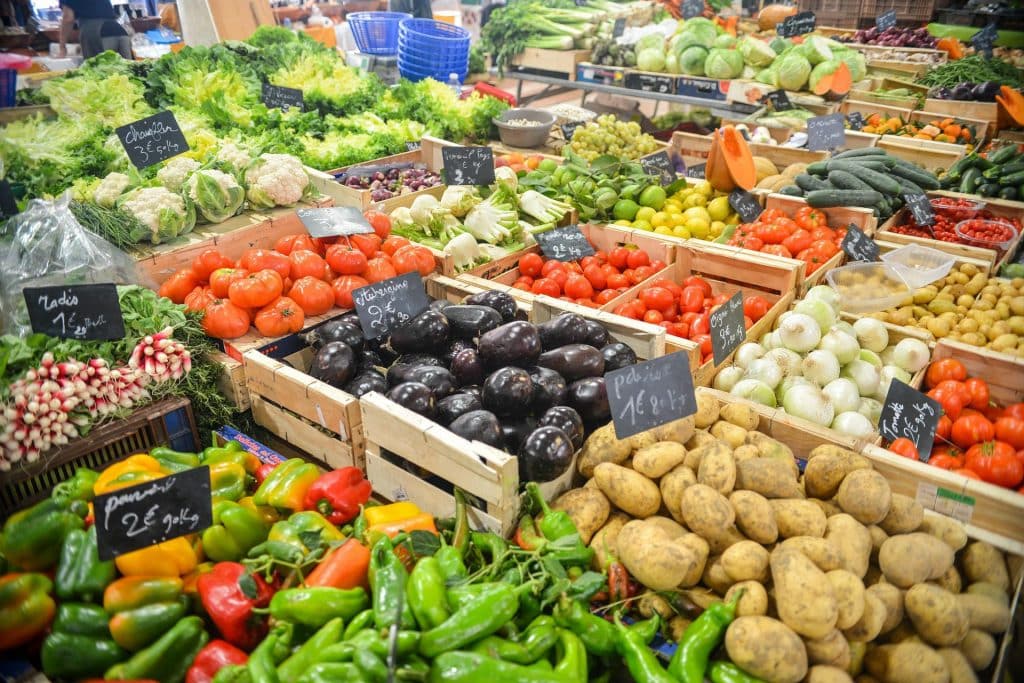
No matter which crops you currently grow, finding alternative income streams might be about finding new customers for your produce, and new sales routes.
If you currently sell through farmer’s markets, you might consider selling to consumers in your local area through box schemes too, for example.
Or you might be able to seek out ways to sell not only to individuals living in your area, but also to businesses such as restaurants and other eateries, new retail outlets, or catering for office blocks. Sometimes, it may be worthwhile reaching out to local authorities to find out about their procurement policies for schools, public buildings etc…
If your enterprise permits, you might consider establishing a farm-gate stall to sell produce directly to customers. Or even consider investing in the creation of a farm shop on your premises.
Remember, too that timings can be crucial. As well as finding new outlets for the sale of the produce you grow, you might also think about providing certain products at new, specific times of the year.
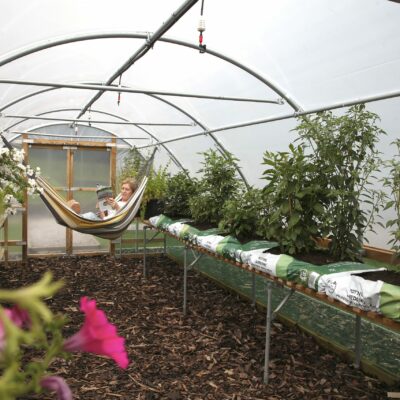
Investing in a commercial polytunnel can help you branch out into growing and harvesting during the shoulder seasons, extending the range of local availability for certain foods, growing year-round, not just in summer, and potentially growing new produce not usually grown in your area.
Understanding your market is crucial to success as a market gardener or commercial grower. And the more different outlets you have for the foods that you grow, the more stable your enterprise can be and the more insulated you will be from external market pressures and global or broader scale fragilities.
Selling Processed Goods Made from the Produce You Grow

You can potentially add value to your enterprise and increase financial yields if you don’t only sell the produce your grow, but also products made from that produce.
For example, fruit growers might not just sell the fresh fruit but might also consider selling jams, jellies, fruit cordials, fruit juices, baked goods and more made from the fruits that they grow.
Vegetable growers might also branch out and think about producing preserves like pickles or chutneys, dried veg, vegetable crisps, salad boxes, freezer meals… again, there are a huge range of options to consider.
Whatever you grow, canning, juicing, cooking or baking, drying and fermenting are all interesting things to consider when you are looking for alternative income streams and want to add value to your business and derive greater financial value from the produce that you grow.
Of course, setting up to produce and sell will take some financial outlay. But diversifying in this way can potentially bring great rewards.
Market gardeners and commercial growers might also consider selling products make from the food that they grow from an outlet on the premises.
This might be a standard farm stall or farm shop type project. But growers might also consider establishing a small cafe or pub, or even a restaurant, for example. Such enterprises might run year-round, or be ‘pop-up’ establishments during a particular season of the year, to coincide with key harvest periods.
Branching Out To Sell Other Farm/Garden Products
As well as thinking about what produce and products you sell, how and to whom, market gardeners and commercial growers might also think about branching out to sell other products on the farm or garden.
Beyond food, growers might also think about selling yields from plants for medicinal use, for crafting, fuel, fibres, dyes, etc.. And, of course, they might also think about selling things they themselves have made using the plants that they grow.
Candles, soaps, and other cleaning, health and beauty products, woven products, wooden items, and natural material artworks of all kinds are some of the alternative products that might be offered for sale, to name just a few examples.
Growers might also derive an additional income from the sale of composts, mulches, or even organic plant feeds. Products to help other gardeners and growers produce food sustainably might find a market in your local area.
You might also consider breeding and selling composting worms, as well as the compost that they help to create. These might be sold to fishermen, and chicken keepers, as well as to those looking to begin vermicomposting at home.
Some market gardeners or farmers might be able to branch out from vegetative growing into small-scale livestock – keeping chickens, ducks, quail, or rabbits, for example. Integrating animals into farm or garden systems can be beneficial in a range of different ways and incomes can be derived in multiple ways from these creatures.
As well as selling meat/eggs, you might also derive income from the sale of feathers, fur, or even well-rotted manure for other gardeners and growers to use.
Bees are another great addition to consider. Not only for their yield of honey, but also for pollination on the property.
Another interesting avenue to explore is selling seeds, cuttings or plants, as well as produce and products. Establishing a plant nursery and propagating your own plants for sale as well as for your own use could be an interesting alternative income stream to consider. And saving seeds to sell could also be an interesting thing to think about.
Remember, some of the yields produced on your farm or in your garden might not be derived from plants you have cultivated yourself. Wild harvests and even weeds might also be considered when seeking alternative income streams for your small business.
Deriving Income From Visitors
Deriving income from visitors is another area to explore when seeking alternative income streams. Market gardeners and commercial growers can, as mentioned above, consider setting up public access areas where produce and products can be sold on a property.
Beyond this, however, there is also potential to consider how different parts of a property might be opened up for visitors in other ways.
You might, for example, consider operating ‘pick your own’ type activities, where guests can come and harvest their own fruits or other produce from your land.
Another idea is to create an area where people can interact with any small-scale livestock you keep.
You might also consider creating spaces on your land where people can come to enjoy recreational activities, either for specific dates in the year, or year-round.
Branching out from growing alone to an enterprise that also offers visitor attractions can be an interesting way to reduce risk and diversify.
Those with land suited to this option might also consider setting up a place where visitors can actually stay – such as an eco-friendly campsite, or glamping facility. Or an events venue, for weddings and other special events, corporate events, etc..
Alternative Income Streams From Education/ Courses/ Workshops
Market gardeners and commercial growers will often have a wealth of knowledge and plenty of skills to share. And doing so with paying guests might be another alternative income stream to consider.
As well as growing food and other plants, you might also consider selling your services to help educate others and enable them to do the same.
Gardening or farming classes, foraging or plant identification courses, workshops on cooking, preservation, distillation, brewing, etc… these are just some options to consider, depending on the skills that you as an individual bring to the table.
Your land might also allow you to offer workshops or courses on other things, unrelated to your growing. For example, there might be yoga classes, art workshops or writing retreats… a farm or market garden can be an incredibly beautiful and relaxing space suited to quiet and creating pursuits of all kinds.
Of course, when it comes to deriving an income from a farm or market garden area of land, there are many, many options to consider. But wherever you grow and however much land is available, there will certainly be ways to find alternative income streams and make your enterprise even more successful, resilient and sustainable over time.
References:
https://smallholdingsforsale.co.uk/farm-diversification
https://www.growingformarket.com/articles/Diversification-strategies-for-market-farms