

If you want reliable harvests without digging over your whole garden, raised beds are the simplest place to start. With the right crops, even a small UK garden can produce a steady supply of fresh veg.
Raised beds warm up faster, drain better and give you full control over your soil. I’ve found they remove much of the guesswork for beginners. You don’t need much space or experience, just a bit of planning and the right crop choices.
Below, you’ll find 15 easy veg to grow in raised beds, along with practical tips to help you get started confidently in small gardens, patios or allotments.
Key Takeaways
- Raised beds warm up faster and drain better than open ground
- Root crops thrive in loose, stone-free soil
- Leafy greens are quick, reliable and forgiving
- Vertical growing helps maximise small spaces
- Succession sowing keeps beds productive for longer
Why Raised Beds Are Perfect for Small UK Gardens
If you’re short on space, raised beds are one of the most effective ways to grow food at home. They make it easier to manage soil, reduce weeds and improve drainage, which is especially helpful in the UK’s often wet climate.
Key benefits:
- Better drainage in heavy or clay soils
- Warmer soil in spring for earlier planting
- Fewer weeds to manage
- Easier access and less bending
- Full control over soil quality
Raised beds are also ideal for small or irregular spaces, allowing you to grow more in less room. Position taller crops like peas or beans on the north side so they don’t shade lower-growing plants.
If you’re starting from scratch, this guide on how to build raised beds.
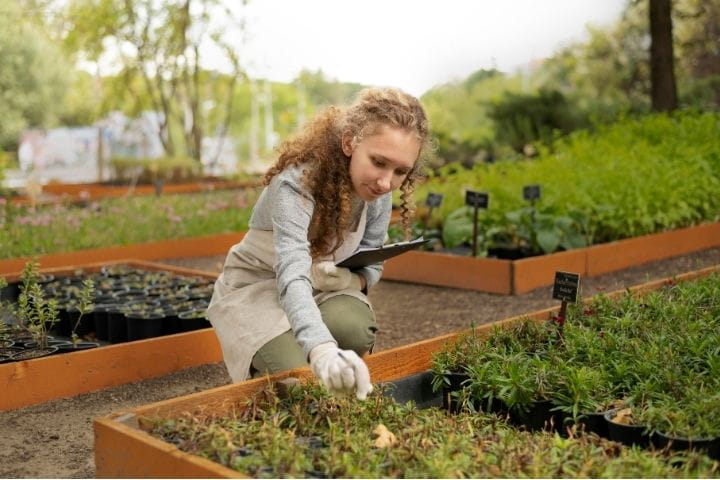
How to Grow Veg in a Raised Bed Successfully
Getting started is simpler than many people expect. Focus on good soil, sensible spacing and consistent care.
Beginner checklist:
- Choose the right depth
Aim for 30–45cm for most vegetables. Deeper beds suit root crops like carrots.
- Fill with fertile, loose soil
Use a mix of compost and topsoil for structure and nutrients.
- Allow natural drainage
Avoid lining the base. Roots should access the soil below.
- Water regularly
Raised beds dry out faster, especially in summer. - Rotate crops yearly
This helps prevent pests and nutrient depletion.
If you’re looking for a ready-made solution, a well-sized allotment raised bed can make setup much easier.
Veg to Grow in Raised Beds
Choosing the right crops makes all the difference when you’re starting out. In raised beds, I’ve found that simple, reliable vegetables are far more rewarding than anything fussy or space-hungry. The following 15 are well suited to UK conditions and thrive in the loose, fertile soil that raised beds provide.
1. Carrots
Carrots are one of the best root crops for raised beds because they need light, stone-free soil to grow straight and evenly. In open ground, heavy or compacted soil often leads to forked roots, but raised beds solve that problem instantly. Sow thinly and aim for spacing of around 5–8cm once thinned. You can usually harvest within 10–14 weeks. I like to grow shorter varieties in shallower beds, as they are more forgiving and still produce a good crop.
2. Beetroot
Beetroot is wonderfully undemanding and thrives in fertile, well-drained soil. Raised beds help prevent waterlogging, which can otherwise slow growth. Space plants about 10cm apart and expect a harvest in 8–12 weeks. One of the simplest ways to keep beetroot coming is to sow little and often. The leaves are edible too, which makes this a particularly productive crop for small spaces.
3. Radishes
If you want quick results, radishes are hard to beat. They grow rapidly in raised beds, often ready in as little as 4–6 weeks. Their shallow roots make them ideal for even modest bed depths. Sow thinly with spacing of 2–5cm and keep the soil moist to avoid woody roots. I often use radishes as a gap filler between slower crops, making the most of every bit of space.
4. Lettuce
Lettuce is one of the easiest and most rewarding leafy crops to grow. Raised beds make it simple to maintain the consistent moisture levels lettuce prefers. Space plants around 20cm apart, or grow more densely for cut-and-come-again harvesting. You can begin picking leaves within 4–8 weeks. In summer, I’ve found partial shade helps prevent bolting and keeps leaves tender for longer.
5. Spinach
Spinach grows best in the cooler conditions of spring and autumn, and raised beds allow you to manage soil moisture more effectively during these periods. With spacing of around 10cm, plants mature in 6–10 weeks. The key is to avoid hot, dry conditions, which can cause bolting. I often return to spinach later in the season when other crops are finishing, keeping the bed productive.
6. Spring Onions
Spring onions are compact, fast-growing and perfect for edging raised beds. They don’t require much space, with a spacing of just 2–3cm, and can be harvested in 8–10 weeks. Because they take up so little room, they slot easily between other crops. I regularly include them in mixed plantings where space is limited.
7. Onions
Bulb onions benefit from the controlled conditions of a raised bed, especially when it comes to drainage and soil fertility. Space them around 10–15cm apart and expect a harvest after 3–5 months. Early on, it’s important to keep the area weed-free, as onions don’t compete well. Raised beds make this much easier to manage.
8. Bush Beans
Bush beans are a compact alternative to climbing varieties and are ideal for smaller spaces. They grow well in warm, well-drained soil and fit neatly into raised bed layouts. Space plants about 20cm apart, with harvests starting around 8–10 weeks. Regular picking encourages continued production, so it’s worth checking plants frequently once they begin cropping.
9. Peas
Peas are a natural fit for raised beds, especially when grown vertically. By adding simple supports or netting, you can grow upwards and save valuable ground space. Sow with spacing of around 5cm and harvest in 10–12 weeks. I tend to place peas along the north side of a bed so they don’t shade other crops.
10. Courgettes
Courgettes need more space than most crops on this list, (and are technically fruit) but they reward you with heavy yields. In a raised bed, the rich, fertile soil helps them establish quickly. Allow at least 60–90cm per plant and expect harvests from 8–10 weeks onward. Even one or two plants can provide more than enough for a household over the summer months.
11. Kale
Kale is one of the most resilient vegetables you can grow, and it thrives in raised beds where soil fertility can be maintained easily. Space plants around 40cm apart and begin harvesting after 10–12 weeks. The beauty of kale is its longevity. You can pick leaves over many months, especially through autumn and winter.
12. Chard
Chard is both productive and visually striking, with colourful stems and lush leaves. It copes well with a range of conditions, making it ideal for beginners. Space plants about 30cm apart and start harvesting in 8–10 weeks. Like lettuce, it can be grown as a cut-and-come-again crop, providing a steady supply over time.
13. Garlic
Garlic is one of the simplest crops to grow, particularly when planted in autumn. Raised beds provide the good drainage it needs to avoid rot over winter. Space cloves 10–15cm apart and harvest after 6–8 months. It’s a low-maintenance crop that quietly gets on with growing while you focus on others.
14. Potatoes (in deeper beds)
Potatoes do especially well in deeper raised beds where soil remains loose and easy to work. Space seed potatoes around 30cm apart and expect harvests between 10–20 weeks depending on the variety. As they grow, you can earth up the soil around the stems, which is much simpler in a contained bed.
15. Strawberries
Although technically a fruit, strawberries earn their place here for how well they perform in raised beds. Good drainage helps prevent rot, and the elevated position keeps fruit cleaner. Space plants about 30cm apart and harvest in early summer. Adding mulch beneath the plants helps protect developing berries and retain moisture.
Raised Bed Vegetable Planner
| Crop | Spacing | Harvest Time | Root Depth | Notes |
|---|---|---|---|---|
| Carrots | 5–8cm | 10–14 weeks | Deep | Root crop |
| Lettuce | 20cm | 4–8 weeks | Shallow | Cut-and-come-again |
| Peas | 5cm | 10–12 weeks | Medium | Climbing |
| Courgettes | 60–90cm | 8–10 weeks | Medium | Needs space |
| Spinach | 10cm | 6–10 weeks | Shallow | Cool-season crop |
| Potatoes | 30cm | 10–20 weeks | Deep | Needs deeper beds |
Small-Space Layout & Vertical Growing Tips
Making the most of a raised bed is about smart layout.
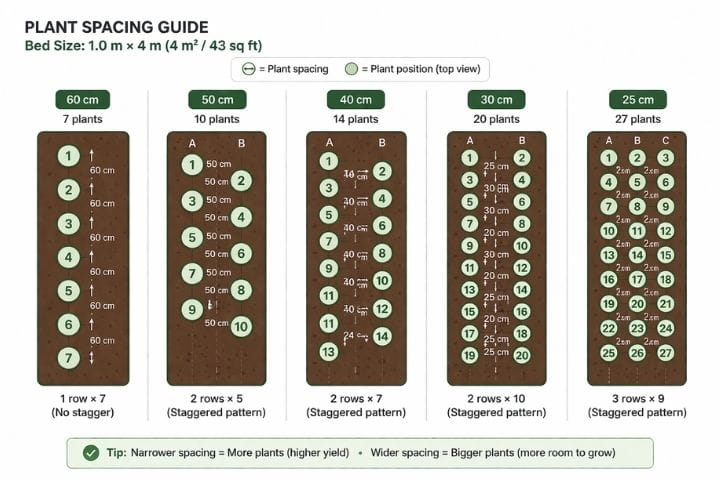
Simple layout principles:
- Place tall crops (peas, beans) on the north side
- Grow low crops (lettuce, radishes) at the front
- Use vertical supports to save space
- Interplant fast and slow crops together
- Leave airflow between plants to reduce disease
If you’re working with a patio or balcony, or another very small space, container growing can complement raised beds.
Extending the Season in Raised Beds
Raised beds already warm up faster in spring, but you can go further.
Adding simple protection allows earlier sowing and later harvests.
- Use fleece or cloches to protect seedlings
- Cover beds during cold snaps
- Protect frost-sensitive crops like courgettes and beans
A simple mini polytunnel works well as a cloche-style cover, but if you have the space, small polytunnels can extend your growing season significantly.
Common Raised Bed Problems (and Simple Fixes)
| Problem | Solution |
|---|---|
| Slugs | Use copper tape, check at night |
| Carrot fly | Cover with fine netting |
| Dry soil | Mulch to retain moisture |
| Overcrowding | Follow spacing guidelines |
| Nutrient loss | Add compost annually |
Starting a vegetable garden doesn’t need to be complicated. Raised beds offer a simple, low-risk way to grow your own food, even in small spaces.
Choose a few easy crops, start small and build confidence as you go. With the right approach, you’ll soon have a steady supply of fresh, homegrown veg.
Frequently Asked Questions
Can I grow vegetables year-round in raised beds in the UK?
Yes, especially with protection like fleece or polytunnels. Winter crops such as kale and garlic tend to perform well and can continue growing even in colder conditions.
What vegetables should not be grown in shallow raised beds?
Deep-rooted crops such as carrots and potatoes are not ideal for shallow raised beds, as they need at least 30–45cm of soil depth to develop properly.
How many vegetables can I grow in a 1m x 1m raised bed?
You can grow a surprising amount in a 1m x 1m raised bed. With careful spacing, crops like lettuce, radishes and carrots can be grown together successfully.
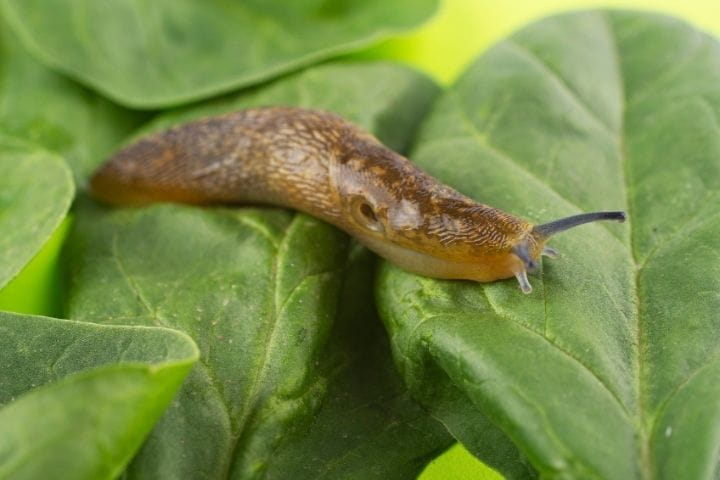
How do I stop slugs in raised beds naturally?
Natural slug control methods include using copper barriers, encouraging wildlife such as birds, and checking plants regularly at dusk to remove slugs before they cause damage.
Sources:
Royal Horticultural Society (2024) Grow your own vegetables in small spaces. RHS. Available at: https://www.rhs.org.uk [Accessed 27 Feb 2026].