

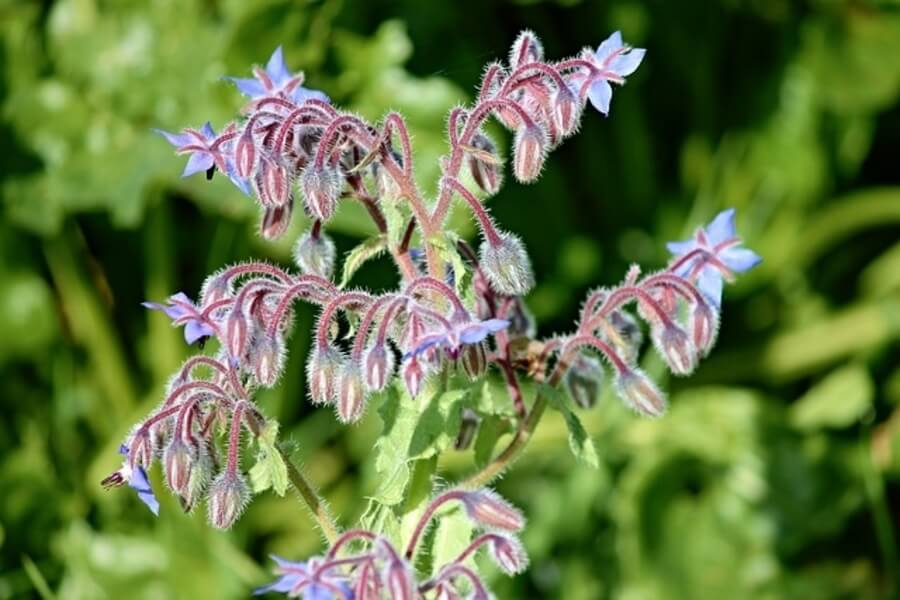
Borage, Borago officinalis, is one annual flower well worth growing in your garden. There are many reasons why it is useful to us, and to other plants growing close by. In this article, we will explore some of the reasons why you should grow borage as a companion plant in your food producing garden:
Borage Looks Good and Can Be Very Easy to Grow
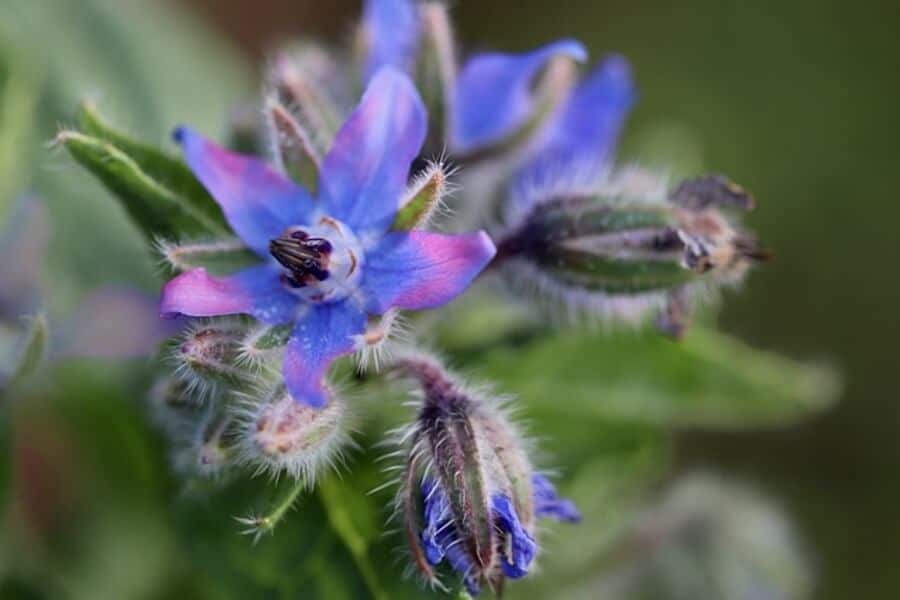
Whether you are a novice, or an experienced gardener, borage can be an easy addition to your garden.
This plant is relatively unfussy when it comes to growing conditions. It can cope with almost all soil types, including soils low in nutritional content.
It can also cope with a range of soil pH levels, even very alkaline soils. It can survive with very free-draining soils and is relatively drought tolerant. It can be grown in full sun, or light or dappled shade.
Seeds are down under cover and planted out once the weather has begun to warm, or direct sown in the garden after the last frost date in your area.
Borage Often Self-Seeds Readily
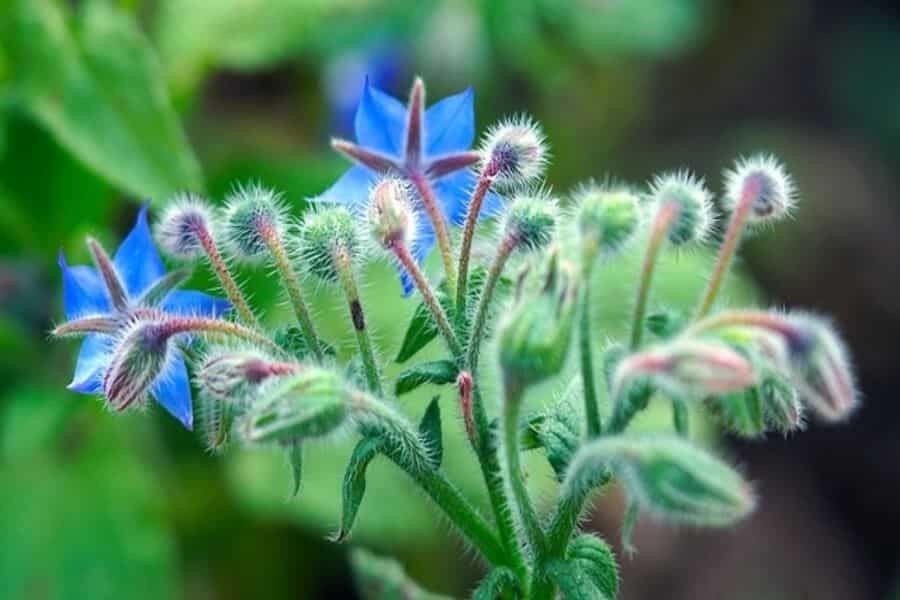
Where it is provided with conditions suited to its growth, borage will tend to self-seed readily. So this can mean that you may only sow it once and volunteer plants will continue to pop up in your growing areas over a number of years.
This can work well where you wish to use borage as a companion plant to different annual crops in a no dig garden. But it also means that even though it is an annual, borage can fit in well with perennial plants in a perennial vegetable bed, herb garden, or on the sunny fringes of a forest garden.
Borage Roots Improve Soil By Reducing Compaction
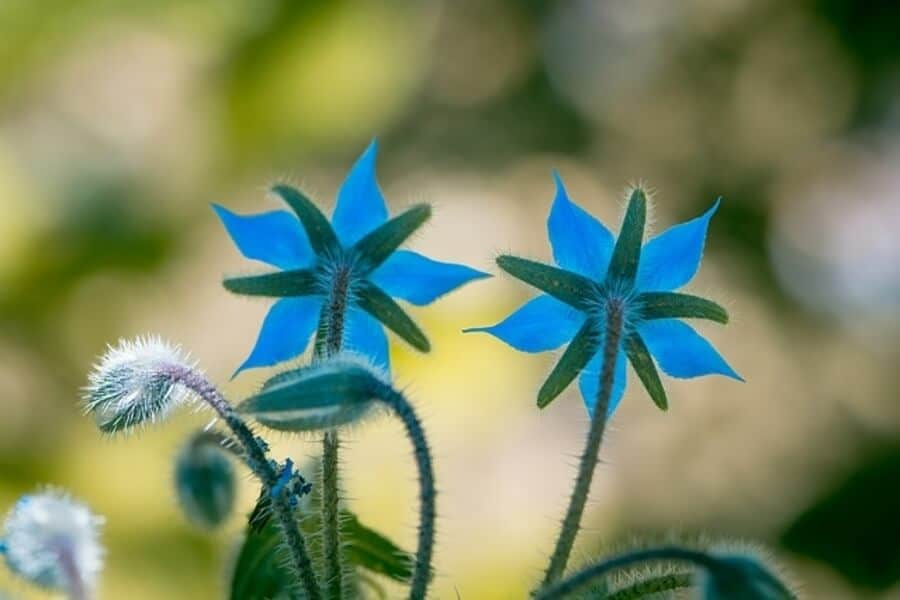
To understand the full benefits of this plant, we must look below the soil. The roots of borage plants have a structure which successfully penetrates the soil and helps to ensure good aeration. Where the soil is prone to compaction, borage can help to break it up and improve soil quality before other crops are grown.
Borage can also help cover areas of bare soil between other plants – thereby helping to anchor the soil in place and protect the fragile ecosystem below the ground.
Borage is Great for Attracting Bees and Other Pollinators
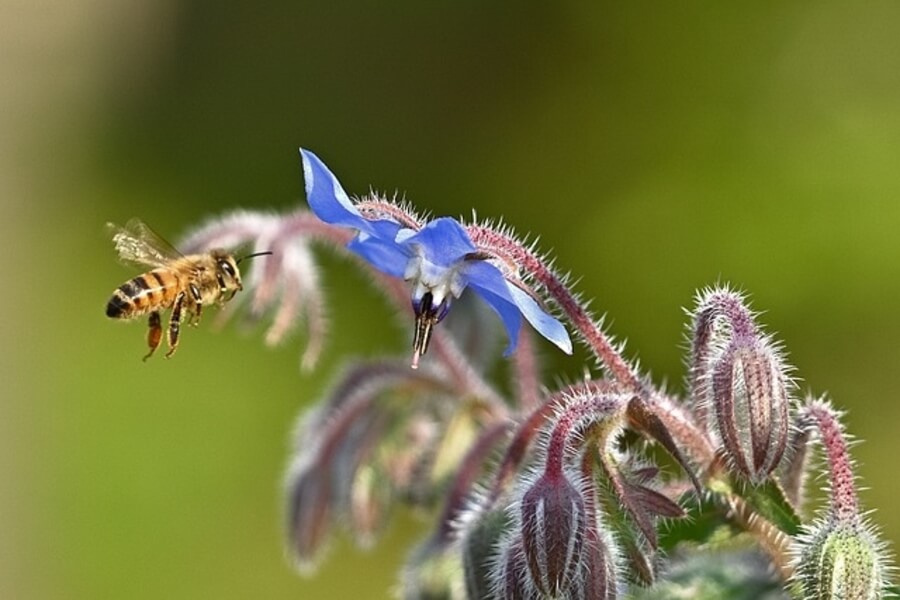
One of the most wonderful things about borage is that it is an excellent nectary plant. In other works, it produces prodigious amounts of nectar. This is good news for bees and other pollinators, and can help attract these to our gardens.
Of course, what is good for bees and other pollinators is also good for us, as gardeners. We rely on insects to pollinate many of our crops. So planting borage close to plants/crops which rely on insect pollination can help us to increase the yields we can obtain from our growing spaces.
Borage is a Trap Crop for Aphids
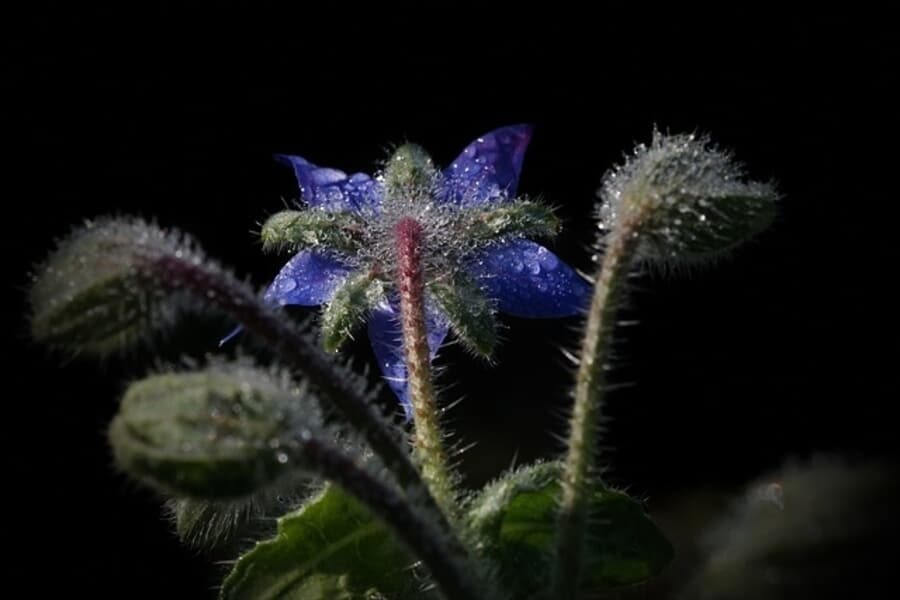
Borage attracts aphids. And while that may not immediately sound like a good thing, this is another characteristic which can be beneficial in a good producing garden. Borage, by drawing aphids to it, can actually help to keep those pests away from our main crops, acting as a trap crop for aphids and pest species.
Borage Attracts Wildlife to Keep Pest Numbers Down
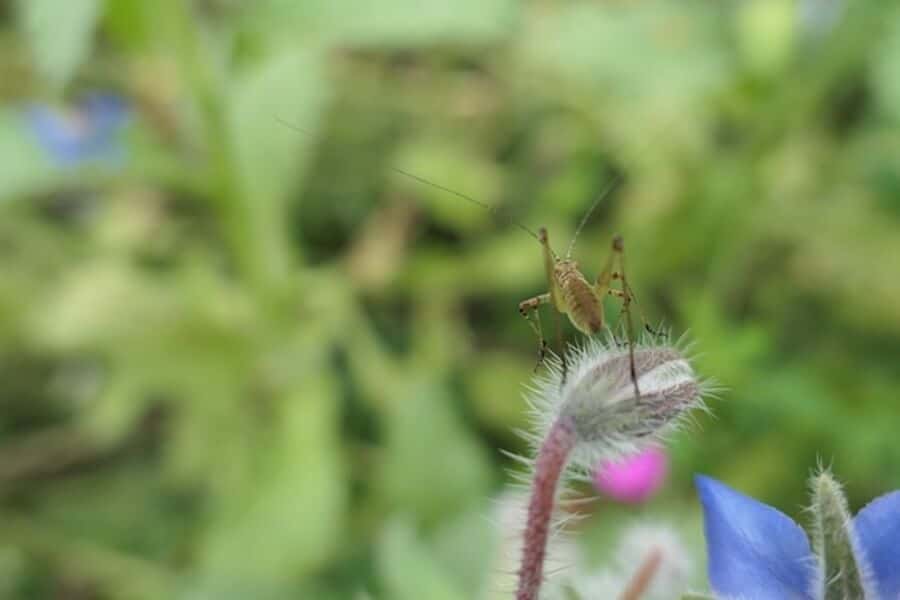
Since borage is favoured by aphids, this also means that by drawing in aphids and other insect pests, it also draws in creatures which eat aphids too. Insects like ladybirds and lacewings that prey on aphids will be drawn to their food source. And having these beneficial insects in your garden can help maintain a balance in the garden ecosystem overall.
Borage, once it goes to seed, also helps attract certain bird species to your garden. And further adds to the biodiversity that will help keep your garden growing strong, and in balance over time.
Borage is Not Just a Companion Plant – It Also Offers Various Yields
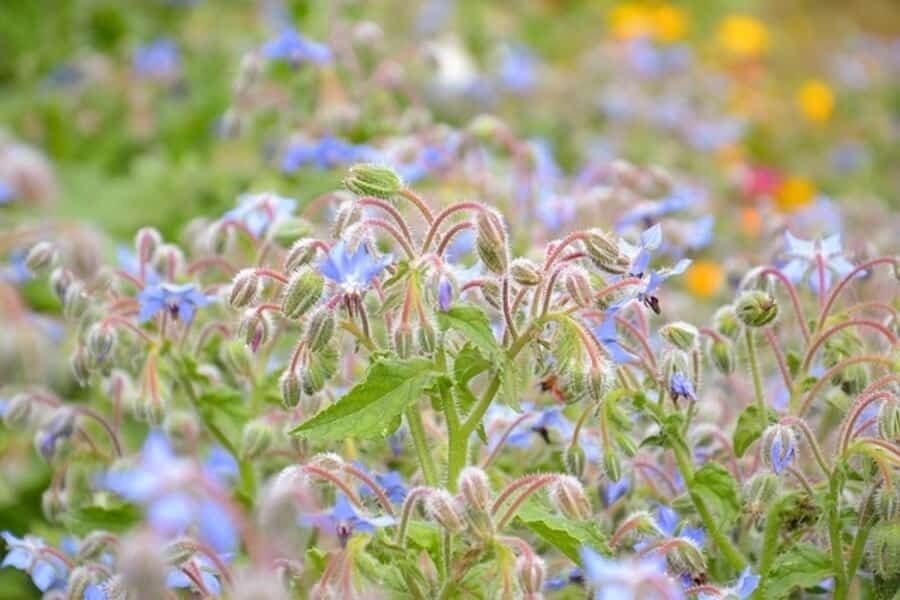
Borage will not just benefit other plants in your garden, it also provides us with a range of useful yields:
- Borage is an edible crop. Leaves can be eaten raw or cooked in moderation, and the flowers are also edible and can be used as a garnish, in salads or in drinks like Pimms. They have a mild cucumber-like flavour.
- This plant also has a range of traditional uses in herbal medicine. It frequently used, for example, in soothing teas and infusions. And can also be used as a poultice to reduce inflammation and soothe the skin.
- Borage flowers can also be used in soap-making, and in other crafts. The flowers are frozen and used to make a natural dye.
Borage Can Also Help Maintain Fertility in Your Garden
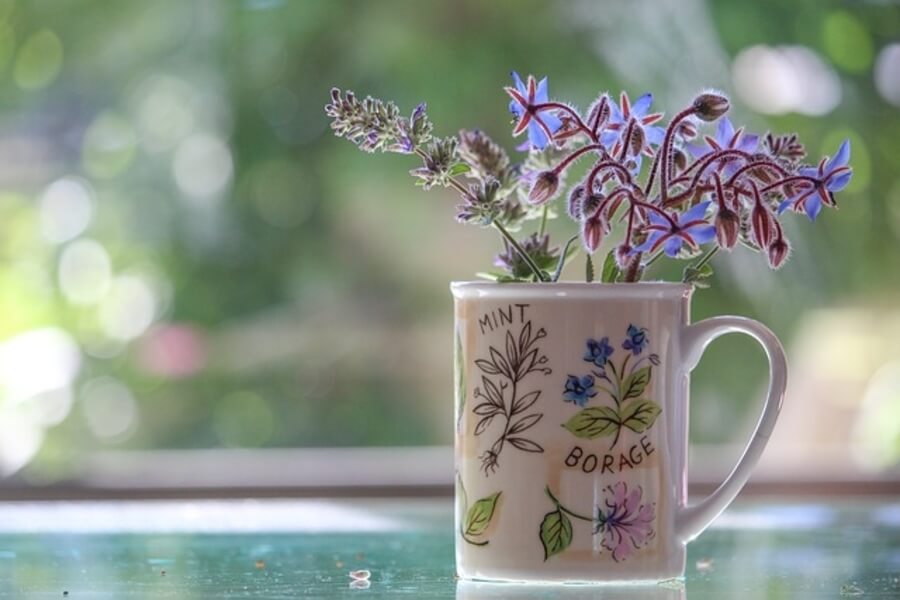
Borage does not only provide the yields above. Harvest borage and you can also maintain fertility in your garden and keep it healthy over time.
Borage is one of the plants that is given the name of ‘dynamic accumulator’. This means that it has the ability to gather and store certain nutrients from the soil effectively. Borage is one plant said to be particularly effective in gathering one of the three key plant nutrients: potassium.
For this reason, it can be beneficial to use borage as a mulch around common crops. It can be particularly beneficial for flowering and fruiting plants.
Mulching with organic plant material adds to the nutrients available in the soil for the uptake of other plants. It also improves the soil quality, reduces weeds, and aids in water retention.
Sometimes, borage may be used as a ‘living mulch’ – filling in gaps between crops with which it will not compete excessively. It may then be chopped and dropped to return the nutrients it contains to the soil. It can also be used as a ‘green manure’ or cover crop.
With its nutrient profile, borage can also be a beneficial ingredient for your composting system. As a nitrogen rich green material, which is also high in potassium and other essential plant nutrients, borage can help all the materials in the heap to break down.
You can also use borage on its own or in combination with other cultivated plants/ weeds to make a liquid plant feed to give a boost to flowering or fruiting plants.
All of the above should help you see just why borage is such a useful plant to grow in your garden.