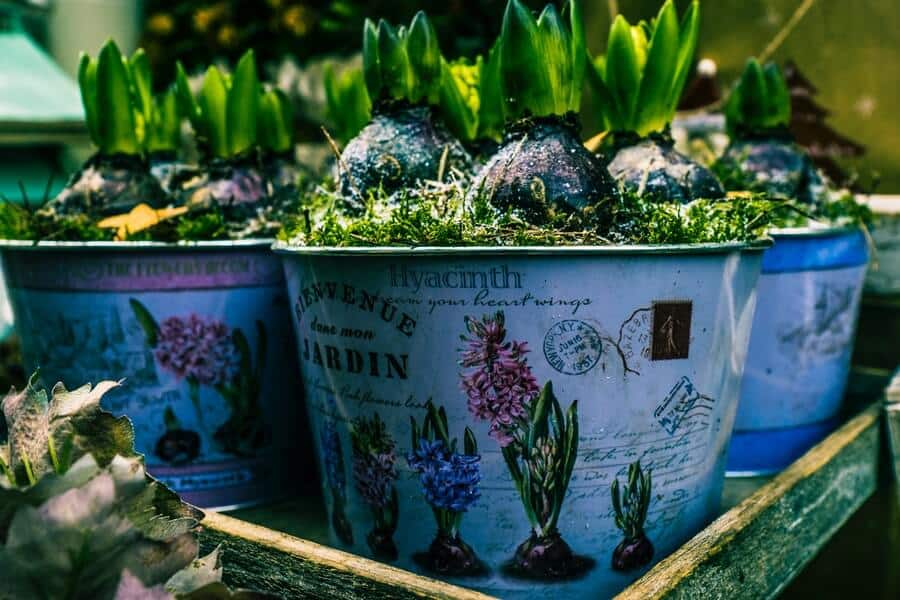
Container gardening can be a little more time-consuming and challenging that growing crops in the ground or in raised beds. Containers can dry out more quickly, and need a little more care and attention when it comes to watering and feeding your plants.
However, container gardening can also be a wonderful way to make the most of whatever space is available, no matter how little of it you may have.
Many of the potential problems with container gardening can be staved off if you think carefully, before you begin, about which containers you should choose.
Consider Which Plants You Want to Grow
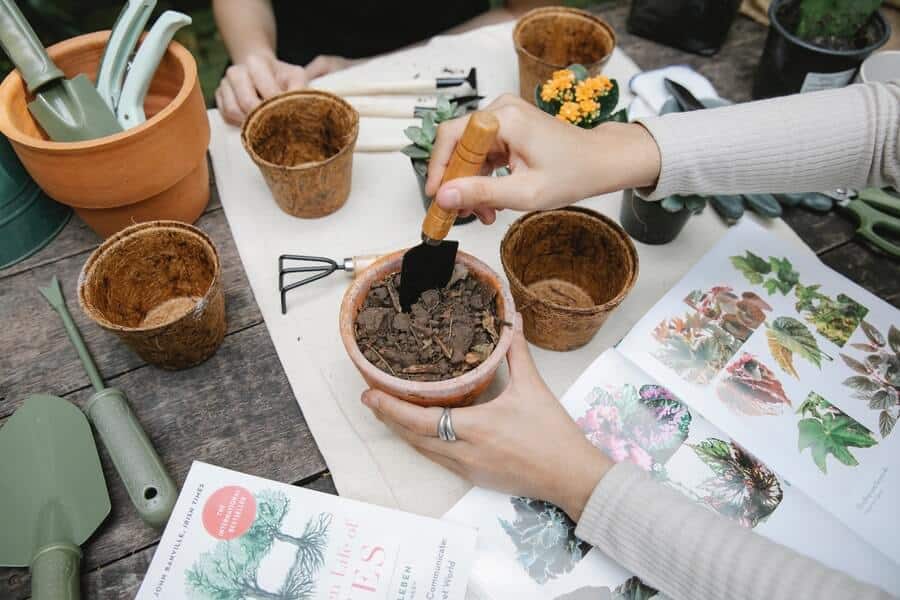
First and foremost, choosing containers involves thinking about which plants specifically you want to grow in them. It is important to understand that there are plants that will thrive in a particular container, and others that will suffer.
You need to think about:
- The growing requirements of the plants in terms of sunlight and temperatures.
- Whether the plants like wet or very free draining conditions, or something in between.
- The grown habits of the plants in question. (Whether they are tall, short, compact or sprawling, for example.)
- The root systems of the plants in question. (Whether they deep or shallow rooted, for example.)
Always start by developing a better understanding of the needs of the plants you wish to grow before you even begin to think about which containers to choose for them.
Think About Time – How Long Will the Plants Be in The Containers?
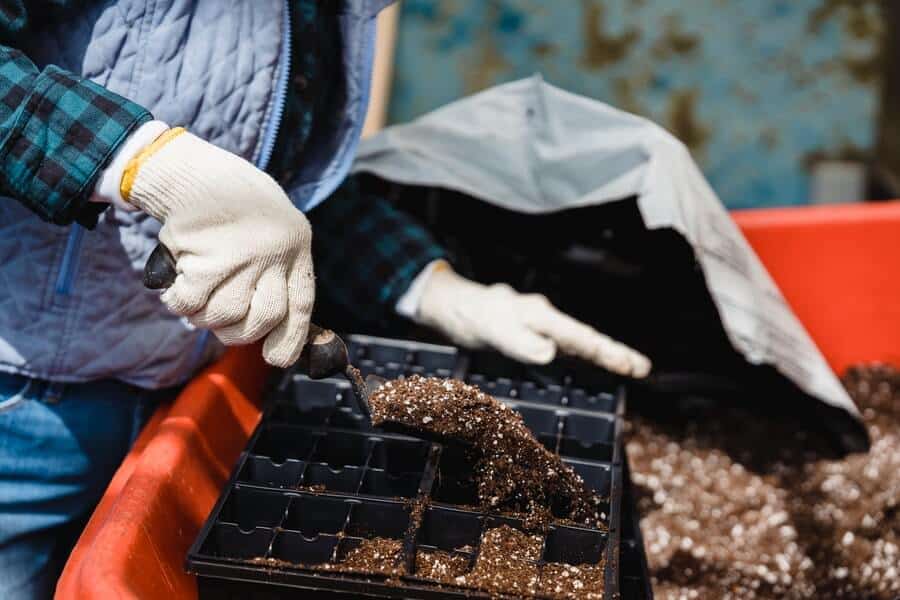
In addition to thinking about the environmental needs and characteristics of the plants you wish to grow, you also need to think about how long they will remain in the containers.
The first thing to think about is whether the containers will be temporary homes for your plants. (ie. while they are seedlings or young plants before transplantation). The characteristics of container required will be different for short term container growing.
Of course, containers might also be used for longer term/ permanent growing. You might grow annual crops in containers throughout the spring and summer months. Or you might grow perennials or houseplants in containers year round. Again, the duration of the growing period can have a role to play in determining which containers are best for your needs and the needs of your plants.
If the containers are to be temporary ones, it is worthwhile considering whether you need containers at all. A soil blocker, for example, could be used to make soil blocks for seedlings and do away with the need for containers altogether.
You could also consider biodegradable containers, that will be transplanted into final growing positions along with your plants. Toilet roll tubes, newspaper pots, and coir pots, for example, are all options that you could consider.
For longer term container growing, durability and longevity will of course be things that you will want to consider. You should choose containers for this purpose which will last as long as possible.
Think About Container Size
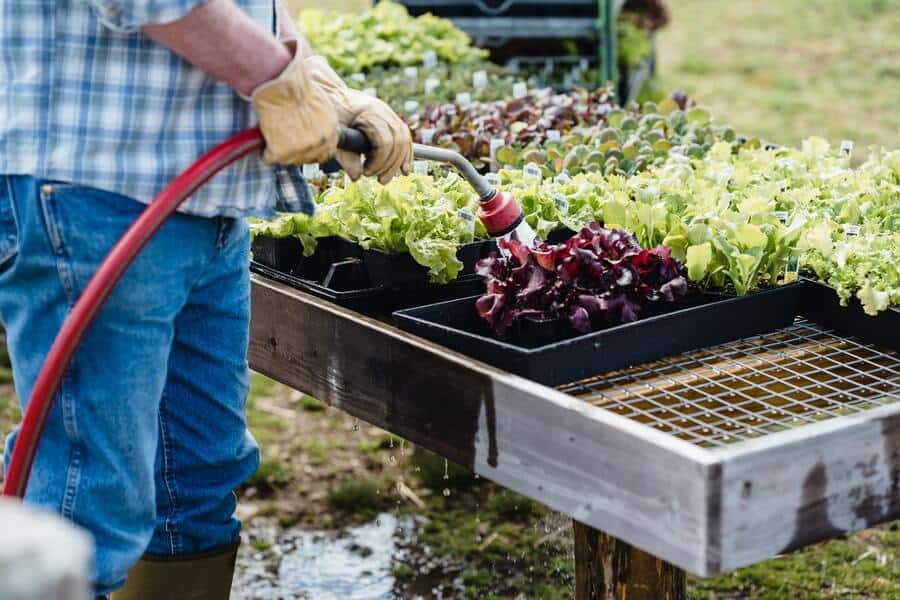
This will depend on the plants you are growing (and their stage of growth). When it comes to container growing there is definitely not ‘one size fits all’.
Again, understanding the needs and growth of the plants you are growing is key. Some plants will prefer to be placed in a pot that keeps it snugly fitted, while others definitely need more space to spread out. It is important to recognise that plants will require containers of a minimum size – but bigger is not always better.
A container can be too big as well as too small. To large a container may increase the chances of a plant that likes free-draining conditions becoming waterlogged, for example.
Consider Where Containers Will Be Placed
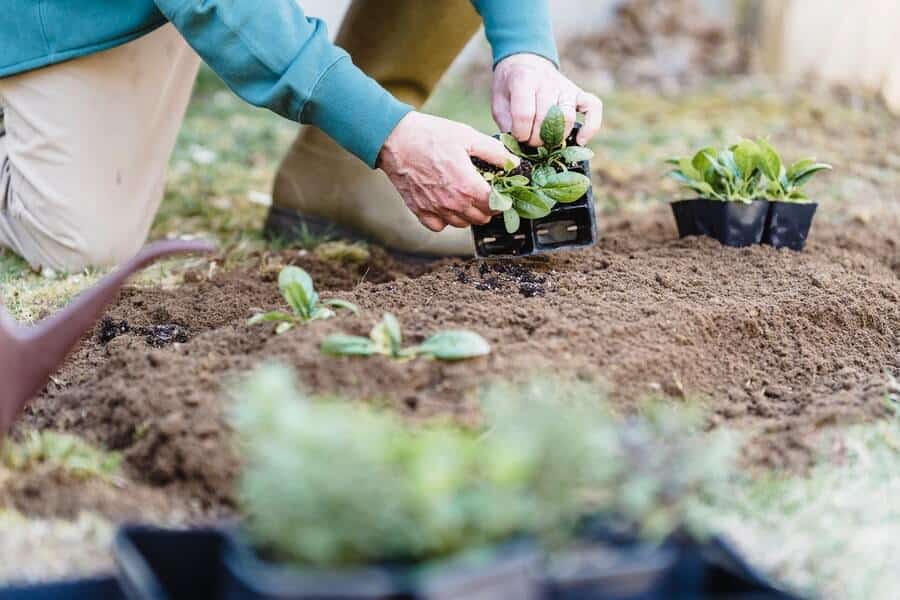
When choosing containers for your plants, location is also very important. Think about where your containers will be placed. Alongside the plants themselves, understanding place will also be very important.
You might place containers:
- Indoors (on a sunny windowsill or in a suitable location inside your home).
- In a greenhouse, polytunnel or other undercover growing area.
- Outdoors (in your garden, or on a patio, balcony, or rooftop, for example).
Wherever you decide to place your containers it is very important to understand the characteristics, strengths and shortcomings of the locations.
Think about:
- Sunlight and shade.
- Temperature. (Considering how this changes over time and throughout the year.)
- Humidity. (And precipitation if outdoors.)
- Wind/ ventilation. (Will the site have adequate ventilation if indoors or under cover? Is the site sheltered or exposed if outdoors?)
- Space (Is this limited? If so, which containers will make the most of the space available?)
Choosing the right container can be about identifying potential problems in the environment and selecting options which might help mitigate those issues.
Consider the Material of Containers
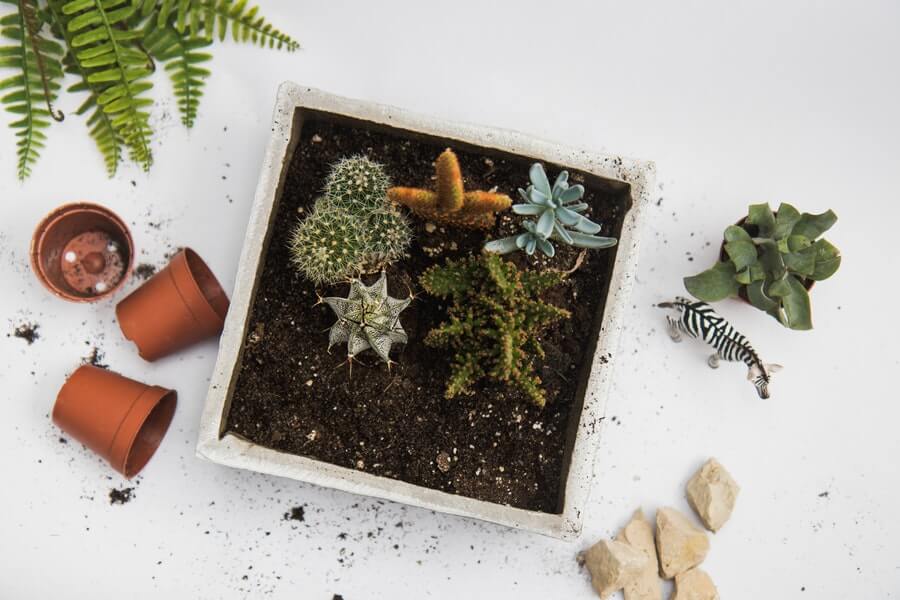
By now, you should have a better understanding of the plants you wish to grow. And have a good understanding also of the place you want to grow them. It’s time to turn your attention to the containers themselves.
Containers can be made from a wide range of different materials. And it is important to think about the characteristics of those different materials. Understanding the materials from which containers are made can be important in making the right container choices.
Materials commonly used for containers include, for example, terracotta, ceramic, plastic, stone, wood and metal. Each of these materials has its pros and cons. And each can be the best choice in certain situations and for certain plants.
When considering the material from which a container is made, you should think about:
- How well a material stores/ retains or releases water/ moisture.
- The speed at which a material will heat up and cool down, how well it retains or dissipates heat.
- How heavy or lightweight it will be. (Consider whether you need to be able to move the containers. And whether it will tip/ blow over easily.)
- Whether it is a durable and long-lasting material.
- The environment: the true cost of manufacturing a container and what will happen to it when it reaches the end of its useful life.
Remember, you do not necessarily have to by ready made containers or pots for your plants. You could also consider making your own from reclaimed materials. Bear this in mind as you consider the different options available to you.
In addition to thinking about the material from which a container is made, you should also consider its colour. The colour of a container can make a big difference when it comes to its characteristics. It can make a different to how suited a container will be to growing different plants.
Light coloured or white containers will reflect light, while darker or black ones will absorb light and heat up more quickly.