

If your garden is smaller than you might wish, don’t despair. There are plenty of ways for you to not only grow more and make the most of every inch available to you, but also to make your garden feel bigger.
Here are some tips to help you to learn how to make a small garden look bigger than it actually is:
1. Shape
The first thing that we can think about is how we can trick the eye through using certain shapes and geometric trickery when determining the overall layout of the space.
For example, you can employ a sizeable circular shape or a sequence of circles to make a garden space feel longer.
When implementing multiple circles, ensure that the one nearer to the house is marginally larger than the counterpart positioned towards the garden’s end.
This graduated sizing technique enhances the perspective of length, guiding the viewer’s gaze and amplifying the perceived distance within the garden.
Using linear elements, such as pathways or borders, can lead the eye along a defined route, extending the perceived length or width of the space. Diagonal lines or zigzag patterns add dynamism and depth, visually expanding the garden’s boundaries. Curves softens harsh edges and encourages exploration, making the area feel more expansive.
2. Colour
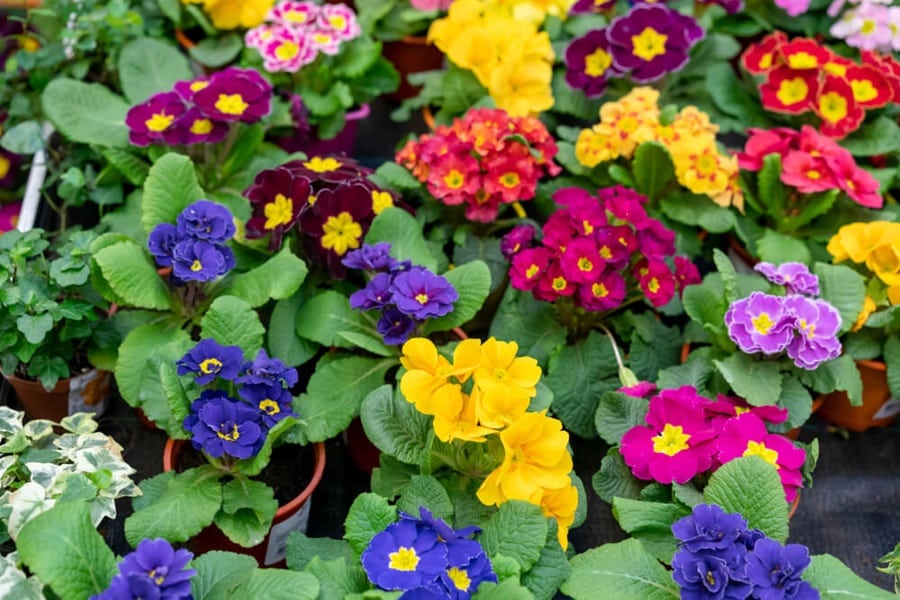
Colour is another important factor that can determine how large or small a garden will feel.
Opting for lighter hues like soft pastels or pale tones for flowers, foliage, and structural elements can impart an airy quality which can make a garden look bigger.
Placing brighter colours closer to the garden’s edges draws attention outward, creating a sense of depth and enlarging the perceived boundaries.
3. Materials
Choosing natural materials that blend seamlessly with the surrounding environment helps to create a cohesive feel within a garden that can also make it feel bigger.
Opting for lighter-coloured materials, such as gravel or light-toned paving stones, reflects more light and so this too can create a a sense of openness and space.
4. Planting Plans
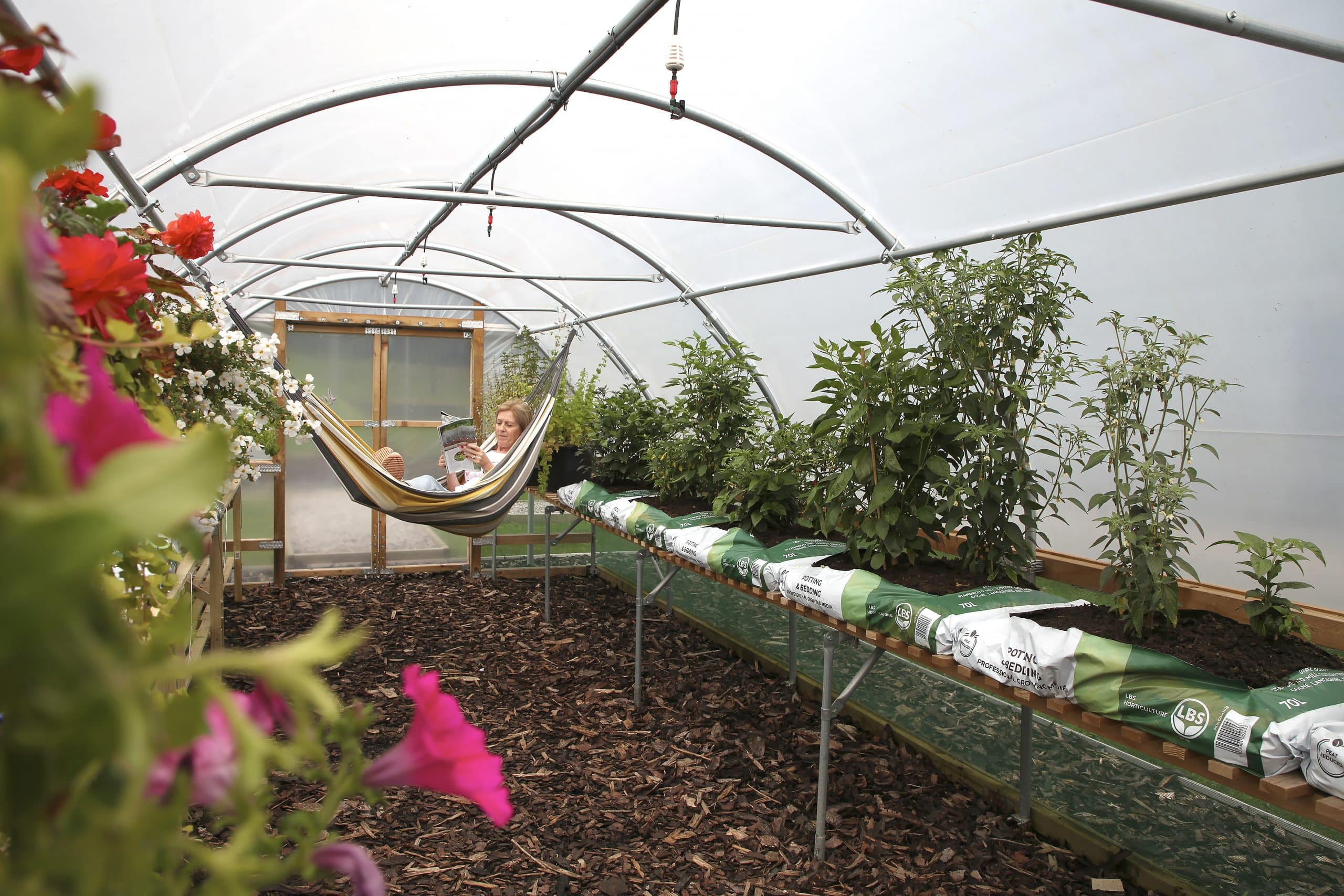
The plants that you choose for your garden and, crucially, how you combine them, are of course another key element that plays an important role in determining how large your garden looks and feels.
When planning garden borders, start by incorporating plants with varying heights, arranging taller species towards the back and gradually decreasing in height towards the front. This layering technique creates depth and a sense of distance.
Opt for plants with fine textures and delicate foliage in the foreground, as they visually recede, giving the illusion of more space.
Introduce plants with bold colours or striking features strategically throughout the garden to draw the eye and create focal points, stretching out the scene.
5. Hidden spaces
Even a small garden can feel bigger if you cannot see the entirety of the space all at once, but rather have some hidden spaces.
Incorporate features like curved pathways or gently winding trails that gradually unveil new vistas as visitors explore, instilling a sense of curiosity and dimension.
Nestling secluded nooks or hidden seating areas amidst lush greenery or behind garden structures introduces delightful surprises and extends the perceived limits of the garden.
Employ vertical elements like trellises or tall plants strategically to partially screen certain sections, arousing interest in what lies beyond and enriching the illusion of spaciousness.
6. Clutter
In many instances, it can help to create lush, dense planting – but only in the right locations. Take care not to overcrowd the space, which can make it seem smaller. And do not introduce any plants that will grow too overwhelm the space available, but rather select ones suited to the size of the space.
Begin by removing unnecessary items like unused garden tools or extra furniture to create a more spacious visual environment.
Choose furniture and decorations that harmonize with the garden’s size, ensuring they enhance rather than dominate the space. Establish clear pathways and open areas to facilitate movement and provide unobstructed views.
7. Keep it simple
Streamline plant selections not by reducing the number of species, but rather by introducing plenty of biodiversity but also sticking to a unified colour scheme and a cohesive style to avoid a cluttered feel.
Keeping things relatively simple in terms of the overall layout, theme and style can help you to avoid common mistakes that can make a garden feel smaller.
8. Let Your Garden Unfold
As mentioned above, a garden will feel larger if the full extent of the space is not revealed all at once. A successful garden is often one that can be explored on a journey of discovery, gradually revealing its secrets to the eye as it unfolds before those who explore it.
Creating pathways that allow for this gradual exploration can be key to a successful design that helps a garden feel more expansive.
9. Make Use of Vertical Space
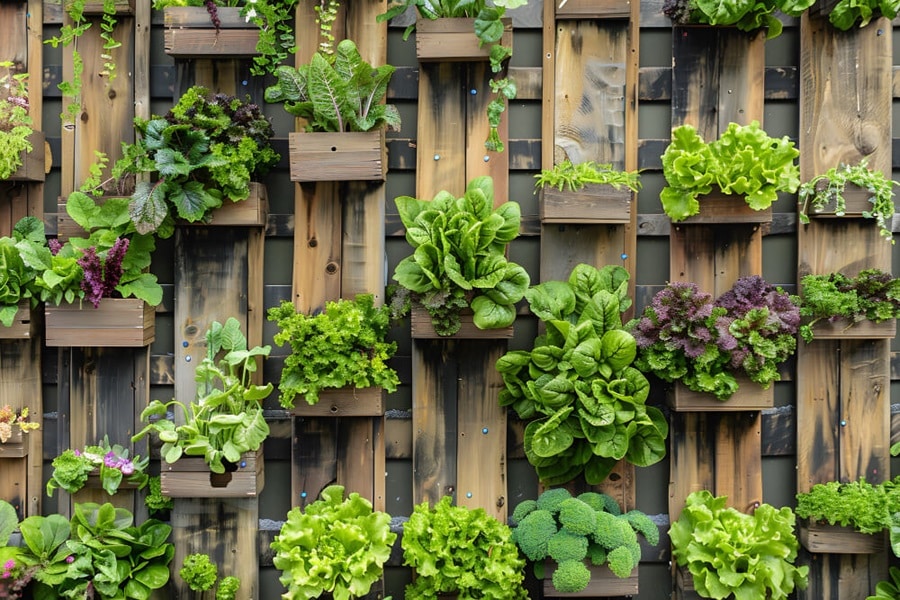
To make a garden feel larger it is important to embrace vertical gardening – making full use of the vertical space available to you as well as the horizontal area. Implementing vertical elements not only adds layers of texture and depth but also directs attention skyward, giving the impression of a more expansive garden.
Install tall structures such as trellises, pergolas, or arbours to draw the eye upward and create a sense of height. Train climbing plants to grow on these structures, adding greenery and visual interest without encroaching on precious ground space.
And add vertical gardens, hanging baskets, other hanging containers, or wall-mounted planters to introduce vegetation at varying heights, further maximizing your use of the vertical dimension.
10. Use Mirrors to Make a Small Garden Look Bigger
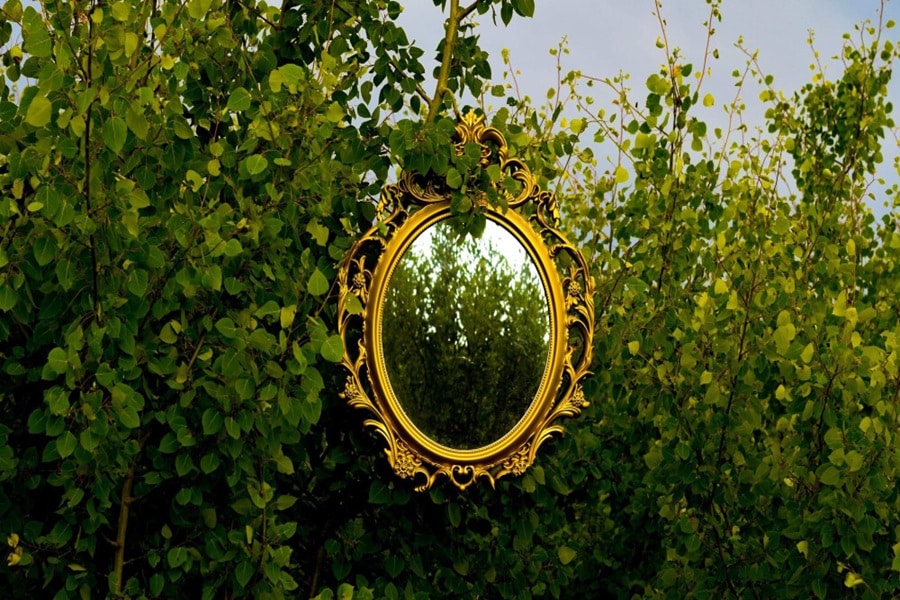
Mirrors, water and other reflective surfaces can also trick the eye and make a garden seem bigger than it actually is, with greater depth and dimension. When placed strategically, such things can make a big difference to the light levels and sense of expansiveness within the space.
11. Create Zones
Creating different zones for specific purposes, such as dining, relaxation, or entertainment in a garden, using features like pathways, hedges, or changes in elevation to differentiate them, is one more way to make a garden feel larger.
As mentioned above, a garden can look and feel bigger when you cannot see the whole area all at once. Having designated zones for different purposes can also help to make sure that the garden feels large enough to meet all your household’s varied needs and wishes.
This is where having a good overall design from the outset can be important. A garden should be designed to reflect how you and your household will actually use it. When it meets all your needs, it will naturally feel bigger than it might otherwise have felt.
12. Paint your Fence
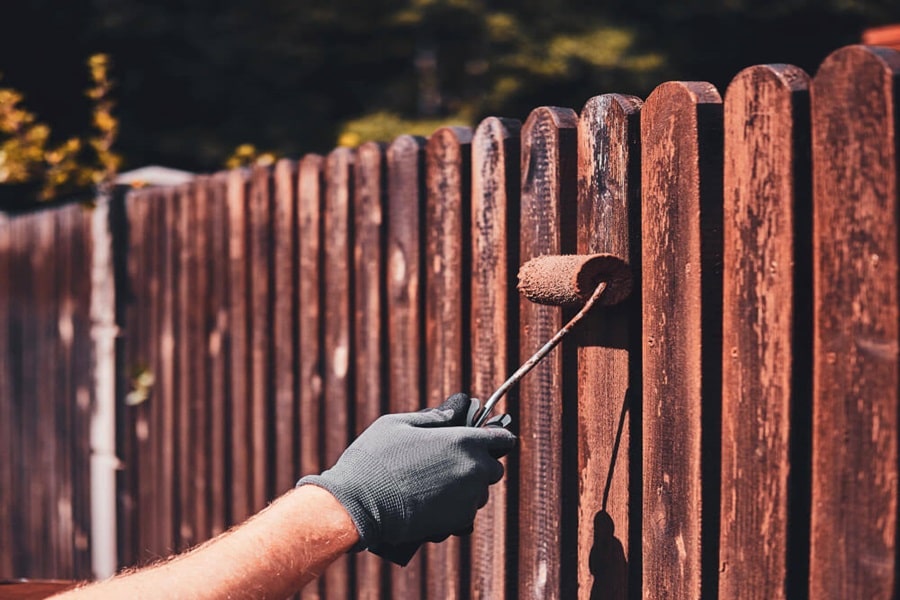
Painting walls or fencing in darker, cooler hues can help them to recede into the background and this too can help a space feel larger. But conversely, in some small spaces, brightening up fences or walls with white or other pale colours can bring in more light and help the space feel bigger.
13. Get Decking Right
The right decking can make a garden feel bigger, but get it wrong and decking can make a space feel even smaller. So it is important to consider carefully before you add any decking to your garden.
To make your garden feel bigger, Choose light-coloured decking materials, a pale wood like silvered larch, for example, to reflect more light.
Avoid intricate patterns or overly ornate features that can make the space feel cluttered. Extend the decking seamlessly from indoor spaces to outdoor areas to blur the boundaries, making the garden feel like an extension of the home.
Lay decking boards diagonally to gain a sense of depth and width. And select wider rather than narrower boards where possible. Avoid enclosing the decking too much with high barriers and incorporate storage features cleverly into the decking itself and any furniture you place on it to create multi-functional elements that maximise available space without creating clutter.
14. Think about Garden Lighting
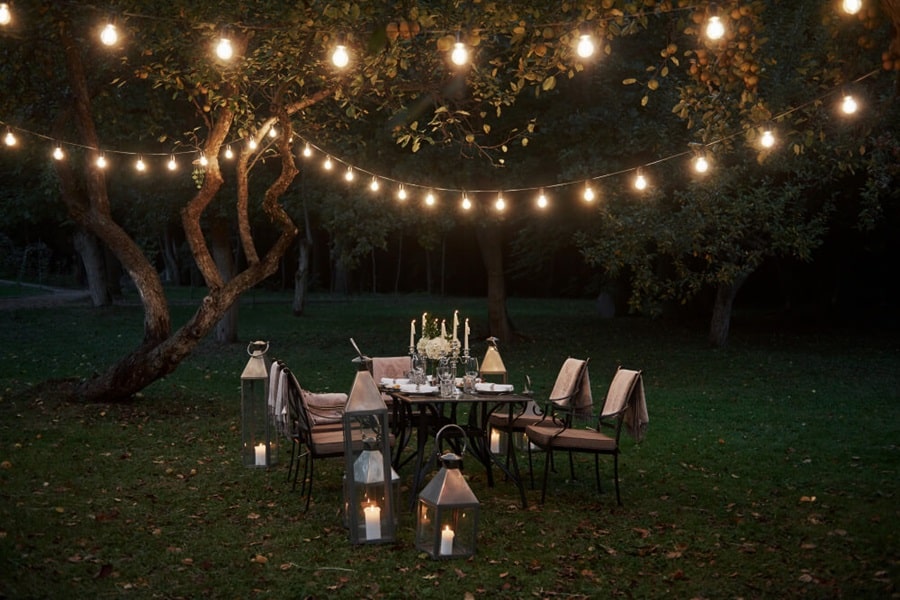
Garden lighting is another thing that can make a garden feel larger or smaller. When well planned, therefore, good and eco-friendly garden lighting can help make your garden feel bigger.
When lighting a garden sustainably, less is more. But place lighting fixtures strategically throughout the garden to highlight key features and create depth and this can make a space feel bigger.
Use lighting sparingly to illuminate trees, shrubs, or architectural elements, which can draw the eye upward and make the garden feel taller and more expansive. Install low-level pathway lighting along garden paths or walkways to guide movement and create visual continuity.
Choose warm, ambient lighting to create a cozy atmosphere in the garden while minimizing light pollution and glare. And use lights only when you are actually using your outside space.
15. Use Shrubs Wisely and Prune Where Necessary
Some people are inclined to avoid planting shrubs and trees in a small garden – worried that bulky vegetation can make the space feel smaller. But this is definitely not always the case.
Lush and leafy shrubs and small trees can actually make a garden feel bigger when they are positioned in the right places and in the right ways.
If you are considering removing certain larger plants, some judicious pruning might be better. This can open things up where a garden is overgrown and make the space feel larger while retaining the mature gardens leafy look and feel.
16. Reference the Wider Views with Your Planting
Taking into account the landscape features that you can see beyond the boundaries of your own garden can also help trick the eye into feeling that the space is larger than it actually is.
Borrowed landscape is a powerful technique for expanding the perceived size of a garden by incorporating surrounding natural features into the design.
Strategically framing distant vistas, such as neighbouring trees or hills, creates a seamless transition between the garden and its surroundings, blurring the boundaries and extending the visual horizon. Selective pruning or planting can enhance views while maintaining privacy and perspective.
If you’re wanting inspiration for your current garden, check out these small garden ideas.
FAQs
How can I make my garden feel wider?
You can use optical trickery to make a narrow garden feel wider. For example, you can draw the eye sideways with elements or planting across the garden from side to side, and can disguise the garden boundaries with careful planting so that it seems it might go on further to either side. Dividing a long, narrow garden into separate garden rooms can also help it to feel wider.
How do you maximise a small garden?
Make sure that you create a plan that works for the space, choosing the right plants for the right places. Use edges, and vertical as well as horizontal space.
Does grass make a garden look bigger?
An open expanse of lawn may make a garden feel bigger – but not necessarily, and usually not if the grass reaches the boundaries of the space. Remember that a mono-crop grass lawn is not an eco-friendly or sustainable choice so if you do have a lawn, let other plants other than grass grow there too. There are plenty of other low-growing groundcover options to consider.
How can I make my garden more appealing?
Enhance the charm of your garden by introducing a diverse array of plants boasting various heights, textures, and colours, crafting a visually captivating landscape. Integrate elements such as water features or artistic accents to serve as focal points, while also providing comfortable seating arrangements to promote relaxation and full enjoyment of the environment. Consistent upkeep and periodic modifications further contribute to keeping the garden vibrant and enticing throughout the year.
Sources
Fantastic Gardeners. (2021) What are the best plants for a vertical garden? [online] Available at: https://www.fantasticgardeners.co.uk/living-walls-installation/what-are-the-best-plants-for-a-vertical-garden/ [accessed 21/05/24]