Peas are a versatile and delicious vegetable that can be grown both outdoors in your garden and in a polytunnel greenhouse.
In the UK, peas can be grown in a variety of ways, with sowing and harvesting times depending on the specific type and variety of pea you are growing.
Whether you’re growing peas for podding, sugarsnap peas, or even soup peas, it’s essential to consider factors like the growing environment and the type of pea to ensure a successful crop. Here, we will discuss when to sow peas in UK gardens and polytunnels.
Advice On Buying Peas
Before you can determine the best time on when to sow peas, you need to decide which peas to grow. Of course, the type and variety you are growing will play an important role in determining the timings of both sowing and harvesting your crop. Think about pea recipes and think about how you wish to use your crop before deciding which to buy.
Once you’ve determined the type of pea you wish to grow, it’s important to choose varieties suited to your growing environment. Some peas are more resilient to cold temperatures, while others thrive in warmer conditions. Pay attention to the variety’s growing requirements, such as height, pod size, and resistance to pests and diseases.
We recommend bird nets to keep your crops safe from larger pests.
Great Pea Varieties To Grow
1. Mangetout Varieties
‘Oregon Sugar Pod’
A popular and reliable mangetout variety, ‘Oregon Sugar Pod’ produces flat, sweet pods that are tender and perfect for stir-fries and salads. It’s a high-yielding variety that thrives in cooler climates.
‘Sugar Snap’
A hybrid between garden peas and mangetout, ‘Sugar Snap’ offers plump, edible pods that are sweet and crunchy. This variety is perfect for fresh eating and is known for its easy growing and disease resistance.
‘Cascadia’
Known for its sweet flavour, ‘Cascadia’ produces high yields of thick, tender, edible pods. The plants are resistant to diseases, and the peas have a delicious, sweet taste when eaten fresh or stir-fried.
2. Sugarsnap Peas
‘Sugar Ann’
A compact variety of sugarsnap pea, ‘Sugar Ann’ is ideal for small spaces or containers. It has a sweet flavour and crunchy texture. It’s a hardy plant that can be sown early in the season for an early harvest.
‘Super Sugar Snap’
This is a vigorous variety that produces large, sweet, and crunchy pods. It’s an excellent choice for those who want high yields of delicious sugarsnap peas. Known for its disease resistance and productivity.
‘Knight’
‘Knight’ is a reliable sugarsnap variety known for its high yield and consistent performance. The peas are sweet and ideal for fresh eating or using in a variety of dishes.
3. Peas for Podding – Fresh, Green Garden Peas
‘Kelvedon Wonder’
This early-maturing variety is a classic choice for UK gardeners. It produces smooth, tender peas that are perfect for eating fresh or freezing. Known for its high yield and cold tolerance, it’s one of the most reliable varieties.
‘Hurst Greenshaft’
A late-season variety with a long harvest window, ‘Hurst Greenshaft’ produces excellent-quality peas that are sweet and full of flavour. This variety is resistant to many pea diseases and can be sown later in the season for extended harvest.
‘Alderman’
‘Alderman’ is a tall-growing variety, known for its high yields of sweet, tender peas. This variety is ideal for gardeners looking for a reliable crop that can be harvested over several weeks.
‘Champion of England’
One of the tallest varieties, ‘Champion of England’ is an heirloom variety that produces sweet, full-flavoured peas. The plants can grow up to 6 feet tall, so they benefit from a strong support system.
4. Soup Peas
‘Marrowfat’
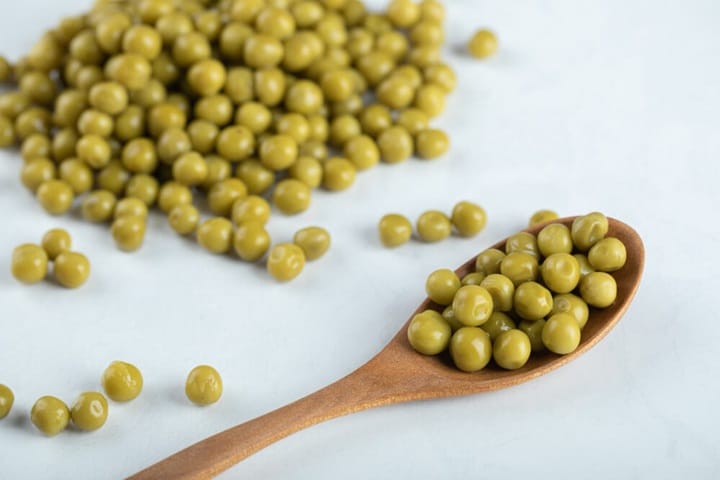
‘Marrowfat’ peas are known for their large size and starchy texture, making them perfect for soups, stews, and traditional British pea and ham soup. This variety is hardy and produces a high yield of plump, round peas.
‘Dun’
‘Dun’ is a small, round soup pea variety that is ideal for drying. These peas are perfect for storage and can be used in a wide range of hearty dishes, offering excellent flavour when cooked.
‘Alderman Soup’
A hardy soup pea variety that produces peas with a robust flavour, ‘Alderman Soup’ is perfect for drying and storing for use in winter dishes. It has a traditional taste and works well in soups and casseroles.
5. Peas to Dry and Use as a Pulse
‘Blue Pod’
An heirloom variety known for its purple-blue pods, ‘Blue Pod’ peas are perfect for drying and using as a pulse. The peas have a mild flavour and can be used in a variety of dishes once dried.
‘Field Pea’
The ‘Field Pea’ variety is an excellent choice for drying and storage. Known for its small, round peas, it’s ideal for growing in larger quantities. These peas are perfect for long-term storage and work well in soups and stews.
‘Little Marvel’
While ‘Little Marvel’ is often used as a fresh pod pea, it’s also suitable for drying due to its small, sweet peas. It’s a compact variety that can be grown in small spaces and is ideal for use in pulse dishes once dried.
How To Grow Peas From Seed
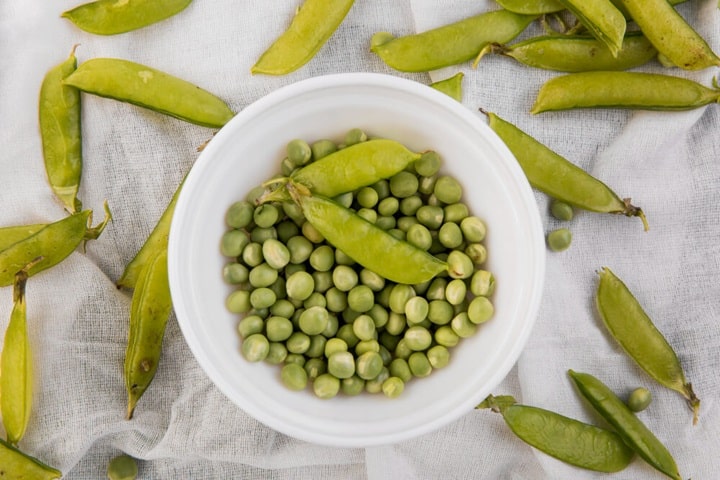
Before sowing peas, it’s essential to consider your growing environment. There are two main places peas can be grown in the UK: the garden (outdoors) and the polytunnel. The time you sow peas will vary depending on whether you’re growing them outdoors or under cover, as well as which variety you’re growing.
Peas are relatively easy to grow from seed and can thrive in many UK garden conditions. Here’s a step-by-step guide to sowing and growing peas:
- Prepare the soil/ growing area. Peas prefer well-drained, fertile soil with a neutral to slightly alkaline pH. Incorporate organic matter or compost into the soil before sowing to improve soil structure and nutrient content.
- Prepare the Seeds: Soak your pea seeds overnight before sowing. This helps to speed up germination and can help the plants grow stronger.
- Sow the Seeds: You can either sow peas directly into the ground outdoors or start them indoors in pots or trays. The spacing between seeds is important to ensure healthy growth.
When And How To Sow Pea Seeds Indoors
Starting peas indoors gives you a head start, allowing you to transplant them outside once the weather warms up. Indoor sowing is ideal for early varieties and for sowing in the colder months of the year.
- When to Sow: The best time to sow peas indoors in the UK is around February to March for early harvests. If you’re growing peas for a late summer or autumn harvest, sowing in July is a good option.
- How to Sow: Fill small pots or seed trays with good-quality compost. Plant the seeds about 1 inch deep and space them 2-3 inches apart. Place the pots in a cool, well-lit area, such as a windowsill or unheated greenhouse.
- Transplanting: When the seedlings have grown large enough to handle (usually around 4-6 weeks), they can be planted outside once the weather is mild and the soil has warmed. Be sure to harden the plants off gradually by leaving them outside for a few hours each day.
When And How To Sow Peas in a Polytunnel
Growing peas in a polytunnel offers the advantage of a warmer, more controlled environment that extends the growing season and protects the plants from harsh weather conditions due to its polythene cover.
- When to Sow: The best time to sow peas in a polytunnel is in early spring (March to early April), as the polytunnel provides warmth and protection from late frosts. For later harvests, you can also sow peas in September to October for overwintering crops.
- How to Sow: Follow the same sowing method as you would for sowing outdoors, but ensure that the soil in the polytunnel is well-drained and warm. You can sow peas directly into the soil or in containers inside the polytunnel.
When And How To Sow Peas Outdoors
Peas can be directly sown outdoors, and the timing depends on the weather and the type of pea you’re planting.
- When to Sow: For early varieties, sow peas outdoors in late winter to early spring (March or early April), as long as the soil is not too wet or frozen. Later varieties can be sown in late spring or early summer (May to June).
- How to Sow: Use a hoe or rake to create shallow drills (lines) in the soil. Space each seed about 2 inches apart, and cover lightly with soil. After sowing, water the area well to ensure the seeds germinate.
Sowing Outdoors In Containers
If you have limited space or want to ensure your peas grow in good soil conditions, consider sowing them in containers. This method is ideal for smaller gardens, balconies, or patios.
- When to Sow: As with outdoor sowing in the ground, sow peas in early spring once the soil is warm enough.
- How to Sow: Choose a container that is at least 25-30cm deep. Fill it with well-drained, fertile compost, and sow the seeds as you would in the ground, ensuring good spacing between each seed.
Sowing For Pea Shoots
Pea shoots are a popular delicacy and can be grown quickly for a fresh and nutritious garnish.
- When to Sow: For pea shoots, sow the seeds indoors or in a sheltered outdoor spot in late winter or early spring.
- How to Sow: Place the seeds densely on a shallow tray of compost, ensuring the seeds are not buried too deeply. Mist regularly to keep the soil moist. Within 3-4 weeks, you’ll have tender pea shoots ready for harvest.
How To Plant Out Peas
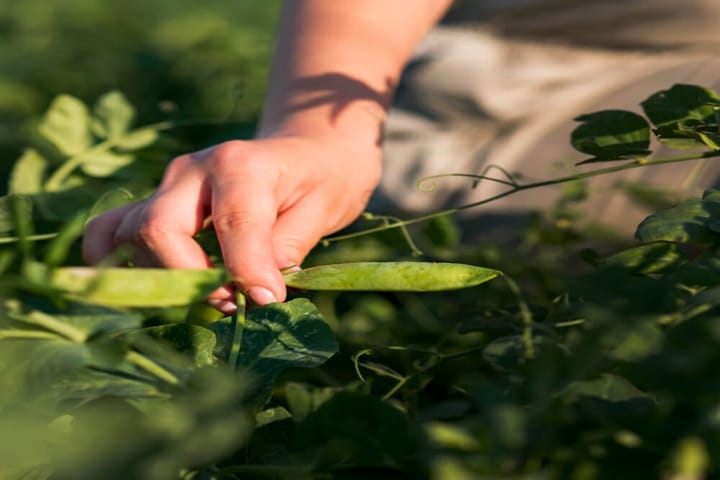
Once your peas are ready to be planted out, follow these tips for success:
- Spacing: Space pea plants 4-6 inches apart to allow room for growth. Rows should be 18-24 inches apart for easy access and airflow.
- Support: Most pea varieties, especially those that grow tall, require some form of support. This could be a trellis, wire mesh, natural twiggy branches, or bamboo canes, to give some common examples.
- Watering and Care: Peas require regular watering, especially during dry periods. However, avoid waterlogging, as peas are prone to root rot in soggy soil. A polytunnel irrigation system may be beneficial.
Growing peas in your UK garden or polytunnel can be a rewarding experience. By selecting the right varieties, knowing when to sow peas, and caring for your plants throughout the season, you’ll be able to enjoy fresh, homegrown peas all year round.
Learn other insightful tips about growing peas with these guides:
FAQs
u003cstrongu003eWhen is the best time to sow peas in a polytunnel?u003c/strongu003e
The best time to sow peas in a polytunnel is typically in early spring (March to April). The polytunnel creates a warm environment, which helps peas grow faster and extend the harvest season. You can also succession sow peas into the summer months and beyond…
u003cstrongu003eWhat spacing is needed for pea plants in a polytunnel?u003c/strongu003e
For peas in a polytunnel, space plants about u003cstrongu003e10-15cm apartu003c/strongu003e, and rows or double rows should be around u003cstrongu003e45-60cm apartu003c/strongu003e. This allows for healthy growth, good airflow, and easier harvesting.
u003cstrongu003eWhat are the benefits of growing peas in a polytunnel? u003c/strongu003e
Growing peas in a polytunnel provides several benefits:u003cbru003eExtended growing season: The warm, protected environment of a polytunnel allows you to sow earlier and harvest later.u003cbru003eProtection from pests and bad weather: Peas are shielded from extreme weather conditions and pests, leading to healthier plants and higher yields.u003cbru003eBetter growth: The consistent temperatures and humidity inside a polytunnel promote strong, healthy plants.
Sources
BBC Good Food. (2020) Pea recipes. [online] Available at: https://www.bbcgoodfood.com/recipes/collection/pea-recipes [accessed 09/01/2025]