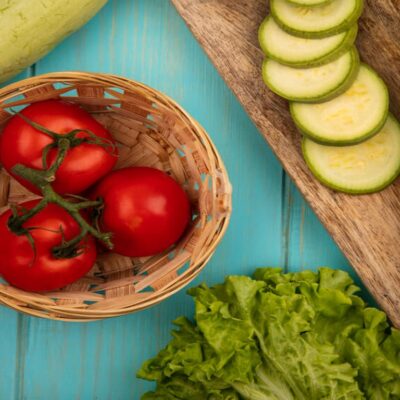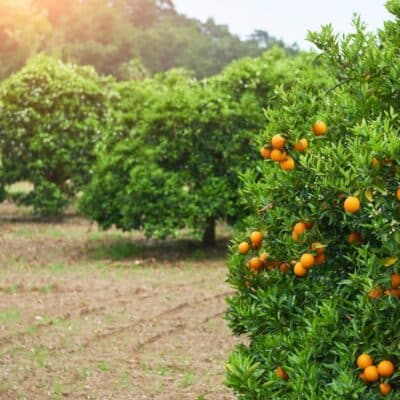


A plastic polytunnel might not seem like the most obviously environmentally-friendly purchase. But adding a polytunnel in your garden can allow you to dramatically increase the amount of food you can grow at home. And that can have huge environmental benefits.
In this article, we’ll take a more in-depth look at some of the environmental benefits that growing your own in a domestic polytunnel can bring. We’ll help you see how investing in one of these useful structures really can make a big difference to how eco-friendly and sustainable your life can be.
Growing Your Own Brings Many Environmental Benefits
Polytunnel growing brings benefits for your own health and the health of your family, through making sure you have access to fresh, wholesome, organic food year-round. It can also save you money and help you feel more secure in broader financial terms. But the focus of this article are the environmental benefits. We’ll focus on five main areas. And show how a domestic polytunnel can help you:
-
Reduce your reliance on damaging agricultural systems.
-
Cut food miles.
-
Lower plastic waste by reducing the amount of packaged food you buy.
-
Protect and improve the soil.
-
Boost biodiversity and protect wildlife.
Of course, you can grow your own without relying on a polytunnel at all. But in most of the UK, you won’t be able to grow much food over the winter months. Investing in a polytunnel makes it easier to make gardening a year-round pursuit. When you have a polytunnel, you are definitely not restricted to growing only over the summer months. Of course, it can also make gardening easier and more comfortable for you as the gardener. So you are more likely to stay the course and achieve excellent results.
Now, let’s look at the different environmental benefits in a little more depth:
Reducing Your Reliance on Damaging Agriculture
Modern day agriculture has a lot to answer for.
Carbon Emissions
In total, food production accounts for around 26% of global greenhouse gas emissions. Agricultural crop production accounts for around 27% of food emissions and land use associated with food production for another 24%.
Not counted in the totals for emissions from agriculture are those emitted in the industrial sector in the manufacture of artificial fertilizers:
Almost 45% of the CO2 emissions from industry are the result of the manufacture of just four products: cement, steel, ammonia and ethylene. These industries account for 3 Gton CO2, 2.9 Gton C02, 0.5 Gton CO2 and 0.2 Gton CO2 respectively. Ammonia, largely used for agricultural fertilization, it therefore a major contributor to carbon emissions that contributes extensively to our climate crisis.
And carbon emissions are just part of the picture. Mass, mono-crop agriculture and factory farming also cause a huge range of other environmental problems.
Soil Damage
Non-organic, intensive, tilling, mono-crop farming practices damage the precious soil ecosystem on which food production depends. Soil contains a complex food web essential to the natural cycles that drive life on earth. By disrupting the soil ecosystem through tilling, mono-crop agriculture, and through the addition of pesticides and herbicides, we risk damaging and even losing this precious resource.
Fresh Water Misuse
Non-organic farming also uses vast quantities of fresh water each year. Agriculture accounts for, on average, 70 percent of all water withdrawals globally, and an even higher share of “consumptive water use” due to the evapotranspiration requirements of crops. Nitrate leaching is a problem. Pesticides and herbicides used in non-organic farming also end up in waterways. So water pollution is also a major concern.
Of course, by increasing pollution levels in air, soil and water, non-organic, intensive farming impacts on wildlife in a range of profoundly negative ways.
We can limit our reliance on these damaging systems by choosing to buy organic produce, and seeking out sustainable producers wherever we can. But making sustainable food choices can be expensive. So better yet is to take matters into your own hands and grow at least some of the food you need at home. The more you can do to reduce your reliance on damaging systems, the more sustainable you can be. A polytunnel can help you in this goal.
The Environmental Benefits of Local and Seasonal Eating
When we choose local, sustainable produce, we can cut food miles and lower our carbon footprints. Food often travels a long way to reach our plates. And of course the transportation results in carbon emissions. When we grow our own, we not only get more in touch with seasonality, and avoid produce from overseas. We and the planet also benefit from the elimination of food miles. When you grow your own, you won’t even have the emissions associated with heading to the shops.
Fewer lorries, vans and cars on the road doesn’t just cut carbon emissions. It can also help to improve air quality. So you’re decision to grow your own food in a polytunnel indirectly means cleaner air for your community, and for other people.
The Environmental Benefits of Reducing Plastic Waste
Another major crisis in the environmental sphere is that of plastic waste. It may seem counterintuitive to buy a plastic polytunnel to counteract the plastic waste problem. But a polytunnel is plastic that will remain in use for years, and can be recycled at the end of its life. And during its life, it can make it much easier for you to avoid a range of disposable, single use plastic products.
By growing your own food, you can reduce the amount of food that you need to buy. And the savings won’t just be financial. Growing you own means that you won’t have to buy as much food in plastic packaging. And you can grow other things in your polytunnel too. By growing your own cleaning and beauty products, for example, you can eliminate a lot of plastic bottles and containers. So you can reduce plastic waste.
Plastic is a pernicious problem that sticks around. Plastic waste is now found in every ecosystem on earth – and even in the human body. It causes immense harm to wildlife, destroys ecosystems, and may have a detrimental effect on our health too. So the more single use, unnecessarily plastic we can eliminate from our lives the better.
The Environmental Benefits of Protecting and Improving the Soil
When you grow your own, you have a much greater level of control. You are in charge, and can determine how the food is grown. This means that you can choose to grow food in a much more sustainable and eco-friendly way. You can avoid soil degradation and instead, protect and improve the soil in your growing areas.
You can garden organically, of course. And avoid the use of pesticides, herbicides and other harmful products. You can also implement no dig gardening practices, so the soil remains as healthy as possible and soil organisms are left undisturbed to do their jobs.
The Environmental Benefits of Biodiversity
As an organic polytunnel gardener, you can also help to boost biodiversity. By attracting a wide range of beneficial wildlife to your garden, you can increase yield. You can make it easier to keep the ecosystem healthy and in balance. And you can reap the benefits that biodiversity can bring.
But encouraging wildlife also helps to protect species, and has knock on effects for the resilience and health of the wider ecosystems in your area. By safeguarding and boosting biodiversity, you are not only helping locally, but also on a much wider environmental scale – playing a role in safeguarding our planet, and the future of humanity.
The environmental benefits of a domestic polytunnel are clear to see. Share your tips for environmental best practice for polytunnel gardeners in the comments below.