

‘Dynamic accumulators ‘is a term that you might have heard a lot if you are interested in permaculture and sustainable gardening techniques. Unfortunately, this is a word often used imprecisely, and without a clear understanding about what we do know, and what we do not yet understand, about plants.
Defining ‘Dynamic Accumulator’
When people talk about dynamic accumulators, that are typically talking about plants that are particularly good at drawing certain nutrients from the soil and collecting these nutrients in their plant tissues.
The idea is that these plants gather particular nutrients into their plant tissues (fairly well confirmed) which we are then able to return to the soil for the benefit of other plants (less well confirmed).
Until fairly recently, many of the claims that were made were on the whole only backed up by anecdotal evidence and informal research.
While these things certainly have some value, there was certainly a need for more rigorous application of the term, and for more rigorous scientific method with regard to the use of dynamic accumulator plants.
When we say that plants are ‘good’ at accumulating certain nutrients, for example, we must ask ourselves – to what degree? What thresholds can be established to determine whether a particular plant is a ‘dynamic accumulator’ or not.
We can begin to think about this more by looking at a far more well-established area of study – the hyperaccumulation of heavy metals by hyperaccumulator plants.
This has been studied fairly extensively for over 40 years. And while this study looks at the accumulation of heavy metals and not the accumulation of beneficial nutrients, the processes involved are the same.
Thresholds to determine whether or not a plant is a hyperaccumulator are fairly well established. So we can look at this in order to determine thresholds that we might set for dynamic accumulators too.
A recent study into dynamic accumulators in New York state set out clear criteria for the identification of dynamic accumulator plants – setting concentration averages across 20 beneficial nutrients at roughly 200% the average – which is consistent with thresholds that have been set for hyperaccumulators in the past.
Looking at peer reviewed nutrient concentration data for thousands of plant species, 340 species were identified that achieved nutrient concentrations high enough to qualify as dynamic accumulators.
Using this same framework and the same thresholds, further research can now be undertaken as more plant data becomes available and potentially, more dynamic accumulators can be identified over time.
Learning More About Dynamic Accumulators
Of course, identifying which plants we might actually name as dynamic accumulators is just part of the puzzle. To confirm or disconfirm commonly held beliefs about where these can be useful and how they might be used in gardens or on farms, we need to study these plants and their uses in more rigorous and scientific ways.
The study which sought to define the term more clearly, and identify dynamic accumulator plants then went on to undertake field trials, using six species from the database that was created on Unadilla Community Farm. The full report on their field trials can be found here.
Of course, this is just one study, and far more future research is still required. But this is a positive step forward in testing hypotheses about dynamic accumulator plants and testing their real-world applications.
Key findings of this particular study were interesting.
- First of all, this study showed that plant tissue nutrient concentrations are tied to nutrient concentrations in the soil. Of course, plants cannot create nutrition that is not there, so dynamic accumulators should only be viewed as one part of a broader network of strategies used to maintain nutrients within a system.
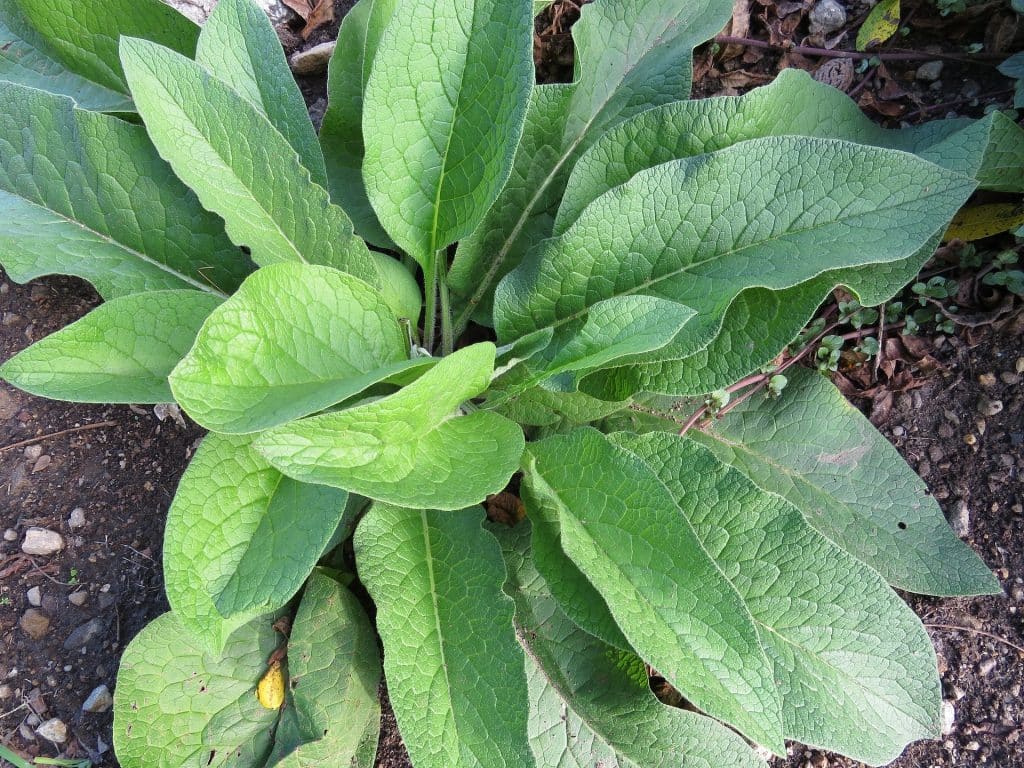
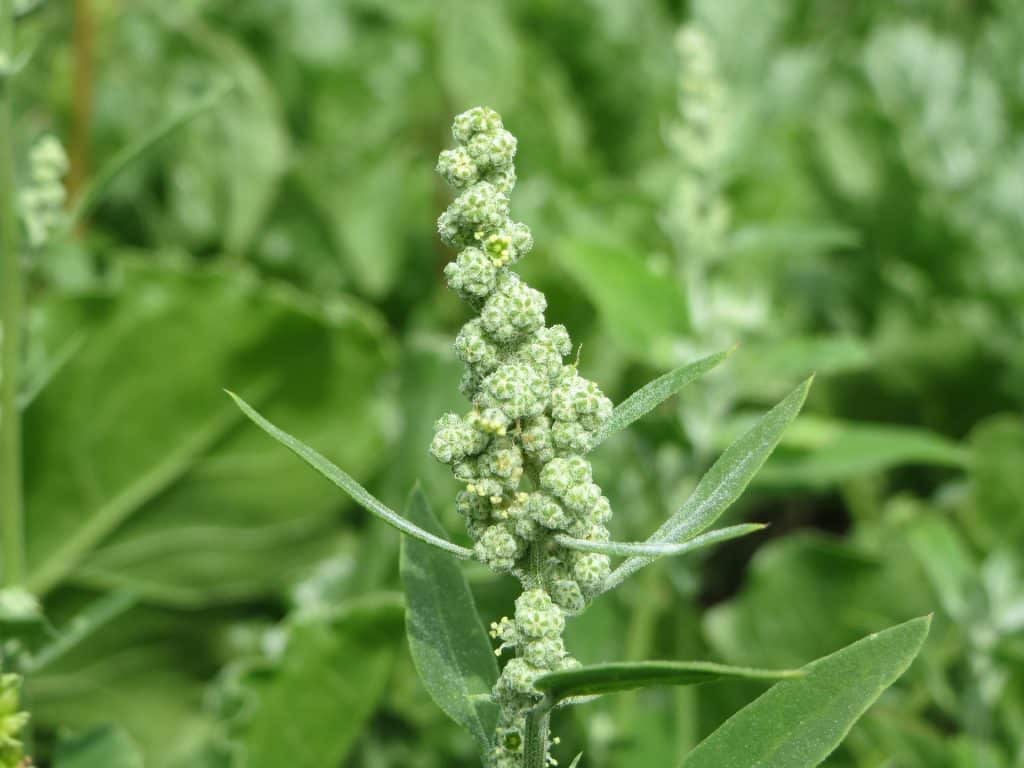
- However, even when grown in poor, unamended soil, comfrey surpassed dynamic accumulator thresholds for both potassium and silicon. And lambsquarters were also shown to be a dynamic accumulator of potassium.
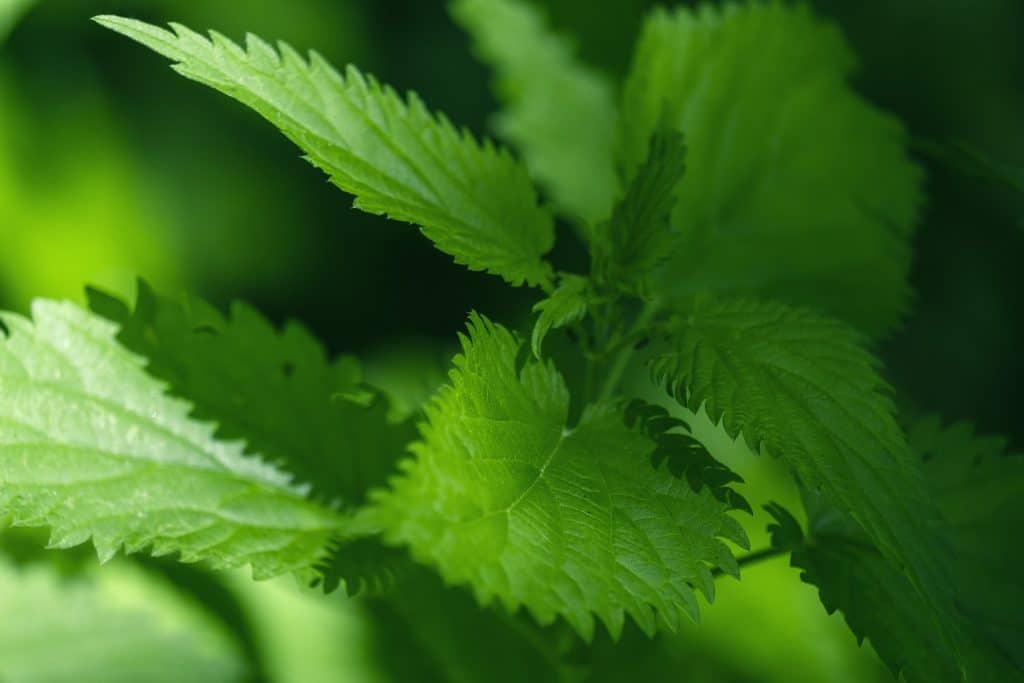
- Stinging nettles were also identified as a significant accumulator of calcium. And were also shown to have a high nutrient carry-over rate when used for mulches and liquid fertilizers.
How to Use Dynamic Accumulators
From this study, and from other information gathered in this fledgling field of research, we can begin to see more clearly how and where we might use dynamic accumulators and take advantage of their properties in our gardens.
As science progresses, it will help us understand the mechanisms behind some common permaculture practices. It will help us see where anecdote and informal experimentation have served us well and put us on the right track, and where beliefs are not as well-founded.
Understanding that we do not yet know enough about dynamic accumulators nor the mechanisms of nutrient movement in plants and soil to confirm that all our practices will be beneficial, we can still take a trial and error approach and determine what works for us in our own particular gardens, and what does not.
And recent studies should give us some hope that dynamic accumulators can be successfully used to allow us to create sustainable, closed-loop systems in our gardens.
In permaculture gardens, dynamic accumulator plants are used:
- As mulch, in ‘chop and drop’ systems within food producing growing schemes.
- To add nutrients to and potentially speed up decomposition in a composting system.
- To make liquid, organic plant feeds for our crops and other plants.
Using Dynamic Accumulator Plants as Mulch
It is fairly clearly established that certain plants can indeed accumulate certain nutrients to a greater degree. What remains less clear is to what degree (and how quickly) those nutrients can be released and made available within the soil for other plants growing at the same time, or afterwards in the same area.
Still, many advocate the use of these plants within ‘chop and drop’ systems.
They may be laid as a mulch in the area where they grow, with the aim of shortcutting natural cycles and retaining nutrients within the system.
They might also be transferred to a different growing area, with the goal of adding nutrients and protecting the soil. Often, dynamic accumulators are grown in marginal areas and cut for use within annual growing areas elsewhere in the space.
The thing to remember is that while we do not yet understand fully how beneficial this practice might be in terms of nutrients, we do know that the process and chopping and dropping certain plants and using these as mulch can bring a number of known benefits.
We know that this can help to increase soil carbon, improve the structure of the soil, protect the soil from erosion, conserve moisture within the soil and suppress weed growth. So it can be difficult to isolate one benefit from others when trying to determine who what we are doing is working to enhance the system as a whole. Many of us simply observe that it does seem to do so.
Using Dynamic Accumulators in a Composting System
Dynamic accumulators might also be useful within a composting system. They are often added with the goal of improving the NPK balance of the mix, speeding decomposition, or addressing certain deficiencies in pot plant mixes, for example.
Details of decomposition and nutrient release and availability is a complex area, into which more research is certainly required. But it is the case that a number of plants commonly thought of as dynamic accumulators in permaculture systems are quick growing plants. They can produce large amounts of vegetation quickly, which can be very useful in any case for compost creation.
Using Dynamic Accumulators to Make Liquid, Organic Plant Feeds
Another well-known practice is to use dynamic accumulator plants to develop organic liquid plant feeds that are rich in certain nutrients, which can then be used in watering other plants or crops to improve their growth and your yields.
The above study showed high nutrient carry-over with stinging nettles when these were used as a mulch or liquid feed, which is interesting because it confirms what I and others have found to be the beneficial in our own gardens.
So, we cannot fully understand just yet all the details of dynamic accumulation, and should always treat such practices as experimentation. But it is a great idea to think about this subject, and to consider how we might use specific plants that grow well where we live to ensure ongoing fertility in our gardens.