


Cloches are small protective covers placed over plants to create a warmer, more stable growing environment. When using cloches inside a polytunnel, they provide an extra layer of protection that can make early spring sowing far more reliable.
In my own growing spaces, using cloches inside protected structures has allowed me to sow earlier, protect delicate seedlings, and extend the productive season at both ends of the year, extending and enhancing the benefits already afforded to a degree by the polytunnel itself.
Used well, cloches help raise temperatures, shield young plants from cold stress, and protect crops from pests and harsh weather. They effectively create a microclimate inside an already sheltered space.
Key Takeaways
- Cloches create a microclimate inside an already protected polytunnel
- Ideal for early spring sowing and overwintered crops
- Help protect young plants from cold snaps and pests
- Choice of cloche affects ventilation and ease of use
- Best results come from monitoring temperature and moisture
If you are just starting out with protected growing, exploring different sizes and structures is helpful. Many growers begin with small polytunnels because they are manageable, cost effective, and ideal for learning seasonal growing rhythms.
What Is a Cloche?
A cloche is a protective cover placed over plants or soil to trap warmth and protect crops from weather and pests. Traditionally, cloches were glass bell jars placed over individual plants. Today, cloches are made from glass, plastic, fleece, or rigid transparent materials and come in many shapes and sizes.
Cloches work by:
- Trapping heat from sunlight
- Reducing wind exposure
- Maintaining a more stable microclimate around plants
A cloche can raise temperatures around plants by several degrees compared to uncovered soil, helping seeds germinate faster and protecting young growth from cold stress.
Historically, cloches were essential tools for market gardeners trying to bring crops to harvest earlier. Modern materials have made them lighter, easier to use, and more flexible in different growing systems.
Tip: You don’t necessarily need to buy cloches. You can make your own using everyday recycled materials. Clear plastic bottles with the bottoms removed can be placed over individual seedlings, while clear storage boxes can be turned upside down to protect small trays of young plants. Simple wire hoops covered with clear plastic or horticultural fleece can create row cloches.
Homemade options work especially well for short-term protection during cold snaps or for hardening off young plants in early spring.
Using Cloches Inside a Polytunnel?
Many people assume a polytunnel alone provides enough protection in early spring. In reality, spring weather can still be unpredictable, even inside covered growing spaces.
A polytunnel significantly improves growing conditions, but it cannot completely remove the impact of sudden temperature changes, especially during late winter and early spring when daylight hours are still short and night temperatures can drop quickly.
Inside a polytunnel in early spring, you may still experience:
- Cold nights
- Sudden cold snaps
- Large temperature swings between day and night
- Chilling winds entering through doors or vents
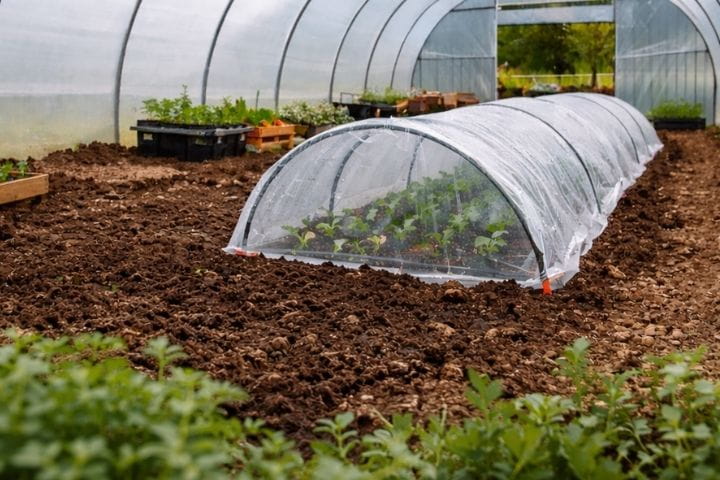
Using cloches inside a tunnel creates layered protection. Instead of relying on one barrier between plants and the outside climate, you create a second protective layer that traps additional warmth around seedlings and young plants. This extra buffer can make a noticeable difference to plant health and growth speed.
In practice, cloches help hold warmth in the soil and around the plant canopy overnight. During sunny days, they capture solar heat, which then releases slowly as temperatures fall.
This helps prevent the sudden temperature drops that can shock young plants or slow early root development. Even a small increase in temperature can improve germination rates and help seedlings establish faster.
From my experience, the biggest benefit appears during unpredictable early spring weeks. This is often when growers feel most confident because daylight is increasing, yet conditions can still change quickly.
Without cloches, seedlings can stall, turn purple from cold stress, or suffer minor frost damage that sets growth back by weeks. With cloches in place, growth tends to continue more steadily, even when outside conditions fluctuate.
Cloches also create a more stable microclimate with slightly higher humidity, which can reduce moisture stress on very young plants.
When managed carefully with good ventilation, this can help plants establish strong root systems and healthy early leaf growth, setting them up for stronger performance later in the season.
Advantages of Using Cloches
Raising Temperatures
Cloches help warm both soil and air around plants. This is especially important for early sowing.
Warmer soil improves:
- Germination speed
- Root development
- Nutrient uptake
Tender crops such as early salads, carrots, beetroot, and herbs all benefit from this extra warmth. Even hardy crops often establish faster under cloches.
Weather Protection
Cloches provide protection from:
- Late frosts
- Cold winds
- Heavy rain splash (if tunnel sides are open)
They help stabilise conditions inside the tunnel and reduce stress on young plants.
I have often found that seedlings under cloches recover faster from cold nights than those left exposed, even inside protected growing areas.
Pest and Disease Protection
Cloches act as a physical barrier against:
- Slugs
- Snails
- Some insect pests
They can also reduce soil splash, which helps prevent some fungal diseases.
Ventilation remains important. Too little airflow can increase fungal risk, so cloches should be opened during warm days.
Overwintering and Ripening Crops at Season’s End
Cloches are not only useful in spring.
They can help:
- Protect overwintered crops during cold spells
- Extend harvest windows in autumn
- Help late crops ripen before winter
In seasonal transitions, I often move cloches between crops to maximise protection where it is most needed.
Disadvantages of Using Cloches
Humidity and Watering Challenges
Cloches trap moisture as well as heat.
This can lead to:
- High humidity
- Condensation dripping onto plants
- Increased fungal disease risk
Signs plants are too damp include soft growth, mould on soil surface, or persistent condensation.
Regular ventilation is essential. Watering usually needs to be reduced compared to uncovered crops.
Encouraging Weeds
Warm, protected soil benefits weeds too.
Good practice includes:
- Checking regularly
- Removing weeds early
- Preparing soil carefully before covering
Pollination Problems
Cloches can block access for pollinating insects.
They should be:
- Removed
- Opened during the day
- Fully removed once flowering begins
This is especially important for fruiting crops.
Winter Protection with Cloches
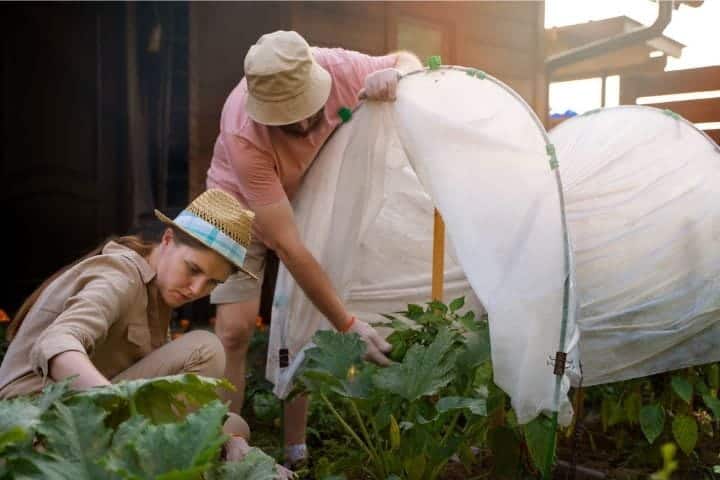
Even inside tunnels, winter cold can damage crops.
Cloches help during:
- Cold snaps
- Frost events inside tunnels
- Extended cold cloudy periods
Crops that benefit include winter salads, overwintered onions, and hardy herbs.
In my own tunnels, I often use cloches selectively rather than covering everything. Protecting only the most vulnerable crops saves time and reduces humidity buildup.
Product Choice – Types of Cloches
Bell Cloches
Bell cloches are dome shaped and designed for individual plants.
Best for:
- Seedlings
- Individual tender plants
- Early transplant protection
Pros:
- Easy to move
- Simple to monitor plants
Cons:
- Limited space
- Not suitable for rows
Tunnel Cloches
Tunnel cloches protect rows of crops.
Best for:
- Direct sown crops
- Salad rows
- Early root crops
They often allow better airflow when vented correctly.
Continuous Glass Cloches
These are traditional and visually attractive.
Useful for:
- Permanent beds
- Long term protection
Downsides include weight, handling difficulty, and cost.
How to Use Cloches Effectively
Good timing and regular monitoring are key to getting the best results from cloches inside a polytunnel. While cloches are simple tools, using them well requires paying attention to daily weather patterns, plant growth, and moisture levels. The goal is to create a stable, protected environment without allowing conditions to become too warm or too humid.
In most cases, cloches are placed over crops immediately after sowing seeds or planting young seedlings. This allows plants to benefit from extra warmth from the very beginning, which can improve germination speed and early root development.
Once cloches are in place, it is important to check temperatures inside the polytunnel and under the cloches each day. Even in early spring, sunny days can cause temperatures to rise quickly in enclosed spaces.
Ventilation becomes essential as soon as daytime temperatures begin to increase. Opening or lifting cloches slightly during warmer parts of the day allows fresh air to circulate and helps prevent excess humidity building around plants.
As outside conditions become more stable through mid and late spring, cloches can be removed gradually rather than all at once. This helps plants adjust slowly to changing temperatures and airflow.
There are several signs that indicate cloches need to be opened. Heavy condensation inside the cloche usually signals that humidity is too high. If plants begin touching the sides or roof of the cloche, airflow becomes restricted and disease risk can increase.
Cloches should also be opened or removed when daytime temperatures rise significantly, as overheating can damage young plants just as easily as cold conditions.
If you want guidance on crop timing and sowing schedules, explore the polytunnel crop growing guides which help match crop choice to seasonal conditions.
How to Make a DIY Cloche
DIY cloches can work very well, especially for beginners.
Simple options include:
- Plastic bottles with bottoms removed
- Recycled clear containers
- Wire hoops with clear plastic covers
Safety tips:
- Secure against wind
- Avoid sharp edges
- Ensure ventilation holes exist
DIY cloches are ideal for short term protection. For larger areas or long term use, purpose made cloches are usually more practical.
Choosing the Right Setup for Your Polytunnel
Consider:
- Crop type
- Time of year
- Available space
- Ventilation options
Cloches work well with raised beds, ground sowing, and container growing.
From experience, starting small and expanding works best. Learn how your tunnel behaves across seasons before committing to large cloche systems.
For crop timing help, the spring vegetable growing guide is a useful reference for planning early sowing.
Sources
Royal Horticultural Society (2024) Protecting plants with cloches. Available at: https://www.rhs.org.uk/prevention-protection/cloches (Accessed 18 February 2026)