

Bored of growing potatoes, peas, lettuce, tomatoes and carrots? Polytunnel gardeners can often get stuck in a rut. But it is important to remember that there are far more vegetables out there than just the same old basics. If you fancy trying something a little bit different, why not consider growing some more unusual vegetables in your polytunnel?
Why Grow Unusual Vegetables?
Growing unusual vegetables rather than just the same old boring annuals can be a wonderful idea. It can:
- Increase biodiversity, so it will matter less if one crop does not go according to plan.
- Make for better diversity, to reduce problems with pests and disease.
- Broaden your horizons and expand your home grown diet.
- Let you learn more and stretch your gardening abilities.
- Simply make life more interesting and fun.
There are plenty of more unusual vegetables that you might not have heard of. There are also plenty unusual varieties of more familiar crops to try.
Unusual Vegetables You Might Not Have Heard Of
To inspire you to delve a little deeper and try something different in your polytunnel, here are ten unusual vegetables that you might like to try:
Kohlrabi
These funny brassicas, in the same family as cabbages and broccoli, look like little purple or green aliens. They are common in some countries and surprisingly little known in others. They taste like broccoli stem when cooked and when raw can have an almost apple-like taste and texture. Even if you have heard of kohlrabi, you may not know that it can be grated, raw, and is delicious in a salad or coleslaw. These are very easy to grow.
Romanesco
This is a sort of cauliflower variant and yet it stands apart because of its beautiful fractal appearance. Its looks are the main draw but it is also very tasty. It is like a cross between broccoli and cauliflower and though it can be quick to bolt, is said to be slightly easier to grow than other sorts of cauliflower.
Broccoli Raab/ Rapini
Broccoli raab, also known as rapini, is related to turnips, but grown in the same way as broccoli, and produces sprouts that taste like a slightly spicy sprouting broccoli. It is a great plant to consider sowing in the autumn for overwintering.
Celeriac
Celeriac is well known in some European countries but surprisingly little known in other parts of the world. You might be surprised by the number of people living in the UK who have never heard of it. This ugly mug of the root vegetable world is pretty versatile, great in soup or in a mash. It has a mild taste a little bit like nutty celery – but it tastes far nicer in dishes than that makes it sound. It is fairly easy to grow too, which is a big plus for home growers. Do not be put off by the celeriac’s unpleasant exterior.
Good King Henry
A perennial vegetable, Good King Henry was once widely eaten in Europe but is now all to often looked at as a common weed. On the contrary, this ‘common’ weed is one of the delicious, leafy greens that you can grow through the winter. It may die down a little in the winter but it will pop right back up in the spring and with protection can last through the coldest weather.Sow in spring or plant mature plants all year round.
Mizuna
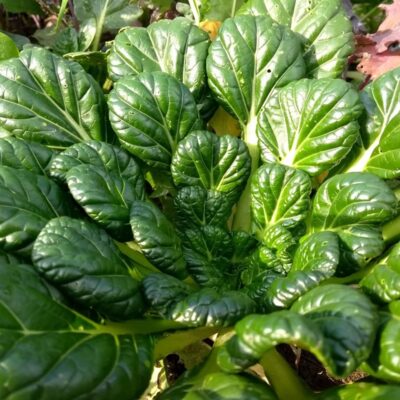
One of the spicy leaves, these sure can pep up a winter salad and they are hardy enough to stand outside unless it gets really, really cold where you live. Mizuna and our next pick, mibuna, go hand in hand and are great sown together in a winter vegetable patch.Again, this vegetable can be sown and harvested throughout the year.
Mibuna
Mibuna is another flavoursome leaf that will be great in a mixed winter salad. All of these leaves can also be turned into a pesto or wilted like spinach for use in a great number of different recipes. A warming curry, for example, or a peppery winter stew.Sow in spring and early autumn for year round cropping and eating.
Yacon Root
These south American tubers are in the Daisy family. They have edible leaves that are used in a culinary setting in much the same way as cabbage leaves in Germany or vine leaves in Greece – to wrap around other ingredients. It has been widely eaten in South America for hundreds of years but is little known in many other places. What is more, it is great for home growers as it grows easily. It is also delicious to eat – naturally sweet, a bit like celery and a bit like apples. It is usually eaten like a fruit. They keep their crunch even when cooked. They are not hardy but if you have the patience to overwinter the crown inside your polytunnel then these could be worth trying.
Salsify
This root vegetable was once a kitchen garden staple but has fallen somewhat out of favour in more recent years. It is a member of the dandelion family and its root is similar in appearance to a long, thin parsnip with creamy white flesh. It can be eaten boiled or mashed, or in soups and stews and is said to have a somewhat oyster-like taste when cooked.
Pignuts
Pignuts or groundnuts as they are sometimes called are small, perennial plants which create chestnut like bulbs at the end of long filaments and have long been a popular item for foragers. These are not currently often cultivated and are slow and fiddly but if you are a keen gardener, breeding them for swifter growth and larger size would be a great boon to science.
Unusual Vegetables (New Varieties of Familiar Plants To Try)
But even if you stick to the traditional potatoes, beans, peas, carrots etc., life does not have to be boring. There are plenty of more unusual varieties that you could consider. For example, why not consider growing some purple-fleshed potatoes, such as Purple Majesty.
Or some yellow, white or purple carrots?
Interesting carrot varieties to try include:
- ‘Purple haze’
- ‘Yellowstone’
- ‘Red samurai’
- ‘Belgium white’
- ‘Purple dragon’
- ‘Solar yellow’
- ‘White satin’
You can also buy mixes that include a range of heritage varieties of different colours.
Suss out the options for more unusual beans or peas, with different coloured pods and different growth habits. For example, you could consider:
- Purple Queen French beans (with dark purple pods).
- Carminat French beans (purple pods)
- Monte Gusto French beans (with yellow pods)
- Blauwschokker peas (with purple flowers and purple pods).
- Shiraz peas (with bi-coloured flowers and purple pods).
- Spring Blush mangetout peas (with pink and purple flowers and rose blushed green pods).
There is also plenty of variety when it comes to tomatoes. (Yes, these are technically a fruit!) Large and small, in all shapes and sizes, you can find a staggering array of more unusual tomatoes to try. From super huge beefsteak tomatoes to the tiniest, sweetest cherry tomatoes, heritage varieties can offer far more variety than you may ever have imagined. Varieties can be unusual both in colour and taste.
Choosing heritage varieties of your favourite polytunnel crops can be more than just a novelty. Choosing unusual vegetables to try can also make you part of preserving these for future generations. Save seed, and you might even come up with something brand new.
Unusual Perennial Vegetables
Finally, in addition to growing some interesting vegetables or unusual vegetable varieties listed above, you could also consider growing perennial alternatives to some common crops. For example:
- Instead of growing annual broccoli or other brassicas, consider growing perennial alternatives like Nine-Star Perennial Broccoli or Everlasting Cabbage (Ewiger Kohl) instead.
- Rather than growing onions from sets each year, consider switching to perennial alliums – such as bunching onions, Welsh onions, or Babington’s leeks.
Growing perennial vegetables in your polytunnel could be one interesting way to mix things up a little.
Do you have some favourite unusual vegetables that you like to grow? Which unusual vegetables and unusual varieties would you recommend? Share your suggestions in the comments below.