Keen gardeners will know that composting can be both very simple, and rather complex at one and the same time. Gardeners who want to do their best without overcomplicating things can consider trench composting – one of the simplest ways to get organic matter to decompose.
In this guide, we’ll talk you through this simple process, explain why it is a good composting option to consider, and make sure you understand some of the essentials to undertake this simple garden job.
KEY TAKEAWAYS
- Trench composting involves burying organic matter in a trench to decompose and enrich the soil with essential nutrients, improving soil structure and water retention.
- This method eliminates the need for compost bins and reduces garden waste, directly benefiting plant growth by adding nutrients to the planting area.
- A balance of “green” (nitrogen-rich) and “brown” (carbon-rich) materials is vital for successful decomposition.
- Trench composting is ideal for improving soil fertility in small spaces or areas where crops like beans and squash are grown.
- Troubleshooting tips include addressing slow decomposition, foul smells, pest problems, trench flooding, and nutrient imbalances, with practical solutions such as adjusting moisture, aeration, and material mix.
- The post-hole digging method, or cathole composting, is great for smaller waste amounts and limited garden space, allowing for quick composting in specific areas.
- For targeted nutrient deficiencies, burying specific organic materials, like coffee grounds for nitrogen or banana peels for potassium, can directly address soil needs.
What is Trench Composting?
Trench composting involves digging a trench in your garden, filling it with organic matter like kitchen scraps, plant residues, and yard waste, and then covering it with soil.
Over time, the organic material decomposes, enriching the soil with essential nutrients, improving its structure, and enhancing its water-holding capacity.
This is a method that can be used for composting year-round, even in winter though unless you hot compost, decomposition will naturally be slower at this time of year.
Best Time To Do Trench Composting
| Jan | Feb | Mar | Apr | May | Jun | Jul | Aug | Sep | Oct | Nov | Dec | |
| To do | ✅ | ✅ | ✅ | ✅ |
Why Compost in this Way?
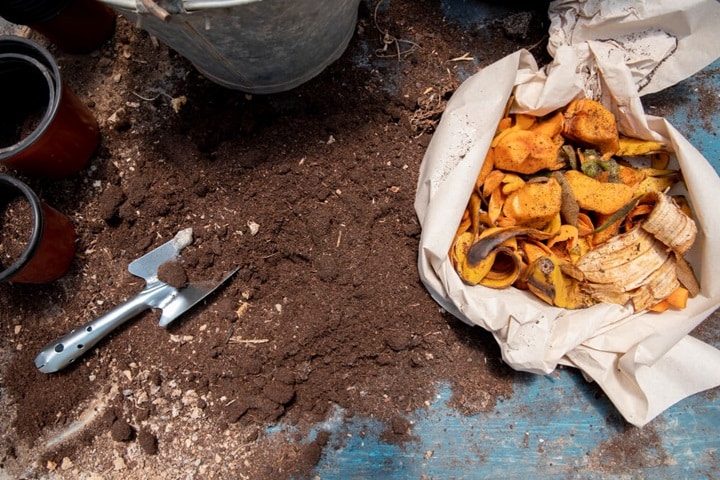
Trench composting provides several benefits over traditional composting methods. By burying organic materials directly in the soil, it reduces the need for compost bins or piles, and the nutrients are added directly to the planting area. It also helps to suppress weeds, improves soil aeration, and reduces the carbon footprint by keeping organic matter out of landfills.
Furthermore, trench composting helps conserve space in your garden and can be done in small areas or alongside rows of plants. It can also be used to prepare planting areas for beans, squash or other plants that like the rich growing conditions.
How to Trench Compost Step-by-Step
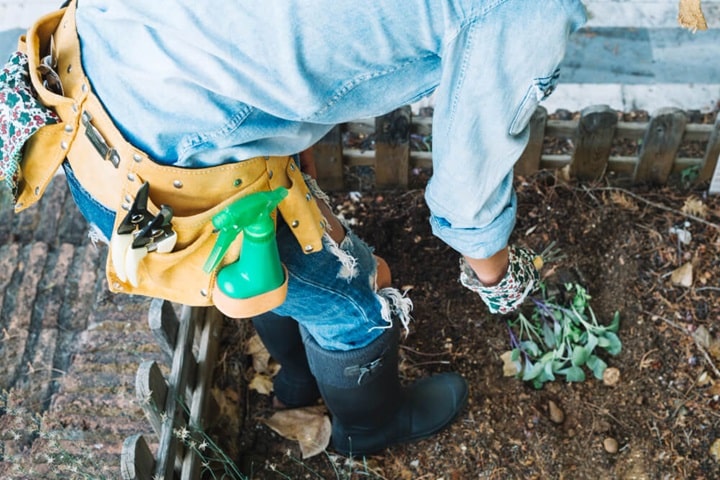
Step One: Select and Gather Materials for Composting
Gather a mix of “green” materials (e.g., fruit and vegetable scraps, grass clippings) and “brown” materials (e.g., dry leaves, straw, cardboard). The balance between greens and browns is important for successful decomposition. You will need:
- Organic food waste
- Spade/shovel
Step Two: Choose a Location for Trench Composting
Choose a spot in your garden where you plan to plant, or where the soil could benefit from added organic material. It’s best to select an area with well-draining soil, ideally in a part of the garden that isn’t frequently disturbed, or where you wish to grow certain crops the following year.
Step Three: Dig the Trench
Dig a trench that is about 30-45 cm deep. The length and width will depend on how much organic waste you want to compost. Avoid digging too close to established plants or tree roots.
Step Four: Layer Green and Brown Materials in Your Trench
Begin by placing a layer of coarse material like small branches or twigs at the bottom of the trench to aid drainage. Then, layer green materials followed by brown materials. Alternate layers to ensure balanced decomposition.
Step Five: Cover the Compost, and Wait
Once the trench is filled, cover it with the soil you removed earlier. Over time, the organic matter will decompose and enrich the soil. The process takes several months, depending on the materials used and the environmental conditions.
Troubleshooting Trench Composting
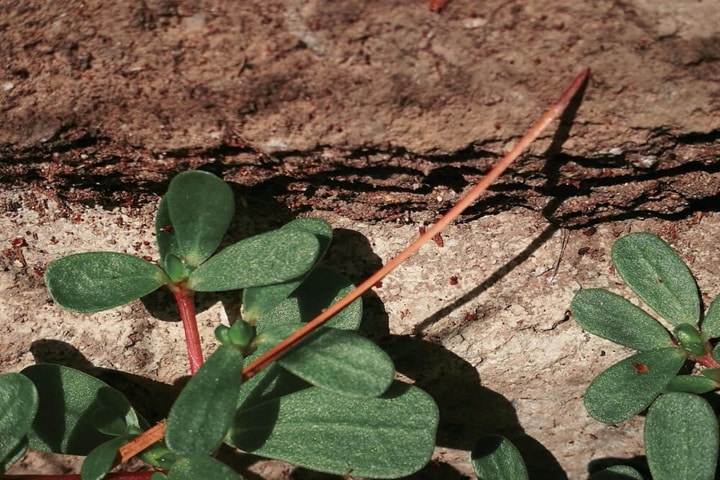
While trench composting is a simple and effective way to improve soil fertility and reduce garden waste, it can sometimes present challenges that gardeners need to address to ensure successful decomposition and a healthy garden. Here are some common issues gardeners may encounter when trench composting, along with tips on how to troubleshoot them:
1. Slow Decomposition
One of the most common issues with trench composting is slow decomposition of the organic material. This can occur for several reasons, including poor moisture levels, incorrect balance of green and brown materials, or unsuitable weather conditions.
To speed up decomposition, ensure that the trench is adequately moist but not waterlogged. Organic matter needs moisture to break down, but excessive water can cause it to become compacted and oxygen-starved, slowing the process. If the trench is too dry, the microbes responsible for decomposition will not function effectively. Regularly check the moisture level and add water when necessary, especially during dry spells.
Make sure you are using a balanced mix of green (nitrogen-rich) and brown (carbon-rich) materials. A proper balance of both is crucial for efficient decomposition. Aim for a ratio of around 1:2 or 1:3 of green to brown materials.
If your trench has too much green material, the composting process may become too “wet,” causing a slimy or smelly pile. On the other hand, too many brown materials can slow decomposition, as they lack the necessary nitrogen for the microbes to break down the matter.
2. Smelly or Foul Odours
If you notice unpleasant odours emanating from your trench compost, it likely means that the composting process is not occurring aerobically, which can happen when there is too much moisture or too little oxygen. This is often referred to as anaerobic decomposition, which produces a foul smell.
To prevent anaerobic conditions, ensure that your trench has sufficient aeration. Avoid compacting the organic materials too tightly, as this will prevent air from circulating through the compost. If the trench is too wet, it can lead to a lack of oxygen, so you may need to add more brown materials (such as leaves or straw) to absorb excess moisture and improve airflow.
Alternatively, you can turn the compost in the trench by lifting some of the materials and creating air pockets. This helps introduce more oxygen into the mix and promotes aerobic decomposition, which is essential for reducing odours.
3. Pest Problems
Another potential issue with trench composting is attracting unwanted pests such as rodents, slugs, and flies. While trench composting is generally less likely to attract pests compared to traditional composting, certain conditions, such as leaving exposed food scraps or not covering the trench properly, can still lead to problems.
To deter pests, make sure that the trench is deep enough (around 30–45 cm) and that the compost is covered well with soil. Bury the organic materials thoroughly to prevent animals from smelling the food and digging into the compost.
If you find that rodents or other pests are still a problem, consider adding a layer of coarse material, such as wood chips or twigs, at the bottom of the trench to discourage digging.
You can also bury food scraps in smaller holes within the trench, which makes it more difficult for pests to access. In some cases, using a physical barrier, such as a mesh cover, can help prevent pest problems.
4. Trench Overflows or Flooding
In areas with heavy rainfall or poor drainage, trenches can sometimes fill with water, which can lead to flooding and impede the decomposition process. This can be especially problematic if you’ve dug a trench in a low-lying area that collects water.
To prevent flooding, avoid digging trenches in areas prone to waterlogging. If drainage is an issue, you may want to dig the trench on higher ground or create a trench on a slight slope to encourage water to drain away.
Consider adding drainage materials like gravel or small rocks to the bottom of the trench to help water move through the compost pile. If flooding occurs despite these precautions, you can try digging a trench in a different location or use the raised bed method to compost the materials above ground.
5. Nutrient Imbalance
If your soil is still not improving after trench composting, it could be due to a lack of the right nutrients. Not all organic materials provide the same types of nutrients, and if you are continually burying the same types of scraps, you may not be supplying your soil with the full spectrum of nutrients needed for healthy plant growth.
For a well-balanced nutrient profile, vary the types of organic material you are burying. Include a mix of plant-based matter such as fruit and vegetable scraps, coffee grounds, grass clippings, and yard trimmings.
Avoid overloading the trench with a single material—such as too many leaves or woody materials—since these can contribute too much carbon or nitrogen, which can disrupt the decomposition balance.
Adding kitchen scraps, such as eggshells or fish-based matter, can provide additional trace minerals to enrich the soil. Over time, rotating trench locations and including a variety of organic materials will ensure that your soil receives a broader range of nutrients.
6. Post Hole Digger or Spot Trenching Method (AKA Cathole Composting)
For smaller quantities of organic waste, gardeners can also use the post hole digger or cathole composting method. This involves digging smaller holes around the garden and placing food scraps or plant matter into the hole before covering it with soil. This is a quicker method for composting small amounts of waste and is perfect for gardeners with limited space or those wanting to add compost to specific areas.
More Ways to Compost Underground
In addition to trench composting, there are other times when we might be composting underground in a garden.
Hugelkultur Method for New Growing Areas
Hugelkultur, for example, sometimes involves burying large pieces of wood and organic matter like branches, leaves, and grass in a trench. This method not only provides long-term nutrients but also helps retain moisture and improves soil aeration, while materials slowly break down over time.
Burying Specific Organic Material to Address Specific Nutrient Deficiencies
If your garden suffers from specific nutrient deficiencies, you can bury organic matter that provides targeted nutrients. For example, burying nitrogen-rich materials like coffee grounds and fresh grass clippings can help address nitrogen deficiencies in the soil, while decomposing wood chips can help improve carbon levels.
Experienced gardeners may also bury egg shells for calcium, banana peel for potassium, or fish heads for phosphorus and other nutrients, to give a few examples.
Trench Composting or Hole Composting in a Polytunnel
Trench composting can also be applied in a polytunnel, especially if space is limited and you want to enrich the soil. The process is similar to outdoor trench composting but with added benefits of controlled conditions.
By composting directly into the ground in a polytunnel, you can improve soil structure and increase fertility, ensuring your plants have the best possible growing conditions.
Be mindful of moisture levels, however, as polytunnels can retain heat and moisture more than outdoor gardens. Make sure there is sufficient water for decomposition to take place.
Learn more with these guides:
- Have you been growing pumpkins in a trench? Try these pumpkin recipe ideas
- Potting soil vs compost – which is best?
- Leaf mould compost – discover the secrets behind this composting method
FAQs
How long does it take for organic matter to decompose in trench composting?
The decomposition process can take several months, depending on the materials used, temperature, moisture, and soil conditions. Generally, it can take 3-6 months for the organic matter to fully break down and enrich the soil.
Where should I dig trenches in my garden?
Trenches should be dug in areas where the soil can benefit from added organic matter, such as areas that need improvement or where you plan to grow plants. Avoid digging near established plant roots and avoid areas that are overly shaded or prone to waterlogging.
How often should I rotate trench composting areas in my garden?
To avoid over-depleting any one area, it’s a good idea to rotate trench composting spots every 1-2 years. This allows the soil to fully recover and ensures that you are evenly distributing the organic material across your garden.
Sources
Hotbin Composting. (2024) What Can I Compost During Winter? [online] Available at: https://hotbincomposting.com/blogs/will-it-compost/what-can-i-compost-during-winter [accessed 14/11/2024]