

Composting is a simple, natural process. Organic materials will break down naturally over time. But understanding how to speed up composting, aiding the process of natural decomposition so it occurs more quickly, is very useful for any organic gardener.
By becoming active parts of the composting process, gardeners can reduce waste and gain a useful soil amendment for their gardens. Home composting is something that anyone can do – and the basics are simple.
But taking the time to understand the processes involved a little better, and taking steps to improve both the speed of compost creation and the quality of the finished product is key to a truly sustainable and eco-friendly garden.
Table of Contents
KEY TAKEAWAYS
- Composting is a natural process that turns organic matter into rich, fertile humus.
- You can speed up composting by ensuring the right balance of materials, proper moisture, and good aeration.
- Temperature, microbial activity, and the carbon-to-nitrogen ratio all affect the speed of decomposition.
- You do not need commercial activators — natural plants like comfrey, nettles, and yarrow can boost microbial action.
- Faster composting also depends on managing particle size, mixing regularly, and maintaining consistent conditions.
- By learning to work with nature’s decomposers, rather than against them, gardeners can make better compost in less time.
How to Compost
Composting is the managed version of what happens naturally on a forest floor. It relies on a wide community of organisms, from bacteria and fungi to worms and insects, that feed on dead plant material and break it down into simpler components.
The ideal compost heap has a balance between carbon and nitrogen, between moisture and air, and between materials that break down quickly and those that take longer.
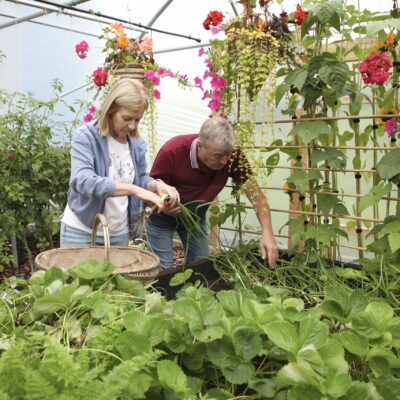
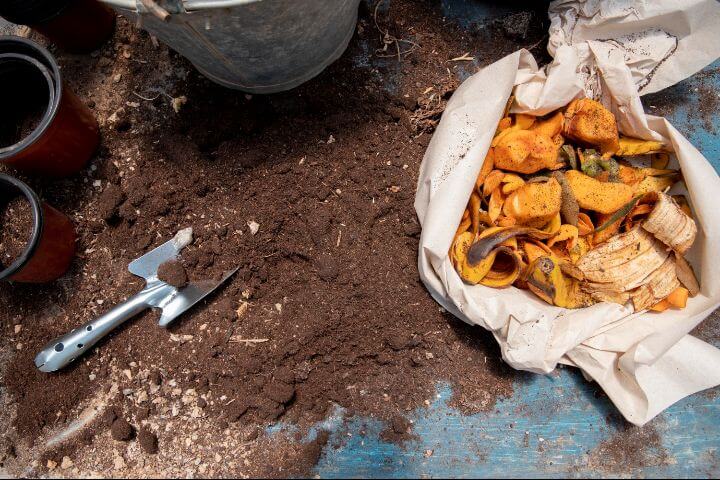
The process begins with organic matter, such as kitchen scraps, garden waste, and plant residues. Microbes feed on this material, releasing heat as they work. Over time, it changes texture, colour, and smell, eventually becoming dark, crumbly compost full of nutrients and beneficial life that will be really useful to organic gardeners in their polytunnels or elsewhere in their gardens.
There are many ways to compost, from traditional heaps and bins to wormeries or hot composters, but the principles remain the same. You need the right ingredients, the right environment, and a little patience.
What Not to Compost
Before we look at speeding up the process, it helps to remember what should not go into your compost.
Avoid putting in anything that will disrupt the natural balance, attract pests, or introduce harmful substances. For example, meat, dairy products, oils, and cooked food can attract rodents or flies and should be excluded from a typical garden heap.
Also avoid adding diseased plants, invasive weeds, or plants that have gone to seed, unless your compost will get hot enough to kill pathogens and seeds. Large woody materials, such as branches, can be added only if shredded or chopped small, as they take years to decompose otherwise.
Synthetic materials, plastics, or chemically treated wood should never be added, as they do not break down safely.
Potential Issues when Composting
Even well-managed compost heaps can run into problems, especially if conditions fluctuate. The most common issues include:
Bad smells: Often caused by poor aeration or too much moisture. Remedy this by turning the heap and adding more dry “brown” material like cardboard or straw.
Slow decomposition: This can happen when there is too much carbon and not enough nitrogen. Adding fresh green material, or a natural activator, will reawaken microbial activity.
Dry or inactive heaps: If the heap is too dry, microbes cannot function effectively. A little water or fresh material will help restart the process.
Rodents or flies: These are attracted to food scraps or anaerobic (smelly) conditions. Keep the heap covered and ensure it stays well-aerated.
By understanding these simple principles, you can troubleshoot problems easily and maintain a healthy compost system that works efficiently year-round.
How to Speed Up Composting
Speeding up composting is all about creating the right conditions for microorganisms and soil fauna to thrive. If they are happy, they will work quickly. Each of the following steps supports that goal.
1. Ensure the Right Balance of Materials
The foundation of fast composting is the correct carbon-to-nitrogen (C:N) ratio.
Microbes need carbon for energy and nitrogen for protein synthesis. Too much carbon (from dry, woody materials) slows decomposition, while too much nitrogen (from green waste) leads to unpleasant smells.
“Brown” carbon-rich materials include:
- Dried leaves
- Straw or hay
- Shredded paper and cardboard
- Wood chips or sawdust (used sparingly)
“Green” nitrogen-rich materials include:
- Grass clippings
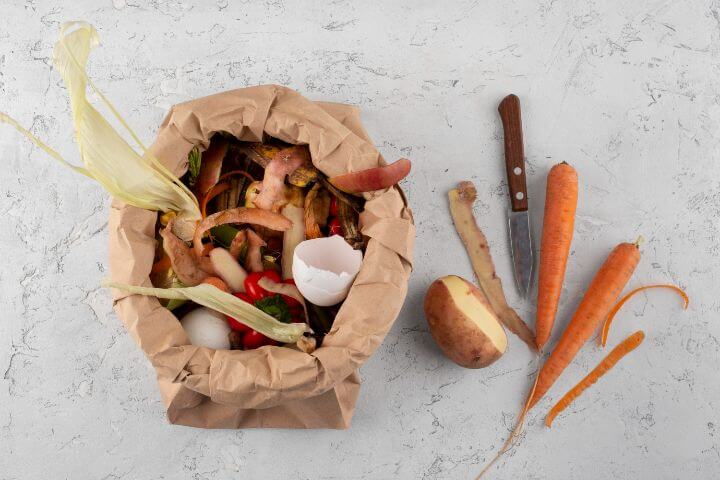
- Vegetable and fruit scraps
- Coffee grounds
- Fresh weeds (before they set seed)
Layering browns and greens works well, but even better is to mix them evenly to create consistent conditions. The mix should feel like a damp sponge when squeezed, with enough structure for air to flow through.
A well-balanced heap not only decomposes faster but also produces a richer, more balanced compost for your garden.
It is also a good idea to hop or shred materials before adding them. Smaller pieces have a greater surface area, so microbes can work faster.
2. Use Natural ‘Compost Activators’ or ‘Compost Accelerators’
You don’t need to buy products to speed up composting – though there are many on the market that claim to help. Instead, look at plants that can speed up decomposition.
Plants that help with decomposition do so in several ways:
- Adding nitrogen and nutrients that microbes need to thrive.
- Introducing beneficial bacteria and enzymes from their own tissues.
- Providing trace minerals that enrich the finished compost.
- Increasing microbial diversity, which helps break down a wider range of materials.
When you include these plants, your compost will heat up faster, smell better, and break down more completely, resulting in nutrient-rich humus ready for your garden in record time.
Plants such as stinging nettles, comfrey, and yarrow contain high levels of nitrogen, potassium, and trace minerals. When added to your compost heap, they feed the microbial community and stimulate faster decomposition.
- Nettles are rich in nitrogen and act as a natural green booster. They work best when young and chopped up before adding.
- Comfrey contains a unique balance of nutrients and natural growth promoters. Adding comfrey leaves or making a “comfrey tea” to pour over the compost can jump-start microbial activity.
- Yarrow is known for its mineral content and ability to stimulate beneficial bacteria. Scatter a few handfuls through the heap.
Other useful plants include dandelion leaves, clover, alfalfa, and seaweed. Seaweed, in particular, adds valuable micronutrients and enhances microbial life.
These activators are especially helpful when your compost heap is dominated by carbon-heavy materials or during cooler weather when microbial activity naturally slows.
3. Make Sure the Mix is Not Too Wet or Too Dry
Water is essential for microbial life, but too much of it fills the air spaces that microbes need. If the compost becomes soggy, decomposition slows or stops entirely, and anaerobic bacteria take over, producing a foul smell.
If your compost is too wet, add dry browns such as straw, shredded cardboard, or wood shavings. These absorb excess moisture and restore aeration.
If it is too dry, sprinkle water evenly through the pile or add moisture-rich materials such as fresh grass or kitchen waste. You can also cover the heap to retain humidity.
Regularly check the feel of your compost. If you squeeze a handful and it feels moist but not dripping, the moisture level is about right.
Cover a heap or open compost bin with hessian, carpet, or a compost lid to retain warmth and moisture.
4. Increase Temperatures
Heat is a by-product of microbial activity. A hot compost heap (between 50°C and 65°C) will break down materials much faster than a cold one.
You can encourage higher temperatures by building a large heap, ideally at least one cubic metre in size. The greater the mass, the more heat it retains.
To start the heating process, include some fresh green material or natural activators. Turn the pile every week or two to bring outer material into the warmer centre, keeping the temperature even.
Be careful not to let the heap get too hot for too long, as excessive heat can kill beneficial microbes. If it exceeds 65°C, turn it or add dry material to moderate the temperature.
Hot composting not only speeds decomposition but also kills weed seeds and plant diseases, producing a clean, safe end product.
5. Improve Aeration
Oxygen is vital for aerobic microbes, which do the majority of the decomposition work. Without it, the composting process slows, and unpleasant smells can develop.
To keep your compost aerated, turn it regularly. Every one to two weeks is ideal if you want fast results. Turning redistributes moisture and heat, introduces fresh air, and ensures all materials break down evenly.
If turning a large heap is impractical, you can insert ventilation pipes or long sticks vertically into the pile to create air channels. Adding coarse materials like twigs, straw, or wood chips also helps improve airflow.
Healthy compost should feel warm and smell pleasantly earthy. If it becomes slimy or compacted, it needs more air.
6. Enlist Worms for Vermicomposting
Worms are among nature’s most efficient decomposers, and they can dramatically accelerate composting. Vermicomposting, or worm composting, uses special composting worms such as Eisenia fetida (red wigglers) to break down organic waste quickly and cleanly.
Worms feed on decaying plant matter and excrete worm castings, one of the most nutrient-dense soil conditioners you can produce. Worm castings contain beneficial microbes, enzymes, and plant-available nutrients that enrich your garden soil.
Vermicomposting works well indoors, in a shed, or inside a polytunnel, where temperatures remain mild. Worms prefer steady, moderate conditions (ideally between 15°C and 25°C). They need moisture but dislike being waterlogged.
To start, create a worm bin with bedding such as shredded newspaper, coir, or partially finished compost. Add food scraps in small amounts and avoid overloading the bin. The worms will multiply rapidly and turn waste into finished compost in a matter of weeks.
Using worm compost alongside regular composting provides a powerful combination. The worms accelerate early decomposition, and their castings enhance the nutrient profile of the final mix.
7. Use the Bokashi Method Prior to Adding Materials to Your Composting System
Another excellent way to speed up composting is to pre-treat your kitchen waste using the Bokashi method.
Bokashi is a form of anaerobic fermentation that uses beneficial microorganisms to partially break down organic matter before it even reaches your compost heap. It originated in Japan and is especially useful for processing food scraps, including those not usually added to compost, such as small amounts of meat or cooked food.
The process involves layering kitchen waste with Bokashi bran, which is inoculated with effective microorganisms (EM). The waste ferments in an airtight container for around two weeks. It doesn’t rot or smell bad. Instead, it develops a sweet-sour, pickled aroma.
Once fermentation is complete, the material can be added directly to a compost heap or buried in a garden trench, where it finishes breaking down rapidly. Because the material has already been partially decomposed, it integrates into your compost pile faster and boosts microbial activity.
Using Bokashi alongside traditional composting is particularly valuable in cooler months, when decomposition slows. The pre-treated material gives microbes a head start, reducing the overall composting time and diversifying the microbial life in your system.
Composting is one of the simplest and most rewarding ways to close the loop in your garden. By paying attention to balance, moisture, temperature, and aeration, and considering different methods for composting, you can transform waste into rich, fertile soil far more quickly.
How can I increase my compost speed?
You can speed up composting by ensuring the right balance of greens and browns, maintaining moisture like a wrung-out sponge, keeping the pile aerated, and using natural activators such as nettles, comfrey, or Bokashi-prepared waste. Turning the heap regularly also helps it heat up and decompose faster.
What can I use as a compost accelerator?
Comfrey, nettles, yarrow, and other nutrient-rich plants act as natural accelerators. You can also add finished compost, soil, or worm castings to introduce beneficial microbes.
Does water speed up compost?
Yes, but only when used correctly. Microbes need moisture to function, but too much water drives out oxygen and slows decay. Keep compost moist but not soggy, like a damp sponge.
Sources
Rita Pelczar (2023) Here’s What Not to Put in Compost to Avoid a Contaminated Bin. Available at: https://www.bhg.com/gardening/yard/compost/what-not-to-compost/ [Accessed: 29.09.25]