

In September in UK gardens, the weather is typically beginning to cool, and we are rapidly approaching the end of the growing season.
However, especially if you are growing in a commercial polytunnel year-round, there is still plenty to do in the polytunnel, and elsewhere in your garden. In this guide, we will walk you through some important September gardening jobs that you might be undertaking in your garden this month.
Timely Tips
September is a key decision time for gardeners: do you leave that ‘summer’ plant in place in hope of a continuing harvest, or do you take it out and replace it with some of your winter crop seedlings?
This can sometimes leave something of a dilemma. But don’t dither! Two weeks of growth at this time of year can make a huge difference later on, and you miss it at your peril. This is especially important in a polytunnel.
September can be a variable month weather-wise. Sometimes it can feel like summer is still in full flow. Sometimes it can almost feel like winter has already arrived.
Your Monthly September Gardening Jobs Checklist
In Among the Flowers
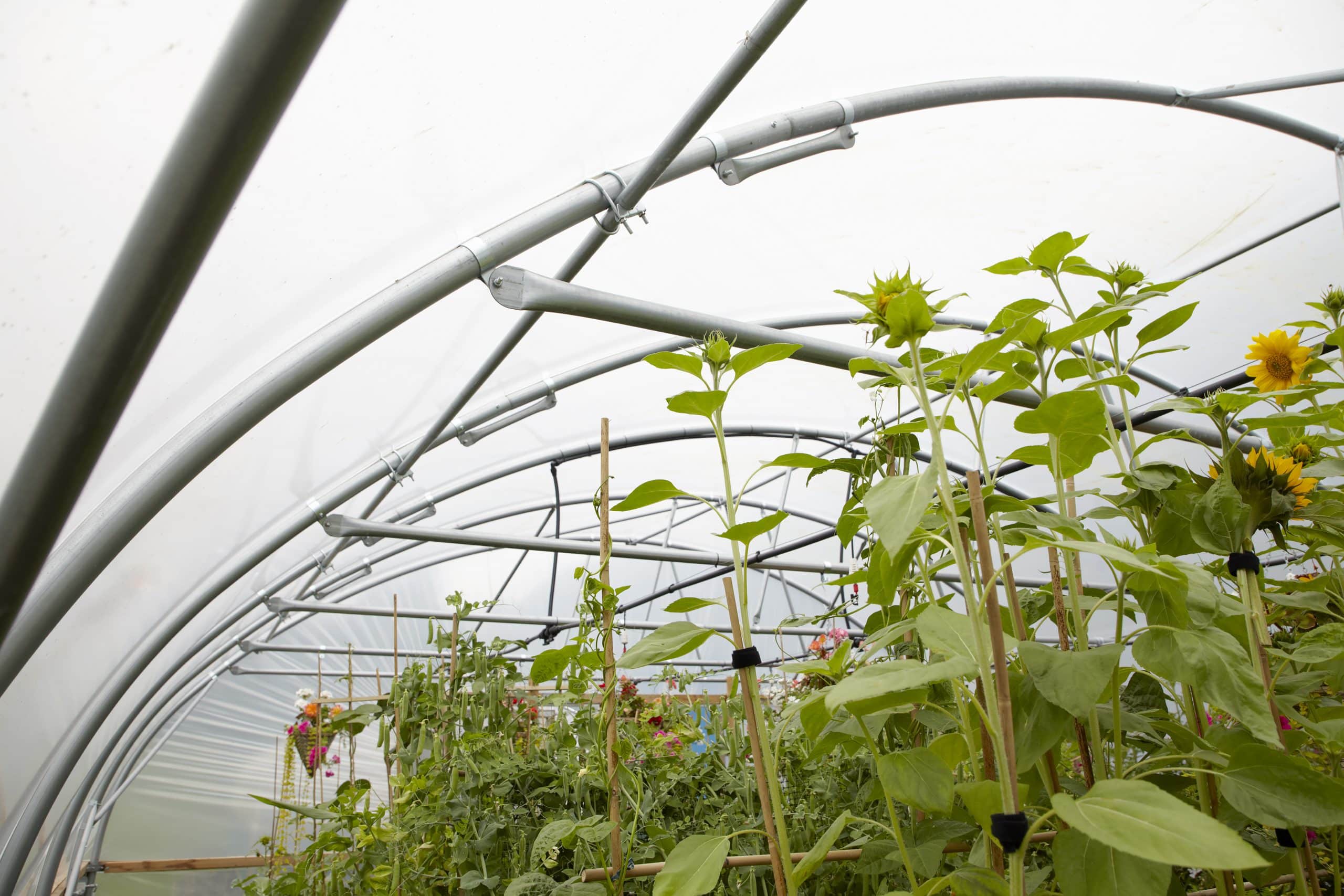
There is quite a lot of sowing and growing that you can do regarding flowers that you grow in September. There is work to do in plant propagation for flowers next year, and some protective maintenance jobs to consider to get things ready for the colder months to come.
- Sow hardy annuals for flowers in the early summer next year. Ammi, cerinthes, scabiosa and cornflowers are just some of the options to consider sowing this month.
- Plant spring bulbs including crocuses, bluebells, daffodils, hyacinths etc. into pots or into beds or borders.
Spring bedding plants like forget-me-nots, pansies and wallflowers can also be planted into your beds or borders, or into containers.
Create containers for autumn interest using, for example, heathers, cyclamen and heuchera with other vibrant bedding plants.
Propagate plenty of perennials by dividing mature clumps.
Take cuttings from favourites like fuchsias, pelargoniums and salvias.
Collect ripe seeds from many late summer flowers to store over winter and sow in the spring.
- Prune climbing and rambling roses once they have flowered (unless they are repeat flowering). And prune other late-summer flowering shrubs – like rock roses, for example.
- Protect sunflower seed heads from birds if you want to eat the seeds, though it is good to share in a wildlife-friendly garden so make sure you leave some accessible to the birds too.
Look out for vine weevil in pots – notched leaf margins are a typical sign.
Deadhead and feed summer bedding in hanging baskets and other containers to keep it healthy and protect and preserve those plants right up to the first frosts.
Make sure gladioli corms are not damaged by frost by lifting them, drying them, and storing them in a cool but frost-free location over the winter months.
In the Vegetable Garden
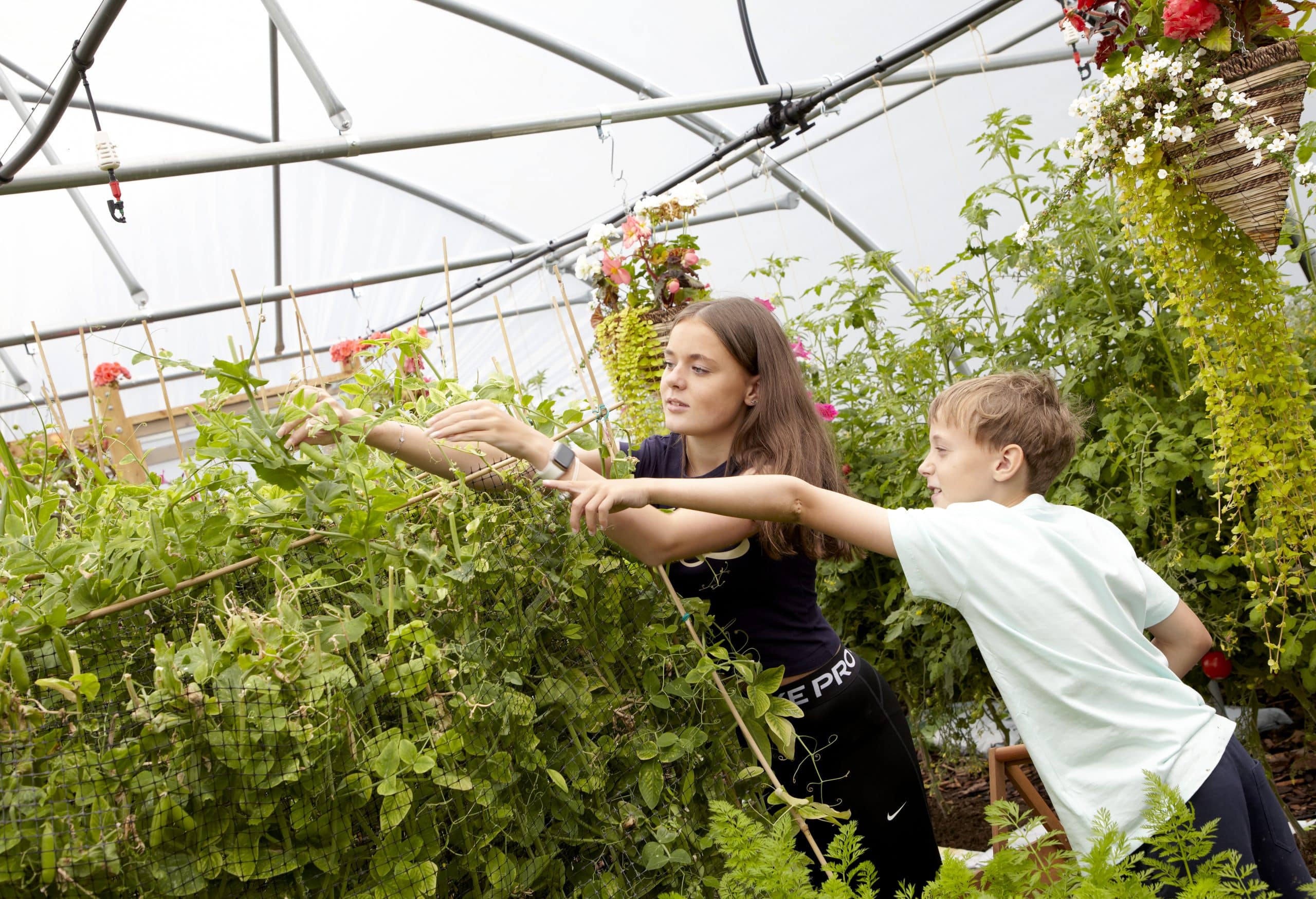
- Sow brassicas like kale, pak choi, mustards and mizuna, and other leafy greens like land cress and lamb’s lettuce for use over the winter months.
Start to sow peas and broad bean varieties that are suitable for overwintering.
- Plant onion sets or shallots in a suitable, sunny location. Space these around 10cm apart from one another, and make sure the pointy tips are upwards, and are just visible above the surface of the soil.
Plant saffron crocus bulbs for your own source of saffron this autumn.
- Pick chillis and hang them on lines to dry somewhere warm and dry if you do not plant to use them immediately.
Harvest your maincrop potatoes and store them in a cool, dark and well-ventilated space.
- Prune off the leaves of pumpkins and squash that are covering fruit to allow these to ripen in the sun.
- Protect tender crops outdoors from early frosts with cloches or row covers.
Cut off trusses of unripe tomatoes from your tomato plants outdoors before the weather turns, and make use of these in the kitchen, or allow them to ripen indoors.
In the Fruit Garden
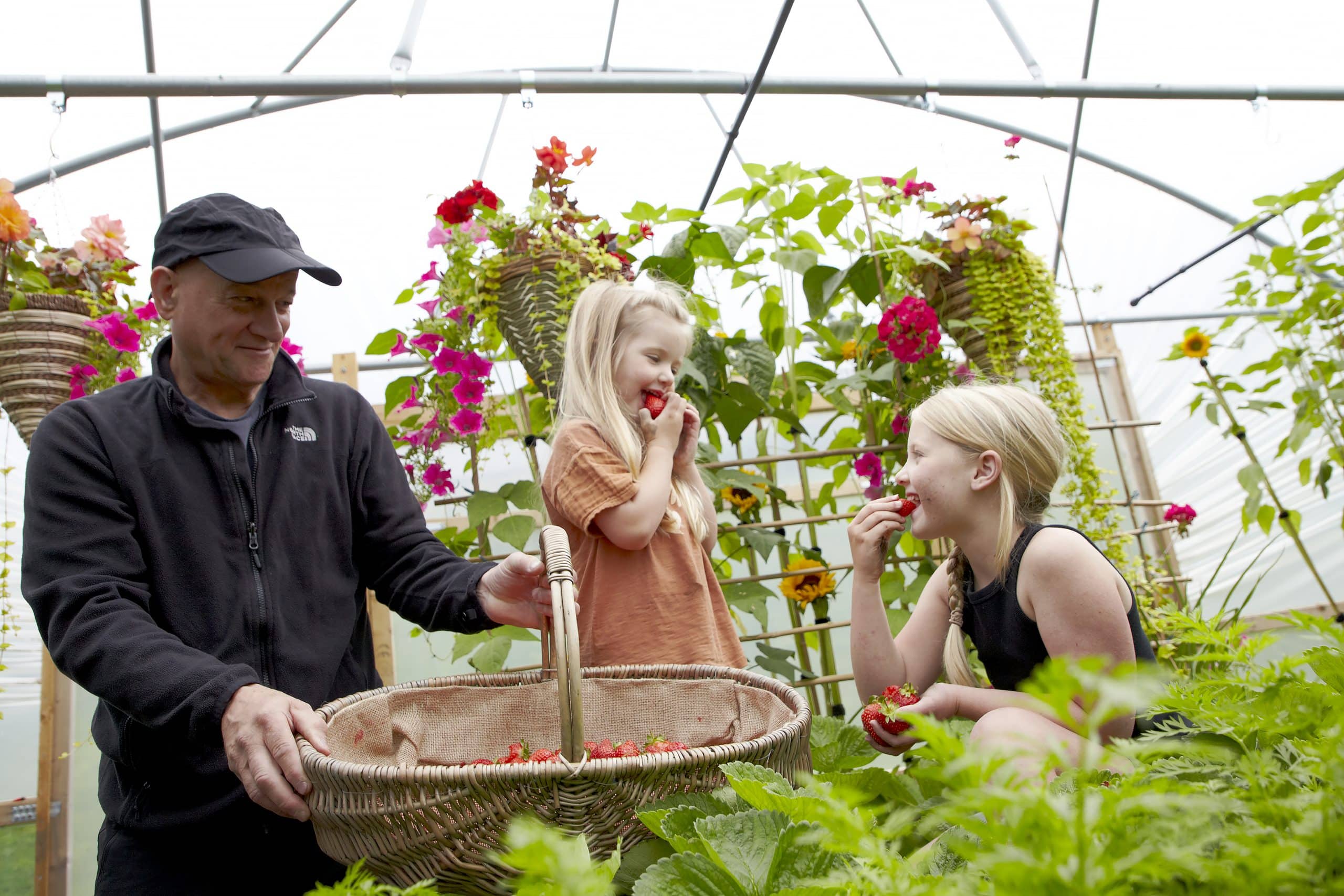
- Pick plums, and ripe apples and pears when they are ready so they do not get blown off by winds. And pick blackberries when they ripen.
- Prune out the canes that have fruited this year on summer raspberries, cutting these down to the base. Tie in the canes that grew this year to supports.
Also, prune currant bushes and gooseberries.
- Propagate currants and gooseberries by taking hardwood cuttings.
- Protect tender fruit trees and move potted specimens undercover where necessary.
In the Polytunnel
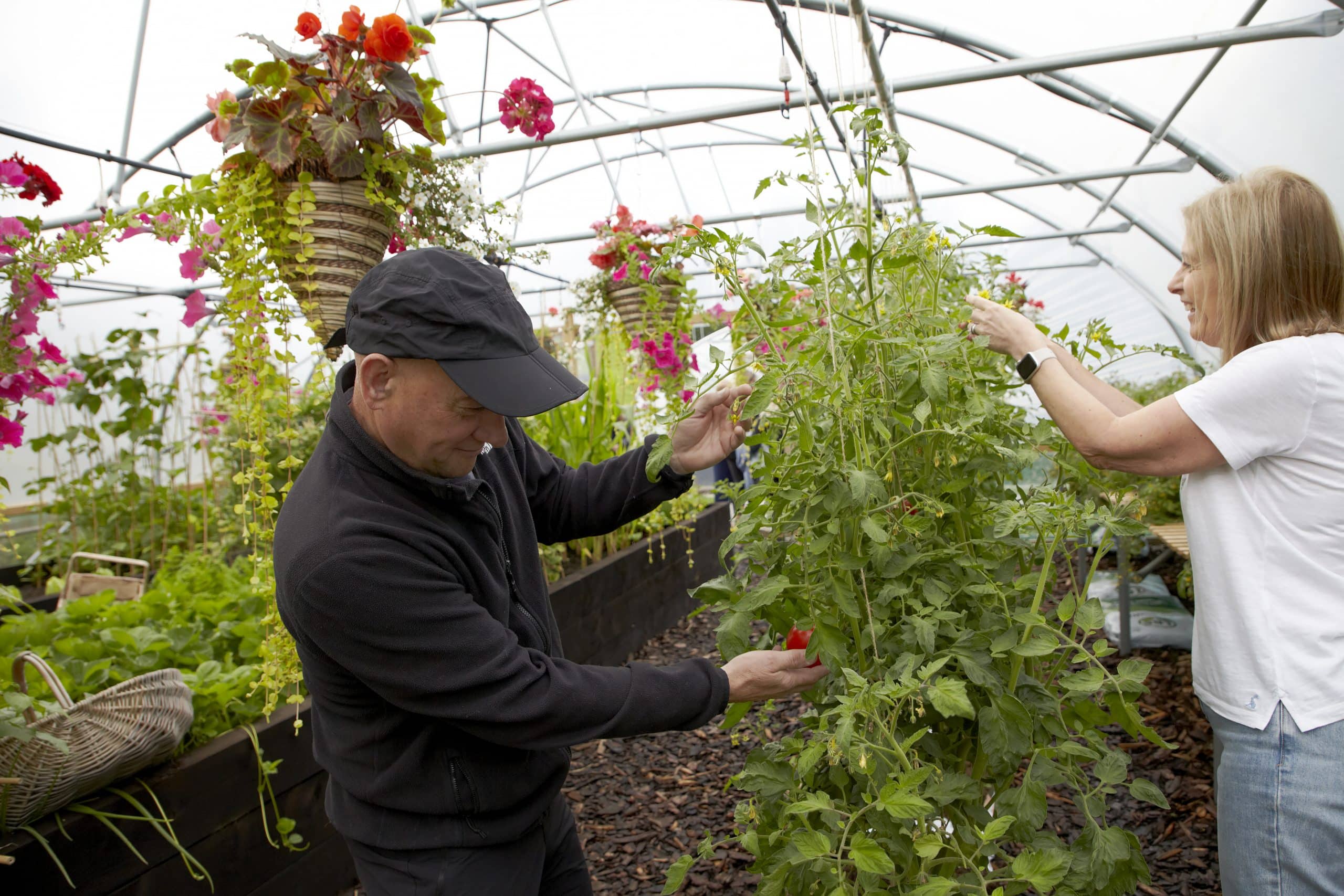
If you sowed seeds for a winter/hungry gap harvest in July and August, you should be assured of a supply of fresh vegetables right through until the Spring. If you didn’t, it’s probably too late for much of a Winter crop, but it’s still OK for the hungry gap. Especially in a polytunnel, where you can really stretch the limits of what you’d grow outside.
If we get an ‘Indian Summer’, it may stay warm enough for your Winter crop seedlings to get to a good size before the cold weather stops them. Either way, ‘hungry gap’ crops such as sprouting broccoli, early cabbage varieties, coriander and spinach should be ready sometime in April if you sow them now.
If you’re planning on overwintering peas and broad beans, September (or even early October) is the ideal time to sow them.
They should then be big enough to stand through the cold weather (unless it’s really cold, in which case they’ll need protection) and will grow on in February and March to provide a welcome harvest starting sometime in April.
In this guide, you will find more information on vegetables to sow in a polytunnel in September.
If you had an onion crop in an outside bed, or in the polytunnel, your polytunnel is also an ideal place to dry them for storage.
As it’s much warmer near the ridge of the polytunnel a suspended shelf or net hung several feet off the ground makes a great drying rack. Turn the onions every couple of days to ensure they dry evenly, and don’t pack them away for storage until their necks are completely dry.
Looking After Your Lawn
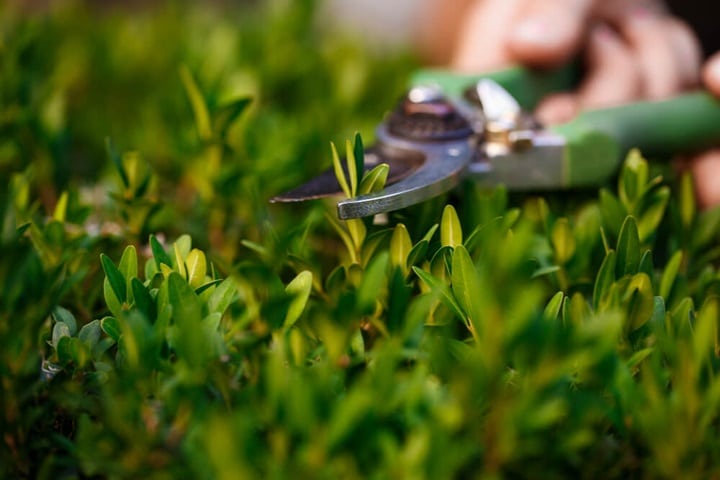
If you have an area of lawn, whether a mono-crop grass desert, neatly clipped, or a more eco-friendly and diverse wild lawn with wildflowers, this is a good time of year to do a bit of troubleshooting.
At this time of year, you might scarify areas that are compacted by piercing the sod with a garden fork. You might rake out the thatch from your lawn. If there are bare patches, this could be a good time to re-seed them – not just with grass, ideally, but with a range of native species.
Other Jobs Around the Garden
- Cut back conifers used for hedging or topiary.
- Sow green manures to cover and protect the soil over winter.
- In the herb garden, protect rosemary and lavender by looking out for rosemary beetles and picking these off your plants.
- Net ponds and undertake autumn pond maintenance.
- Install rainwater harvesting systems if you do not have them already and clean out existing systems ready for autumn rains.
- Create a composting system if you already have one, or improve the one you already have. There should be plenty of material to add to such a system to create compost with over the next few months.
- Start to collect autumn leaves and make leaf mould.
- Secure supports and other garden features to prepare for autumn storms.
From Your Armchair
This is a time of year when the crazy rush of the summer and harvest period begin to subside and you can breathe a little and think about the quieter winter months to come.
You might also start to think about planning your transition to the winter garden, and what you will sow and grow next year come spring.
You can also start to think about which new fruit trees or other fruiting plants you may wish to purchase for planting bare-root over the dormant period.
FAQs
What should I cut back in my garden in September?
Cut back conifers, prune out the already-fruited canes of summer fruiting raspberries, prune currant bushes and gooseberries, prune lavender, rosemary and other relatively tender herbs, and prune flowering shrubs that bloom on wood formed during the previous year. These are just some plants to cut back this month….
Do you still feed plants in September?
Many plants require feeding only over the summer months, and so you should stop feeding in September. This is true most of the time when growing in containers. However, it is a good idea as autumn arrives to lay mulches of organic matter to ensure the long-term fertility of your growing areas and nutrient availability for the plants that you grow.
Sources
Cregg, B., (2021) How to prune conifers. Fine Gardening. [online] Available at: https://www.finegardening.com/project-guides/pruning/how-to-prune-conifers [accessed 21/08/24]