

Rustic gardens might not be everyone’s cup of tea, but they certainly have a popular kind of charm. Here are some rustic garden ideas to help you bring that unstudied elegance and artless charm to your own outside spaces.
What is a Rustic Garden?
A rustic garden is defined by its natural, organic aesthetic. It takes inspiration from rural, countryside landscapes and typically features earthy tones, weathered materials, and an overall sense of harmony with the environment.
These gardens emphasize a less manicured, more organic look, where imperfection is embraced, and nature leads the design.
Rustic gardens often have a nostalgic or vintage feel. They incorporate natural elements like stone, wood, and metal that are left to age and patina, giving a sense of history and timelessness. The layout tends to be free-flowing and asymmetrical, resembling a natural landscape rather than a more managed space.
How Do You Make a Rustic Garden?
Creating a rustic garden starts with embracing nature and using natural materials, textures, and features. Instead of striving for a polished look, focus on simplicity, authenticity, and sustainability.
You can reuse old items, incorporate vintage or reclaimed materials, and let the garden grow in a way that feels organic and wild. The key is to blend practicality with a timeless beauty, where both cultivated plants and natural elements coexist harmoniously.
Architecture and Structure Ideas
Rustic garden architecture is essential to setting the tone for your space. By integrating well-worn structures and materials, you can create a cohesive look that feels both unpretentious and full of character. Here are some key things to think about when creating a rustic garden:
1. Choose garden features with a weathered finish
To create a rustic ambiance, opt for materials that look aged and weathered. Mossy stone walls, fences, trellises, or garden gates made from reclaimed wood, or vintage iron posts, arches etc. can add a timeworn elegance to your garden.
These materials often carry a sense of history, enhancing the garden’s rustic charm. Over time, their deepening patinas and natural wear will deepen the sense of permanence and longevity, lending a sense of nostalgia to the space.
2. Create your own garden hideaway
A rustic garden hideaway is the perfect escape from everyday life. Think of a secluded corner with a small bench under a tree or a cozy nook surrounded by overgrown plants. You can even transform an old shed or a simple wooden structure, or even a polytunnel, into a rustic garden retreat, complete with soft furnishings, string lights, and plenty of greenery to create a tranquil haven.
Incorporating natural materials like logs, rough-hewn beams, and natural stone into the design can help create a space that feels connected to the environment. For added rustic charm, allow surrounding plants to grow freely around your hideaway.
Greenery will blur the boundaries of the structure and make it feel as if it’s been part of the landscape for a lot longer than it actually has. This helps to create the sense of age and natural aging essential to a rustic design.
3. Reimagine architectural features
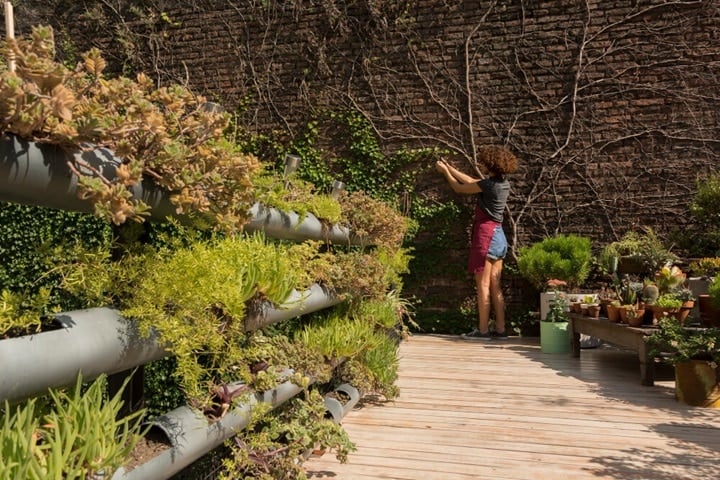
Rustic gardens are often full of reclaimed materials and repurposed architectural features. You can use old doors, window frames, or gates to create garden dividers, trellises, or even art installations. These salvaged elements add character to the garden, showcasing history and individuality in their weathered textures and worn edges.
A great example is using an old iron bed frame as a trellis for climbing plants, or repurposing a vintage sink or bathtub as a quirky container for herbs and flowers. Not only do these elements provide a unique focal point, but they also speak to the sustainability ethos that goes hand in hand with rustic garden design.
4. Design a rustic seating area
If you like rustic décor indoors, why not extend that aesthetic to outdoor living spaces too? Choose natural, robust materials like wood or stone for seating areas, and embrace imperfections—cracks, knots, and uneven surfaces add to the charm.
Consider a weathered wooden table paired with mismatched chairs, or a stone bench nestled among blooming plants. Add throws and cushions made from natural fabrics like linen or burlap to soften the space, and for a final touch, place lanterns or candles on the table to create a warm, inviting atmosphere for evening gatherings.
5. Add quirky structures and design elements
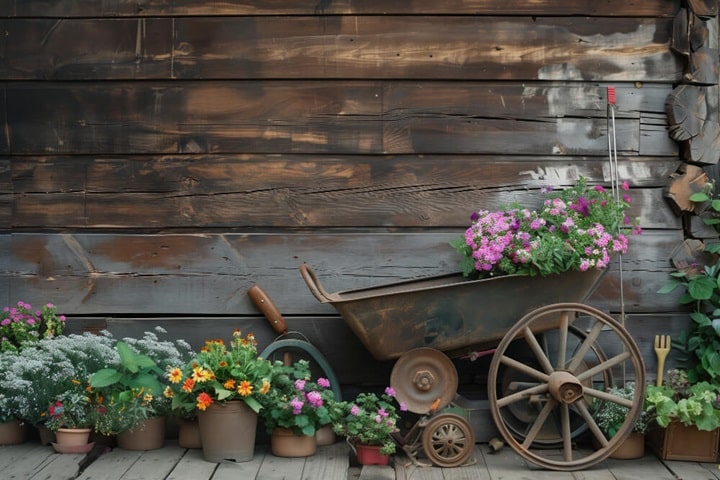
Rustic gardens thrive on individuality and creativity, making them the perfect canvas for quirky, unexpected design elements. This could be a homemade birdhouse, a vintage ladder used as a trellis, or even a recycled wheelbarrow turned into a planter.
You might also include more elaborate features like a DIY stone fire pit, a small pond with a rustic wooden bridge, or a log pile used to create a seating area. By mixing unusual objects with natural elements, you can add a playful and whimsical quality to your garden.
6. Incorporate meandering rustic pathway ideas
Avoid overly straight or formal pathways—let them meander through the garden, guiding visitors to secret spots and hidden corners. Consider using irregularly shaped stones or repurposed bricks to give the path a more organic, lived-in look – rough, worn, textures surfaces add to the vibe.
You can also allow plants like thyme, moss, or creeping sedum to grow between the stones for a soft, natural feel, and to add to the idea that the garden is being taken over by nature.
7. Make the most of your outdoor structures
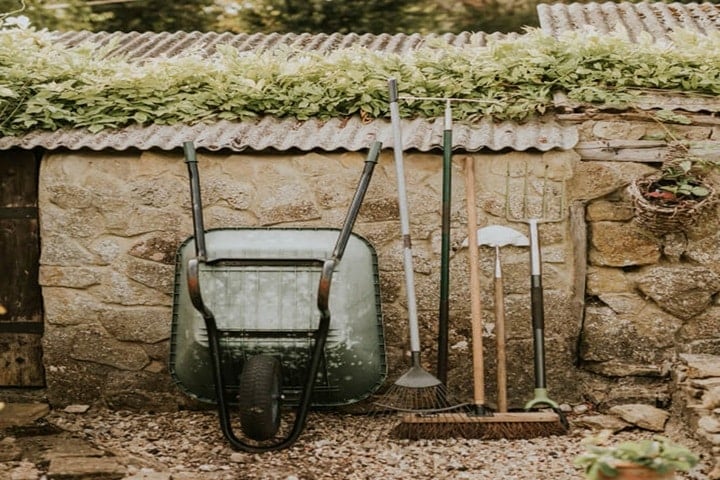
Structures like sheds, greenhouses, and pergolas are common features in rustic gardens, but to enhance their charm, they should blend seamlessly with the landscape.
One way to achieve this is by allowing vines and climbing plants to grow up and around the structure, creating a softer and more Romantic look.
You can also paint structures in earthy, muted tones to help them blend into the surroundings. Adding rustic hardware like iron handles or vintage hinges can also help give a more rustic effect.
8. Go for a nature-inspired colour palette
The colour palette of a rustic garden should be inspired by the natural world. Think soft greens, browns, and earthy neutrals, which help to create a calming, harmonious space.
Avoid overly bright or artificial hues, instead opting for tones that complement the natural landscape.
9. Showcase natural materials
In a rustic garden, natural materials like wood, stone, and clay should take centre stage. Whether you’re building a retaining wall, choosing containers for plants, or selecting outdoor furniture, prioritize materials that feel raw and unfinished.
Before buying anything new, always consider the natural materials that are already at your disposal within your own space – including twigs and sticks, natural branches, and natural stones, among other things.
Clay pots, wicker baskets, and woven fences are among features that can add texture and further enhance the rustic aesthetic.
10. Customise garden furniture for a more rustic vibe
You don’t need to purchase expensive rustic furniture to achieve the look. With a bit of creativity, you can customize your existing furniture to fit a rustic theme.
For example, you can distress wooden chairs and tables to give them an aged appearance, or add a coat of chalk paint for a weathered, shabby-chic effect.
If you have metal furniture, allow it to rust slightly for a patina that feels aged and lived-in. Soft furnishings like cushions and tablecloths made from natural materials such as cotton, wool, or linen can enhance the rustic appeal and make your garden feel more cozy and inviting.
Planting Suggestions and Plant Ideas for a Rustic Garden
Structures can be useful to help create a rustic feel, but planting is paramount. To achieve a rustic garden look, opt for plants that grow freely and naturally, avoiding overly formal or structured garden layouts. Incorporate plants of different textures, heights, and colours to create a sense of wildness and abundance.
11. Embrace container gardening with quirky upcycled containers
A hallmark of rustic gardens is the use of upcycled containers for planting. Repurpose old barrels, metal buckets, wooden crates, or even antique kitchenware to create unique and charming planters.
These quirky containers add character to your garden and create a focal point that complements the rustic aesthetic.
You can use these containers to grow everything from herbs and flowers to small shrubs and trees, placing them strategically around the garden.
12. Add tiers, edge and layered planting for rustic growing areas
Layered planting arrangements mimic the untamed look of wild landscapes. Incorporate plants of different heights and textures, creating tiers of greenery that cascade naturally from raised beds, stone walls, or large planters.
You can also stack planters to create tiered planting schemes – maximising edge – the most productive part of an ecosystem – and making the most of your space.
Define the edges of your garden with soft, flowing plants like lavender, catmint, or creeping thyme. These plants will spill over the borders, softening the hard edges of pathways or garden beds and enhancing the garden’s relaxed, organic feel.
Make the most of edges and marginal spaces wherever they are to be found to give an abundant, natural look and feel.
13. Explore historic ideas and vintage planters
Rustic gardens often take inspiration from the past, incorporating vintage planters, heirloom plants, or even recreating historic garden styles.
For example, you could use antique iron urns, terracotta pots, or wooden whiskey barrels as planters, or plant heirloom varieties of flowers, herbs, and vegetables that have been grown for centuries.
This connection to history can give your garden a timeless, nostalgic quality, as though it’s been cultivated by generations of gardeners.
14. Rewild – use native plants and let nature do its thing
One of the most appealing aspects of a rustic garden is its ability to blend seamlessly with the surrounding environment. You can achieve this by incorporating native plants that thrive in your local climate and soil conditions.
Native plants are typically low-maintenance, requiring less water and care than non-native species. This makes them ideal for rustic gardens.
Embrace a more relaxed approach to gardening by allowing certain areas of your garden to “rewild.” Let wildflowers, grasses, and other native plants grow naturally, creating a habitat for pollinators and wildlife while enhancing the natural beauty of your space.
FAQs
What are the key elements of a rustic garden?
The key elements of a rustic garden include natural materials like stone and wood, weathered finishes, a free-flowing design, and an emphasis on imperfection. The garden should feel organic and harmonious with its surroundings. Even when you are working hard, it should not look like it needed too much work.
What types of plants are best suited for a rustic garden?
Plants that thrive in rustic gardens are those that grow freely and naturally, such as wildflowers, grasses, herbs, and climbing plants like ivy and clematis. Native species are ideal for creating a sense of belonging in the landscape, while heirloom varieties of vegetables, flowers, and herbs can add historical interest.
What types of garden furniture work well in a rustic garden?
Furniture made from natural materials such as wood, stone, or wrought iron is perfect for rustic gardens. Look for pieces with a weathered, distressed finish, or repurpose old furniture with a rustic makeover. Mismatched chairs, vintage tables, and wooden benches can all enhance the garden’s rustic charm.
What is the best lighting for a rustic garden?
The best lighting for a rustic garden is soft, warm, and understated. Lanterns, string lights, or candles placed in mason jars can add a cozy, intimate atmosphere. Solar-powered lights tucked into the plants can also provide subtle illumination while maintaining the garden’s natural feel. Keep the lighting minimal to preserve the garden’s organic, relaxed ambiance.
Sources
Clayton, L., (2024) Rustic decor ideas – 10 ways to work this timeless trend into every room. Homes & Gardens. [online] Available at: https://www.homesandgardens.com/interior-design/rustic-decor-ideas [accessed 25/09/24]