


These quick after-school gardening activities for families should help you to make sure you get out into the domestic polytunnel on an evening, come rain or shine, even now the kids are back to school.
Are you and your family making the most of your polytunnel during the working week as well as on weekends?
If you have a commerical polytunnel, not everything has to be a chore. Those who invest in one of these structures will soon find that they can be used a lot throughout the whole of the year. These fun family-friendly after-school gardening activities for polytunnel growers should help you make the most of whatever time you have once the kids get home from school.
Table of Contents
5 Quick After-School Gardening Activities: Food Production
Growing your own can be a lot of fun and even simple tasks in the garden can become fun for the whole family – especially if you turn the whole thing into a game and have a laugh together in the polytunnel.
School polytunnels are useful for after-school garden clubs, but parents can also try similar things in their own gardens. Some ideas involving food production that you might try are listed below.
1. Seed Sowing
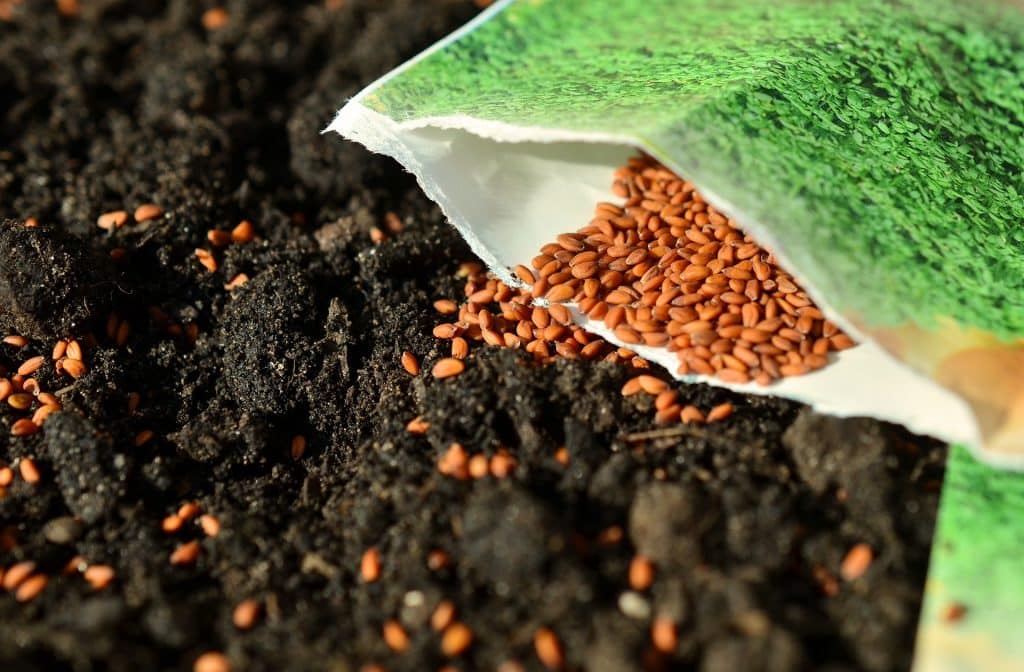
Of course, a polytunnel enables you to sow and grow throughout the whole of the year, not just in the summer. No matter which month of the year you are in, there are some seeds that you and your kids might sow.
Getting out into the polytunnel and sowing some seeds, either in beds within the polytunnel or in pots, will not take too long and can be the beginning of a life-long love of growing and the natural world. Make things more fun with quirky sowing activities like sowing a salad face with hair that grows, for example…
2. Taking Cuttings or Dividing Plants
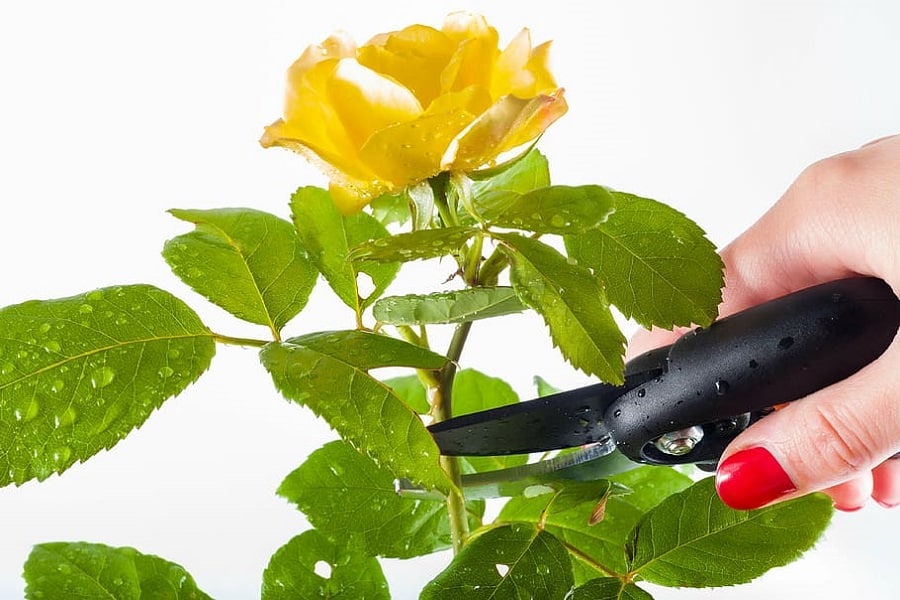
A very short period of time can also be used to demonstrate plant propagation and to obtain new plants from those that you already grow. Through much of the year, there are numerous plants that you might take cuttings from or propagate by division.
Kids may enjoy competing over cuttings or divisions to see who can get theirs to grow largest most quickly, and will learn a lot about plants and their care in the process with just a little time after they get home from school.
3. Watering and Tending Crops
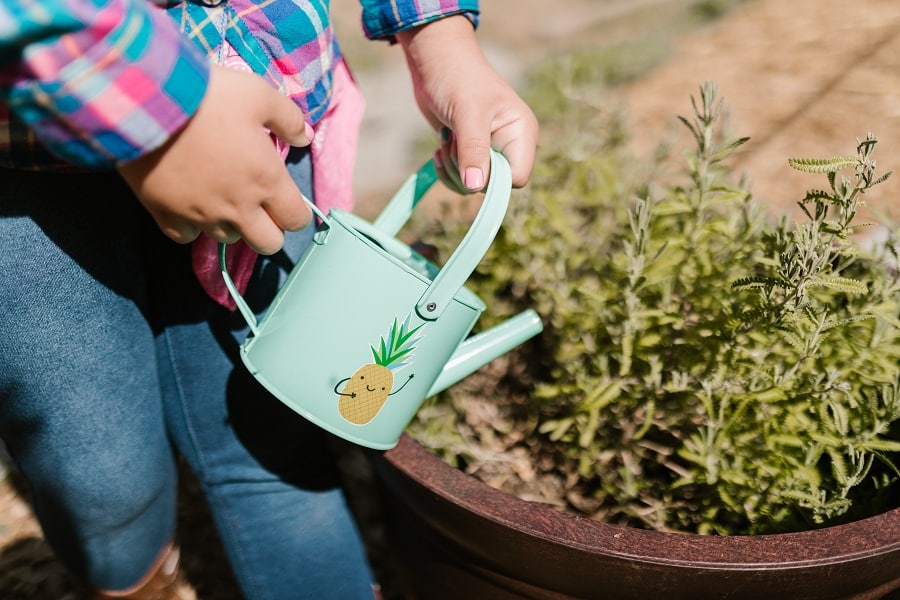
Polytunnel growing does not have to be a solitary pursuit. In fact, you can find that there is fun to be had in bringing the family to the polytunnel at the same time to garden together.
Many hands make light work and even younger kids can be taught to water and weed and otherwise tend crops with you. Make sessions quick, easy and fun and the kids are less likely to balk at being involved.
4. Making Organic Plant Feed (Plant Potions)
One other great quick after-school gardening activity for families is making plant potions to help the crops you grow thrive. Making organic plant feed is easy, and kids can pretend they are making plant potions and casting spells and engage in some other imaginative play.
You might make a compost tea, or a concoction using plants that grow in your garden such as a comfrey liquid feed, or a nettle or general ‘weed’ tea, for example.
5. Harvesting Activities
Some of the most fun you can have in a food-producing polytunnel is when you are able to harvest the food that you have worked hard together to grow. Many crops can be harvested a little at a time, so a brief period after school might be enough time to harvest the things you need for dinner.
The whole family getting involved with harvesting and picking will mean that they get to understand where their food comes from. And they can begin to appreciate the reward for efforts that they have put in earlier in the process.
5 Quick After-School Gardening Activities: Science Learning
Learning can be fun – so fun in fact that kids might not even notice they are learning. There are many quick ways to spend a brief amount of time learning about sciences in a polytunnel, that won’t take a massive chunk out of your day.
1. Sunflower or Pole Bean ‘Races’
After sowing seeds together, you and your kids could monitor the progress plants make, and even ‘race’ plants against one another to see which grow tallest the fastest. This not only introduces the concept of healthy competition but also allows kids to learn a lot.
Kids can learn about taking measurements, as well, of course, as learning about the different factors that can influence plant growth.
2. Hand-Pollinating Plants
Kids will learn early about bees and other pollinators, and the basics of plant pollination, when you have a polytunnel where they can see things like this first hand.
They can also learn a lot by becoming pollinators themselves, and aiding you in transfer of pollen from one flower to another or between the parts in flowers. Taking a little brush or similar, they can help you to improve fruit set on certain crops that you are growing and examine plant anatomy in more depth as they do so.
3. Soil Testing
Simple tests can help kids and adults alike learn more about the soil in their gardens.
Take a handful of garden soil and add water to make mud. Sprinkle baking soda onto it and if it fizzes up, the soil is acidic. (A reaction takes place because the baking soda is alkaline in nature.)
If soil is alkaline or neutral, little to no reaction will occur. To tell if your soil is neutral or alkaline, add vinegar instead of baking soda. If the soil fizzes and bubbles when vinegar is added, it is alkaline. If no reaction occurs, it is probably neutral.
These tests are not foolproof, and won’t tell you how acidic or alkaline your soil is. To determine the pH of your soil, buy a pH testing kit.
4. Root Study
Another simple but interesting thing to do with kids is to examine the roots on some of the plants that you grow.
Kids can learn a lot simply by looking at the patterns of roots and their different forms, and you can use a quick study session as an opportunity to explain at their level how plants interact with the soil and the world around them in general.
5. Polytunnel Bug Hunt
Observation of the wildlife that shares your polytunnel garden can also be highly educational and a lot of fun. You and your kids will also get to know your garden a lot better if you go on a bug hunt and seek out some of the creatures around you in this space.
Even a very brief period of time spent looking under leaves and perhaps delving a little below the soil could uncover a community of hidden helpers and pesky pests about which it is useful for everyone to learn more.
5 Quick Crafty After-School Gardening Activities

There are also, of course, plenty of ways to indulge your and your kids’ creative sides and to get crafty after school in a polytunnel. Here are some quick arty or crafty ideas that you might consider:
1. Carve Names or Designs on Squash or Pumpkins
One quick but fun activity for kids is to pre-decorate pumpkins or squash growing in the polytunnel for Halloween well ahead of time.
Scratching names or other designs into squash or pumpkins while they are small will allow the kids to enjoy watching the marks expand as the fruits grow.
2. Create Crafty Collages
Another idea that won’t take up much time is collecting natural items from the polytunnel such as leaves, sticks, flowers, etc. and using these to create your own crafty collages make from natural materials.
If you have a table and chairs in your polytunnel, the polytunnel might not only provide materials for your artwork but also a place to indulge in your creative activities.
3. Collect and Paint Seeds to Make Jewellery
Seeds from your polytunnel might be collected to eat, or to sow next year. But if you are feeling arty you might also use some artistically, to make some beads for jewellery etc…
Seeds can potentially be painted using natural dyes and threaded onto some natural thread for all-natural bracelets or necklaces or other decorative items. Again, you can both source materials from your polytunnel, and potentially also use it as a space to undertake the activity.
4. Collect and Press Flowers
A polytunnel garden can brim with flowers throughout much of the year. And you and your kids might spend a brief amount of time after school collecting those flowers and pressing them.
Those pressed flowers can then be used in a range of craft projects, or to decorate your home. This initial quick after-school gardening activity could lead on to several more.
5. Build a Scarecrow for your Garden
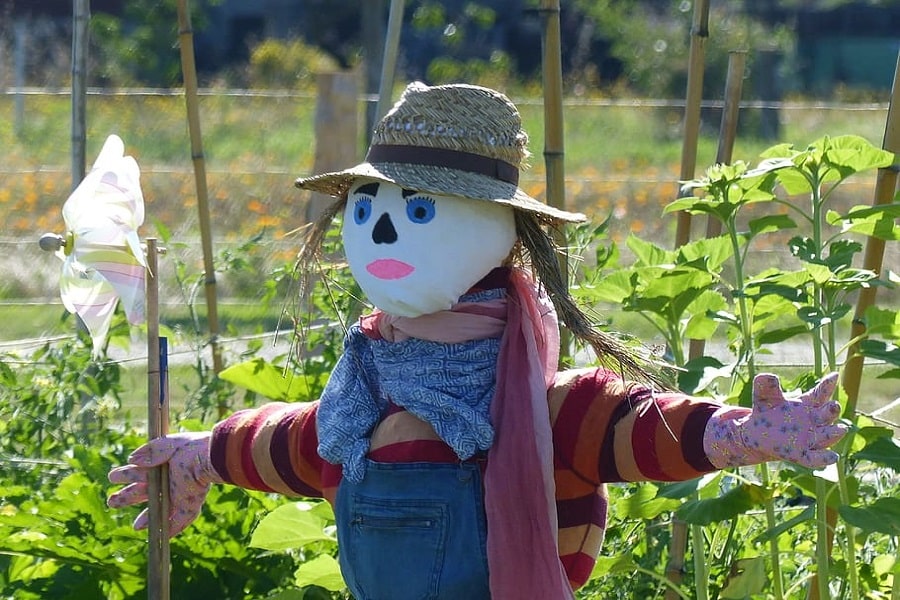
Mostly for fun rather than to actually scare the birds, one other big art project that won’t actually take too much time involves making a scarecrow or other fun figure for your garden. There are many different natural and reclaimed materials that you might use.
Of course, this short list just offers a few examples. There are many, many more quick after-school gardening activities for polytunnel growers to consider. We have plenty of knowledgeable articles to learn more about polytunnel gardening.
This is why every school should have a polytunnel!
FAQs
What kind of activities can kids do in a polytunnel?
Kids can engage in various activities, including planting seeds, observing plant growth, conducting soil experiments, learning about pest control, creating garden art, and even practising garden-based maths and science experiments.
Is it safe for kids to be in a polytunnel?
Yes, with proper supervision and guidelines. Ensure the polytunnel has adequate ventilation, tools are used safely, and children are educated about potential hazards like tripping or touching certain plants.
How can polytunnels be educational for kids?
Polytunnels offer practical lessons in biology, ecology, and agriculture. Kids can learn about plant life cycles, photosynthesis, and the importance of biodiversity. They also develop skills like patience, responsibility, and observation.
Can kids grow food in the polytunnel to take home?
Absolutely! One of the joys of polytunnel gardening is harvesting. Kids can grow fruits, vegetables, and herbs, which they can then take home, promoting a farm-to-table understanding and healthy eating habits.
How can schools or parents set up a polytunnel for after-school activities?
Setting up a polytunnel requires some initial investment and space. Schools can seek grants or community donations. Once set up, it requires regular maintenance, which can be a part of the learning process for kids.
Sources
RHS School Gardening. (n.d.) Simple Gardening Club Ideas. [online] Available at: https://schoolgardening.rhs.org.uk/Resources/Info-Sheet/Simple-Gardening-Club-Ideas [accessed 25/08/23]
Education Today. (2020) Why Every School Should Have a Polytunnel. [online] Available at: https://education-today.co.uk/why-every-school-should-have-a-polytunnel/ [accessed 25/08/23]