


 Goodbye January, hello February!
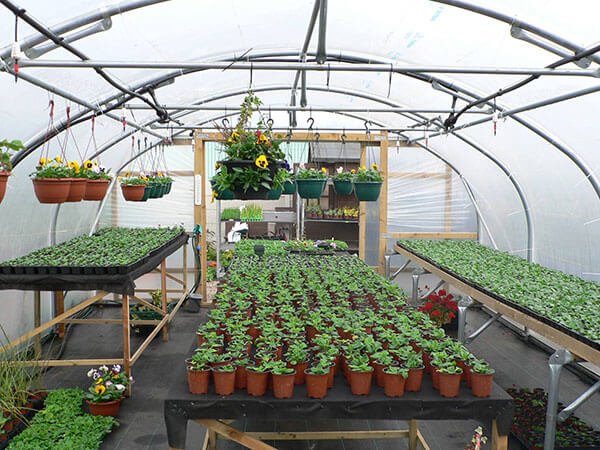
All of a sudden there’s plenty to do in the polytunnel this month to prepare for the season ahead. It’s still rather chilly, but in the Polytunnel, many plants start showing signs of life as early as January and that’s always an encouraging sight.
February Gardening
This month there are signs of the approaching spring, with bulbs appearing and wildlife waking up as light levels and temperatures start to noticeably increase.
If like me you’re getting itchy green fingers, don’t be tempted to sow too many seeds too early in the season. They may become weak and leggy due to low light levels. Hold fire (if you can) as later sowings will soon catch up and grow just as fast.
Keep Frost Away
While a sunny day in February can sometimes see the polytunnel warm surprisingly quickly, it is important not to get carried away at the first signs of growth. At this time of year, it is definitely possible to descend back into the depths of winter, as well as seeing the first signs of the new season. Make sure you are not taken unawares.
Make sure that you take measures to protect your overwintering plants from frost and wind chill with extra protection in the form of a mini polytunnel, cloches, bubble wrap, horticultural fleece and/or organic mulches. Remove the protection during the daytime to make sure plants can take advantage of the precious sunlight, which is in short supply at this time of the year.
Heating a polytunnel can be wasteful and expensive. Reduce heating needs by increasing the thermal mass inside, and consider partitioning your polytunnel and heating only a portion of it to keep costs down. Many plants will do fine over winter in the UK with a little extra protection, even without any additional heating.
If you do have some tender plants that require a little extra warmth, consider providing this organically through creating a hot bed, with composting straw and other materials that will give off heat. Where this is not enough, consider using renewable sources to heat the space. More eco-friendly options could include solar powered electric heaters, or a wood-fuelled rocket mass stove, for example.
Keep it Clean
Clean the cover inside and out, so everything can benefit from the increasing day length. Algon Organic is ideal for cleaning your Polythene cover. Simply apply with a garden sprayer, soft broom or paintbrush and leave it to work – there’s no need to scrub or rinse off later. Easy, peasy!
Chitting
To Chit or not to Chit, that is the question!
Chitting is one of those subjects that keeps allotment forums buzzing from time to time. It’s argued it’s a waste of time, but most of the gardening writers and bloggers are firm believers that chitted potatoes produce bigger, better, earlier crops! Regardless, Chitting spuds is one of the first real growing jobs of the new season and another welcome sign that spring is just around the corner.