

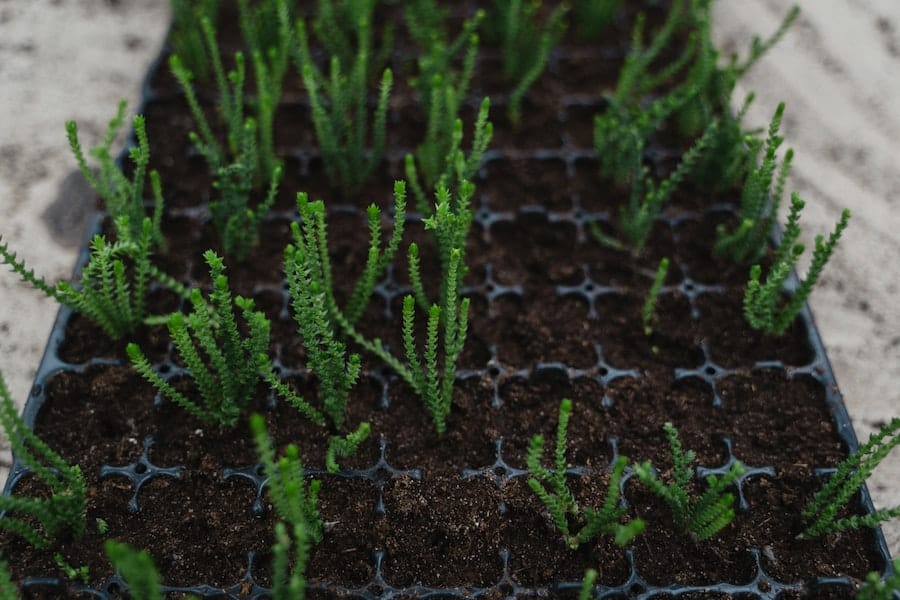
Plug plants are the perfect time-saving option for gardeners who can only enjoy their hobby on a time crunch. Plug plants are pre-germinated and ready to plant whenever you are, the ideal way of filling your garden with colour and fun without too much extensive effort. But planting plugs and ensuring that they grow can be tricky if you haven’t done so before. Well, don’t panic! We have the expert guidance for planting plugs that you need to get started.
What Is A Plug Plant?
Plug plants are cuttings or seeds that gardeners grow indoors in modular trays. Although plug plants in garden centres have already been nurtured and are ready to plant out and grow straight away, you can purchase plug plants at several different growth stages. This way, you can have a hand in growing your plants from scratch if you would like.
Read More: What Are Plug Plants?
Plug Plant Sizes
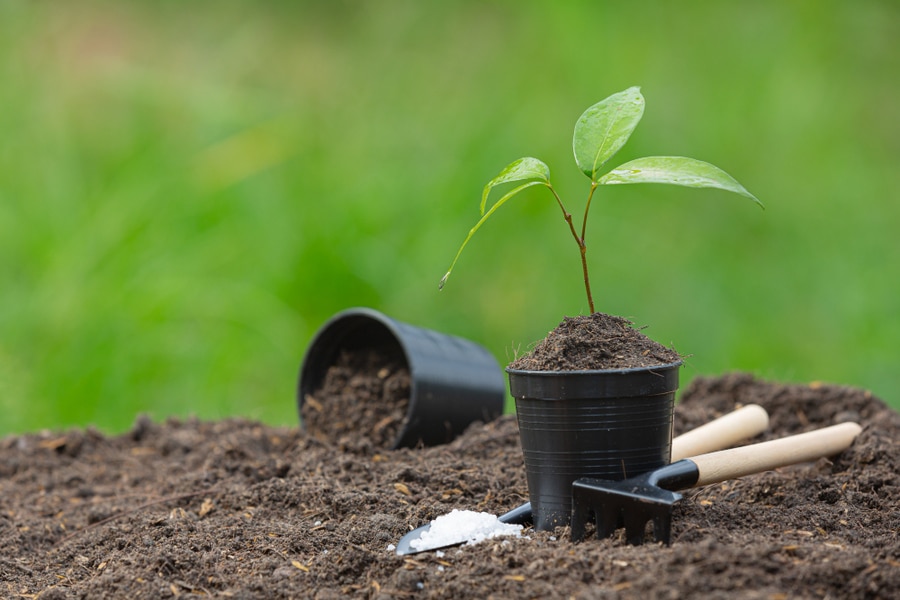
Plug plants come in several different sizes, and, depending on the shop you are purchasing from, they will all have different names. For example, names can range from a mini plug, jumbo plug, super plug and extra value plug. It’s best to check with your supplier which sizes are which. Despite their names, the one thing you need to know is that the larger the plug plant, the easier you will be able to handle the plants and the quicker they will establish themselves.
On the other hand, some suppliers offer plug plants that are garden ready, usually later in the season. These super large plugs are suitable for planting straight into the ground without the need for growing on in small containers.
Planting Plugs: From Purchase To Growth
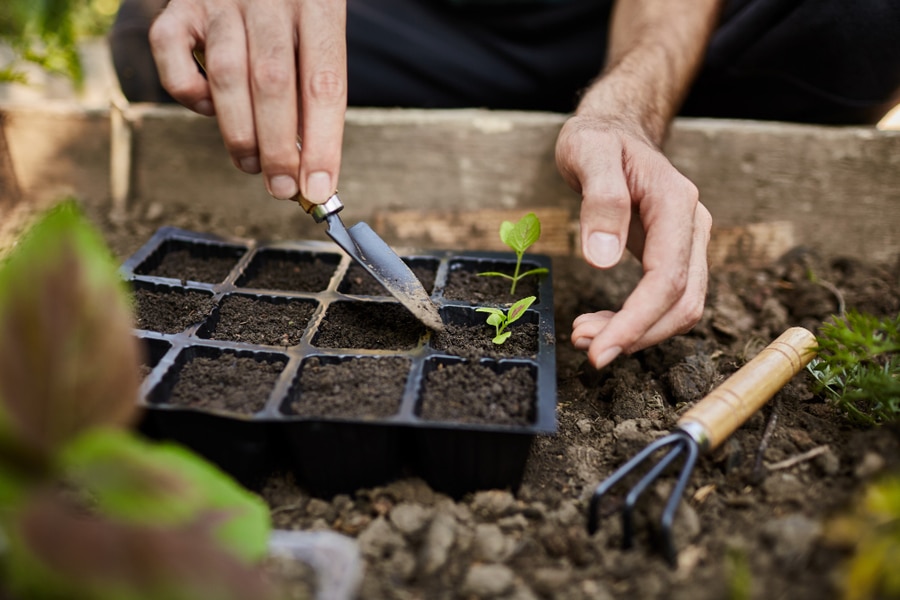
Planting plugs can be a tricky business for a first-time plug plant user. Although plugs are a fantastic, time-saving option that allows you to raise perennials and vegetables without having to raise them from seeds, getting them right is vital for thriving plants. So if you want to start planting plugs by yourself, here are our tips on planting plugs from the moment you buy them until they establish themselves in your garden.
Give Your Plants Air
As soon as you get your plug plants home, take them out of any box or packaging, even if you don’t plan on planting up straight away. Plugs need plenty of air, and it’s best to give them this as soon as possible. Additionally, if the compost seems dry or the plants look a little sad upon taking them out, you can water them too. The best way to do this for fresh plug plants is to stand them in a saucer of fresh, room-temperature water to allow them to soak it up through the base. Then, once they are visually damp, you can place them onto another dry saucer to allow any excess water to drain.
Although it’s best to get around to planting plugs as soon as possible, don’t panic if you don’t have the time straight away. Plug plants can keep rather well for several days so long as you keep them in a warm, light place and keep the compost moist.
Planting Plugs In Potting Compost

Before you can grow a beautiful garden by planting plugs outdoors, you’ll need to start by growing them in containers so they are strong enough to survive outdoors particularly tender bedding plants. It’s best to pot up your young plug plants as soon as possible after purchase.
Once you are ready to start planting plugs, you should begin by choosing suitable containers. Ideally, you should plant plugs in pots of around 7.5 – 9 cm. Planting plugs in larger containers can be detrimental since they will be slower to establish themselves. Plus, the larger amount of compost equals more moisture, and too much moisture can result in your plug plants becoming saturated and potentially rotting. Also, practically, larger containers will take up a large amount of space indoors!
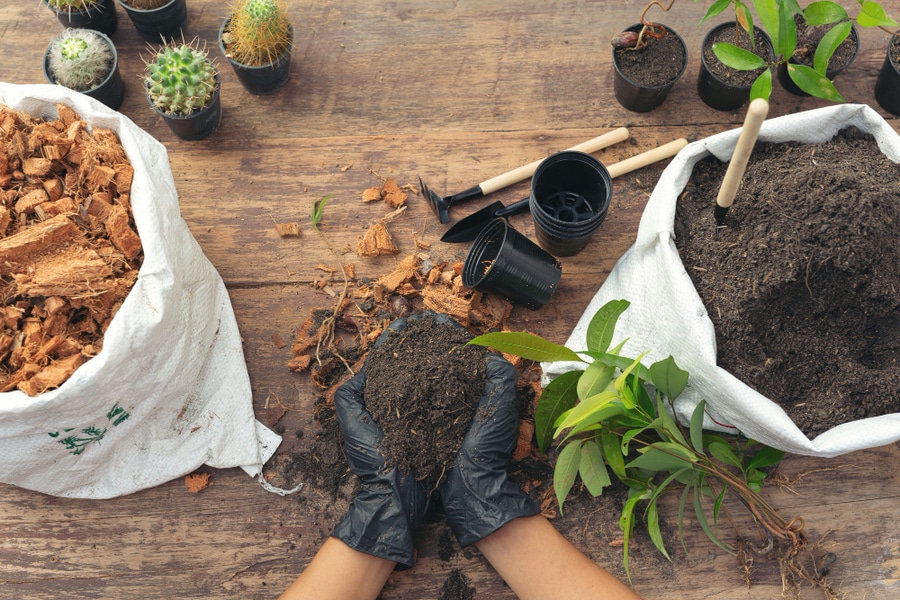
With suitable pots at the ready, you can start planting plugs immediately! Start by filling your container with good-quality multi-purpose compost (don’t use homemade), tap to settle it and wipe off any excess to leave a level surface. Then, use a dibber – or a pencil – to make a hole in the centre of each of your containers and put in a plug. Finally, you can firmly pinch it into place with your fingers.
Once you’ve finished planting plugs, you should gently water them regularly. Since they are sensitive to frost, it’s best to keep them indoors in a light spot but out of direct sunlight. Finally, you can make a drip tray by standing your plug plants on individual saucers to keep the soil moist.
Take a look at our range of polytunnel staging to make planting plugs easier and more comfortable for you.
Caring For Freshly Planted Plugs
Unfortunately, planting plugs is the easiest part! Ongoing care is vital for plug plants to establish themselves and begin healthy growth. So, monitor your plants regularly to keep on top of their progress. Once top growth develops and the roots of the plug plants start to fill their containers, you’ll need to regularly water your plugs to keep them in top condition. Again, it’s best to do this with an indoor can.
To avoid stunted growth, you should move the plugs to larger pots as you notice their roots starting to poke through the base and drainage holes. Depending on the growth speed of the plant, you may need to repeat the repotting process several times, moving the plugs to slightly larger pots each time.
As your plug plants begin to grow, you may notice that they start to bend towards the light. This is known as phototropism and is a natural phenomenon. To avoid this and encourage upright growth, you should turn your containers around every few days.
Additionally, some plug plants don’t naturally grow bushily and will instead begin to grow taller. You can prevent this by pinching back the growing tips of perennials when they are about 10 cm high and encouraging side shoots to grow further down on the stem. Then, after they’ve produced a couple more sets of leaves, you can repeat this process.
Planting Plugs Outdoors
Once your plug plants have developed plenty of leaves and appear more robust, you can begin to get them ready for planting outdoors. Although this will depend on when you start planting plugs indoors, you should only plant them outdoors once the risk of frost has passed.
Hardy perennials can be planted at any time as long as the soil isn’t waterlogged or frozen. However, you should keep tender plants indoors and wait until early Spring to begin planting them out.
Before you start planting plugs outdoors, you need to acclimatise them. To do so, you should move them outdoors during the day and bring them inside in the early evening. This is called hardening off, and you should do it for a few days for the plants to get used to the outdoor conditions. Then, you can leave it out all night for it to acclimatise further, covering them with weed control ground cover if cold temperatures are expected.
Once they have acclimated to the daily and nightly temperatures of your garden, you can start planting plugs outdoors.
Planting Plugs: In Summary
Planting plugs is a fun experiment for all gardeners and works wonders for those who want a beautiful garden without too much work or time. Follow some of our tips on planting plugs, and you can have thriving plug plants in your garden in no time at all!
Do you have any tips on planting plugs? Give us your advice in the comments below!